
If you’re spending money on a fence, you probably want a straight answer: how long is this thing actually going to last?
The truth is, there isn’t one number that fits every situation. Fence lifespan depends on three main things: the material you choose, the weather where you live, and how well the fence is installed. Get those right, and your fence can last decades. Get them wrong, and you may be fixing problems way sooner than expected.
Let’s break it down in plain terms.
Key Takeaways
- Wood fences usually last about ten to fifteen years with regular care.
- Vinyl fences often hold up for twenty to thirty years because they don’t rot or attract pests.
- Metal fences like aluminum and wrought iron can last thirty years or more.
- Chain-link fences may reach twenty years but need upkeep to prevent rust.
- Climate and installation quality play a huge role in how long any fence lasts.
Understanding Fence Materials and Their Lifespan
Fence material matters more than most people think.
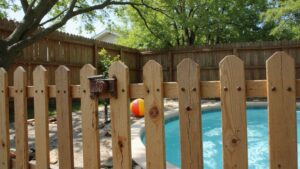
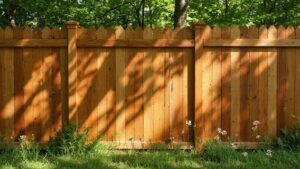
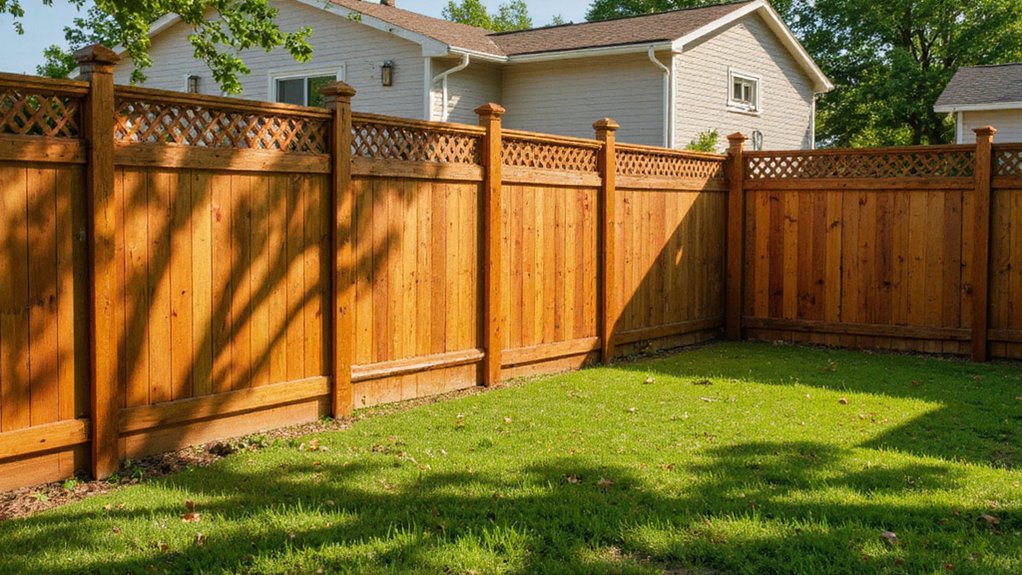
Wood is popular because it looks great and feels classic. The downside is maintenance. Even with staining and sealing, most wood fences last around ten to fifteen years. Skip upkeep, and that number drops fast.
Vinyl is a different story. It doesn’t rot, warp, or attract insects, which is why many vinyl fences last twenty to thirty years. You pay more upfront, but there’s less to worry about later.
Metal fences tend to last the longest. Aluminum and wrought iron often go beyond thirty years when installed correctly. They handle weather well and stay strong, though iron needs protection from rust.
Chain-link fences fall somewhere in the middle. Expect up to twenty years if you keep rust under control and repair damaged sections early.
Impact of Climate on Fence Durability
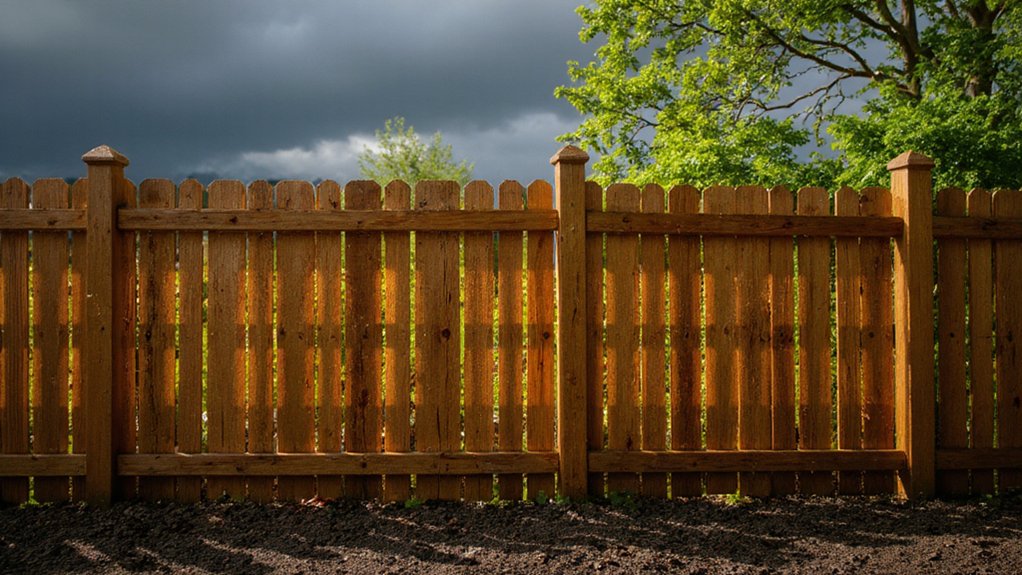
Where you live plays a bigger role than you might expect.
Heat, moisture, snow, and salt air all wear fences down over time. Some materials handle this better than others, but no fence is immune.
How Weather Affects Your Fence
Storms can be rough on fences. Strong winds loosen posts. Heavy rain seeps into wood. Snow and ice add weight and stress.
Humidity is especially tough on wood. It can cause swelling, rot, and mold if the fence isn’t sealed. Metal fences have their own issue. In humid or coastal areas, rust can show up faster than you’d like.
Regular checks and small repairs go a long way. Catching problems early saves money and frustration later.
How Materials React to Different Climates
Wood struggles in wet climates and can crack in very dry areas. It needs consistent care to survive both extremes.
Vinyl handles temperature swings well. It doesn’t absorb moisture and won’t rot, which makes it a solid choice in harsh climates.
Metal fences are strong, but they need protection. Coatings and paint help prevent rust, especially near saltwater or in places with frequent rain.
Choosing the right material for your climate makes a real difference.
Why Seasonal Maintenance Matters
Seasonal maintenance isn’t exciting, but it works.
Checking your fence in spring and fall helps you spot loose posts, rust spots, or early signs of rot. Fixing these issues right away keeps them from turning into bigger problems.
Simple steps like sealing wood, touching up paint, clearing debris, and making sure water drains away from the fence all help extend its life.
Installation Quality: A Key Factor in Lifespan
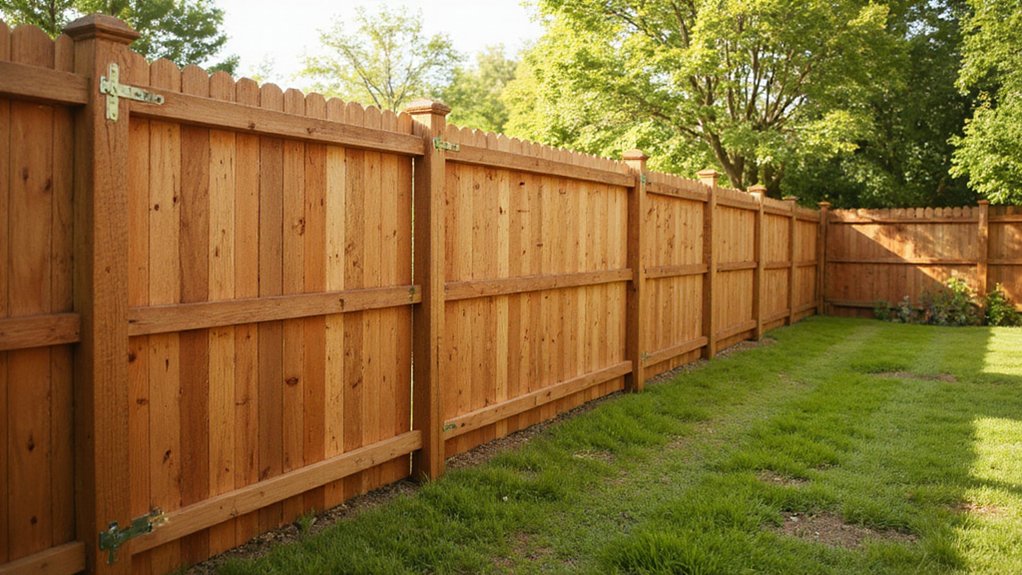
Here’s the part many people overlook: installation quality.
Even the best materials won’t last if the fence is installed poorly. Posts need to be set deep enough. Panels must be level. Hardware has to match the material.
If posts are too shallow or out of alignment, the fence can start leaning within a few years. Once that happens, repairs get expensive.
Skilled installers pay attention to details that matter long-term. A well-installed fence looks better, stays sturdy, and handles weather far better than a rushed job.
Maintenance Tips to Extend Your Fence’s Life
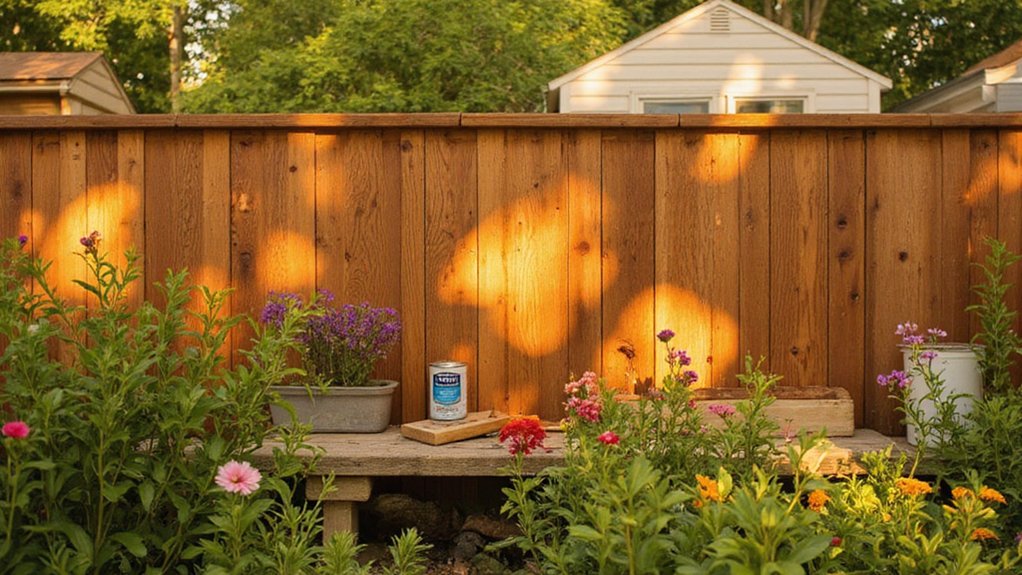
A professionally installed fence still needs care. The good news is, it doesn’t have to be complicated.
Check your fence a couple of times a year. Look for loose boards, rust, cracks, or leaning posts.
Wood fences benefit from sealants or stains that block moisture and pests. Metal fences last longer when rust spots are treated early and covered with protective paint.
Keep plants trimmed back so they’re not pressing against the fence. Clear away dirt and debris that trap moisture at the base.
These small habits add years to your fence.
Signs Your Fence Needs Replacement
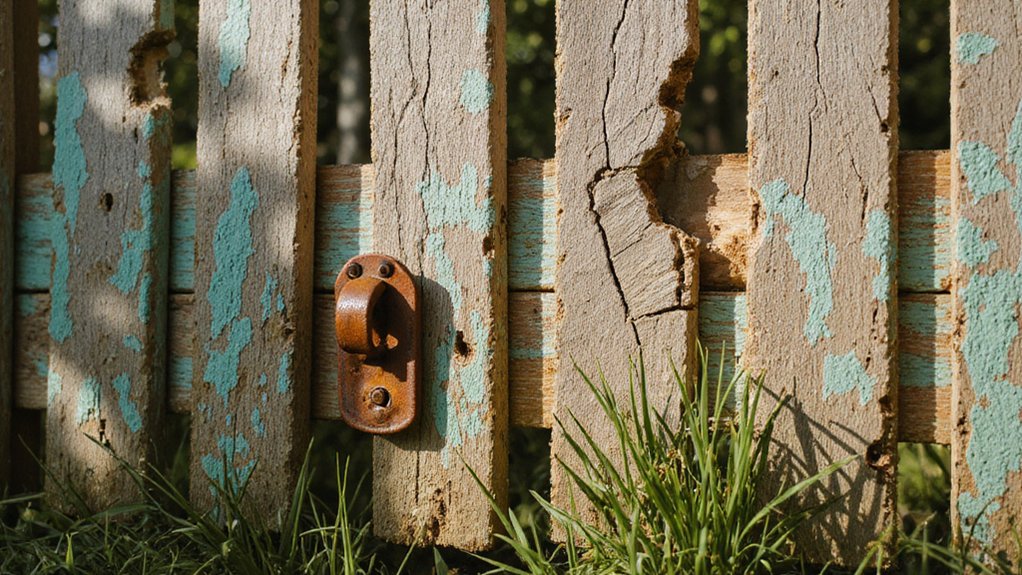
Even with good care, fences don’t last forever.
Fading or uneven color can point to deeper wear. Leaning panels, loose posts, and warped sections are red flags.
Rust that spreads across metal or soft, rotting wood means the structure is weakening. Cracks and breaks often lead to more damage if ignored.
Large gaps under or between panels are another warning sign. At that point, the fence may no longer do its job.
If you’re seeing several of these issues at once, replacement is usually the smarter option.
Cost vs. Longevity: Making Smart Choices
Cheap fences often cost more in the long run.
Lower-priced materials can mean frequent repairs, higher maintenance, and earlier replacement. That adds up fast.
Wood may be easier on your budget upfront, but it usually won’t last as long as vinyl or metal. Spending more at the start often means fewer headaches later.
Think about how long you plan to stay in your home, how much maintenance you’re willing to do, and what kind of weather your fence will face. Those answers help guide the right choice.
Frequently Asked Questions
Can I Paint or Stain My Fence After Installation?
Yes, you can. Make sure the surface is clean and dry before painting or staining. Proper prep helps the finish last longer and protects the material underneath.
How Can I Tell if My Fence Was Installed Correctly?
Check that posts are straight and firmly set. Panels should be level and secure, with no large gaps or wobbling. Solid connections are a good sign of quality work.
Do Different Fence Styles Affect Lifespan?
They do. Wood usually doesn’t last as long as vinyl or metal. Composite falls somewhere in between. Style, material, and maintenance all play a role.
What Warranties Come With Installed Fences?
Warranties vary. Some cover materials for up to twenty years, while workmanship warranties often last one to five years. Always ask what’s included.
Can Pets Damage a Professionally Installed Fence?
They can. Digging, chewing, and jumping take a toll over time. Stronger materials hold up better if you have energetic pets.
Final Thoughts
A professionally installed fence can last anywhere from ten to thirty-plus years. It all comes down to material choice, local climate, and how well it’s installed and maintained.
Spend a little time choosing wisely, keep up with basic care, and your fence will serve you well for years. That peace of mind is worth it.