If you want a fence that actually blocks the view and helps protect your space, the material matters more than most people think. Some fences look great but don’t give much privacy. Others feel solid but need more upkeep than expected. So which one really makes sense for your yard?
Here’s the honest breakdown, without the fluff.
Key Takeaways
Before we get into details, here’s the quick version. Wood gives a classic look and blocks noise well. Vinyl is easier to live with long term. Metal is tough to beat for security. Composite sits in the middle. Plants can work too, if you’re patient.
Now let’s talk through each option.
Understanding Your Privacy and Security Needs
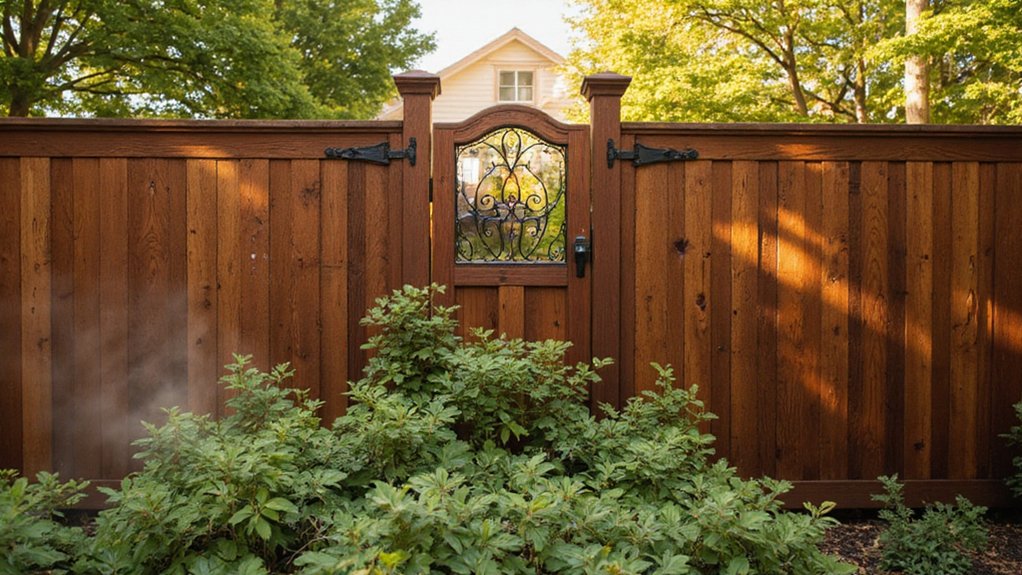
Start with your property lines. Seriously. Knowing exactly where your land begins and ends saves you from headaches later, especially with neighbors.
Next question. How private do you actually want it?
Some people just want to block the street. Others want a backyard where nobody can see anything at all. A solid fence does more than block views. It can also cut down noise from traffic or nearby homes.
Think about what bothers you most. Is it cars, neighbors, or people walking by? That answer helps narrow things down fast.
A fence should make your outdoor space feel calmer, not boxed in or stressful.
Popular Fence Types for Privacy
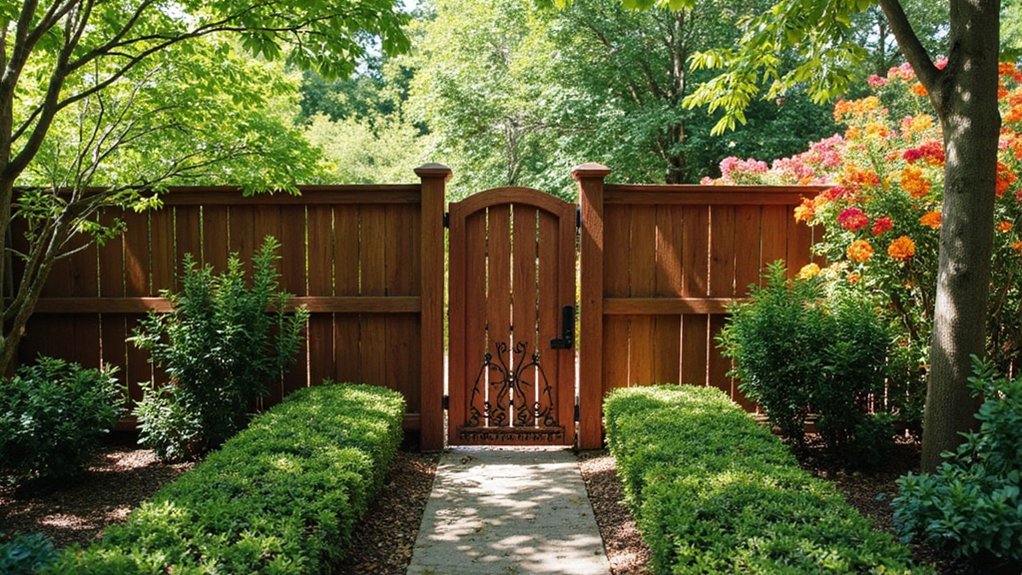
Not every fence is built for privacy. Some just mark boundaries. Others do the heavy lifting.
Wood is a go-to for full coverage. Vinyl is easier to maintain. Chain link can work, but only with add-ons.
Here’s how they compare.
Wood Privacy Fences
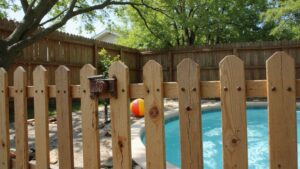
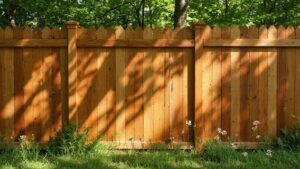
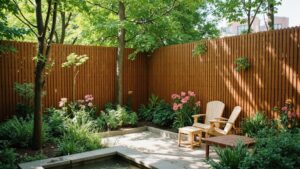
Wood fences are everywhere for a reason. They work.
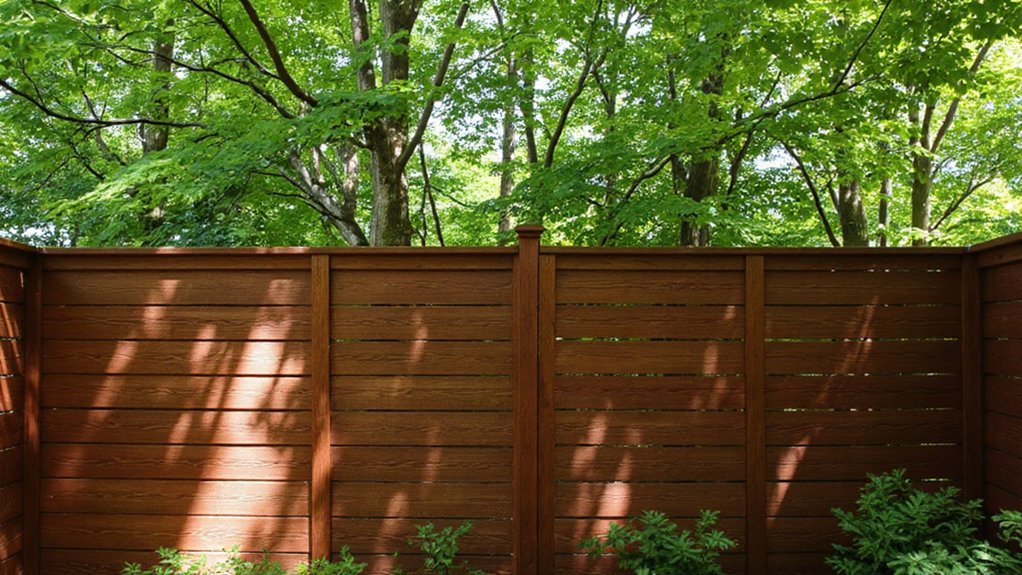
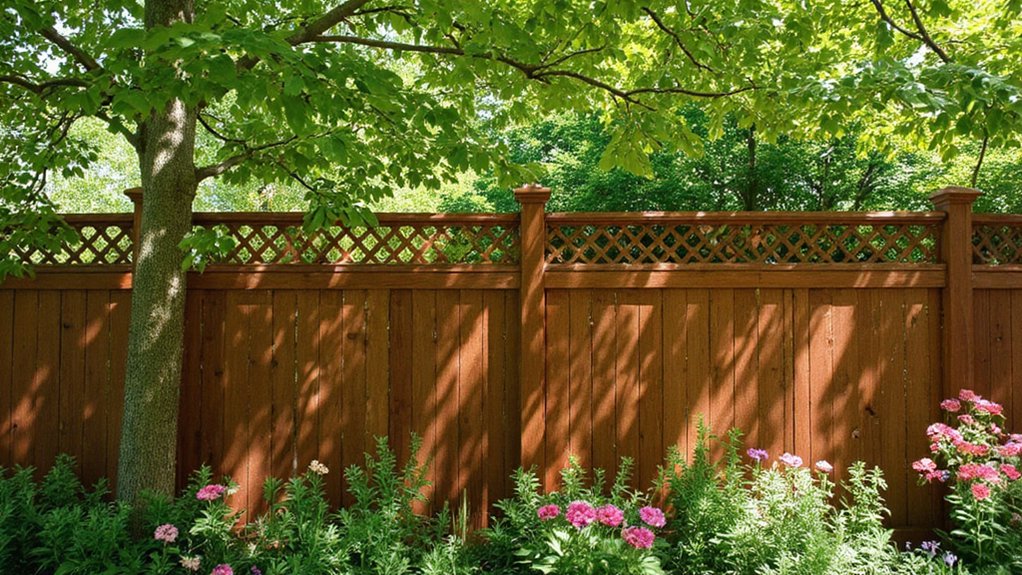
You’ll usually see cedar, redwood, or pine. Cedar handles moisture well. Redwood lasts a long time and looks rich. Pine costs less but needs more care.
If you go with wood, installation matters. Posts should be set in concrete. Fence height should be at least six feet if privacy is the goal. Boards need to sit close together, or gaps will show up fast.
Wood does need upkeep. Sealing or staining every few years keeps it from rotting or warping. Skip that step and problems show up sooner than you’d like.
Vinyl Privacy Fences
Vinyl is a solid choice if you don’t want ongoing maintenance.
It doesn’t rot. It doesn’t warp. You won’t be repainting it every few years either. Most vinyl panels lock together tightly, which helps with privacy and strength.
Styles range from simple white panels to options that look like wood. Installation is usually quicker than wood, and cleanup is easy. A hose does the job most of the time.
If you want privacy without constant work, vinyl makes sense.
Chain Link with Privacy Add-Ons
Chain link alone won’t give you privacy. But add-ons change that.
Privacy slats slide into the links and block most sightlines while still letting air through. They come in different colors and materials, so it doesn’t have to look industrial.
Some homeowners also grow climbing plants along chain link fences. It takes time, but the result feels softer and more natural.
If security matters more than looks, thicker wire and stronger posts help too.
Why Wood Still Works So Well
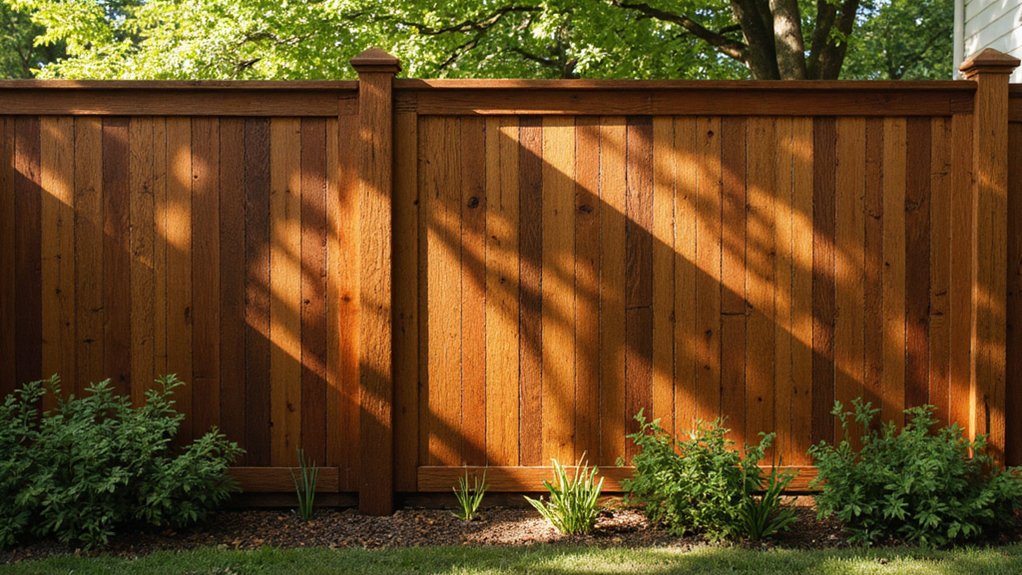
Wood fences feel familiar. They fit almost any home style, from older houses to newer builds.
Design options are wide open. Vertical boards, horizontal slats, shadowbox styles. You can shape it to match your yard.
Maintenance is the tradeoff. Check for rot, insects, and moisture. Keep plants trimmed away so water doesn’t sit against the boards.
Take care of it, and a wood fence adds warmth and privacy that’s hard to beat.
Vinyl Fences: Easy Living, Clean Look
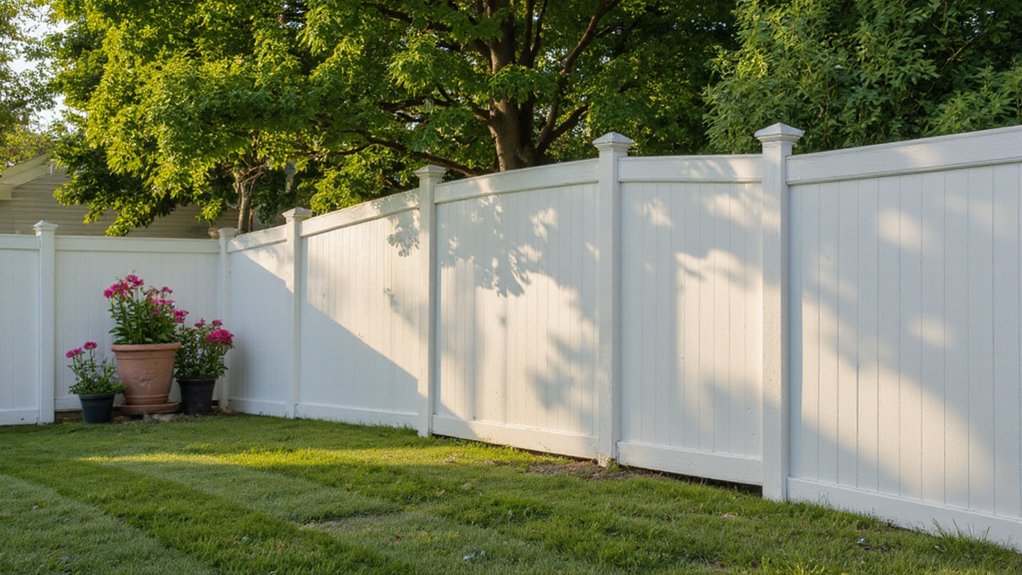
Vinyl fences are popular for one main reason. They’re simple.
They hold up well in rain, sun, and cold. No rust. No rot. No repainting.
How Long Vinyl Fences Last
Vinyl is built to handle rough weather. It doesn’t absorb moisture, so swelling and cracking aren’t issues.
You won’t be fixing loose boards every season. Wash it once in a while and you’re done. That’s it.
For people who don’t want weekend projects, vinyl is a relief.
Design Choices You’ll Actually Like
Vinyl doesn’t mean boring anymore.
You can get tall privacy panels, short decorative fences, or styles that copy wood grain. Post caps and textures add small details that make a difference.
It blends well with most homes and yards, which helps if appearance matters to you.
Metal Fences: Strong and Hard to Beat
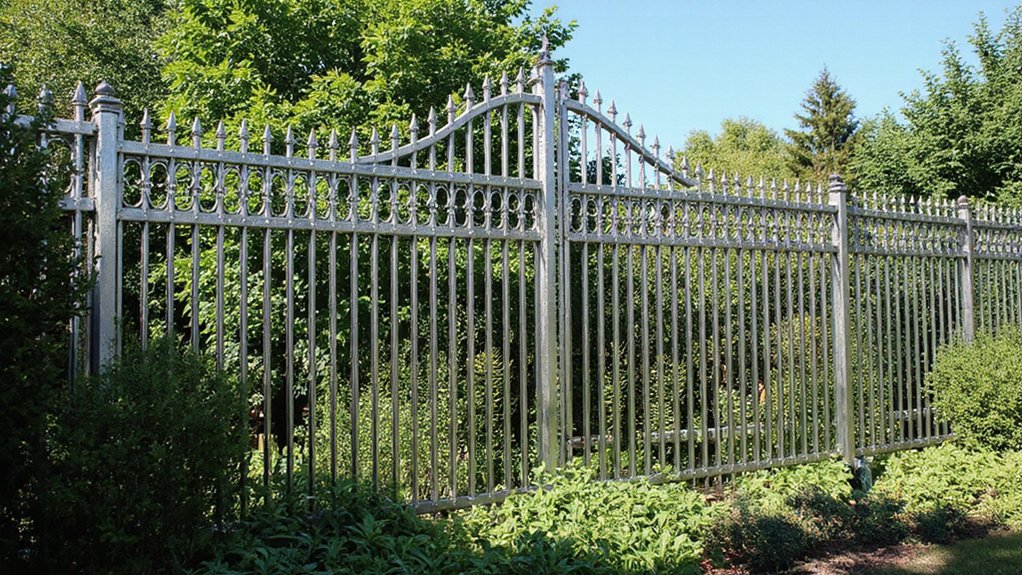
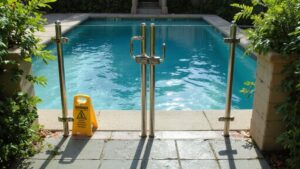
If security is your top concern, metal fences stand out.
Wrought iron and aluminum are common choices. They last a long time and are tough to damage. Climbing them isn’t easy, especially with pointed tops or narrow spacing.
Metal fences work well with locking gates and added security features. They don’t give full privacy on their own, but they send a clear message. This space is protected.
They also add curb appeal, which surprises a lot of people.
Composite Fences: A Middle Ground
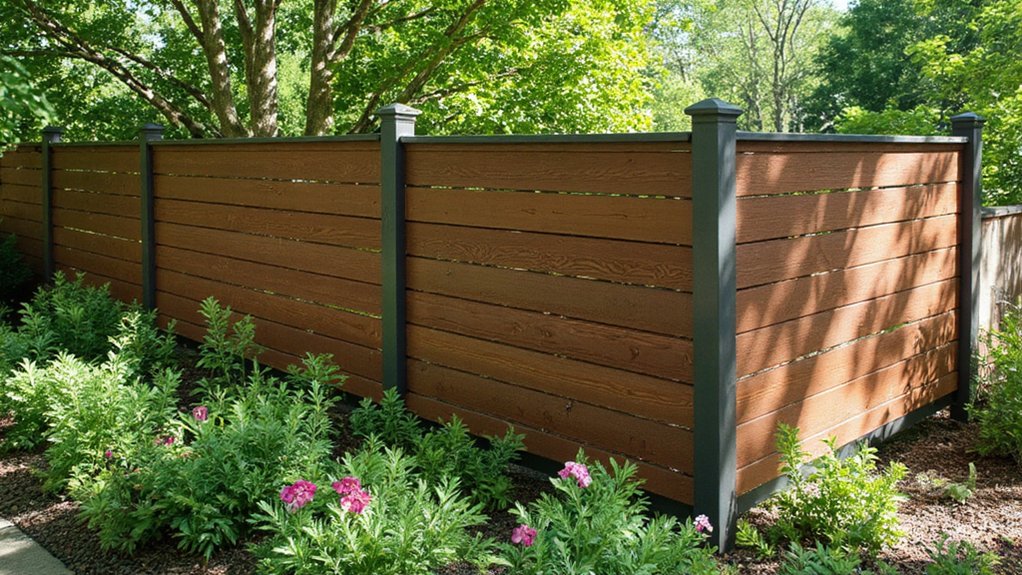
Composite fences mix wood fibers with recycled plastic. The result looks like wood but behaves more like vinyl.
They resist rot, bugs, and warping. Maintenance stays low. Color options are solid but not overwhelming.
If you want privacy without constant upkeep and prefer a modern look, composite is worth considering.
Natural Barriers with Plants
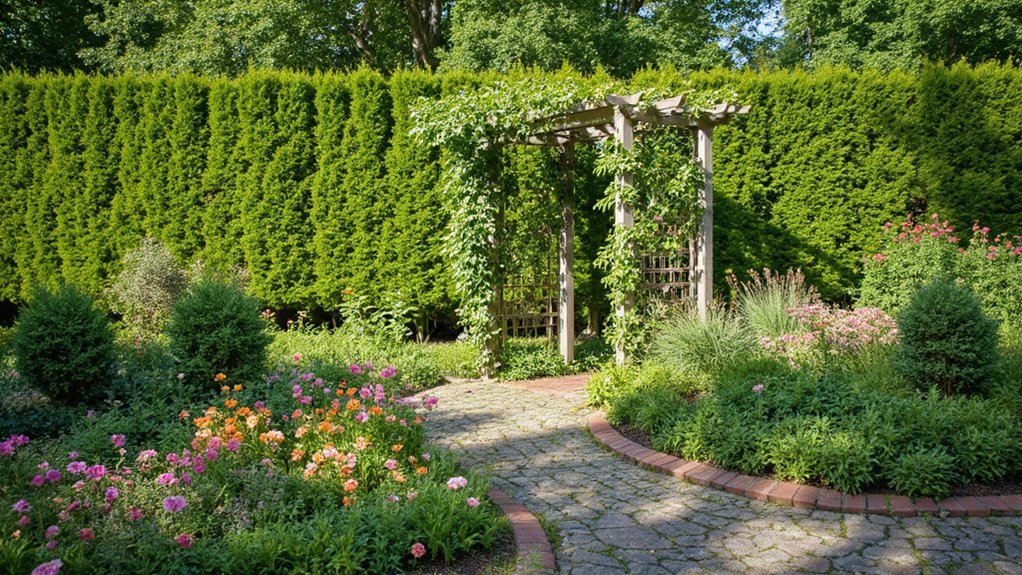
Some people skip fences altogether and go with plants.
Hedges like boxwood, privet, and arborvitae grow thick and tall over time. They block views and add greenery at the same time.
This option takes patience. Plants need time to grow and regular trimming to stay effective. Mixing shrubs, grasses, and climbing plants helps fill gaps and improve coverage.
It’s not instant privacy, but it can look great when done right.
What to Think About Before Choosing
Before you decide, ask yourself a few simple questions.
What matters more, privacy or security? How much maintenance are you okay with? What does your local code allow?
Materials matter. So does your budget. Installation costs can vary a lot depending on terrain and fence type.
Check local rules early. Height limits and permit requirements can change your plans fast.
When you balance all of this, the right choice usually becomes clear.
Frequently Asked Questions
How tall should a privacy fence be?
Six feet is the standard for privacy. Taller fences add security but may need approval depending on where you live.
Do certain materials stop trespassers better?
Metal fences are the hardest to breach. Wood works well if built solid. Chain link improves a lot with privacy slats and thicker wire.
Can fences go on slopes?
Yes. Installers use stepped or racked designs to keep the fence stable and looking clean on uneven ground.
Are there rules about fence height and style?
Most areas have them. Always check local codes and neighborhood guidelines before installing anything.
How do I keep my fence in good shape?
Clean it regularly. Fix small problems early. Wood needs sealing. Vinyl and composite need basic washing. Metal should be checked for loose parts.
Final Thoughts
There’s no single fence that works for everyone.
Wood feels classic but needs care. Vinyl is easy and long-lasting. Metal adds serious security. Composite balances looks and durability. Plants offer privacy if you’re willing to wait.
Figure out what matters most to you, check local rules, and choose from there. The right fence should make your space feel safer and more comfortable every day.