Taking care of a wood fence is not something you do once and forget. Wood responds to weather, moisture, sunlight, and even nearby plants. Regular attention keeps it standing straight, looking good, and doing its job for years.
A good rule is to inspect and care for your wood fence at least twice a year, usually in spring and fall. These checkups help you spot small problems before they turn into repairs that cost more time and money. The right cleaning and treatment schedule also depends on your climate, the type of wood, and how exposed the fence is.
Below is a practical breakdown of what affects fence lifespan, how often to inspect and clean, and when treatment really matters.
Key Takeaways
- Inspect your wood fence at least twice a year, usually in spring and fall
- Clean the fence seasonally to remove dirt, mildew, and buildup
- Apply sealant or stain every few years based on climate and exposure
- Tighten hardware and fix loose boards during warm months
- Address rot or insect damage right away to avoid larger repairs
The Importance of Regular Wood Fence Maintenance
A wood fence adds warmth and character to a property, but it also needs ongoing care. Without maintenance, wood slowly breaks down from moisture, sun exposure, and pests. What starts as surface wear can turn into rot or structural failure if ignored.
Regular inspections help catch early signs of trouble like soft spots, cracks, or insect activity. Applying a weather-resistant sealant every few years protects the wood from soaking up water and drying out in the sun.
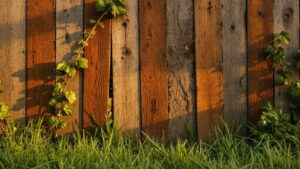
Vegetation control also matters. Plants growing against the fence trap moisture and limit airflow. Keeping grass, shrubs, and vines trimmed back helps the wood dry properly after rain.
Annual washing removes dirt, pollen, and mildew that settle into the grain. This simple step goes a long way in keeping the fence both sturdy and attractive.
What Affects How Long Your Wood Fence Lasts?
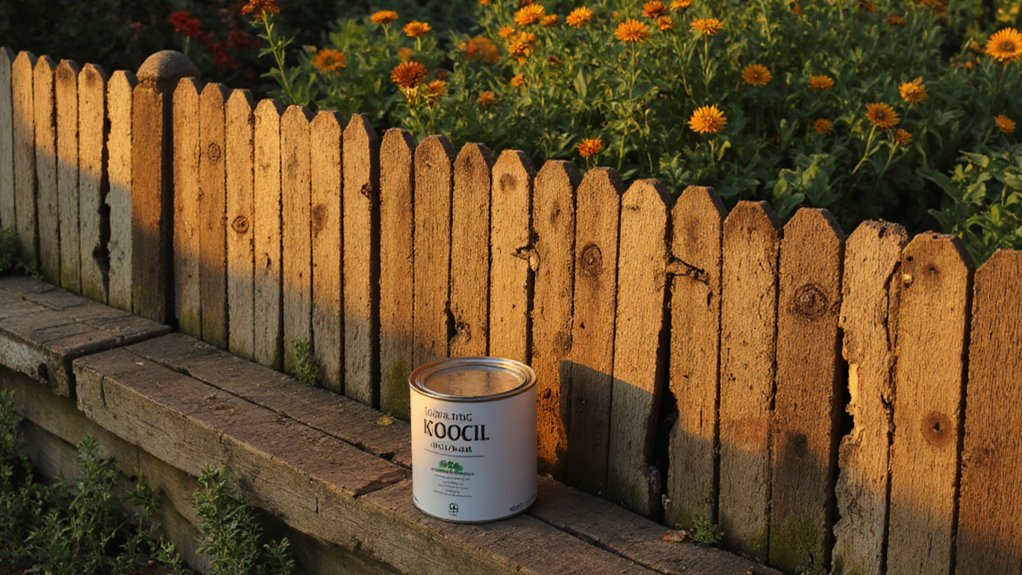
Several factors influence how long a wood fence holds up, and some matter more than others.
Wood species plays a big role. Cedar and redwood resist decay naturally and often last longer with less effort. Pine and other softer woods can still perform well, but they need consistent treatment.
Climate also has a strong effect. Moist environments increase the risk of rot and mold, while dry regions can cause boards to crack and split. Areas with intense sun exposure see faster fading and surface wear.
Installation quality matters too. Proper spacing, good drainage at posts, and solid hardware all help prevent premature damage. Even the best wood struggles if water pools around the base of the fence.
How to Inspect Your Wood Fence: Frequency and Tips
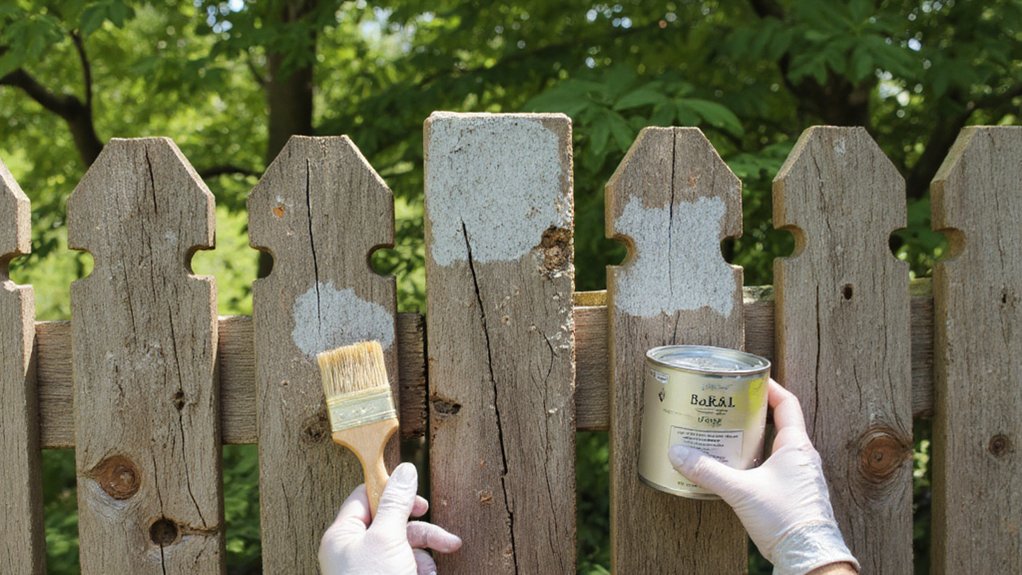
Plan to inspect your wood fence at least twice a year. Spring and fall work well because they follow harsh seasonal conditions.
Start at ground level. The base of posts and boards stays damp longer and often shows damage first. Press lightly on the wood to check for soft areas.
Look over boards for warping, splitting, or looseness. A slightly loose board may not seem serious, but movement allows moisture in and speeds up wear.
Check hinges, latches, and fasteners. Rust or wobbling hardware can weaken entire sections. Tighten or replace pieces as needed.
Finish by scanning nearby plants. Trim anything touching the fence so air can move freely around the wood.
Wood Fence Maintenance: Recommended Cleaning Frequency
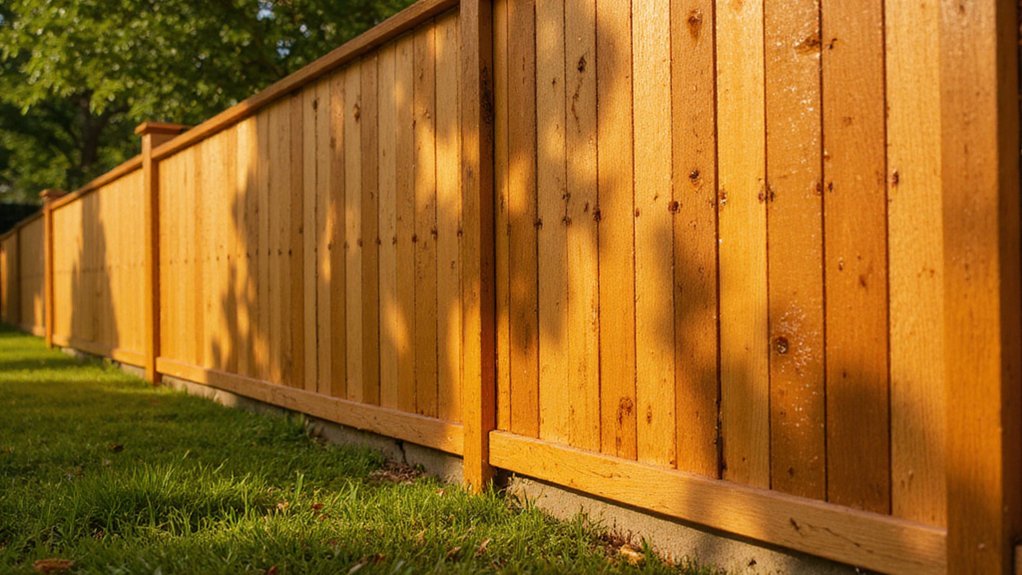
Cleaning keeps a fence looking good and helps treatments work better. Dirt and organic buildup trap moisture, which leads to decay.
Most fences benefit from cleaning at least once a year. In damp or shaded areas, twice a year works better.
Seasonal Cleaning Guidelines
Seasonal cleaning fits naturally into fence care.
In spring, wash away winter grime using water and a mild detergent. Remove leaves, dirt, and early mildew growth.
Summer is a good time to check for loose boards or nails and fix them while conditions are dry.
Fall works well for applying sealant or stain. Treating before winter helps keep moisture out during cold months.
In winter, clear snow or ice piled against the fence base when possible. Standing moisture around posts increases the risk of rot.
Weather Impact Assessment
Weather has a direct effect on wood.
Frequent rain causes swelling and can lead to splitting as boards dry again. Dirt left on the surface makes the problem worse by holding moisture longer.
Strong sun dries wood out and fades color. Over time, untreated wood becomes brittle.
If your area sees heavy rain or humidity, inspect and clean more often. In sunny regions, keeping up with stain or sealant matters just as much.
Mildew and Mold Checks
Mildew and mold thrive where moisture lingers.
Check shaded areas and spots near sprinklers every few months. Dark streaks or green patches are early signs.
Clean affected areas with water and mild detergent, then rinse well. Let the wood dry fully before applying any preservative.
Good drainage and sunlight help prevent repeat growth. Simple adjustments like redirecting sprinklers can make a big difference.
How to Choose the Best Treatment for Your Wood Fence
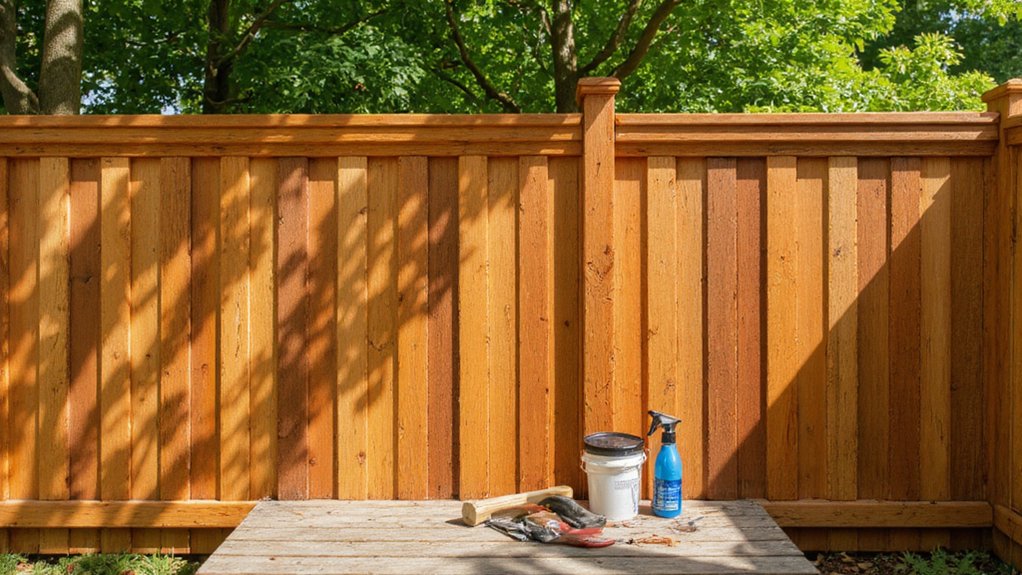
Not all treatments serve the same purpose. Choosing the right one depends on your fence condition, climate, and appearance goals.
Some products focus on protection, while others balance protection with color.
Types of Wood Treatments
Preservatives soak into the wood and help protect against insects and moisture. Oil-based options penetrate deeply and last longer. Water-based products dry faster and clean up easily.
Stains add color while offering protection from sun and rain. They highlight the wood grain rather than covering it.
Sealants form a protective layer that blocks moisture. Some are clear, while others include pigment for UV protection.
Matching the product to your climate and fence age leads to better results.
Application Methods Explained
Application affects how well a treatment performs.
Brushes work best for deep penetration, especially on older wood. They take more time but allow better control.
Sprayers cover large areas quickly, but they may miss edges and cracks. Following up with a brush helps even things out.
Rollers work on flat surfaces but still need brushing afterward.
No matter the method, clean and dry the fence first. Treatments bond better and last longer on prepared surfaces.
When to Reseal or Stain Your Fence for Longevity?
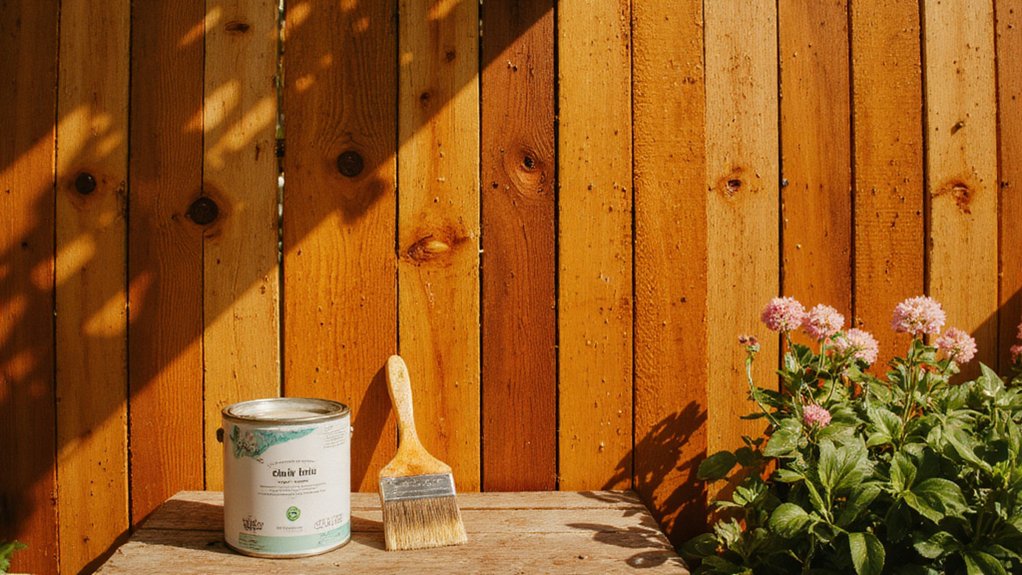
Most wood fences need resealing or staining every two to three years. Climate and sun exposure can shorten or extend that timeline.
Watch for visual cues. Fading color, dry texture, or water soaking in instead of beading all signal it is time.
Oil-based stains tend to last longer but take more time to dry. Water-based stains dry faster and are easier to apply.
Staying on schedule helps the fence resist moisture and sun damage year after year.
Seasonal Tips for Wood Fence Maintenance
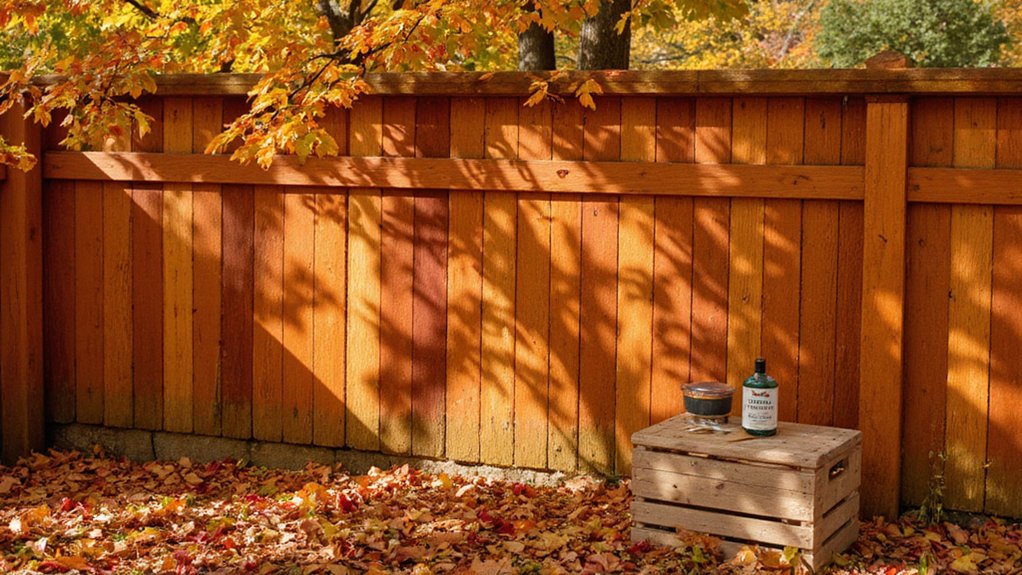
Each season brings different needs.
Spring is ideal for cleaning and general inspection. Remove debris and look for damage from winter moisture.
Summer allows time for repairs and sealing since dry weather helps treatments cure properly.
Fall inspections focus on stability. Tighten boards and hardware before colder weather arrives.
Winter care is simple. Keep snow and ice from building up along the fence line whenever possible.
Identifying Urgent Issues With Your Wood Fence
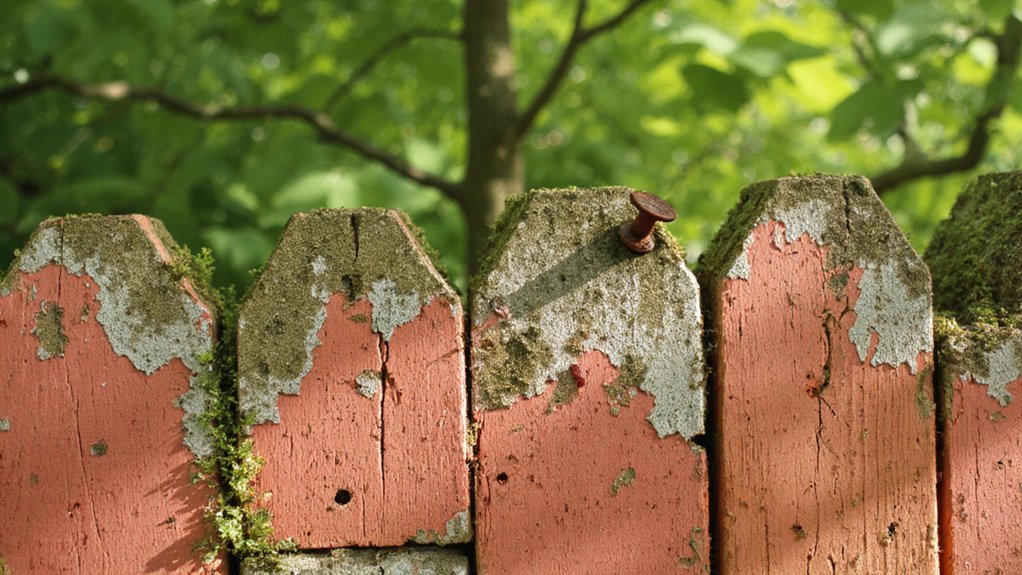
Some problems need attention right away. Ignoring them often leads to larger repairs.
Visible Rot Or Decay
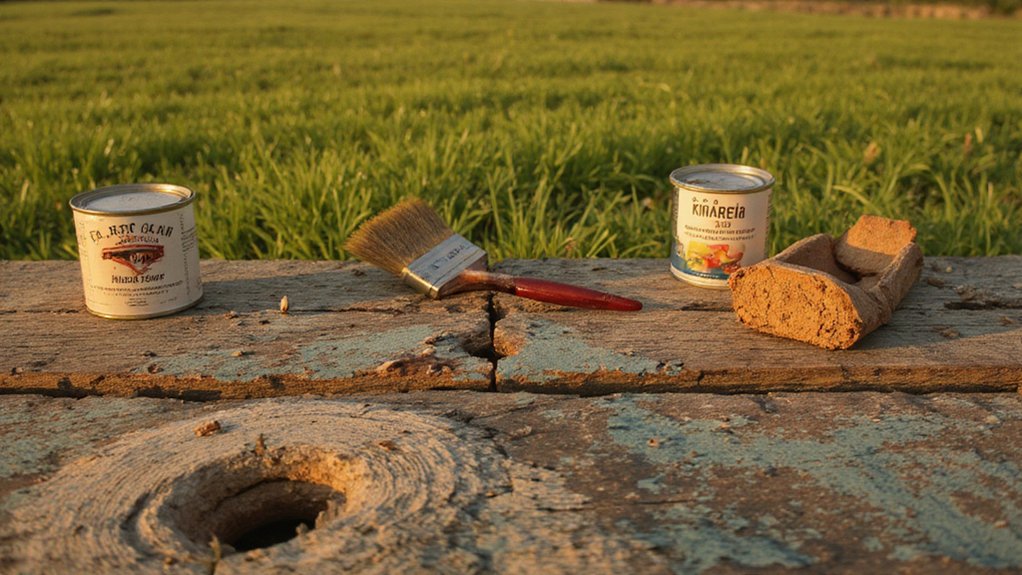
Rot shows up as soft wood, dark discoloration, or crumbling areas. These spots weaken the fence quickly.
Remove affected boards as soon as possible. Treat nearby wood to prevent spread.
Loose Or Missing Boards
Loose boards allow movement that stresses posts and fasteners. Push gently on each section during inspections.
Secure loose boards and replace missing ones promptly to maintain strength and appearance.
Signs Of Insect Damage
Small holes, sawdust-like material, or soft wood may point to insect activity.
Check closely around posts and shaded areas. Early action helps prevent widespread damage.
DIY vs. Professional Maintenance: Making the Right Choice?
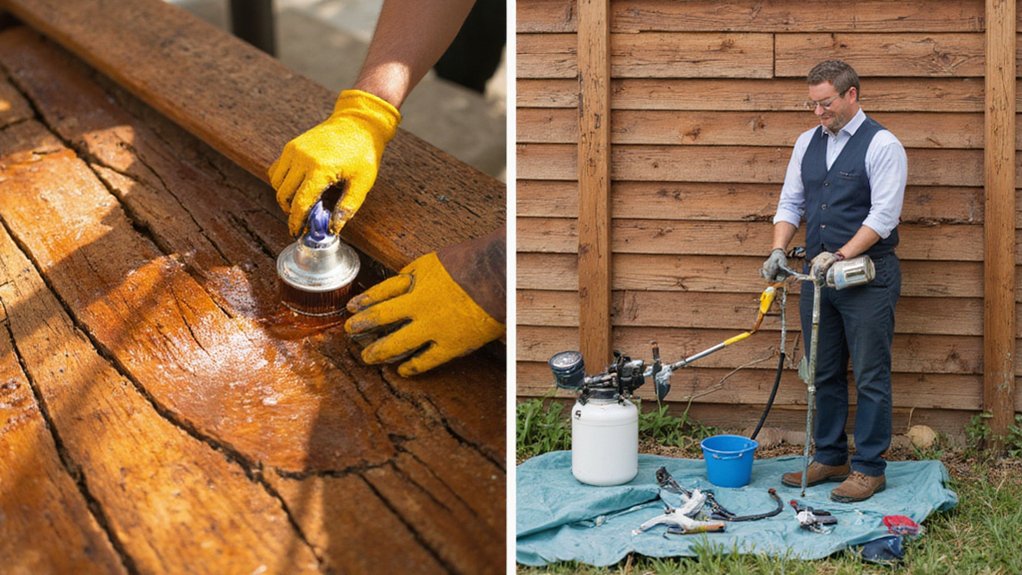
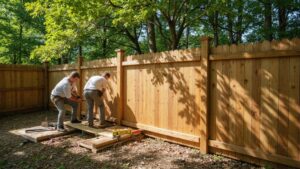
Simple tasks like cleaning, staining, and tightening hardware work well as DIY projects for many homeowners handling wood fence maintenance.
Larger repairs, post replacement, or pest treatment may require professional help. Experience and proper tools matter for these jobs.
Time is another factor. DIY work saves money but takes effort. Hiring help can be a better option if the project feels overwhelming.
Budgeting for Wood Fence Maintenance and Treatments
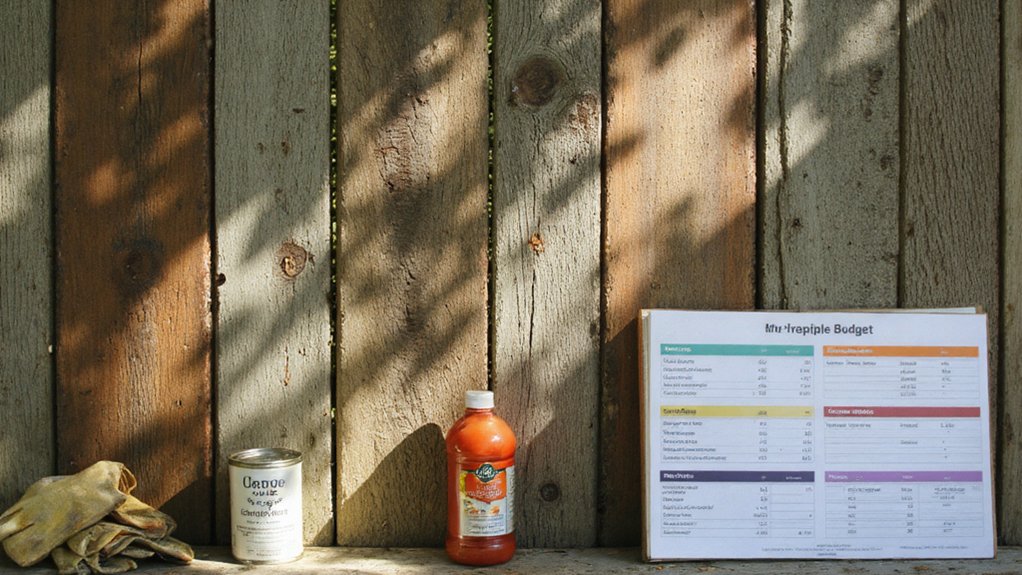
Planning ahead makes fence care more manageable.
Account for cleaning supplies, stains, sealants, and possible repairs. DIY projects lower labor costs, while professional work trades money for time.
Buying materials in larger quantities can reduce overall cost. Setting aside a small annual amount helps cover unexpected repairs without stress.
Frequently Asked Questions
Can I Use Regular Paint on My Wood Fence?
Regular paint traps moisture inside the wood. Fence stains and wood-specific paints allow the wood to breathe and last longer.
What Types of Wood Are Best for Fences?
Cedar resists decay and insects naturally. Pressure-treated wood also performs well when maintained regularly.
How Do I Prevent Wood Rot in My Fence?
Keep moisture away from the wood. Use sealants or stains and make sure water drains away from posts.
Are There Specific Tools Needed for Wood Fence Maintenance?
Basic tools include brushes, a power washer, safety gear, and wood treatments designed for outdoor use.
How Can I Enhance the Appearance of My Wood Fence?
Cleaning followed by staining improves appearance while protecting the wood from weather damage.
Conclusion
Maintaining a wood fence takes steady attention, not constant effort. Regular inspections, seasonal cleaning, and timely treatment protect both appearance and structure. Addressing small issues early prevents larger repairs later. Whether you handle care yourself or hire help, consistent maintenance keeps your fence strong and attractive for years.