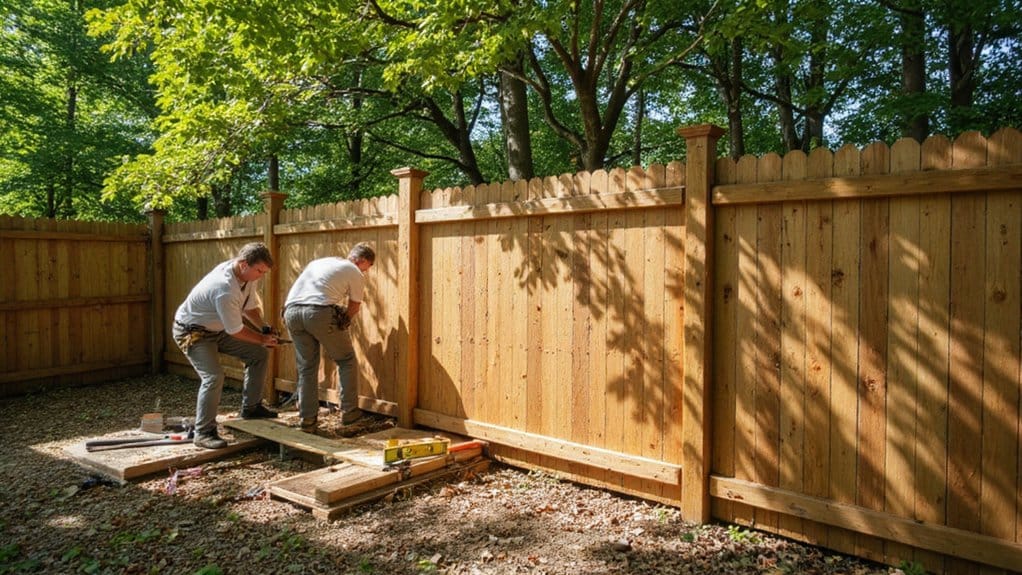
When you’re searching for fence installers, experience and practical knowledge should sit at the top of your list. Installing a fence may seem straightforward, but the process involves much more than placing posts in the ground.
The right installer understands different fence materials, local building rules, soil conditions, and layout planning. They also know how to avoid common mistakes that lead to unstable fencing or costly repairs later.
Finding a contractor who checks all these boxes takes a little research. When you know what to look for, it becomes much easier to sort through the options and choose someone who will handle the job properly from start to finish.
Key Takeaways
- Confirm the installer holds proper licensing and insurance that meets local requirements.
- Look for installers with hands-on experience working with multiple fence types.
- Ask for a clear quote that separates material costs and labor costs.
- Read customer reviews and speak with previous clients if possible.
- Check if the company offers post-installation maintenance or support services.
Why Experience Matters in Choosing Fence Installers
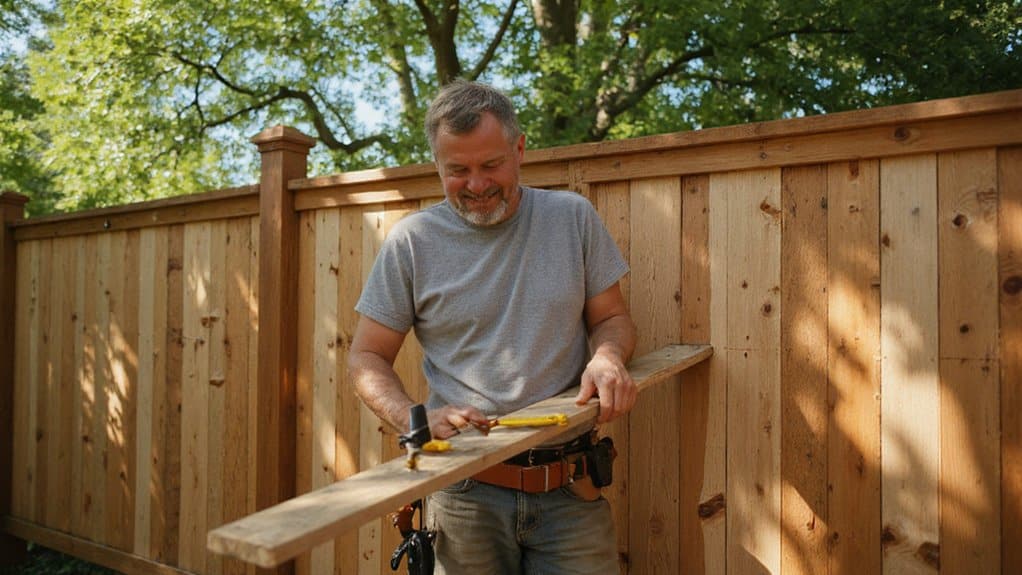
Experience plays a major role when selecting fence installers. A contractor who has spent years working on different projects has likely handled a wide range of site conditions and installation challenges.
Every property is different. Soil composition, ground slope, drainage patterns, and weather conditions can all affect how a fence should be installed. Installers with practical field experience know how to adjust their methods so the fence remains stable and long lasting.
They also tend to work more efficiently. Instead of guessing or experimenting during the job, experienced installers already know the steps needed to complete the project properly.
Another benefit is planning accuracy. A seasoned installer can estimate realistic project timelines and anticipate potential obstacles before work begins. That helps avoid unexpected delays and keeps the installation moving forward smoothly.
For homeowners, this experience often translates into better results, stronger fencing, and fewer surprises along the way.
Checking Licensing and Insurance for Your Installer
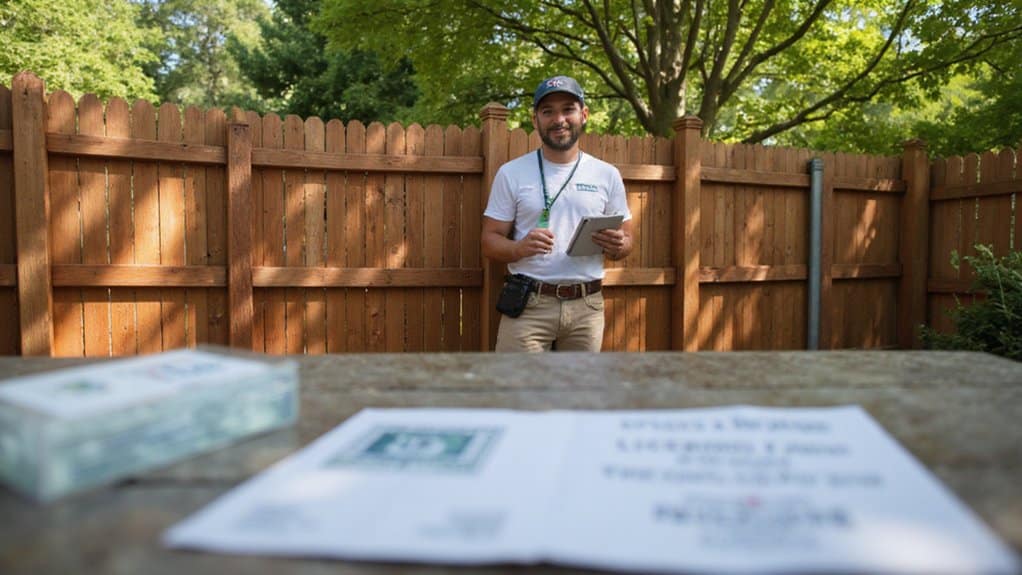
Licensing and insurance are two details many homeowners forget to verify. Both matter more than most people realize.
A licensed installer has met the requirements set by local authorities. This usually means the contractor understands building codes, fencing regulations, and property boundary rules in your area.
These regulations can cover things like fence height limits, placement near sidewalks, and distance from neighboring properties. Hiring someone familiar with these rules reduces the chance of legal issues later.
Insurance protects both you and the contractor during the installation process. If a worker is injured or property damage occurs while the job is underway, insurance helps cover those costs.
Before signing a contract, ask to see proof of licensing and insurance documents. Reputable installers are accustomed to providing this information and will share it without hesitation.
Taking a few minutes to confirm these credentials can prevent serious problems down the road.
What Types of Fences Do Installers Specialize In?
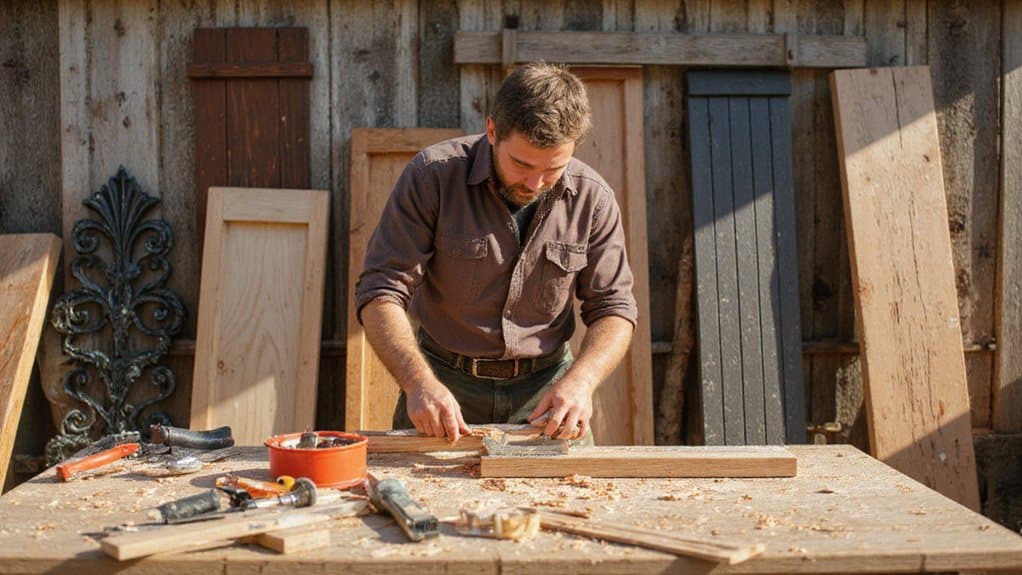
Fence installers often specialize in certain materials or styles. Knowing what options exist will help you choose someone with the right background for your project.
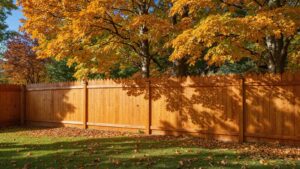
Wood fences remain a popular choice for homeowners who want a traditional look. They can be customized easily and blend well with most landscapes.
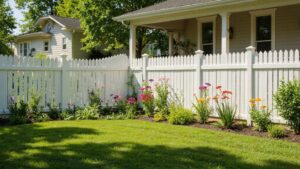
Vinyl fencing has gained attention for its low maintenance requirements. It resists rot, insects, and moisture, which makes it appealing for long term durability.
Chain link fences are often selected for affordability and practicality. They work well for enclosing large areas, gardens, or properties that require simple security.
Ornamental fencing adds decorative character while still providing a barrier. These designs often use metal materials such as aluminum or wrought iron.
Electric fencing is sometimes installed for livestock areas or properties that require added security.
Composite fencing combines recycled wood fibers and plastic materials. This option delivers the look of wood while resisting many of the maintenance concerns that come with natural lumber.
Privacy fences and security fences focus on creating a protected space. These styles are often taller and built with solid panels to block outside visibility.
When speaking with installers, ask which fence types they work with most frequently. Their experience with a specific material can make a noticeable difference in the final result.
How to Understand Fence Installation Pricing
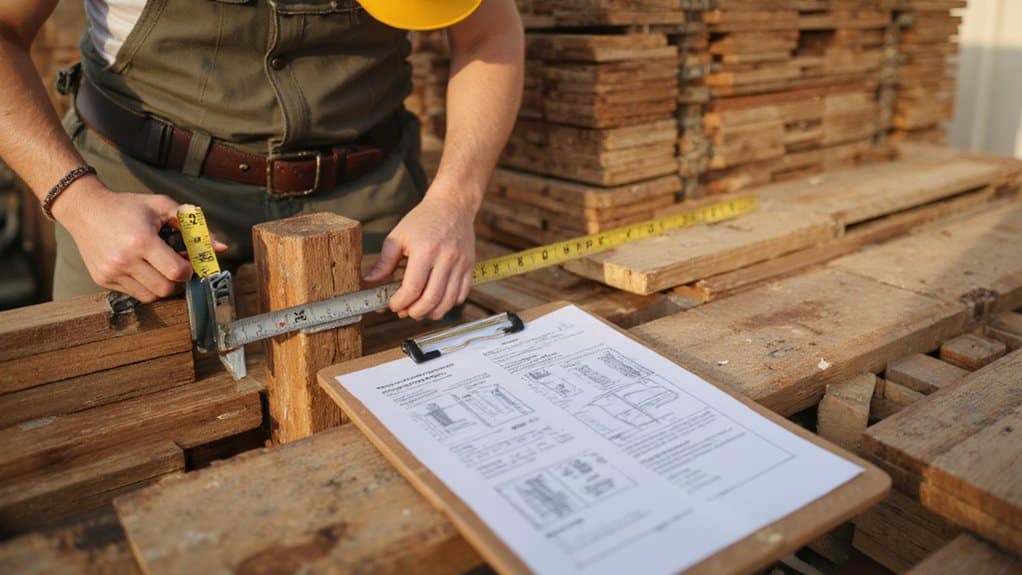
Fence installation costs can vary widely. The final price depends on several factors, including materials, labor, terrain conditions, and the total length of the fence.
Understanding how quotes are structured helps you evaluate proposals more clearly.
Most installation estimates break down into two major categories. These include material expenses and labor charges.
Looking at these components separately allows you to see exactly where your money is going.
Material Costs Breakdown
Material selection often has the biggest influence on overall pricing.
Wood fencing usually sits on the lower end of the price range at the beginning. Still, it may require periodic sealing, staining, or repairs over time.
Vinyl fencing tends to cost more up front. The tradeoff is that it needs far less upkeep once installed.
Metal fencing varies quite a bit. Chain link remains one of the most affordable metal options, while wrought iron is typically much more expensive due to its durability and decorative appearance.
You may also encounter extra costs for coatings, protective treatments, or upgraded hardware. These small additions can improve the lifespan of your fence but may raise the final bill slightly.
Comparing materials carefully helps you decide which option fits both your budget and maintenance preferences.
Labor Charges Explained
Labor represents the second major part of a fencing quote.
Installation pricing depends on factors such as fence height, material type, property layout, and the amount of site preparation required.
For example, rocky soil or uneven terrain may require additional work before posts can be installed properly.
When reviewing quotes, look for clear separation between labor costs and material costs. This level of transparency makes it easier to compare different installers.
Also ask about possible additional charges. Site clearing, old fence removal, and post-hole adjustments may add to the final price.
While experienced installers sometimes charge higher labor rates, their work often reduces the risk of repairs later.
Open conversations about pricing usually lead to smoother projects and fewer surprises once work begins.
The Importance of Customer Reviews and References
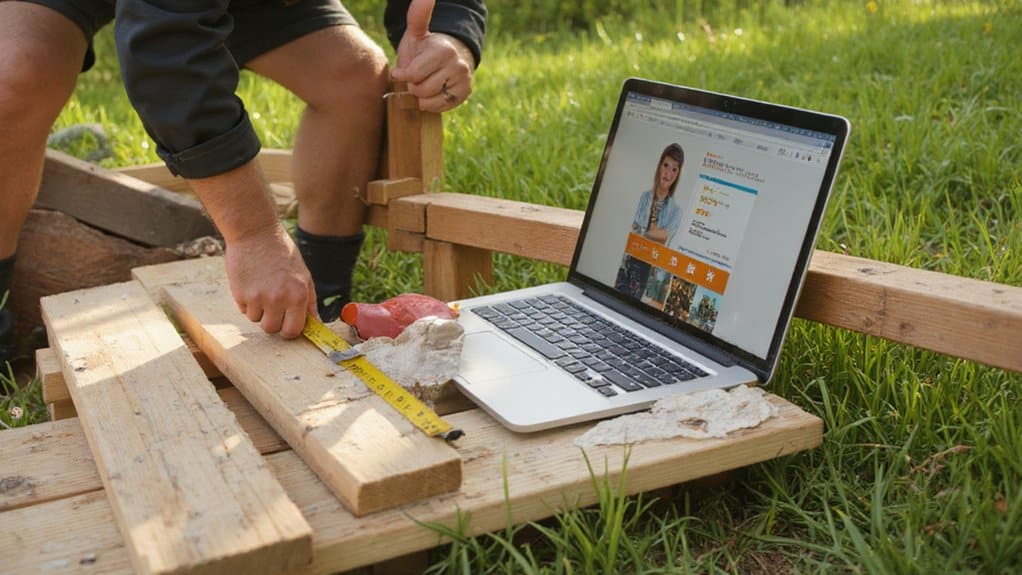
Customer feedback can reveal details that quotes and sales conversations might not show.
Online reviews give you a glimpse into the experiences of previous clients. They often mention how the installer handled scheduling, communication, and problem solving during the project.
Pay attention to recurring themes. If many reviewers mention punctual crews, clean worksites, and professional behavior, that usually reflects consistent service.
Negative feedback also provides useful clues. Complaints about unfinished work, missed deadlines, or poor communication may signal issues worth considering.
Speaking directly with past clients can be even more helpful. When installers provide references, take the opportunity to ask about their overall experience.
Questions about project timelines, workmanship, and customer service can offer practical insights that help you make a confident decision.
Evaluating Workmanship and Quality Standards
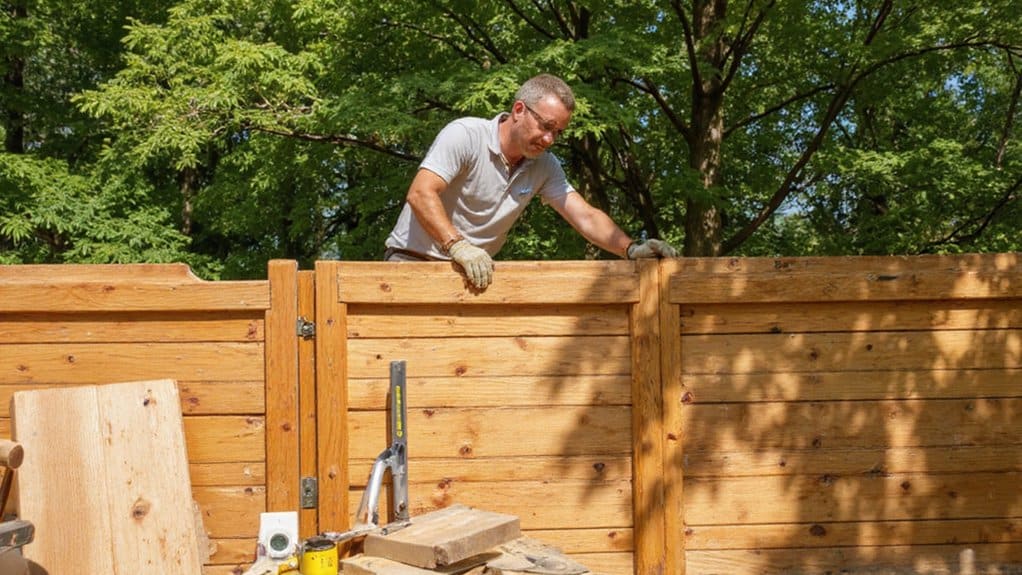
Workmanship often separates average installers from excellent ones.
Start by asking to see photos of previous projects or examples of completed fencing. Strong craftsmanship usually appears in clean lines, evenly spaced posts, and secure panel connections.
You can also ask about the materials used during installation. Quality components such as treated posts, strong fasteners, and proper concrete footing support the fence structure over time.
Another useful indicator is warranty coverage. Contractors who stand behind their work are often willing to offer warranties on installation.
Attention to detail matters as well. Installers who carefully measure spacing, align panels correctly, and check post depth show commitment to doing the job right.
These details might not seem dramatic at first glance, but they often determine how well your fence holds up years later.
What to Expect From Your Fence Installation?
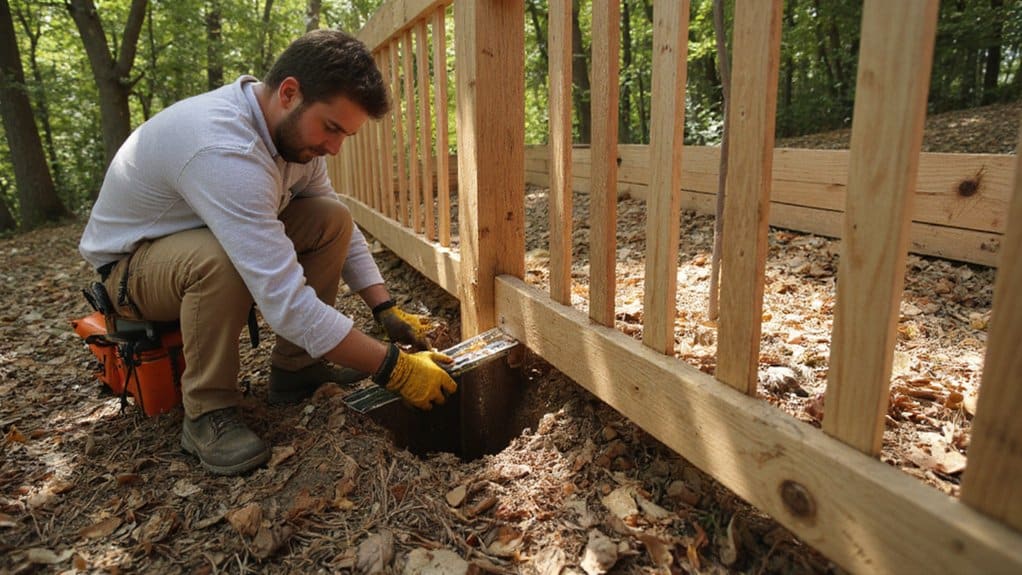
Knowing what happens during installation helps you prepare for the project.
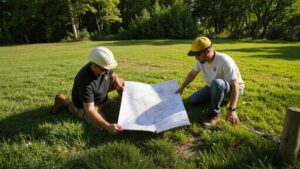
The process usually begins with a consultation where the installer reviews your property and discusses design preferences. This step helps confirm the fence style, layout, and measurements.
After agreeing on the design, the installer schedules the project and provides an estimated timeline. Weather conditions, material delivery, and ground preparation can influence the schedule.
On installation day, the crew typically arrives with equipment needed for digging post holes, setting posts, and securing panels.
Clear communication during the project helps everything run smoothly. If questions come up during installation, discussing them right away prevents misunderstandings.
Once the work is finished, the installer may review the completed fence with you and explain basic maintenance steps.
Before long, your new fence becomes part of the property, improving both privacy and visual appeal.
Ensuring Excellent Aftercare and Maintenance Support
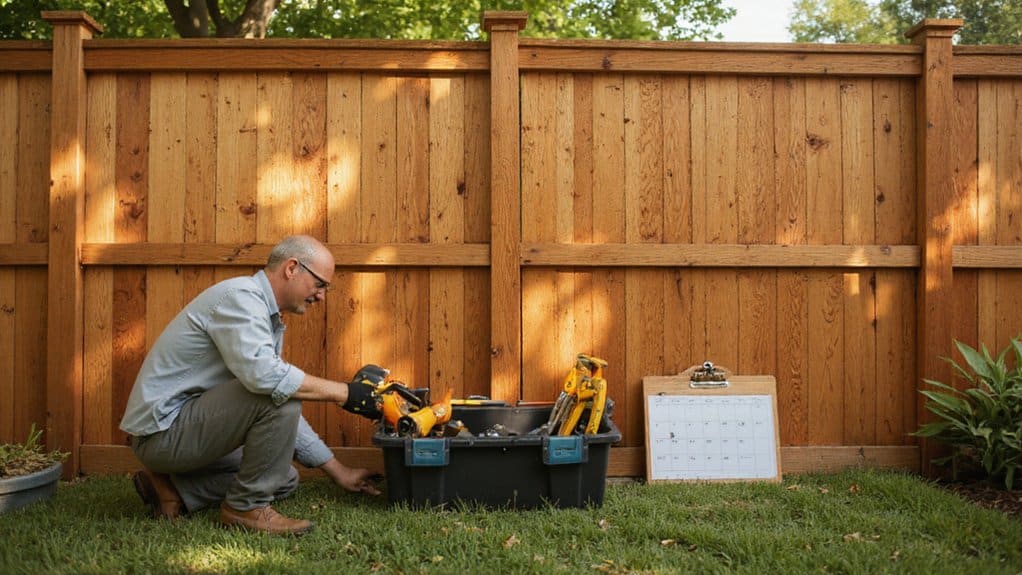
Fence installation is only part of the long term picture. Proper maintenance helps keep the structure in good condition for years.
Some installers offer aftercare services that include inspections, adjustments, or minor repairs after the initial installation.
Regular checkups can catch small issues early. Loose boards, shifting posts, or worn hardware are easier to fix before they become larger problems.
You can also ask installers for maintenance guidance specific to your fence material. Wood fences may require sealing or staining, while vinyl fencing usually needs simple cleaning from time to time.
Choosing a contractor who offers post-installation support gives you added peace of mind.
It also helps protect the investment you made in your property.
Frequently Asked Questions
How Long Does the Fence Installation Process Typically Take?
Most fence installations take between one and three days. The exact timeline depends on the fence type, property size, ground conditions, and crew size.
Are There Any Warranties on the Installed Fences?
Many installers offer warranty coverage for their workmanship. Some materials also come with manufacturer warranties. Always ask about the terms before starting the project.
Do Installers Provide a Detailed Contract Before Starting Work?
Professional installers normally provide a written contract. This document outlines project scope, materials, costs, timelines, and payment terms.
What Payment Options Are Available for Fence Installation Services?
Payment options may include credit cards, bank transfers, or checks. Some companies also offer financing plans that allow homeowners to spread out the cost.
Can I Request a Consultation Before Choosing an Installer?
Yes, consultations are common. They allow installers to inspect the property, discuss design ideas, and provide accurate estimates based on your needs.
Conclusion
Choosing the right fence installer takes careful consideration. Experience, proper licensing, and clear pricing all play an important role in selecting a contractor you can trust.
Customer reviews and past project examples can also reveal a great deal about an installer’s work quality and professionalism.
When you combine these factors with good communication and reliable aftercare support, the result is a fence that serves your property well for many years.
Taking the time to choose the right installer helps ensure your fencing project is completed smoothly and built to last.