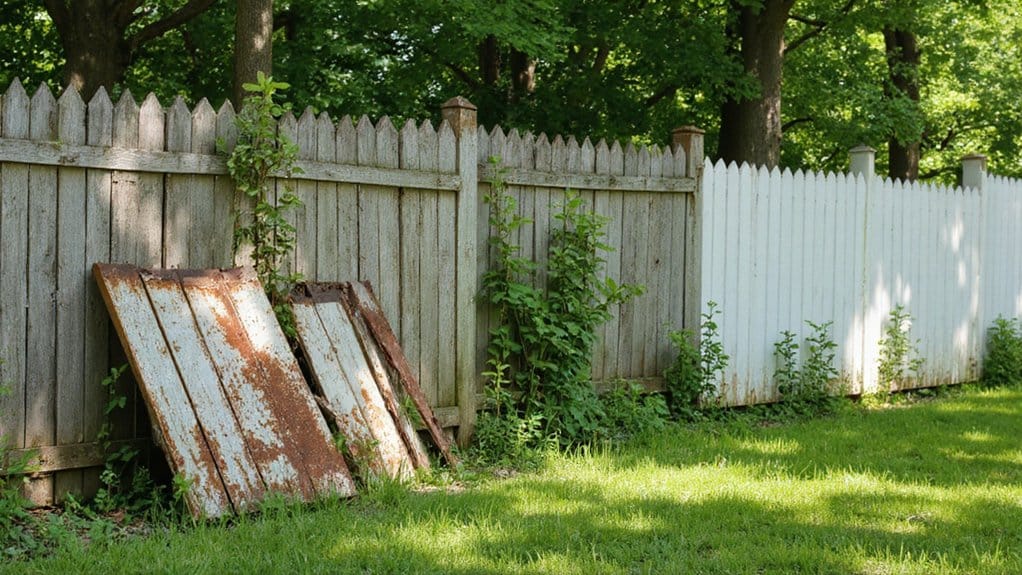
When it comes to maintaining your property, knowing when to replace a fence instead of repairing it can save time, money, and frustration. Small problems can often be fixed with a quick repair. But when damage keeps coming back or the structure begins to fail, repairs may only delay the inevitable.
A fence plays several roles. It defines property boundaries, adds privacy, and contributes to the overall look of a home. When it starts to weaken, those benefits slowly fade. The challenge is knowing when a repair is still worth the effort and when a full replacement makes more sense.
Looking at the extent of the damage, the age of the fence, and how often it needs attention can help guide that decision.
Key Takeaways
- Replace the fence if more than 30 percent shows serious wear or structural damage.
- Frequent repairs often cost more over time than installing a new fence.
- Older fences nearing the end of their material lifespan are better replaced.
- Rot, rust, severe warping, and leaning sections usually signal deeper problems.
- A worn fence can affect both property appearance and home security.
Signs Your Fence Is Beyond Repair
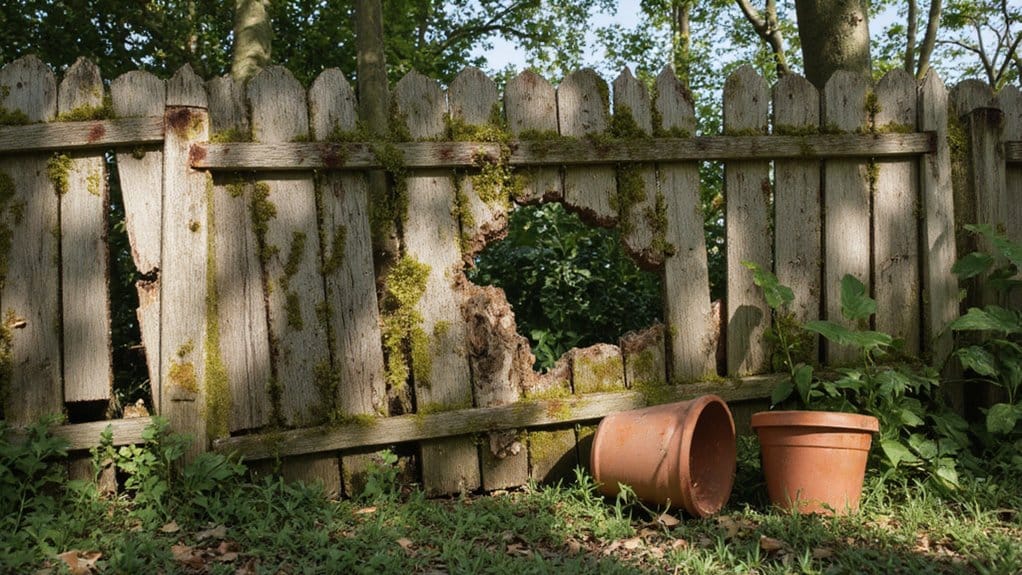
A fence rarely fails overnight. Most of the time it slowly deteriorates. Small cracks turn into splits. Posts loosen. Panels begin to lean. Paying attention to early warning signs makes it easier to decide whether repair is still realistic.
Start with a close visual inspection. Walk along the fence line and look for heavy rot, especially near the base of wooden posts. Moisture collects there and gradually weakens the structure. When rot spreads across multiple sections, replacing individual boards may not solve the problem.
Metal fences show different symptoms. Rusted posts or corroded fasteners can weaken joints and connections. Once rust spreads deeply into the metal, stability becomes difficult to restore.
Leaning sections are another strong warning sign. A fence that tilts usually points to failing posts or unstable soil around the base. Resetting a single post can help, but if several posts lean in different directions, the structural support may already be compromised.
You should also watch for repeated panel breakage. A few damaged boards are easy to replace. But when panels keep cracking or detaching, the frame itself may be wearing out.
In situations like these, repairs start turning into temporary patches. At that point, replacing the fence usually saves more effort and expense in the long run.
Repair Vs. Replace: Cost Comparison
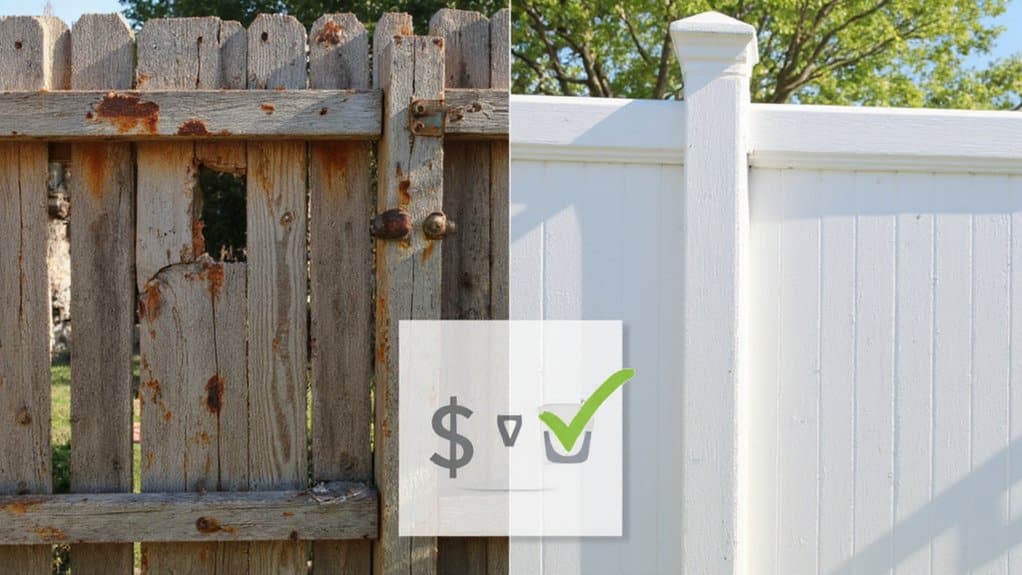
One of the biggest factors homeowners consider is cost. Repairs may appear cheaper at first glance. Yet the full picture often becomes clearer after looking at long term maintenance.
Initial Repair Costs
Repairing a fence can feel like the easier option, especially when damage seems limited. Replacing a few boards, tightening loose hardware, or reinforcing a post may cost far less than installing an entirely new fence.
For fences with minor wear, repairs can extend their life by several years. Small fixes also work well when the rest of the structure remains stable.
Problems start when damage spreads across multiple sections. Materials, labor, and repeated maintenance visits can quickly add up. What began as a simple repair may slowly become a cycle of ongoing fixes.
In those cases, the money spent on repairs might eventually exceed the price of a full replacement.
Long Term Maintenance Expenses
Short term repairs often hide deeper structural issues. A replaced panel may look good today, but if surrounding posts or rails are already weakened, other sections may soon follow.
Homeowners sometimes find themselves repairing a different part of the fence every year. Over time those repeated costs grow.
A newly installed fence usually requires far less attention during its early years. Materials such as vinyl, treated wood, or aluminum are designed to handle weather and daily wear with minimal upkeep.
For properties dealing with constant repairs, replacing the fence can reduce ongoing maintenance and unexpected expenses.
Value Addition Consideration
A fence also contributes to how a property looks from the outside. When panels are mismatched or repairs leave visible patches, the fence may start to look uneven.
Fresh installation restores a clean, consistent appearance. This can improve curb appeal and make the property feel more finished.
If you plan to sell the home later, a well maintained fence can also make a stronger impression on potential buyers. In many cases, that visual improvement alone helps justify the investment.
Evaluating Your Fence’s Age
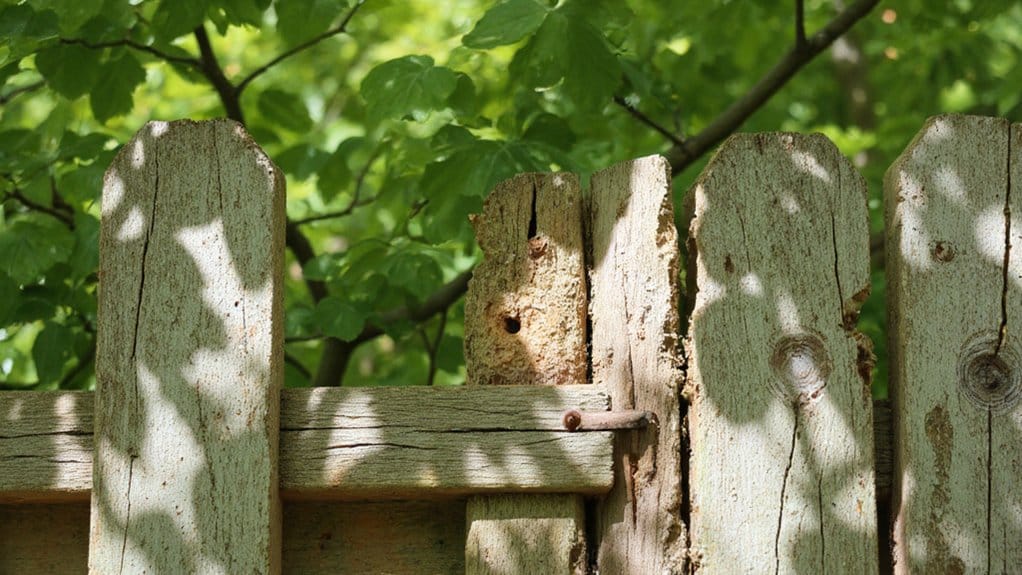
Every fencing material has a typical lifespan. Understanding how old your fence is can give helpful context when deciding between repairs and replacement.
Material Lifespan Expectations
Different materials age at different speeds.
Wood fences, for example, vary widely depending on the type of wood and how well they are maintained. Untreated pine may last around five to ten years. Cedar fences can last closer to fifteen years when properly sealed and maintained.
Vinyl fencing tends to last much longer. Many installations remain in good shape for twenty to thirty years with minimal care.
Metal fences also offer long lifespans, though they depend on protective coatings that prevent rust.
If your fence is approaching the upper end of its expected lifespan, repairs may offer only temporary relief. Replacing the structure may be the better investment at that stage.
Signs of Deterioration
Age alone does not always determine the outcome. Condition matters just as much.
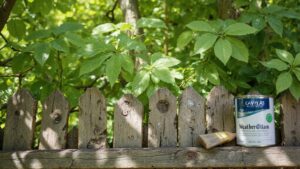
Look closely for signs of deterioration such as sagging rails, spongy wood, cracked posts, or peeling paint. These symptoms often show that materials are breaking down internally.
Press gently against suspect areas. If the wood feels soft or crumbles easily, rot may already be spreading through the board.
Metal fences should be inspected for flaking coatings or rust patches. Left untreated, corrosion gradually eats through the material and weakens joints.
When deterioration appears across large sections of the fence, replacement becomes a safer long term solution.
How to Evaluate Fence Damage for Repair or Replacement
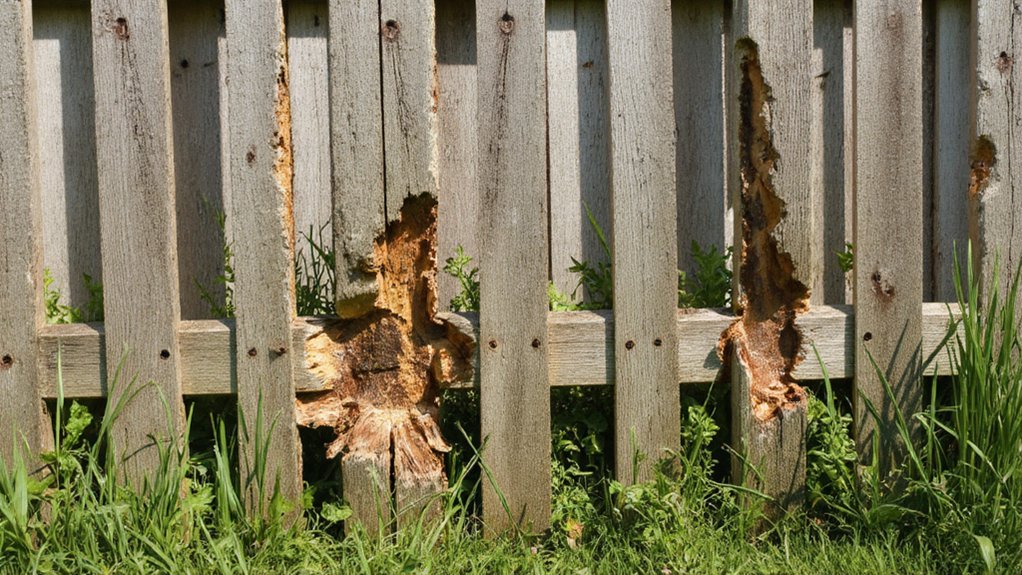
A simple inspection routine can help you assess the true condition of your fence.
Start by walking the entire perimeter. Check every post, rail, and panel carefully. Look for visible damage such as cracks, missing fasteners, warped boards, or rust spots.
Next, check the stability of the structure. Push lightly on posts and panels. A well secured fence should remain firm. If sections wobble or move easily, the foundation may be weakening.
Another helpful guideline involves measuring how much of the fence shows serious wear. If more than about thirty percent requires repair, replacing the entire fence may become more practical.
Also take the age of the fence into account. Older fences that already show structural problems will likely continue to deteriorate.
Combining these observations usually gives a clear direction on whether repairs will hold up or if a replacement offers a more lasting solution.
Does Weather Affect Your Fence’s Longevity?
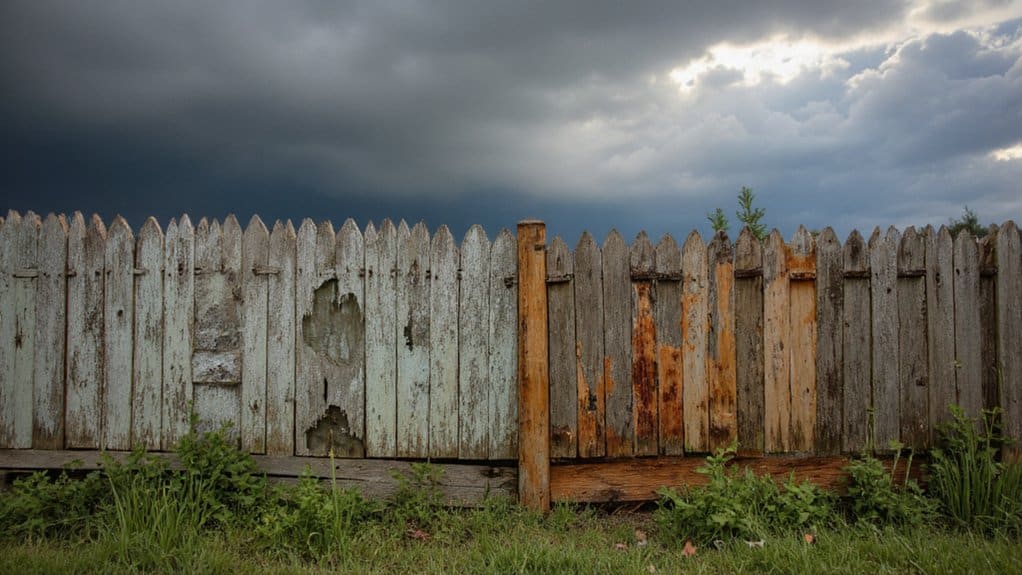
Weather plays a major role in how long a fence lasts.
Constant exposure to rain, sun, wind, and temperature changes slowly breaks down most building materials. The impact varies depending on what the fence is made from.
Wood fences absorb moisture during rainy periods. When that moisture remains trapped, it can lead to swelling, warping, and rot. Hot sunlight can also dry the wood, causing cracks and splitting.
Vinyl fences resist moisture better than wood, but prolonged sunlight may cause fading or brittleness over time.
Metal fences face a different challenge. Without protective coatings, water and oxygen can create rust that gradually weakens the metal.
Seasonal changes also affect the ground surrounding fence posts. Soil expansion and contraction may loosen posts, leading to leaning sections.
Regular inspections help catch these problems early. Yet fences exposed to harsh weather year after year may eventually require replacement despite proper care.
Advantages of Getting a New Fence
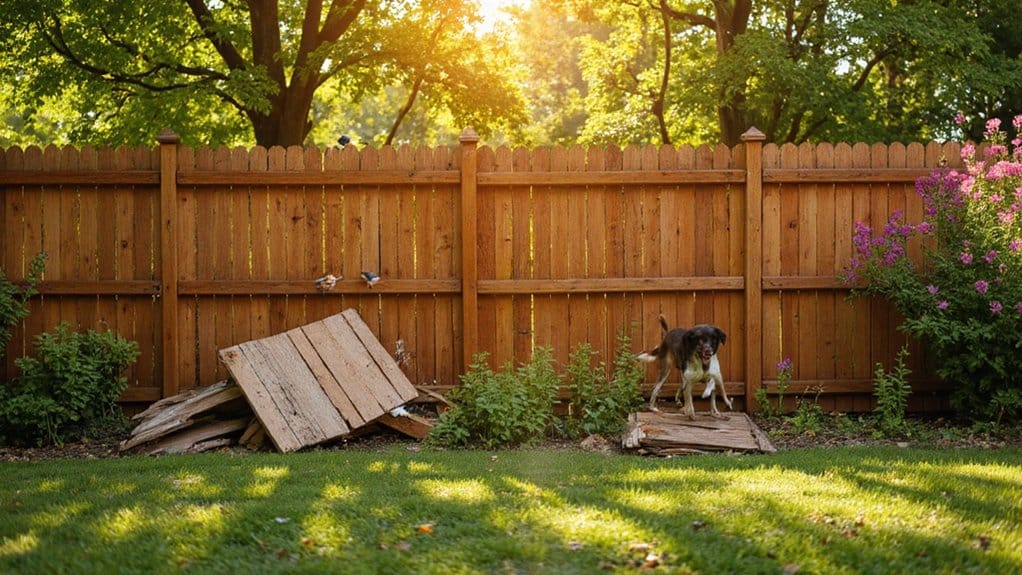
Installing a new fence can bring several practical benefits.
One noticeable improvement is appearance. A new fence creates a clean boundary around the property and often complements the home’s design and landscaping.
Security can also improve. Sturdy posts, intact panels, and modern materials provide a stronger barrier than aging structures that have begun to weaken.
New fencing materials are also built to last longer and require less maintenance. Many options resist rot, insects, and weather exposure better than older materials.
This means fewer repairs, less upkeep, and more peace of mind for homeowners.
Over time, these advantages often make replacement a practical long term choice.
Choosing the Right Type of Replacement Fence for Your Property
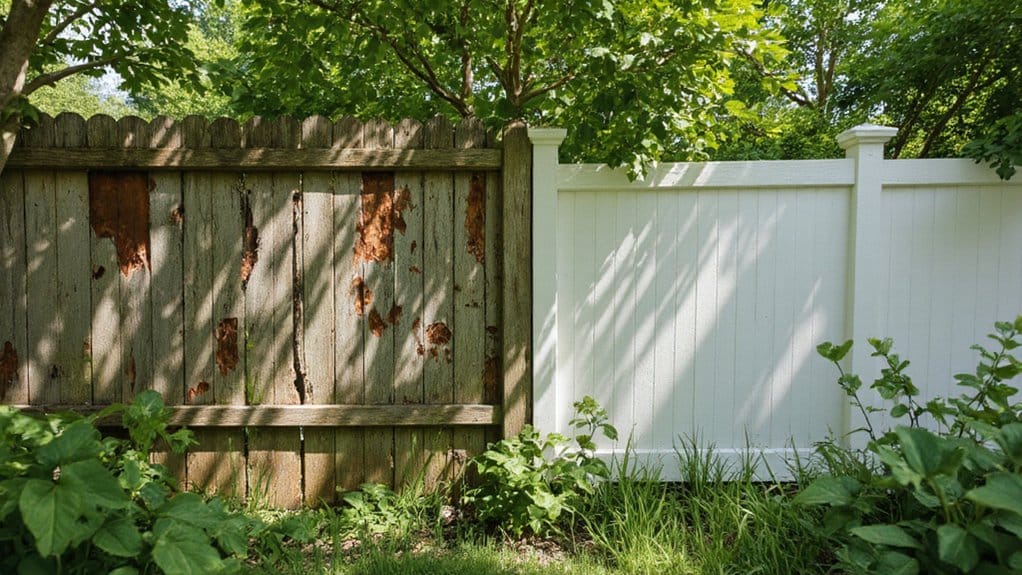
Choosing a new fence involves more than picking a style. The material, design, and purpose all play a role.
Wood fences remain a popular option for homeowners who want a classic appearance. They offer natural beauty but require regular sealing or staining to maintain their condition.
Vinyl fences appeal to those looking for low maintenance. They resist moisture and insects, and they typically maintain their appearance for many years.
Metal fencing, including aluminum or wrought iron, provides strength and security. These options work well for homeowners who want durability and a more decorative appearance.
Some homeowners also prefer chain link fencing for its durability, affordability, and ability to secure larger areas without blocking visibility.
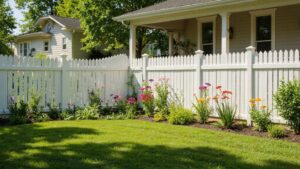
It also helps to think about how the fence fits into the surrounding property. A traditional picket fence may suit older homes, while horizontal designs often match modern architecture.
Before installing a new fence, check local building codes and neighborhood guidelines. Some areas have height restrictions or design rules that homeowners must follow.
Balancing function, appearance, and local requirements will help you select a fence that works well for your property.
Frequently Asked Questions
How Long Does It Typically Take to Replace a Fence?
Most fence replacements take between one and three days. The exact timeline depends on the size of the yard, the type of fence being installed, and weather conditions during the project.
Can I Replace My Fence Myself or Hire a Professional?
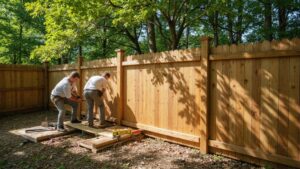
Homeowners with the right tools and experience can install a fence themselves. That said, larger projects or complex layouts may benefit from professional installation to make sure posts are properly aligned and secured.
What Materials Are Best for a Long-Lasting Fence?
Vinyl, aluminum, and treated wood are popular choices for durability. Each offers different benefits, so the right option depends on your priorities for appearance, maintenance, and budget.
How Do I Dispose of an Old Fence Properly?
Old fencing materials can often be taken to local recycling centers or waste facilities. Some contractors also handle removal and disposal as part of the installation service.
Are There Permits Required for Fence Replacement?
Many cities require permits for fence replacement, especially when height or location changes. Checking local regulations before starting the project can prevent delays or fines.
Conclusion
Deciding whether to repair or replace a fence comes down to a few clear factors. Look closely at the extent of the damage, the age of the structure, and how often repairs are needed.
Minor issues can often be fixed quickly. But when damage spreads across large sections or repairs keep repeating, replacing the fence usually becomes the smarter option.
A new fence restores security, improves appearance, and reduces ongoing maintenance. For many homeowners, that fresh start provides a stronger and longer lasting solution.