Choosing a fence in Canada is not as simple as picking a style you like. Weather plays a huge role in how long a fence lasts and how well it holds up over time. Cold winters, deep frost, heavy snow, spring thaw, summer humidity, and strong winds all put pressure on fencing materials in different ways.
The right fence should do more than look good. It should stay upright after a long winter, resist moisture through humid summers, and avoid becoming a yearly repair project. What works well in one province may struggle in another, so climate and location matter just as much as appearance.
This guide walks through how Canadian weather affects fencing, which materials handle those conditions best, and what to think about before making a decision. The goal is to help you choose something that fits your property, your climate, and the amount of upkeep you are comfortable with.
Identifying Your Fencing Needs in Canadian Weather Conditions
Before looking at materials, it helps to be clear about what you need your fence to do. Some homeowners want privacy. Others focus on security, pet safety, or marking property lines. These priorities shape the type of fence that will work best.
Climate should guide those choices. In areas with long winters and heavy snowfall, fences need to handle weight and moisture without shifting or cracking. Regions with frequent freeze and thaw cycles need posts that stay secure in moving ground.
Think about wind exposure as well. Open rural areas or properties near water often deal with stronger gusts, which can push solid fence panels over time. Fence height, spacing, and anchoring all matter here.
Maintenance is another piece of the puzzle. Some materials need regular care to stay in good shape, while others hold up with very little attention. Knowing how much time you want to spend on upkeep helps narrow the options.
Understanding Canadian Weather and Its Impact on Fencing
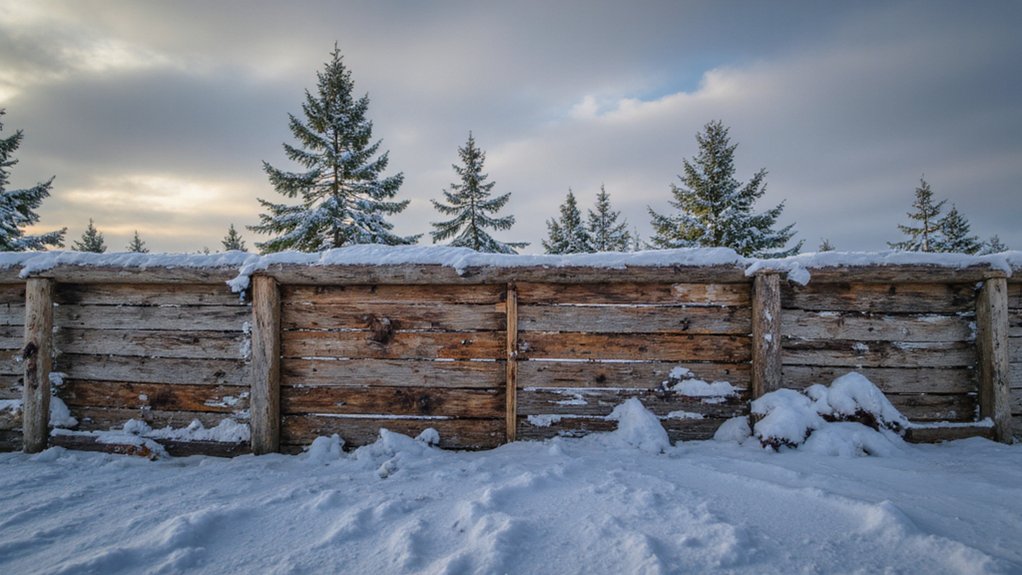
Canada’s climate is tough on outdoor structures. Winter brings deep frost, snow buildup, and ice. Spring often adds excess moisture as snow melts and the ground shifts. Summer can bring heat and humidity, while fall introduces wind and rapid temperature changes.
One of the biggest challenges for fences is frost heave. As the ground freezes, it expands and pushes fence posts upward. When it thaws, the soil settles unevenly. Over time, this movement can tilt or loosen posts if they are not set deep enough.
Moisture is another constant concern. Snow sitting against fence boards, rain soaking into wood, and humid air can all lead to rot, swelling, or corrosion depending on the material.
Temperature swings also matter. Materials expand and contract as temperatures change. Some handle this movement better than others. Choosing materials designed for outdoor use in cold climates helps reduce cracking, splitting, and long-term damage.
Evaluating the Best Fence Types for Harsh Canadian Winters
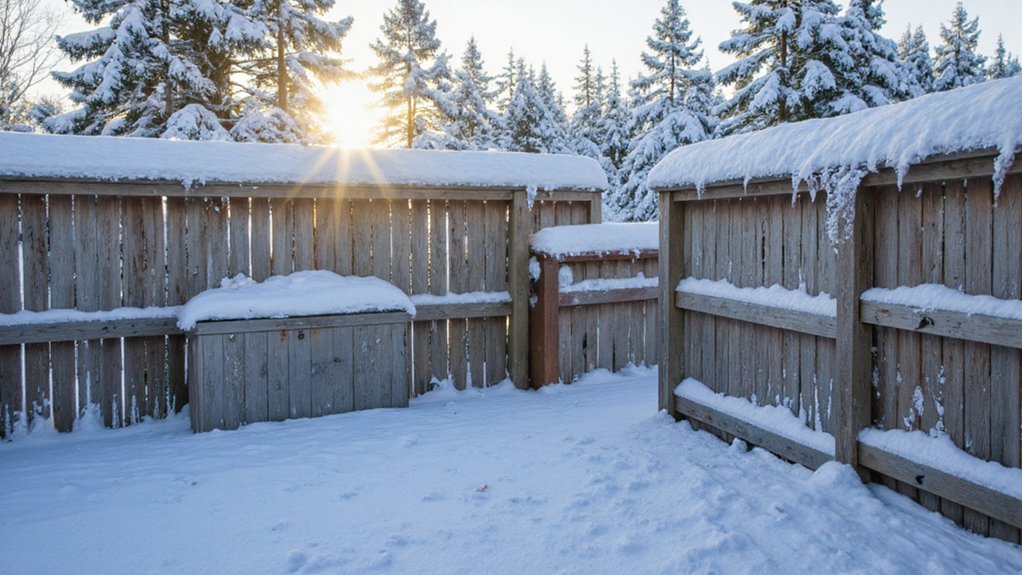
Winter is often the most demanding season for fences. Snow weight, ice buildup, and frozen ground test both materials and installation methods. A fence that performs well in winter usually lasts longer overall.
Material Durability Considerations
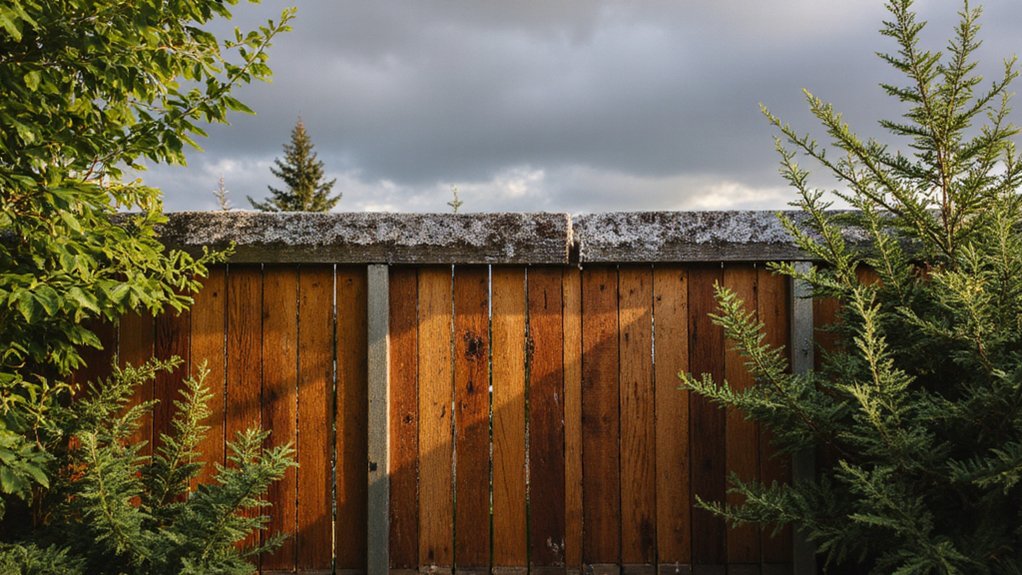
Cold temperatures affect materials in different ways. Wood can absorb moisture and then freeze, which leads to cracking or splitting over time. Pressure-treated lumber and naturally rot-resistant woods like cedar handle these conditions better than untreated wood.
Metal fences offer strength and stability, but they are not immune to winter issues. Road salt, moisture, and ice can speed up corrosion if the metal is not protected. Galvanized or powder-coated finishes help slow rust and keep the fence looking clean.
Vinyl fences remain popular in cold regions because they do not absorb moisture. High-quality vinyl is designed to resist cracking in low temperatures. Cheaper vinyl may become brittle, so material quality matters.
Durability depends on both material choice and how well the fence is installed. Even strong materials can fail if posts are shallow or poorly anchored.
Snow Load Resistance
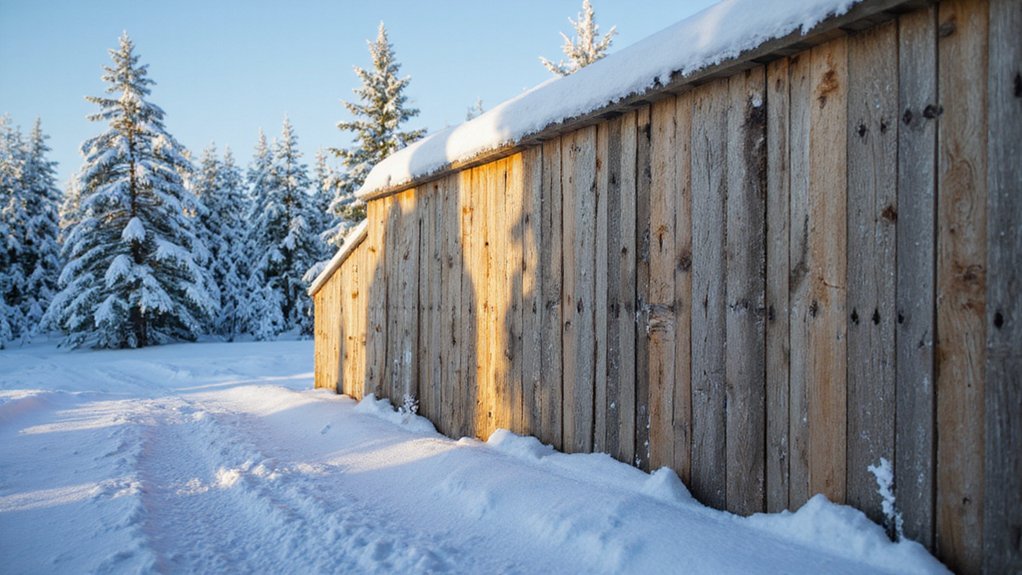
Snow buildup puts constant pressure on fences, especially solid designs that block wind and drifting snow. Heavy, wet snow can weigh down panels and push posts out of alignment.
Vinyl and metal fences often perform well here because they are rigid and resist bending. Some designs include spacing between panels, which lets snow pass through instead of piling up.
Wood fences can struggle if snow rests against them for long periods. Over time, this moisture can lead to warping or decay. Slatted or spaced designs help reduce this risk.
Choosing a fence that sheds snow rather than traps it reduces stress on the structure and limits winter damage.
Evaluating the Best Fence Types for Humid Summer Conditions
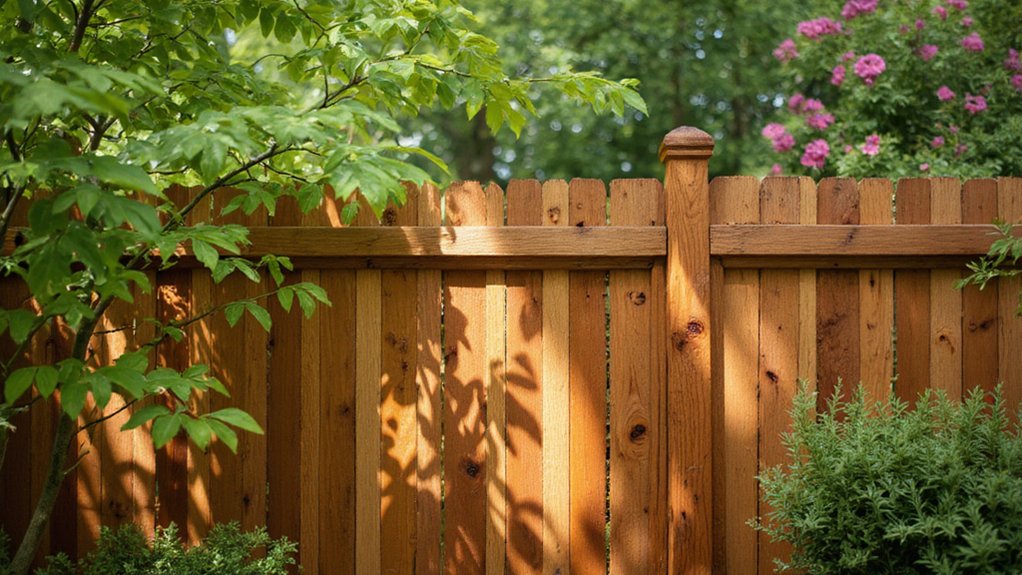
Summer brings a different set of challenges. In many parts of Canada, heat and humidity stick around for weeks. Moist air and frequent rain can wear down materials that are not built to handle it.
Vinyl and composite fences do well in humid conditions because they do not absorb moisture. Mold and mildew are less likely to take hold, and the material keeps its shape through temperature changes.
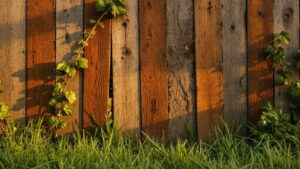
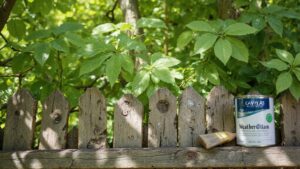
Wood fences need more attention in summer. Without proper sealing or staining, wood can swell, warp, or begin to rot. Regular maintenance helps, but it does add to long-term effort.
Metal fences stay strong in heat but need protective coatings to prevent rust. Humidity combined with rain can slowly wear down unprotected metal surfaces.
Selecting materials that resist moisture reduces summer maintenance and helps fences keep their appearance year after year.
Key Factors in Selecting the Right Fence Material
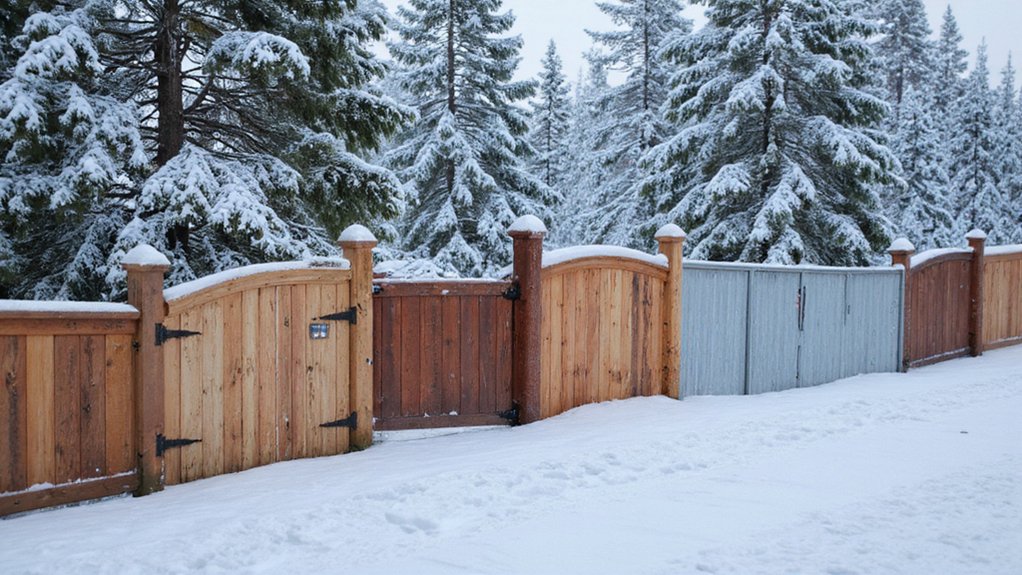
Choosing a fence comes down to more than weather alone. Several practical factors shape how well a fence fits your property and lifestyle.
Weather Resistance Considerations
Weather resistance should sit at the top of your list. Materials need to handle cold, moisture, and sunlight without breaking down quickly.
Wood offers a natural look, but it needs treatment to stay protected. Vinyl and metal often handle extreme conditions better with less ongoing care. UV resistance also matters, especially in open areas with direct sunlight.
Local climate patterns can guide this choice. Coastal regions, mountain areas, and inland plains all experience weather differently.
Maintenance Requirements Overview
Maintenance varies widely by material. Wood fences usually need sealing or staining every few years. Skipping this work shortens their lifespan.
Vinyl fences need very little care. Occasional washing keeps them clean. Chain-link fences are also low maintenance, though rust prevention may be needed over time.
Metal and composite fences sit somewhere in between. They tend to last longer with fewer repairs, though coatings should be checked now and then.
Be honest about how much upkeep you want to handle. A fence that fits your routine is more likely to stay in good condition.
Aesthetic Appeal Factors
A fence shapes how your property looks from the street and from your yard. Color, texture, and design all influence curb appeal.
Neutral colors blend into landscaping, while darker tones or bold finishes stand out. Design patterns like picket, slatted, or lattice affect both style and privacy.
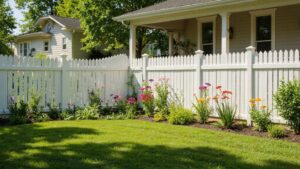
Think about how the fence complements your home’s architecture. A clean, modern fence may suit newer builds, while traditional styles often pair well with older homes.
Balancing appearance with practicality helps create a fence that feels like part of the property, not an afterthought.
Choosing Aesthetic Fencing Styles for Canadian Homes
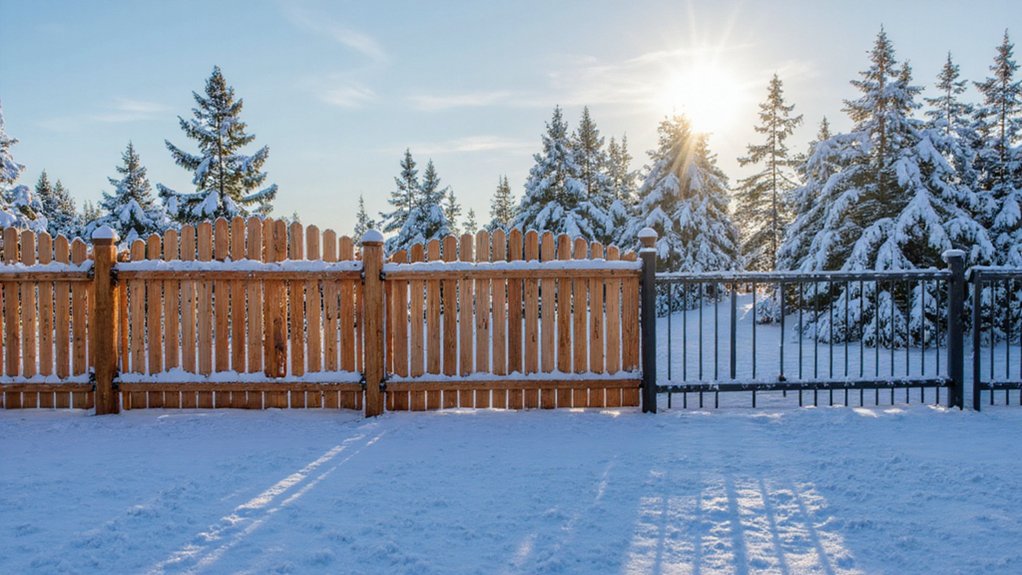
Canadian homes come in many styles, from urban townhouses to rural farm properties. Fencing should reflect that variety while still handling the climate.
Modern designs often feature horizontal lines, metal panels, or minimalist profiles. These fences suit contemporary homes and usually pair well with durable materials.
Traditional styles, like picket or post-and-rail fences, bring warmth and character. When built with treated wood or composite materials, they can still stand up to tough weather.
Customization helps bridge style and function. Color choices, panel spacing, and finishes allow homeowners to match fencing to their surroundings without sacrificing strength.
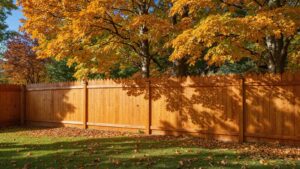
The best designs look good year-round, even when covered in snow or exposed to summer sun.
Cost Considerations for Different Fence Types
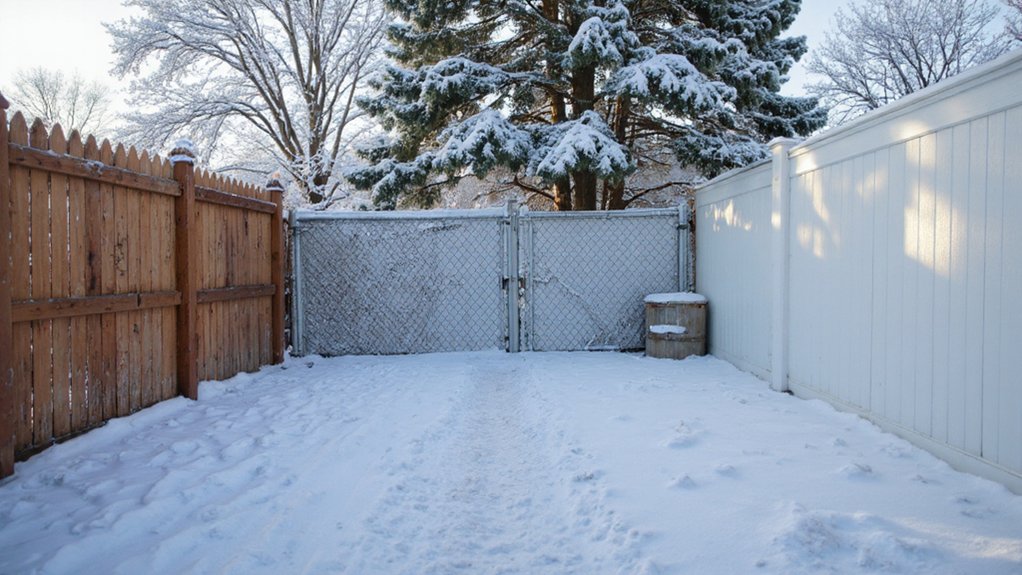
Cost matters, but it should be viewed over the life of the fence, not just at purchase.
Wood fences often cost less upfront, but ongoing maintenance adds up. Staining, sealing, and repairs can become regular expenses.
Vinyl fences usually cost more at the start, yet their low upkeep often balances that out over time. They keep their appearance without frequent work.
Metal fences fall on the higher end for initial pricing, but they last a long time and handle harsh weather well when properly coated.
Looking at both upfront cost and long-term care gives a clearer picture of true value.
Frequently Asked Questions
How Long Do Different Fence Materials Typically Last in Canadian Climates?
Wood fences often last between 5 and 15 years, depending on care and treatment. Vinyl and metal fences can last 20 years or more with minimal upkeep.
Can I Install a Fence Year-Round in Canada?
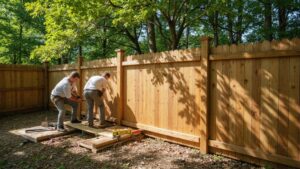
Fence installation is possible year-round, but winter makes digging difficult due to frozen ground. Many homeowners choose spring or fall for smoother installation.
What Maintenance Is Required for Fences in Extreme Canadian Weather?
Wood fences need sealing or staining. Metal fences benefit from rust protection. All fences should be checked seasonally for loose posts or damage.
Are There Specific Fence Designs That Resist Wind Better?
Fences with spacing between boards or slats allow wind to pass through. This reduces pressure and helps prevent leaning or damage.
How Do I Properly Secure My Fence Posts in Frozen Ground?
Posts should be set deep, often at least 36 inches, and secured with concrete or gravel. Proper drainage helps reduce frost movement.
Conclusion
Choosing the best fence for Canadian weather means balancing strength, upkeep, and appearance. Vinyl and pressure-treated wood handle winter and summer conditions well, while metal offers long-lasting support in harsh environments. Local climate, property layout, and personal preferences all play a role.
A well-chosen fence does more than mark boundaries. It stays steady through seasons, protects your space, and adds to how your property looks year after year.