When you start thinking about installing a fence, timing probably is not the first thing on your mind. Most homeowners focus on materials, design, or cost. But the season you choose can shape how smooth the project goes and how well your fence holds up over time.
Weather, soil conditions, contractor availability, and even local regulations all play a role. Spring and fall are often the easiest times to schedule installation, but that does not mean summer or winter are off the table. Each season brings its own pros and challenges.
Here is what you can expect throughout the year so you can plan with confidence.
Key Takeaways
- Spring offers thawed soil and moderate temperatures, making post hole digging easier and reducing installation challenges.
- Summer provides longer daylight hours and dry weather, ideal for efficient installation and enjoying the fence during gatherings.
- Fall’s cooler temperatures and available contractors allow for reassessment of designs while ensuring proper settling before winter.
- Winter complicates digging due to frozen ground and limited daylight, making it less favorable for installation.
- Always check local zoning laws and permits, as they may dictate the best time and method for installation.
Why Timing Matters for Fence Installation
Installing a fence is not just about putting posts in the ground and attaching panels. The conditions around your property at the time of installation can affect how stable those posts are and how well the materials perform.
Different fence materials react to temperature changes in different ways. Wood can expand and contract with shifts in humidity and heat. Vinyl can become brittle in very cold weather. Metal can shift slightly as temperatures rise and fall. Choosing the right season helps reduce stress on those materials during installation.
Ground conditions also matter more than many people realize. Frozen soil is tough to dig through. Soil that is too wet can shift after the posts are set. If the foundation is unstable, the fence may lean or settle unevenly later.
By planning around favorable weather and soil conditions, you give your fence the best chance to stay straight and secure for years.
Why Spring Is Ideal for Fence Installation
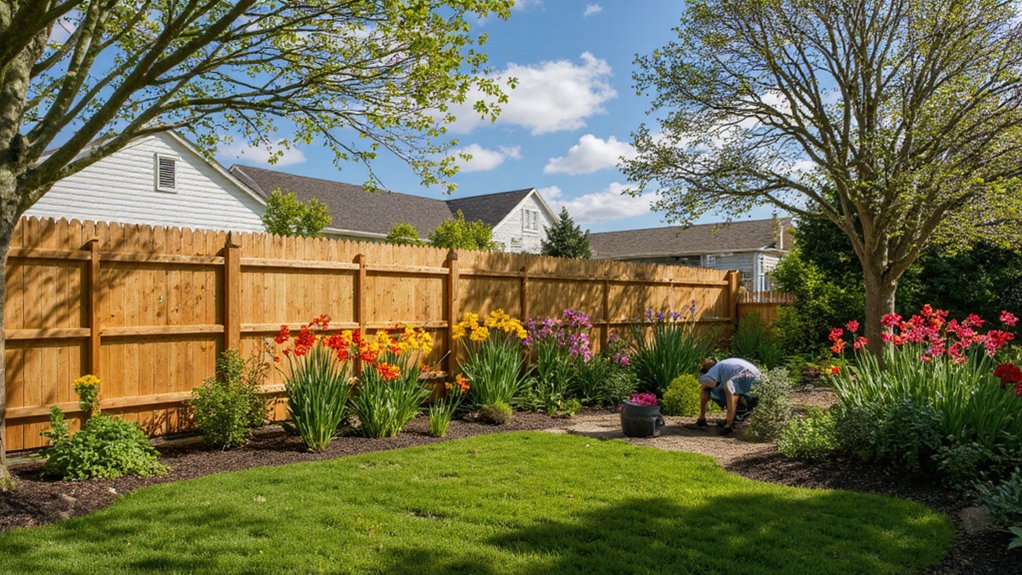
Spring is a popular season for fence installation, and for good reason. As temperatures rise, the ground begins to thaw. That makes digging post holes much easier than it would be in winter.
Soil in spring is usually workable without being overly dry. Moderate moisture levels help the soil settle around the posts once they are installed. This can improve overall stability.
The weather is also more comfortable for crews to work in. Mild temperatures reduce the risk of materials warping during installation. Longer daylight hours compared to winter allow more work to get done each day.
There is another practical benefit. If your fence is installed in spring, you can enjoy the added privacy and security throughout summer. Whether you are planning backyard gatherings or simply spending more time outdoors, the timing works well.
One thing to keep in mind is demand. Spring is busy for contractors. Scheduling early can help you secure a spot on the calendar.
The Advantages of Summer Fence Installation
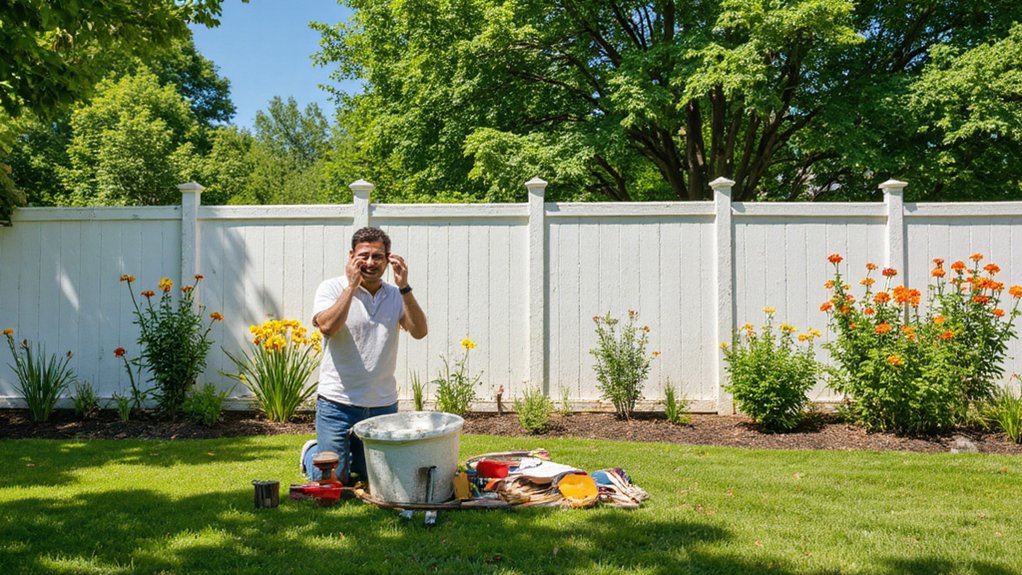
Summer often gets overlooked because many people assume spring is the only good option. In reality, summer has its own advantages.
Longer daylight hours give crews more time to work. That can speed up the overall project timeline. Dry weather also helps. Without heavy rain or muddy ground, installation tends to move along smoothly.
Concrete used to set posts cures well in warm conditions. When installed properly, this can result in solid support for your fence.
Summer may also offer slightly more flexibility in scheduling, depending on your area. Some homeowners rush to install in spring, which means early summer openings can appear.
The main concern during summer is extreme heat. Very high temperatures can dry soil quickly, which may affect how well posts are secured. A professional installer will know how to adjust for those conditions.
If you want your fence ready for outdoor events, summer can be a practical and convenient choice.
Perfect Timing: Fall Fence Projects
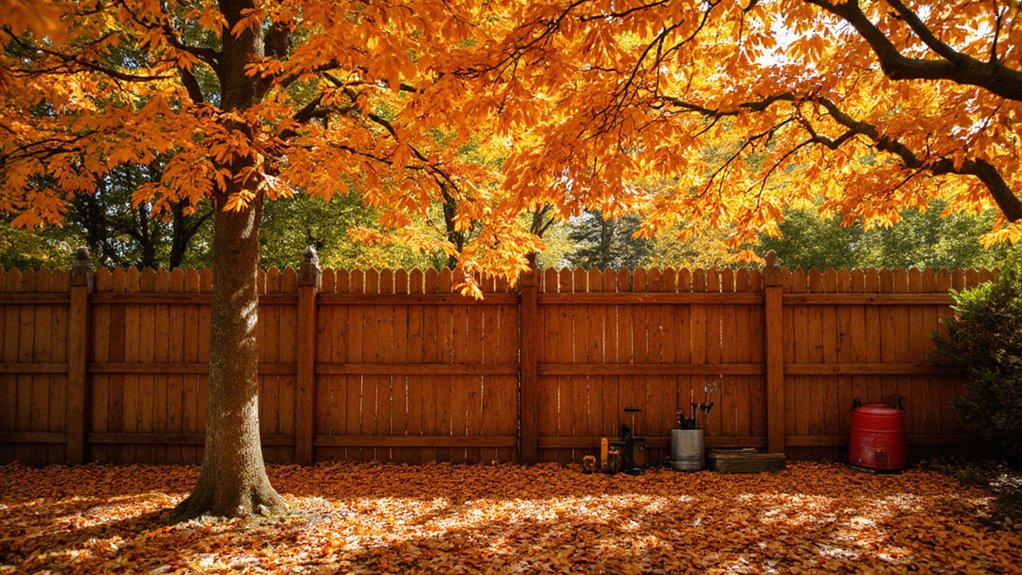
Fall is another strong option for fence installation. Cooler temperatures create comfortable working conditions, and the ground is often still soft enough for easy digging.
Installing a fence in fall gives posts time to settle before winter arrives. As temperatures drop, the soil gradually firms up around the posts. That natural settling process can help create a stable base.
Contractors may also have more availability in fall compared to spring. With the busy rush slowing down, you might find scheduling easier.
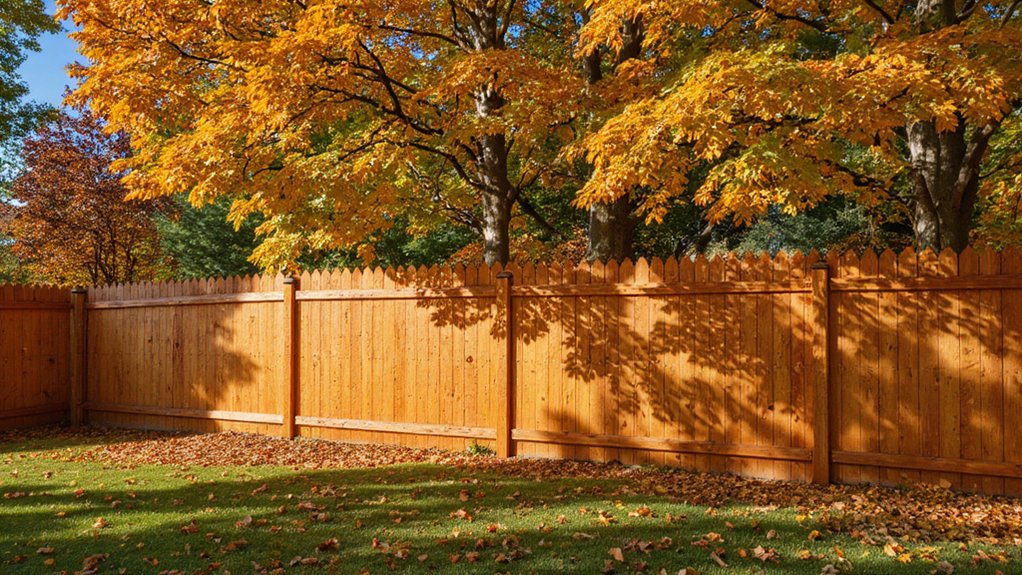
Fall is also a practical time to reassess your yard. Leaves falling from trees can reveal sightlines you did not notice before. You may decide to adjust fence placement or height based on what you see.
By the time winter sets in, your fence is already in place and ready to handle colder weather.
What to Expect When Installing a Fence in Winter
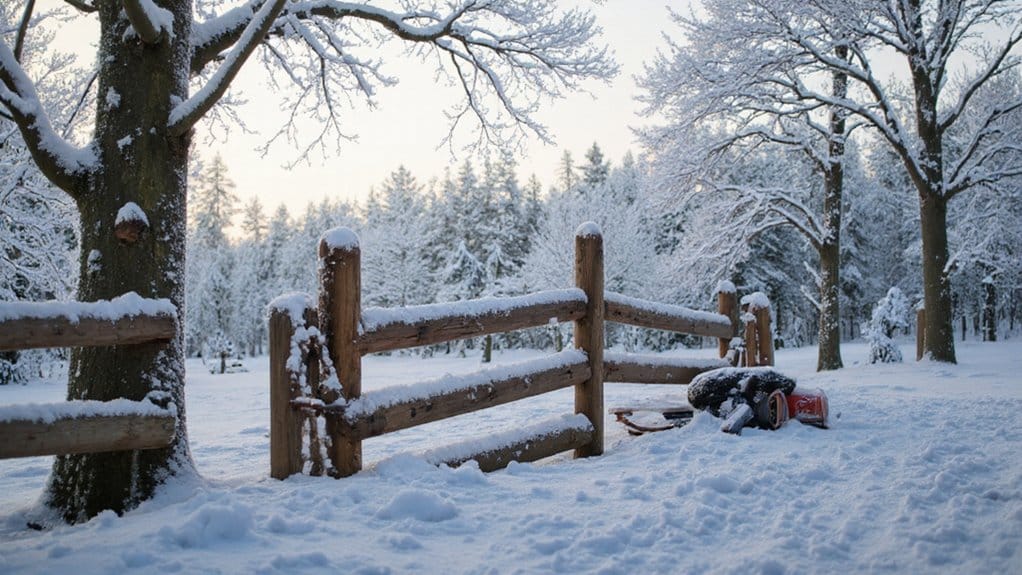
Winter fence installation is possible, but it comes with challenges.
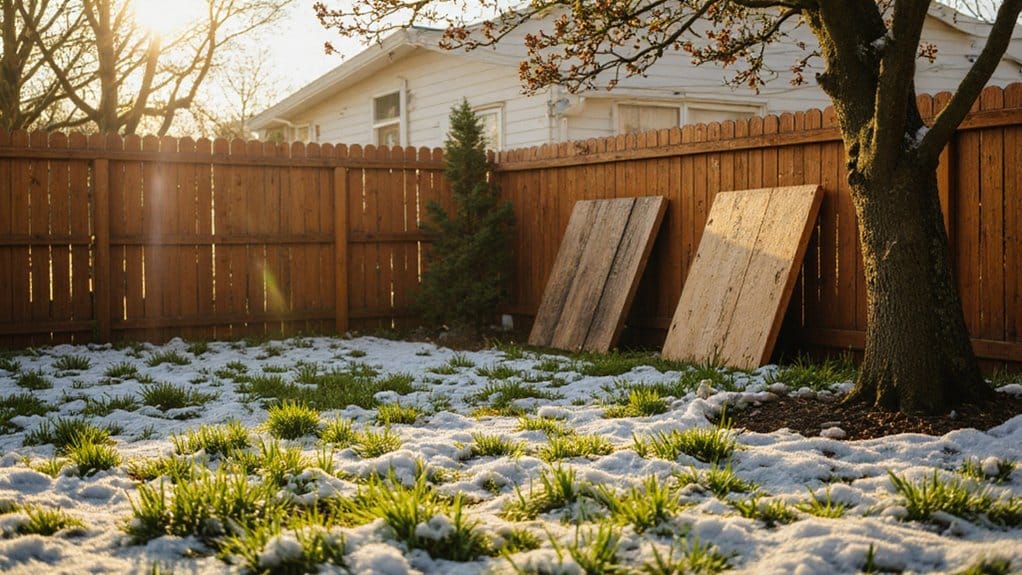
Frozen ground is the biggest obstacle. Digging post holes in hard soil can require specialized equipment. This can increase labor time and sometimes cost.
Snow and ice may limit access to parts of your yard. Shorter daylight hours can also slow progress. Crews have fewer workable hours each day.
Material performance is another factor. Some types of wood may be more prone to cracking in very cold temperatures. Vinyl can become stiff and harder to handle.
That said, winter may offer more flexible scheduling since demand is often lower. If your timeline is urgent, it can still be done. It simply requires extra preparation and realistic expectations.
How Weather Conditions Affect Fence Installation
Weather has a direct impact on how smoothly your installation goes.
Heavy rain can turn soil into mud, making it difficult to set posts properly. Excess moisture can also delay concrete curing. On the other end of the spectrum, very hot and dry weather can cause soil to shrink and pull away from posts.
Wind is another concern. Large fence panels can be difficult to handle in strong gusts, which can slow down installation and increase safety risks.
Cold temperatures can make certain materials less flexible. This can affect how panels fit together during installation.
Checking the forecast before scheduling helps avoid unnecessary delays. A few days of mild, dry weather can make a noticeable difference.
How Soil Temperature Affects Fence Installation
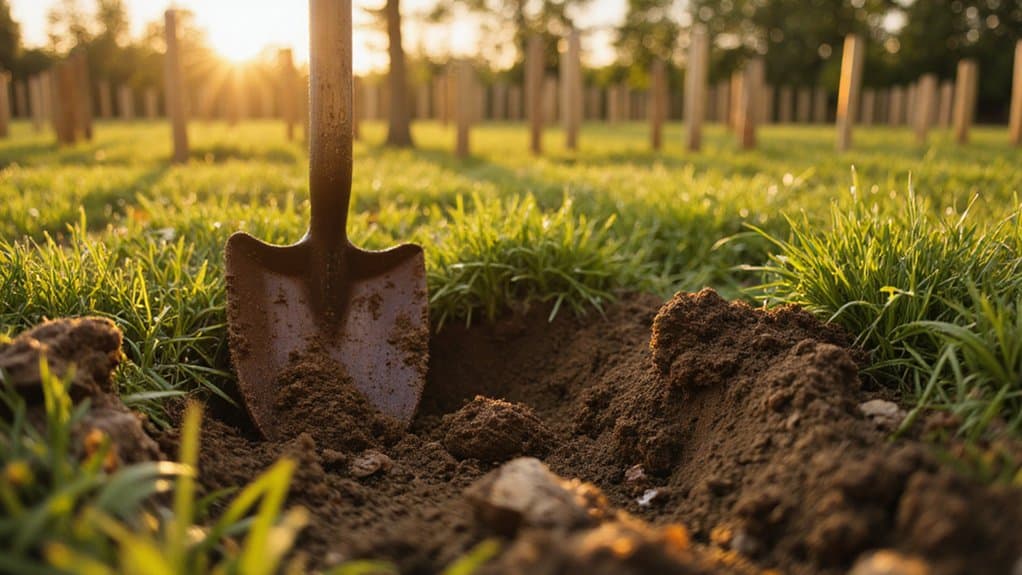
Soil temperature is closely tied to seasonal changes, and it has a real effect on installation quality.
When soil is too cold, it becomes compacted and difficult to work with. Digging deeper holes can be slow and physically demanding. Posts may not reach the proper depth if the ground is too hard.
Warmer soil is easier to dig and allows posts to be set firmly. Balanced moisture levels also help the soil pack tightly around each post.
Optimal Soil Temperature Range
Most contractors prefer soil temperatures between 50°F and 70°F. Within this range, the ground is usually soft enough to dig without being overly saturated.
If temperatures fall below that range, frozen patches may appear. If they rise too high, soil can dry out and become loose.
Working within moderate soil temperatures helps create a solid base for your fence.
Impact on Post Stability
Post stability depends on depth, compaction, and surrounding soil conditions. Cold, frozen soil can prevent proper depth. Very dry soil may shift after installation.
Moist but not soaked soil is ideal. It allows posts to be set securely and reduces the risk of leaning later.
Choosing the right season helps avoid future adjustments or repairs.
Seasonal Ground Conditions
The frost line in your region also matters. During winter, digging below the frost line can be difficult. In early spring, the ground begins to thaw, making installation more manageable.
Still, overly wet soil after heavy rain can weaken the base. Waiting for the ground to dry slightly can improve results.
Early to mid spring or early fall often strikes the right balance between temperature and moisture.
Local Regulations for Fence Installation
Before installing a fence, check local rules. Regulations vary by municipality, and overlooking them can lead to fines or required changes.
Zoning Laws Overview
Zoning laws may limit fence height, style, or placement. Some areas restrict fences in front yards. Others require specific materials to match neighborhood standards.
Contact your local office or review municipal guidelines before starting.
Permit Requirements Explained
Depending on your location and fence height, you may need a permit. The process often involves submitting measurements and design details.
Skipping this step can lead to delays or removal orders. It is much easier to handle permits before installation begins.
Property Line Considerations
Knowing your exact property boundaries is essential. Installing a fence even a few inches onto a neighbor’s land can create tension.
Review your survey if you have one. If not, consider having your property lines confirmed. Talking with neighbors about your plans can also prevent misunderstandings.
Budgeting for Fence Installation Throughout the Year
Costs can shift depending on the season.
Spring and early summer often bring higher demand, which can affect pricing. Fall and winter may offer more flexibility.
Material choice plays a large role in budgeting. Wood, vinyl, aluminum, and chain link fencing each come with different upfront costs and maintenance needs.
It helps to look beyond installation day. Consider staining, sealing, or occasional repairs. A slightly higher upfront investment can reduce maintenance costs over time.
Planning your budget in advance allows you to choose a season that fits both your schedule and your finances.
Tips for Planning Your Fence Installation Timeline
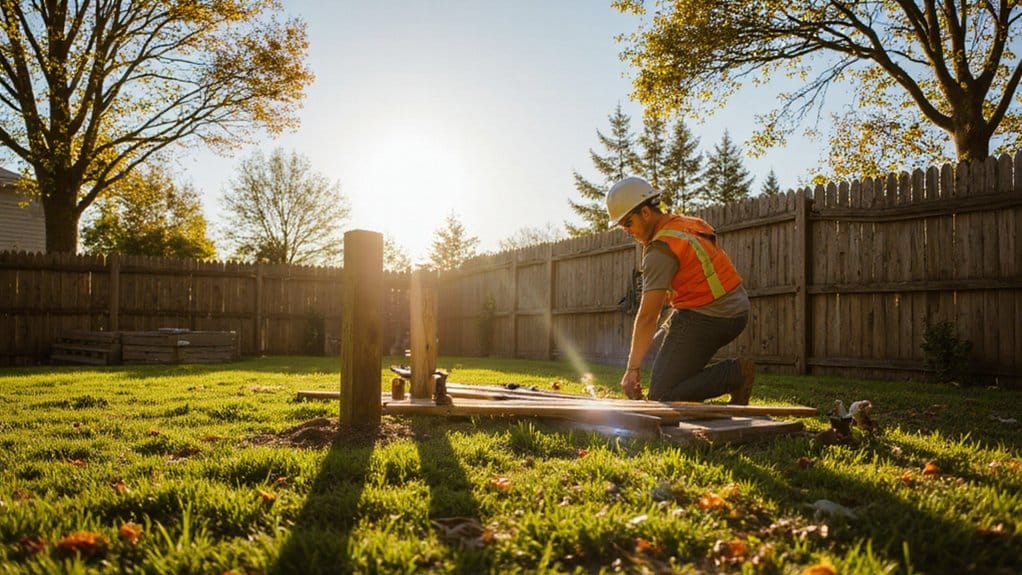
Start planning earlier than you think you need to. Contractors can book out weeks or even months in advance during busy seasons.
Choose your materials ahead of time. Some styles may require special orders.
Check permit requirements and property lines before setting an installation date. Taking care of paperwork early prevents last minute delays.
Watch the weather forecast as your installation date approaches. A short delay for better conditions can be worth it.
A little planning goes a long way toward a smooth project.
Frequently Asked Questions
How Long Does a Typical Fence Installation Take?
Most residential fence installations take one to three days. The timeline depends on yard size, terrain, and weather conditions.
What Materials Are Best for Different Seasons?
Wood fencing works well in moderate conditions. Vinyl performs well in most seasons but can become stiff in extreme cold. Metal fencing handles temperature changes well, though proper installation is still important.
Can I Install a Fence Myself?
Yes, many homeowners take the DIY route. You will need the right tools, a clear understanding of property lines, and knowledge of local regulations.
How Do I Choose a Fence Contractor?
Look for proper licensing and insurance. Read reviews from local customers. Ask about timelines and material recommendations based on your climate.
What Maintenance Is Required After Installation?
Maintenance depends on the material. Wood may need staining or sealing. Vinyl and metal typically require occasional cleaning and inspections for loose hardware.
Conclusion
Choosing the best time of year to install a fence depends on your climate, schedule, and priorities. Spring and fall often offer the most balanced conditions. Summer can work well with proper planning. Winter is possible but requires extra preparation.
By paying attention to soil conditions, weather patterns, and local regulations, you set your project up for success. With the right timing, your fence will stand strong and serve your property well for years to come.