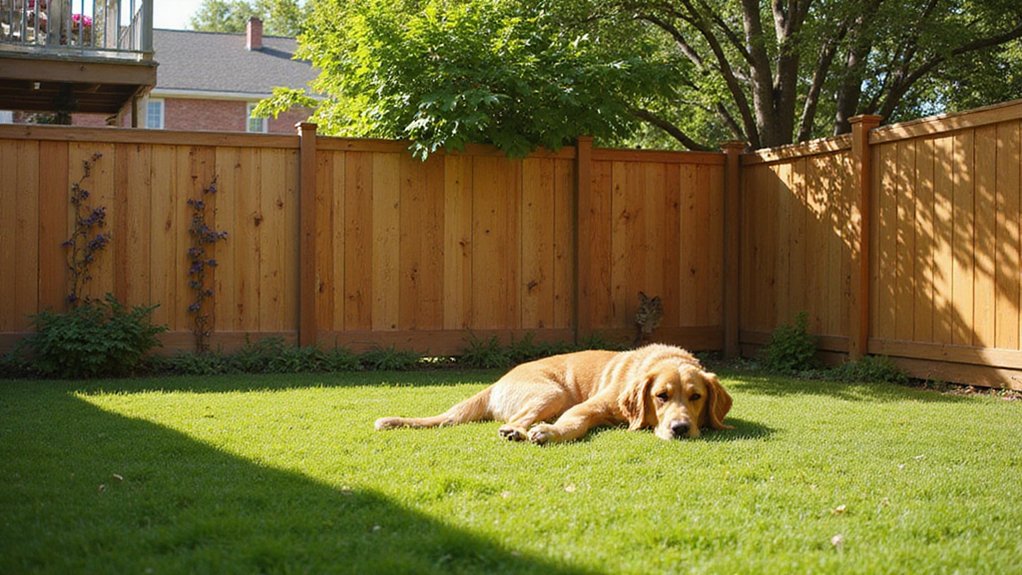
If you have pets that love the outdoors, you already know the worry that comes with it. One second of distraction and they might squeeze through a gap, dig under a fence, or jump over it. The right fence isn’t just about looks. It gives your pets freedom while keeping them safely inside your yard.
Key Takeaways
• A fence height of 4 to 6 feet makes it harder for pets to jump out.
• Solid panels help block the view of distractions outside the yard.
• Stop digging by burying fencing at the bottom or adding rocks along the edge.
• Check your fence regularly so small issues don’t turn into escape routes.
• Follow local rules to avoid fines and keep your yard looking good.
Understanding Your Pet’s Behavior and Needs

Some pets are runners. Others are climbers. Some dig like they’re training for a gold medal. Before choosing a fence, it helps to think about what your pet tends to do.
Does your dog go crazy when it sees other animals? Does your cat look for anything tall enough to climb? Does your pup panic during fireworks and try to bolt? These things matter more than people realize.
Once you understand what triggers your pet, you can choose a fence that actually works for them, not just one that looks nice.
Types of Fencing Materials

There isn’t one perfect material for every pet. Wood, metal, and vinyl each have their own strengths.
Wood Fencing
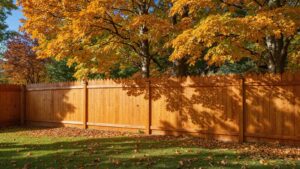
Wood looks warm and natural. It offers privacy and blocks distractions. When you take care of it with sealant or stain, it lasts for years. You can choose different styles like picket or full privacy, depending on how much visibility you want.
Metal Fencing
Metal is tough. If your pet pushes, jumps, or crashes into things, metal can take the hit. It doesn’t rot and it handles rough weather better than wood. Many metal fences come coated so they don’t rust as quickly, which means less work for you over time.
Vinyl Fencing
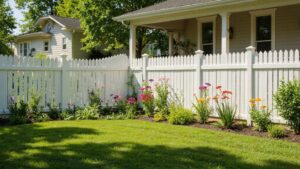
Vinyl is great if you don’t want a lot of maintenance. It doesn’t peel or warp and it comes in several colors and designs. You can go with privacy style or decorative picket. It’s simple to clean and stands up well to pets who lean or scratch.
Height and Design Considerations

Fence height matters. For most pets, four to six feet works well. Some big jumpers may need the higher end of that range. Solid panels help calm pets who get excited when they can see everything outside the yard.
Don’t forget strength. If a fence wobbles when pushed, most pets see it as a challenge.
Digging and Climbing Prevention Techniques

Some pets don’t jump. They dig. Others don’t dig. They climb. And a few do both.
To stop digging, you can:
• Bury fencing about a foot down
• Add rocks or gravel along the bottom of the fence
To stop climbing, things like angled tops or overhangs make it harder to get a grip.
No matter what you install, check the fence once in a while. Pets are smart. If they find a weak spot, they’ll test it again and again.
Adding Security Features to Your Fence

If you want extra safety, you can add things that make it harder for both pets to escape and strangers to enter. A locking gate keeps curious pets from pushing their way out. Lights that turn on with motion can discourage unwanted visitors. Cameras help you keep an eye on the yard, even when you’re not home.
All of these features create a safer outdoor space without taking away your pet’s freedom.
Local Regulations and Restrictions

Before putting up a fence, check your city or neighborhood rules. Some places have limits on fence height, materials, or where you’re allowed to place it. It might feel like a hassle, but it’s better than being told to redo the whole project later.
Maintenance Tips for Your Fence

A fence isn’t something you can install and forget forever. A quick look every few months helps catch issues before they become escape routes.
Regular Inspections
Check for loose panels, rust, damaged boards, or gaps near the bottom. Make sure gates close and latch properly. If something seems off, fix it before your pet finds it.
Prompt Repairs
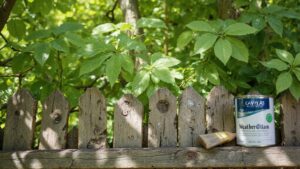
Even a small hole can turn into your pet’s “great escape.” Fix problems as soon as you notice them instead of waiting until it gets worse.
Budget-Friendly Fencing Options

You don’t need a huge budget to keep your pets safe. Chain-link and wooden pallets can work well without costing much. If you like DIY projects, wire mesh or reclaimed wood can help you build a strong fence for less money.
Temporary fences also exist, and they’re great for renters or pet owners who don’t want to commit to a permanent structure right away.
Enhancing Aesthetics While Ensuring Security

A fence can look good and be secure at the same time. The right color can make your yard feel more inviting. Little touches like post caps or lattice tops make a fence look more finished without sacrificing strength.
If the fence looks nice, you enjoy your yard more. If it’s strong, your pets stay safely at home. You don’t have to choose between the two.
Frequently Asked Questions
Can I install a fence myself or should I hire someone?
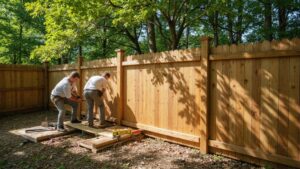
If you’re handy and have the tools, you can do it yourself. If not, it may be worth hiring someone so the fence is level, sturdy, and secure.
How long does installation usually take?
Most fences take one to three days depending on size and materials.
What fences work best for small pets?
Wire mesh and full privacy fences both work well. The goal is small gaps and strong panels.
How do I make sure the fence is pet proof?
Choose strong materials, a proper height, and fix damage quickly before pets test weak spots.
Are there eco friendly fencing materials?
Yes. Bamboo and recycled composite fences are environmentally friendly and long lasting.
Final Thoughts
A fence isn’t just a decoration. It gives your pets freedom and keeps them safe at the same time. If you choose the right height, material, and design, and take a little time for checking and repairs, your pets can enjoy the yard without putting themselves at risk. A secure fence protects your pets and gives you peace of mind.