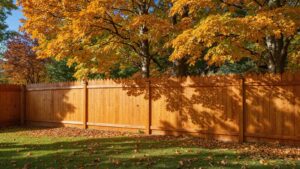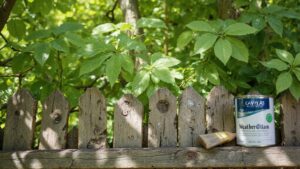
Sick of fixing your fence every few months? You’re not alone. A lot of homeowners reach a point where repairing boards, sanding, painting, and treating wood gets old fast. If that sounds familiar, it might be time to think about a low-maintenance fence that looks good and actually holds up over the years.
Vinyl, composite, and aluminum are the big favorites here because they save you time, money, and headaches. But picking the right fence isn’t just about the material. Style, climate, and installation matter too. Here’s how to choose a fence you won’t have to babysit.
Key Takeaways
- Vinyl, composite, and aluminum are the easiest fence materials to maintain.
- Look for a lifespan of 20–30 years or more if you want fewer repairs.
- Match the material to your climate so it doesn’t rot, fade, or warp.
- Good installation plays a huge role in long-term durability.
- A quick yearly cleaning and checkup keeps your fence in good shape.
Low-Maintenance Fencing Options You Should Know

If you want a fence you don’t have to constantly fix, the material makes all the difference.
Vinyl is one of the easiest because it doesn’t rot, warp, or fade. Usually, a quick wash with soap and water keeps it looking clean. Composite fencing is another solid choice. It’s made from recycled wood and plastic, so you get the look of wood without painting or staining. Aluminum works great if you like a sleek metal look. It’s light, rust-resistant, and doesn’t need much care.
Picking one of these materials means you get a fence that lasts and looks good without a long to-do list.
Why Low-Maintenance Materials Make Life Easier

Once you switch to low-maintenance materials, the stress of constant repairs almost disappears. There are real benefits here, not just convenience.
Durability and Longevity
A fence that holds up over time saves you money and frustration. Vinyl, composite, and aluminum don’t deal with the usual wood problems like rotting or bugs. Most vinyl fences last around 20–30 years, and aluminum can last even longer. Less repairing means more free weekends.
Cost-Effective Over Time
Sure, the price up front can be higher, but you stop spending money on stain, paint, and repairs. After a few years, the savings become pretty obvious.
Minimal Upkeep
With a low-maintenance fence, your yearly checklist is simple: wash it once in a while and tighten anything that loosens. That’s it. No staining. No sanding. No drama.
Wood vs Vinyl vs Metal: What Really Holds Up?

All fences are not built the same. Here’s how the most common options compare in terms of maintenance and lifespan.
Durability and Longevity
Wood looks great but usually lasts 10–15 years if you’re taking care of it regularly. Vinyl lasts around 20–30 years. Aluminum and wrought iron can last 40+ years if installed correctly. If long-term durability matters most, metal usually wins.
Maintenance Needs
Wood needs the most attention. Staining and sealing becomes routine if you want it to stay in good shape. Vinyl needs almost nothing beyond a wash now and then. Aluminum might need a fresh coat of paint after years of exposure, but that’s rare.
Why Design Affects Durability More Than People Think

People usually focus only on material, but design matters too. The way a fence sheds water, handles wind, and connects to the ground affects how long it lasts.
A fence with sloped tops prevents water from sitting on the boards. A design without ground contact stops moisture and rot. Even picket spacing can make a difference in strong winds. A good design protects the fence but also makes your property look better.
Choose Based on Your Climate

Different places need different fences. That’s where many homeowners go wrong.
Rainy or snowy areas need materials that don’t soak up water. Hot and sunny climates need UV-resistant fencing so it doesn’t fade. Coastal areas with salty air do better with aluminum. Windy regions need stronger posts and spacing that allows airflow.
The weather will decide more about your fence’s survival than anything else, so match it from the start.
Installation Tricks That Add Years to Your Fence

The right installation can make a fence last twice as long.
Proper Ground Preparation
Bad soil or poor drainage can destroy even the best materials. If water sits around fence posts, it slowly eats away at them. Gravel at the base of posts and well-leveled ground keeps water away.
Quality Material Selection
Even within vinyl, composite, or aluminum, quality varies. Cheap panels bend, warp, and crack faster, so choosing sturdy products matters.
Expert Installation
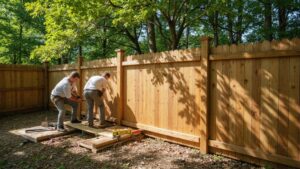
You can DIY a fence, but one misaligned post can cause leaning, gaps, and repairs later. Professionals know how to anchor posts, align panels, and prevent shifting.
Budgeting the Right Way

Think long-term when you’re planning the cost. Vinyl or composite might stretch the budget upfront, but it pays off when you’re not buying stain, brushes, and replacement boards every year. Don’t forget to include installation and a little room for unexpected expenses. It’s always cheaper to do it right the first time.
Want Better Curb Appeal? Your Fence Can Help

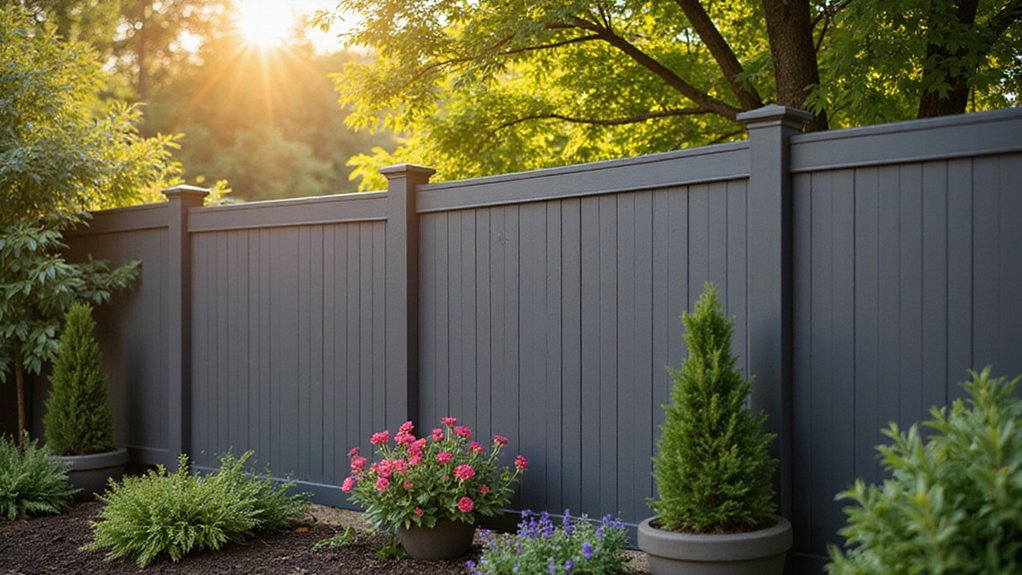
A low-maintenance fence doesn’t mean boring. You can match it to your home’s style for a real boost in curb appeal.
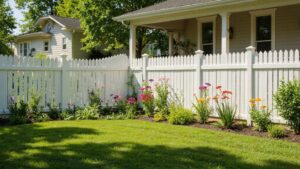
If you like a modern look, aluminum looks sharp and timeless. Vinyl comes in a bunch of colors and textures if you want something classic or warm. The color you pick matters too. You can go bold or stick with neutral tones that blend into the property.
A fence doesn’t just mark your space. It changes the whole feel of your yard.
How to Keep Your Fence Looking Good

Good news: maintenance here is pretty simple.
A quick hose-down usually handles dirt and dust. A soft brush and mild soap can fix tougher stains. Once or twice a year, look for loose hardware or panels. Fixing small things early stops bigger problems later.
Real-Life Low-Maintenance Fence Examples

Here are some popular choices homeowners love:
• Vinyl: stays bright, doesn’t rot, easy to wash.
• Aluminum: rust-resistant, modern appearance, lasts decades.
• Composite: looks similar to wood but never needs staining or sealing.
• Chain-link: not fancy but extremely durable and low maintenance.
Frequently Asked Questions
How do I pick the right fence color?
Match it to your house and yard. Neutrals create a clean look, bold colors stand out. Pick what makes your home look better, not just what’s trendy.
Can I install a low-maintenance fence myself?
Yes, people do it, especially with vinyl. Just follow the instructions carefully. If the ground isn’t level, it might be better to hire a pro.
Do I need a permit?
Most areas require one. Check local rules before you start to avoid fines or being forced to redo the project.
What if my fence gets damaged?
Fix small problems right away. Tighten hardware, replace small sections, or touch up paint before it spreads into something bigger.
Will a fence raise my property value?
A good one definitely can. Buyers like fences that look nice and don’t require much work.
Final Thoughts
A low-maintenance fence saves time, lasts longer, and keeps your home looking sharp without constant repairs. Pick strong materials, match them to your climate, and get good installation. Once it’s done, all that’s left is enjoying your outdoor space.