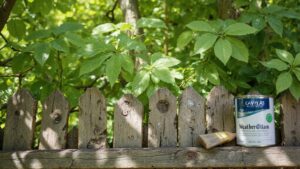
A fence that’s been around for years can do more harm than good if it’s falling apart. Cracks, rust, leaning posts, or loose boards aren’t just ugly. They can be dangerous. If your fence keeps getting worse every season, it’s time to figure out whether it should be repaired or replaced.
Key takeaways
You don’t need to be a contractor to tell when a fence has a problem. Keep an eye on:
• Cracks, warping, rust, or broken panels
• Fence leaning or posts shifting in the soil
• Rot or insect damage spreading through wood
• Kids or pets able to slip through gaps
• Panels that keep breaking no matter how many times you fix them
If any of these sound familiar, it’s time to call a fence builder and get a professional opinion. Sometimes a small repair is enough. Other times, replacing the fence saves more money in the long run.
Signs your fence is breaking down

You know your fence is wearing out when repairs become a routine. A board breaks, you fix it. A week later, something else breaks. Sound familiar?
Take a slow walk along your fence and look for:
• Cracks or warping in the wood
• Rust on metal hardware or posts
• Nails or screws backing out
• Loose or missing boards
• Gates that no longer shut right
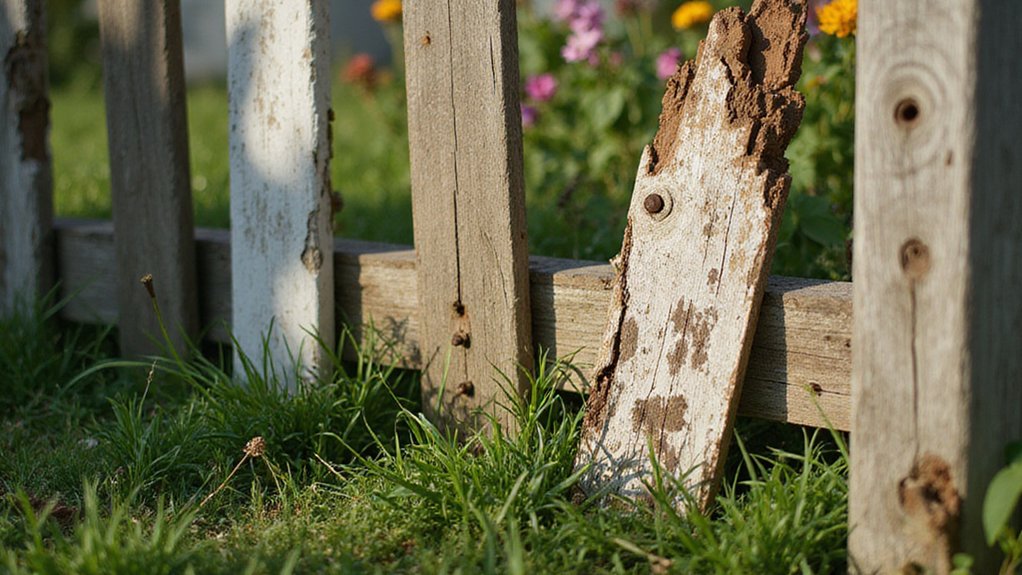
If you see rot or insect holes, that damage spreads fast. Once it starts, it usually doesn’t stop without major repairs.
Common types of fence damage

Different fences fail for different reasons. Wood often rots or warps from rain and moisture. Vinyl doesn’t rot, but it gets brittle in strong sun. Metal resists most weather, but once it starts rusting, it can go downhill quickly.
Then there’s physical damage. A storm, fallen tree branch, or someone backing into the fence can weaken it instantly. If the damage is isolated to one spot, repair might solve it. But if the fence is aging overall, repairs can feel endless.
Is your fence still stable?

A fence can look fine from a distance and still be unstable. Here’s what to check:
1. Visible problems
Cracked wood, rusted fasteners, sagging panels, or missing screws are early signs the fence is losing its strength. Ignoring them lets the damage spread.
2. Leaning or tilting
If your fence looks like it’s slowly falling sideways, the posts are probably failing. Soil erosion, storms, or weak installation can be the cause. Sometimes you can reinforce the posts. Other times, they’re too far gone.
3. Rotting wood
Press a screwdriver into the bottom of the wood posts or boards. If it sinks in easily, the wood is soft and breaking down. A little rot can be treated, but if the wood crumbles or flakes away, replacement is usually smarter.
Why regular inspections matter

A lot of fence problems look small at first. That’s why it’s smart to check your fence regularly. Catching issues early can prevent bigger repairs later.
Look for:
• Rust or rotting wood
• Wobbly posts
• Panels pulling away from the frame
• Termite or insect activity
Fixing a loose board now costs a lot less than replacing an entire fence after it collapses.
When a repair makes sense

A repair is worth it when:
• Only a few boards or panels are damaged
• The posts are still solid
• The fence is fairly new
• The damage is caused by one event, not age
Replacing a board, re-securing a post, or treating rust can add years to the life of your fence. Just be honest about how often repairs are needed. If you’re fixing something every season, the fence is probably at the end of its lifespan.
When replacement is the better choice

Replacing the fence makes more sense when:
• The posts are shifting or rotten
• Metal rust is spreading across multiple sections
• Large areas of wood are soft or crumbling
• The fence leans even after repairs
• The repairs cost almost as much as a new fence
Also consider safety regulations in your area, especially if you’re near a pool or have young children or pets. A fence that can’t provide safety isn’t worth keeping.
Repair vs replacement: what’s smarter financially?

Sometimes repairs seem cheaper… until you add them up over a year or two. A new fence costs more upfront but can save money later by cutting maintenance and improving durability.
Think about:
• Cost of repair today
• Future repair costs
• Overall strength of the fence
• Safety for family, pets, and property
A fence that constantly breaks ends up costing more than just replacing it.
Choosing the right fence builders

Picking the right contractor makes a huge difference. Look for:
• Proper licensing and insurance
• Good customer reviews
• Experience with the exact fence material you want
• Clear pricing before work starts
• Photos or references from past projects
If a builder hesitates to provide references or paperwork, move on.
How to make your new fence last

A new fence can last many years if you take care of it. Small habits make a big difference:
• Wash dirt and mildew off once or twice a year
• Reapply stain or sealant on wood fences as recommended
• Keep sprinklers from hitting the fence daily
• Trim shrubs or vines growing against the fence
• Fix small issues right away instead of waiting
Staying ahead of wear keeps your fence strong and saves money later.
FAQs
How often should I inspect my fence?
Twice a year works for most homes. Spring and fall are perfect times because weather changes often trigger damage.
Can I repair my fence myself?
If the damage is small, sure. Loose boards or minor rust are DIY friendly. Major structural damage isn’t.
Do I need a permit to replace my fence?
Sometimes yes, sometimes no. It depends on your city and the fence height. It’s always safer to check first.
How long does a fence usually last?
Most fences last ten to twenty years. Weather, maintenance, and material all play a role.
What fence material is strongest long-term?
Aluminum and wrought iron last the longest. Wood looks great but needs more maintenance. Vinyl is durable and low-maintenance.
Final thoughts
If your fence is showing clear signs of aging, don’t ignore it. A weak fence can be unsafe and more expensive to deal with later. Whether you choose to repair or replace, the goal is simple: a safe, good-looking fence that does its job.
Taking action now protects your property and gives you peace of mind.