When it comes to pool safety, the fence you choose plays a bigger role than many homeowners expect. A well built barrier does more than outline your yard. It helps protect children, pets, and guests from unsupervised access to the water.
If you have young kids, frequent visitors, or pets that roam the yard, the right fence offers real peace of mind. But safety is not just about picking any barrier. You need to look at height, gate design, materials, and local rules before making a decision.
Let’s walk through what actually makes a pool fence safe and how to choose one that fits your space.
Key Takeaways
- A minimum height of four feet is recommended to effectively deter young children from climbing over the fence.
- Opt for self-closing and self-latching gates to prevent accidental access to the pool area.
- Durable materials like aluminum or tempered glass ensure long-lasting safety and require minimal maintenance.
- Choose a non-climbable design to reduce the risk of children scaling the fence.
- Always check local regulations to ensure compliance with safety standards for pool fencing.
Why Pool Fencing Matters for Your Family
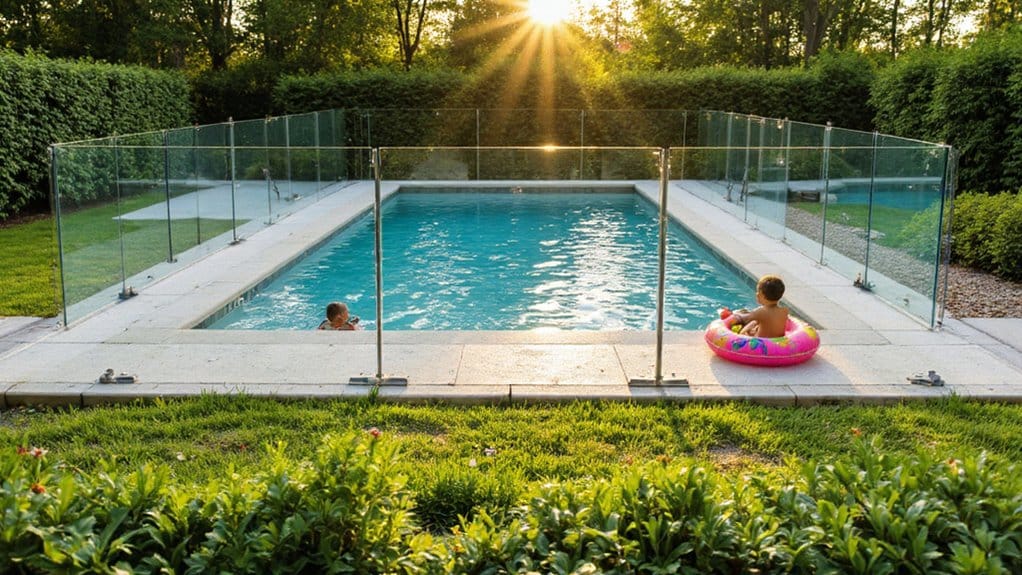
A backyard pool is a place for fun and relaxation. At the same time, it can become dangerous in seconds if it is not properly secured.
Children are naturally curious. Water draws them in. Even a brief moment without supervision can lead to serious accidents. A pool fence creates a physical barrier that stops unsupervised access before it becomes a problem.
Most families live busy lives. You might be cooking dinner, answering the door, or helping another child with homework. During those everyday moments, a fence acts as backup protection. It is not a replacement for supervision, but it adds an extra layer of security that matters.
A fence also helps when guests visit. Friends may not be as familiar with your backyard layout. Visiting children may not understand the risks. Having a secured perimeter reduces the chance of someone wandering into the pool area unnoticed.
Beyond safety, many homeowners also appreciate the added privacy and structure a fence provides. It defines the pool zone clearly, which can make your yard feel more organized and intentional.
Key Safety Features of Pool Fences
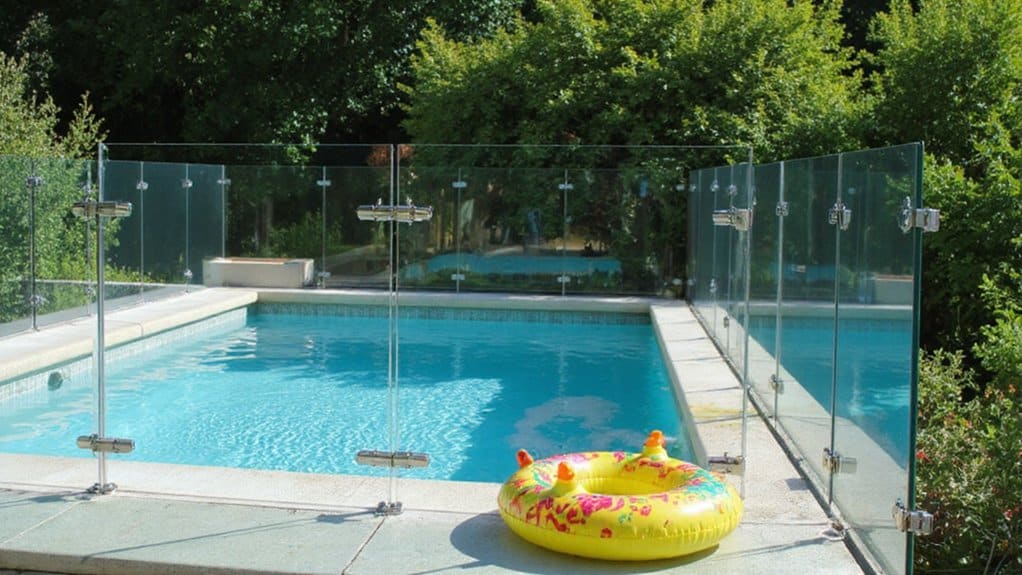
Not all fences offer the same level of protection. Certain features make a real difference.
Height is one of the most important factors. Most safety guidelines recommend a minimum of four feet. In some areas, local codes may require even more. Taller fences are harder for young children to climb.
Gate design matters just as much as the fence panels. A self-closing and self-latching gate is one of the most effective safety features you can install. When someone walks through the gate, it should swing closed on its own and latch automatically. The latch should be positioned high enough that small children cannot reach it.
Spacing between bars or panels should be narrow enough to prevent squeezing through. Large gaps create opportunities for climbing or slipping inside. Look closely at the bottom of the fence as well. There should not be enough clearance for a child to crawl underneath.
Climb resistance is another detail people overlook. Horizontal bars can act like a ladder. Smooth vertical designs are often safer because they limit footholds.
Finally, stability is critical. The fence should be anchored securely into the ground. Loose posts or weak connections reduce the level of protection and can fail over time.
When all of these elements come together, the fence becomes far more effective at preventing accidents.
Choosing the Right Pool Fence: Types and Considerations
There is no single “best” material for every home. The safest option is the one that meets safety standards, fits your yard, and is installed correctly.
Aluminum fencing is a common choice. It is strong, rust resistant, and requires little upkeep. The vertical bar design works well for safety because it limits climbing opportunities. Many homeowners like it because it blends easily with different landscaping styles. Many homeowners choose ornamental fencing for pool areas because it offers durability while maintaining a clean, classic appearance.
Mesh pool fencing is another popular option. These fences are lightweight and often removable. That flexibility can be helpful if you want temporary protection or seasonal adjustments. High quality mesh barriers are designed to resist climbing and meet safety standards.
Some homeowners also consider chain link fencing as a practical option that can be adapted to meet pool safety requirements.
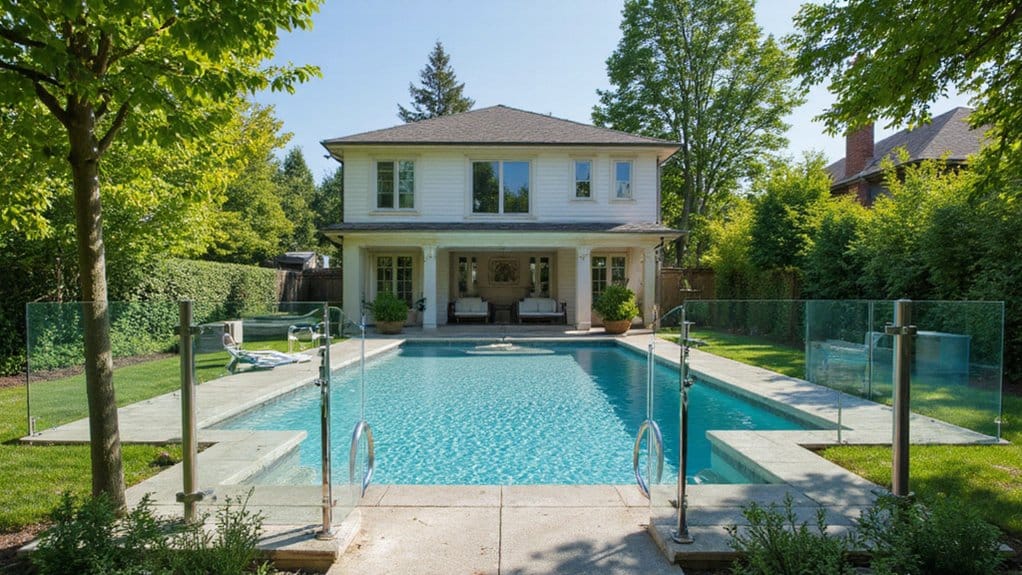
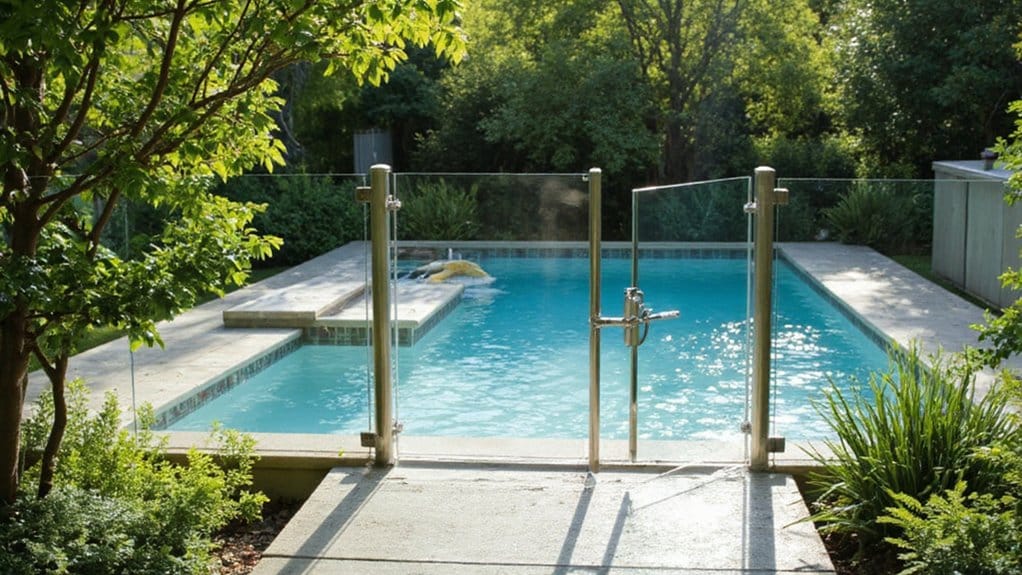
Tempered glass fencing has become more common in modern pool designs. It offers clear sightlines across the yard, which helps parents keep an eye on swimmers. The panels are strong and durable when installed properly. This style tends to cost more, but some homeowners appreciate the open look.
Vinyl fencing is also used around pools. It can provide full privacy, which may appeal to families who want a more enclosed feel. Make sure the design does not include horizontal rails on the outside that could make climbing easier.
Before choosing a material, think about a few practical questions. How visible do you want the pool area to be from the house? Do you prefer a permanent structure or something removable? What kind of maintenance are you comfortable with over the years?
Budget plays a role, but safety should guide the final decision. A well installed fence that meets code is far more important than appearance alone.
Understanding Local Pool Safety Regulations
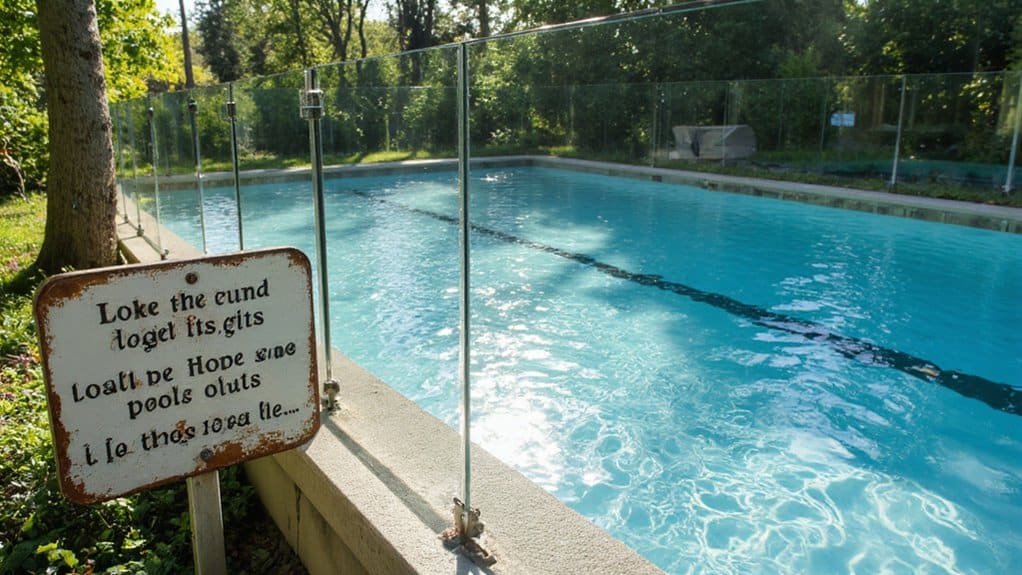
Every city and county has its own rules for pool barriers. These regulations are designed to reduce the risk of accidental drowning and improve overall safety.
In many areas, codes specify minimum fence height, maximum spacing between pickets, gate requirements, and latch placement. Some regions require alarms on gates or doors that lead directly to the pool area.
Before installing a fence, check with your local building department. They can provide current requirements and explain whether you need a permit. Skipping this step can lead to fines or costly changes later.
Regulations may also change over time. If you purchased a home with an older pool fence, it is worth reviewing whether it still meets current standards.
Following local rules protects your family and reduces legal exposure. If an accident occurs and the fence does not meet code, liability concerns can become much more serious.
Taking the time to confirm compliance is a simple but important step in the process.
How to Enhance Your Outdoor Space With Pool Fencing
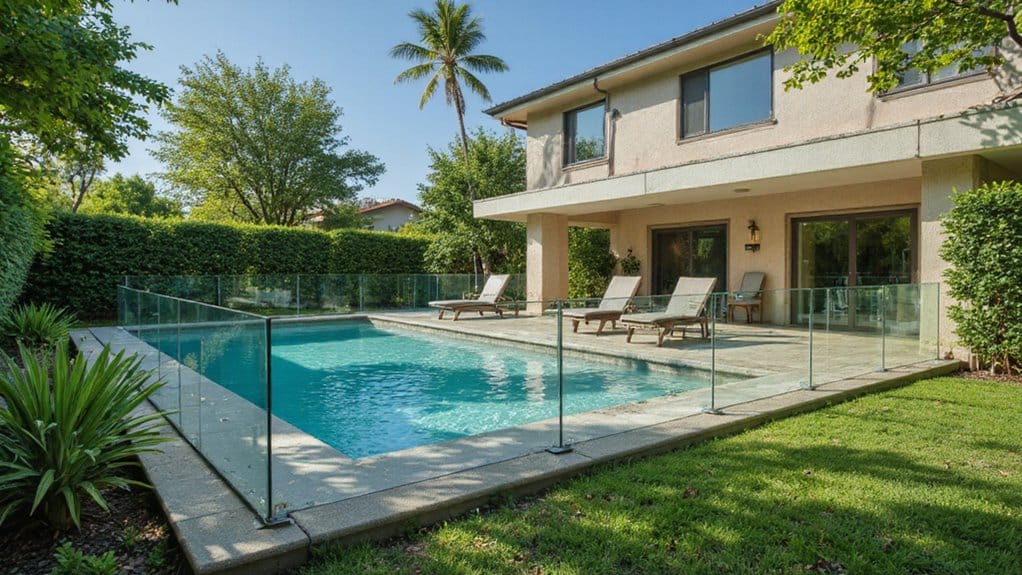
A pool fence does not have to feel intrusive or unattractive. With thoughtful design, it can complement your outdoor space.
Consider materials that match your home’s style. Wrought iron can create a classic look. Glass panels offer a clean, modern feel. Neutral tones tend to blend more easily with landscaping and patio features.
Lighting can make a difference as well. Soft pathway lights along the fence line improve visibility at night while adding warmth to the yard. Planters or decorative landscaping around the perimeter can soften the appearance of the barrier.
Some homeowners use the fence as a way to define separate zones. The pool area becomes its own dedicated space for swimming and relaxing, while the rest of the yard remains open for play or entertaining.
When safety and design work together, the result feels intentional rather than restrictive.
Frequently Asked Questions
How Tall Should a Pool Fence Be for Optimal Safety?
Most safety guidelines recommend a minimum height of four feet. Some local codes require five feet or more. Taller fences make climbing more difficult and reduce the chance of unsupervised access.
Can I Install a Pool Fence Myself?
Many homeowners choose to install certain types of pool fencing on their own, especially mesh systems. Before starting, review local building codes and permit requirements. Proper installation is essential. If you are unsure about meeting code standards, hiring a professional may be the safer option.
What Materials Are Best for Pool Fencing Durability?
Aluminum and tempered glass are both strong, weather resistant choices. Vinyl can also hold up well when installed properly. The best material depends on your climate, maintenance preferences, and design goals.
Do Pool Fences Require Maintenance?
Yes. Regular inspections help ensure posts remain secure, gates close properly, and latches function as intended. Check for rust, loose hardware, or shifting ground around posts. Addressing small issues early keeps the fence working as designed.
Are There Child-Proof Gate Options Available for Pool Fences?
Yes. Look for gates with self-closing hinges and self-latching mechanisms placed high out of reach. Some systems also include magnetic latches or keyed locks for added control.
Conclusion
Choosing the safest fence for your pool area comes down to thoughtful design and careful installation. A fence that stands at least four feet tall, includes a self-closing and self-latching gate, and meets local regulations can greatly reduce the risk of accidents.
Take time to review material options, confirm code requirements, and inspect the finished installation closely. When done correctly, a pool fence protects your loved ones while still allowing you to enjoy your outdoor space with confidence.