When you spot damage on your fence, the next step is not always obvious. Some issues look worse than they are, while others signal deeper problems beneath the surface. The right choice depends on how bad the damage is, how old the fence has become, and how much upkeep it has already needed.
A small repair can stretch your budget and buy you time. In other cases, starting fresh makes more sense and saves frustration later. Below, we will walk through the practical details that help homeowners decide what path makes the most sense for their property.
Key Takeaways
- Small, isolated damage often points toward repair rather than full replacement.
- Older fences usually cost more to keep fixing over time.
- Comparing repair costs to replacement costs helps avoid overspending.
- Ongoing care can extend the life of a fence and delay replacement.
- A solid, good looking fence can raise how buyers view your home.
Evaluating the Costs of Repairing vs. Replacing Your Fence
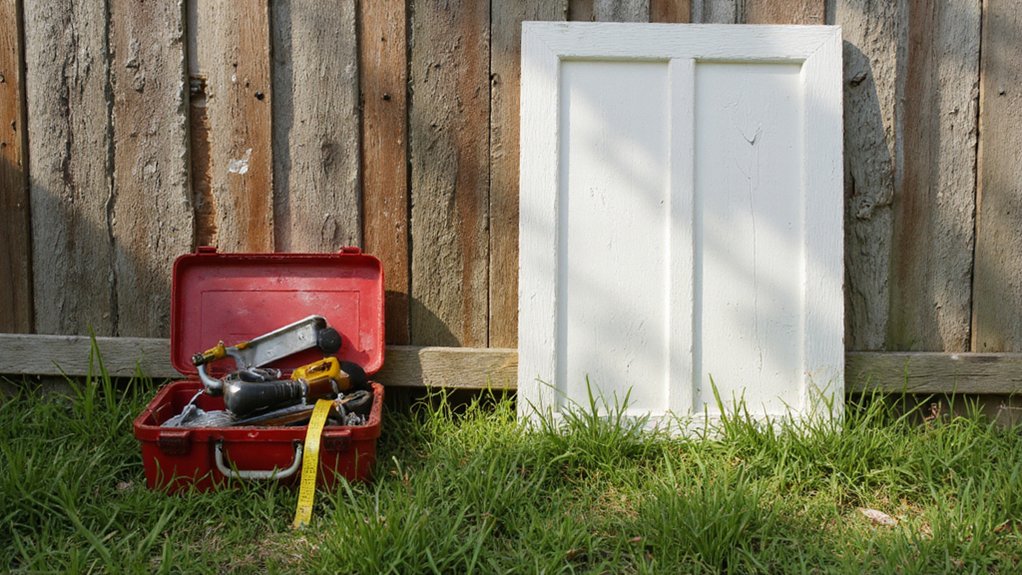
A damaged fence can feel like a surprise expense, but breaking the numbers down makes the decision easier. Start by looking closely at what needs fixing. Loose boards, popped nails, or a single leaning post usually come with a modest price tag.
Once repairs start stacking up, costs rise fast. Multiple broken sections, widespread rot, or rust across several panels often push repair bills close to the cost of installing something new.
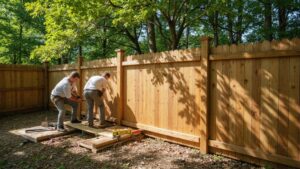
Replacement involves more than just materials. Labor, removal of the old fence, and local permits all play a part. Even so, a new fence usually lasts longer and may reduce future upkeep. Comparing both totals side by side helps you see which option fits your budget without cutting corners.
Assessing the Extent of Damage to Your Fence
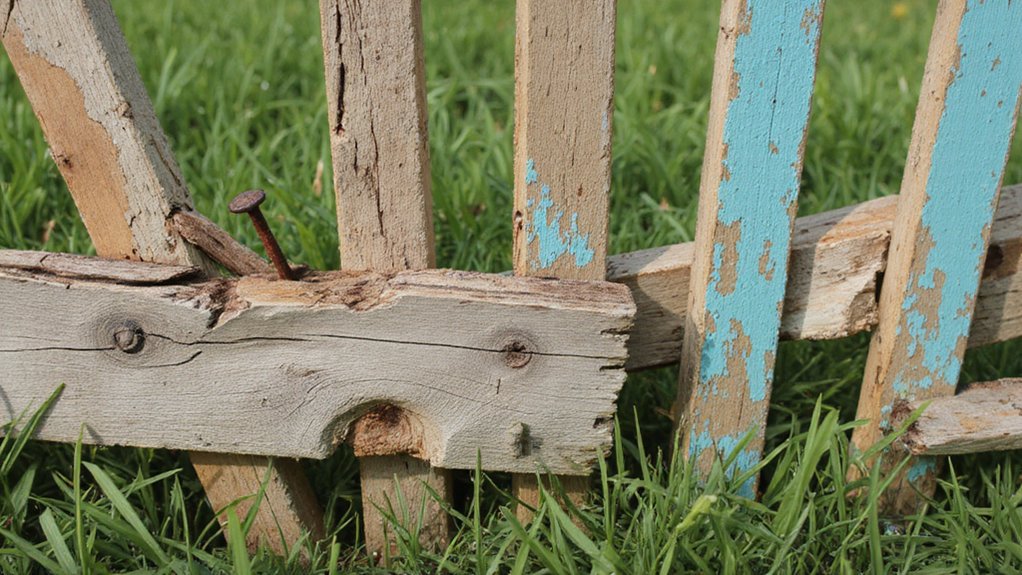
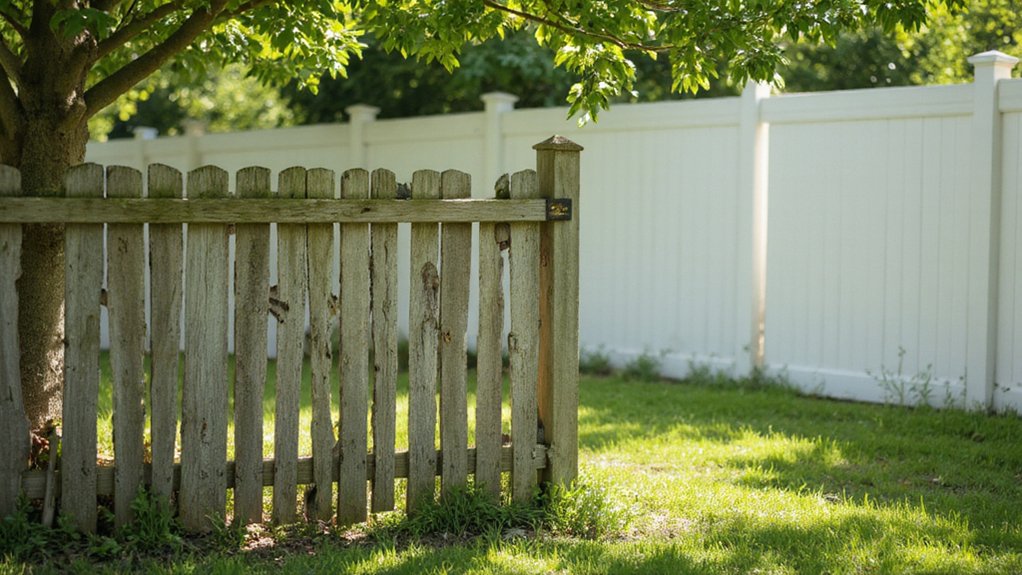
Before making a final call, take a slow walk around your fence line. Look for clear warning signs that point to deeper trouble. Wood fences often show rot near the base or along horizontal rails. Metal fences may show flaking, corrosion, or bent sections.
Pay attention to posts. If several are leaning or pulling loose from the ground, repairs may not hold for long. Gaps between panels, missing fasteners, and warped boards can weaken the structure as well.
Insect damage also matters, especially with wood. Termites and carpenter ants can hollow out boards while leaving the surface intact. When problems appear across many sections, replacement usually brings better results. Isolated damage in one area often points toward repair.
How Long Will Your Fence Last? Maintenance Considerations
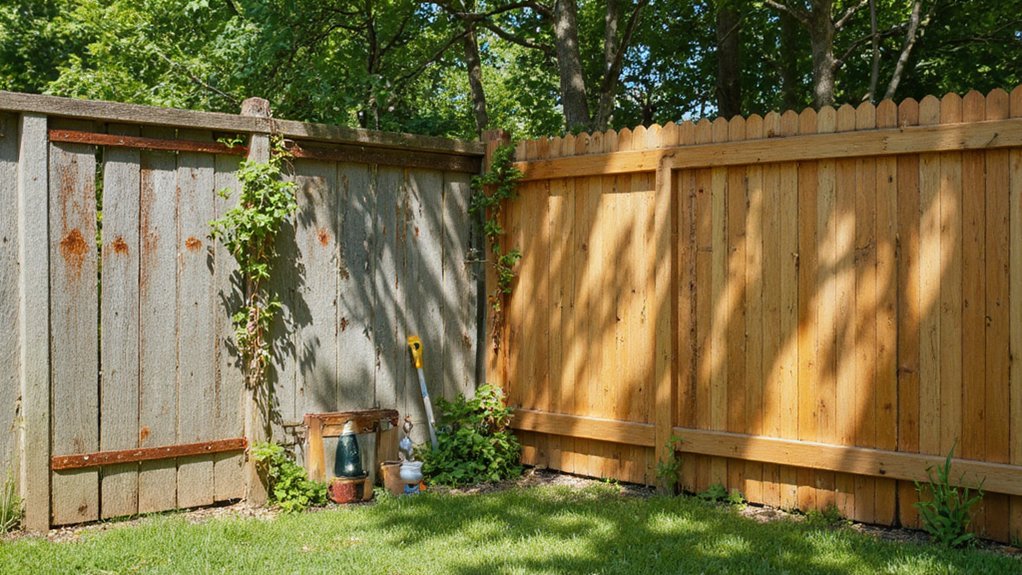
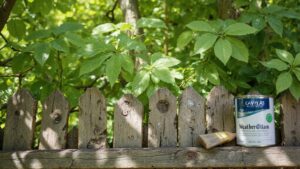
A fence can look fine on the surface while nearing the end of its useful life. Knowing what material you have makes a big difference. Wood fences often last longer when sealed or painted on a regular schedule. Without care, moisture and sun exposure shorten their lifespan.
Vinyl fences need less attention but still benefit from occasional cleaning. Dirt buildup and mildew can stain panels if ignored. Metal fences last for years when protected from rust and ground moisture.
Routine checks help catch small problems early. Walk the fence line twice a year. Tighten loose hardware, replace cracked boards, and make sure water drains away from posts. Trimming nearby branches also reduces storm damage. Small habits like these often delay major repairs.
How Does Your Fence Affect Home Value?
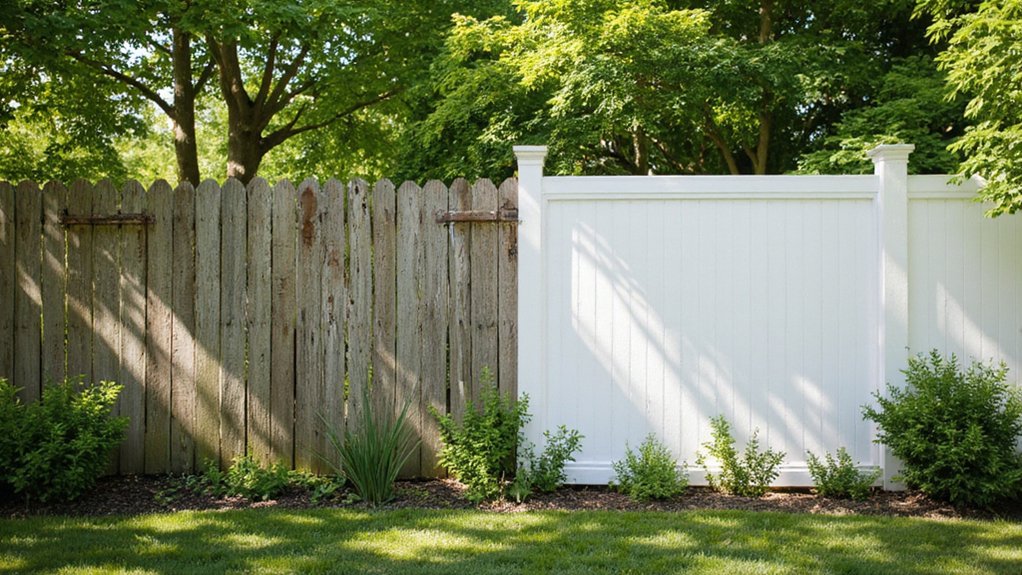
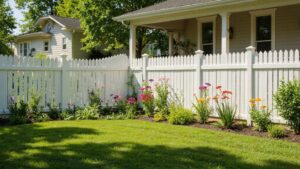
A fence does more than mark property lines and home value. It shapes how people feel when they see your home for the first time. A straight, clean fence adds privacy and creates a sense of care that buyers notice right away.
Worn or broken fencing sends the opposite message. Buyers may assume other parts of the property need work too. This can lead to lower offers or longer listing times.
Spending money on fence repairs or a full replacement often pays off during resale. A strong, attractive fence frames the yard and makes the home feel finished. It also signals that the property has been looked after, which matters to buyers.
Making the Final Decision: Repair or Replace?
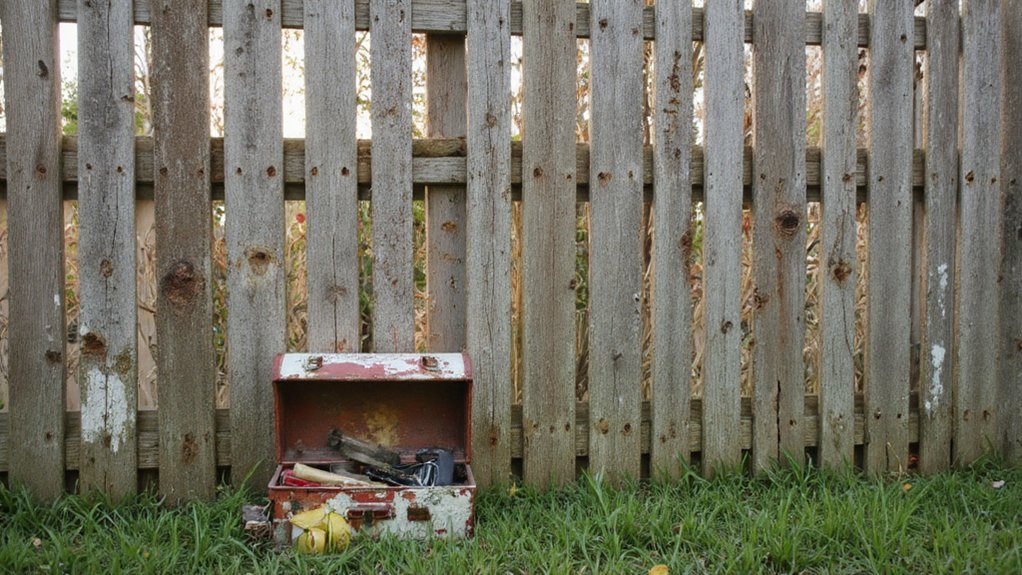
Choosing between repair and replacement comes down to a few clear points. Start with condition. Small issues like cracked boards or loose rails are often easy to fix. Replacing those parts can restore strength without major expense.
If the fence sags, shows heavy rust, or has rot in many areas, repairs may only delay the inevitable. Age matters too. A fence nearing the end of its expected lifespan often costs more to keep patching than starting over.
Budget plays a role, but so does peace of mind. A new fence offers consistency, fewer repairs, and a clean look. Comparing short term savings with long term results helps guide the choice.
Frequently Asked Questions
Can I Repair My Fence Myself or Should I Hire a Professional?
Minor repairs are often manageable for homeowners with basic tools. Replacing a few boards or tightening hardware usually takes little time. When damage affects posts or large sections, a professional can finish the job faster and avoid mistakes.
What Materials Are Best for a Long-Lasting Fence?
Cedar and redwood hold up well against moisture and insects. Vinyl resists rot and needs little upkeep. Aluminum and galvanized steel last for years and work well in many climates.
How Do I Find a Reputable Fencing Contractor?
Start with local reviews and ask neighbors who have had recent work done. Look for contractors who carry insurance and can show examples of past projects. Clear estimates and timelines are also a good sign.
What Permits Are Needed for Fence Replacement?
Permit rules vary by location. Many cities require permits based on fence height or placement. Checking with your local building office before starting helps avoid delays or fines.
How Does Weather Impact Fence Longevity and Maintenance?
Rain, snow, and heat all take a toll over time. Seasonal checks help catch issues early. Sealing wood, clearing debris, and watching for shifting posts can reduce weather related damage.
Conclusion
Deciding whether to repair or replace your fence takes more than a quick glance. Look closely at the damage, consider the fence’s age, and compare costs honestly. Minor fixes can extend the life of a fence that is still in good shape. Widespread damage or advanced wear often makes replacement the better choice. Pick the option that fits your budget while supporting long term value for your home.