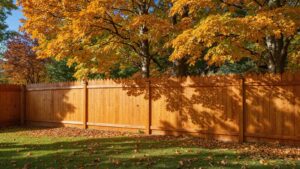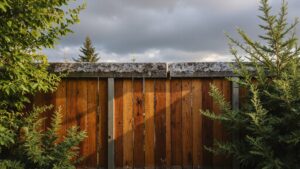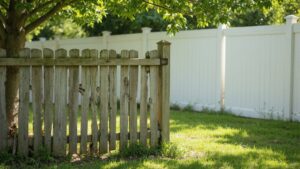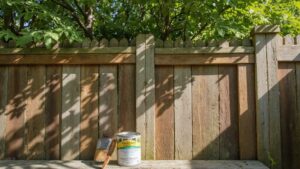
When you install a wood fence, it adds warmth and character to your property right away. But wood is a natural material. It changes with the seasons, reacts to moisture, and needs routine care to stay strong.
The good news is that maintenance is manageable. With steady upkeep and a bit of attention each year, your fence can look good and hold up well for a long time.
Let’s walk through what wood fence maintenance really involves and what you can expect over the years.
Key Takeaways
- Clean your wood fence every six to twelve months using a mixture of water and mild detergent.
- Inspect it regularly for rot, insect damage, and loose boards.
- Apply exterior paint or stain every few years to protect the wood.
- Trim vegetation around the fence to reduce moisture and pest issues.
- Call a professional if you notice major structural damage or leaning posts.
Why Choose a Wood Fence: Key Features and Benefits
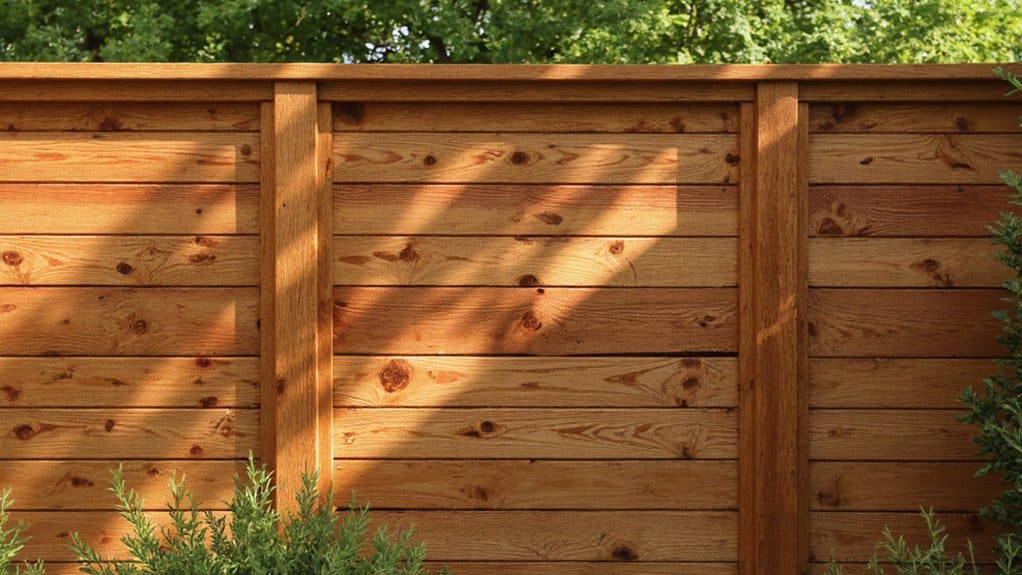
A wood fence remains one of the most popular fencing choices for a reason. It looks natural, blends easily into almost any landscape, and offers a classic style that never feels out of place.
Wood also gives you flexibility. You can choose different heights, board styles, stains, and paint colors. Whether you prefer a privacy fence or a decorative picket design, wood makes that possible.
Many homeowners also appreciate that wood is biodegradable and can be sourced from responsibly managed forests. With steady care, a well-built wood fence can last for many years and continue to add curb appeal and privacy to your yard.
That said, wood does require more hands-on care than vinyl or chain link fencing. Knowing what that involves helps you plan ahead.
How Often Should You Clean Your Wood Fence?
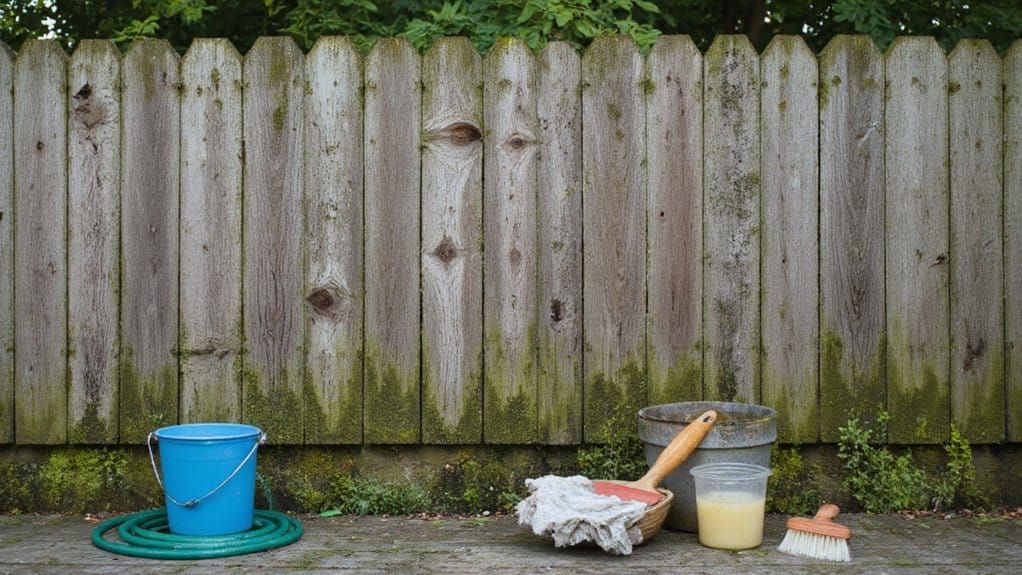
Cleaning is one of the simplest ways to protect your fence.
In most climates, washing your wood fence every six to twelve months works well. This prevents dirt, algae, mildew, and grime from settling into the surface.
If you live in a humid area or near trees that drop sap and debris, you may need to clean it more often. Shady areas tend to hold moisture longer, which can lead to mildew growth.
For general cleaning, mix water with a mild detergent. Use a soft brush to scrub problem areas. A pressure washer can work too, but keep it on a low setting and avoid spraying too close to the boards. Too much pressure can splinter the wood.
After washing, rinse thoroughly. Let the fence dry completely before applying any stain or sealant.
Keeping up with simple cleaning helps prevent bigger problems later.
Key Maintenance Tasks for Wood Fences
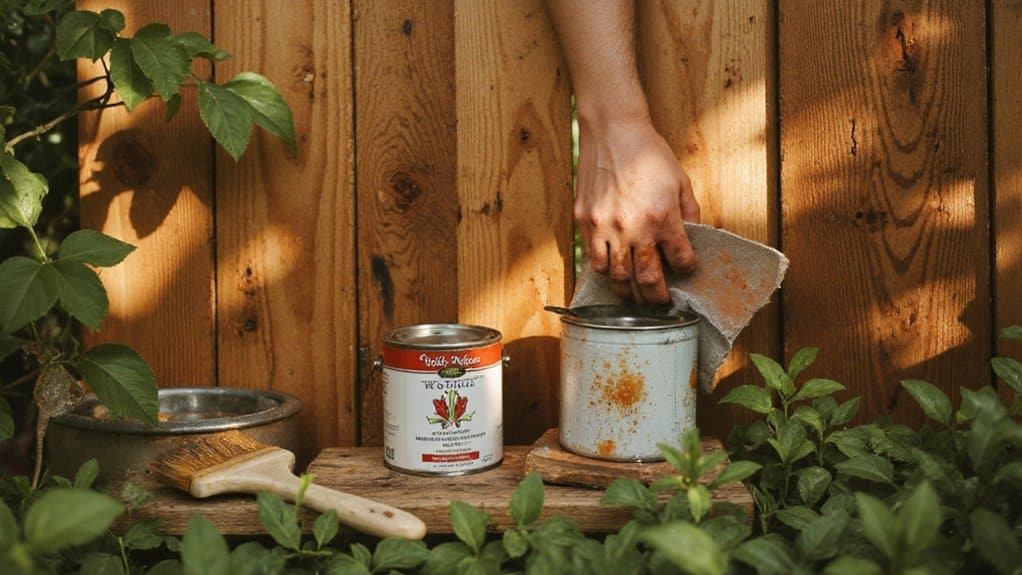
Cleaning is just one part of the picture. Ongoing inspection and small repairs are just as important.
Walk along your fence a few times a year and look closely at the boards and posts. Press gently on areas that look darker or softer than the rest. Soft spots can signal early rot.
Check for:
- Loose nails or screws
- Warped or cracked boards
- Leaning posts
- Signs of insect activity
- Splitting wood near fasteners
Replacing one damaged board is much easier than rebuilding a whole section later. Tightening hardware or reinforcing a weak panel early can keep the structure stable.
Painting or staining is another core maintenance task. Most fences need a fresh coat every two to three years, though this depends on climate and sun exposure. If the finish looks faded or water no longer beads on the surface, it is time to recoat.
Also, trim back grass, vines, and shrubs around the fence line. Plants trap moisture against the wood and can invite insects.
A few small tasks each year go a long way.
Why Sealing and Staining Your Fence Matters
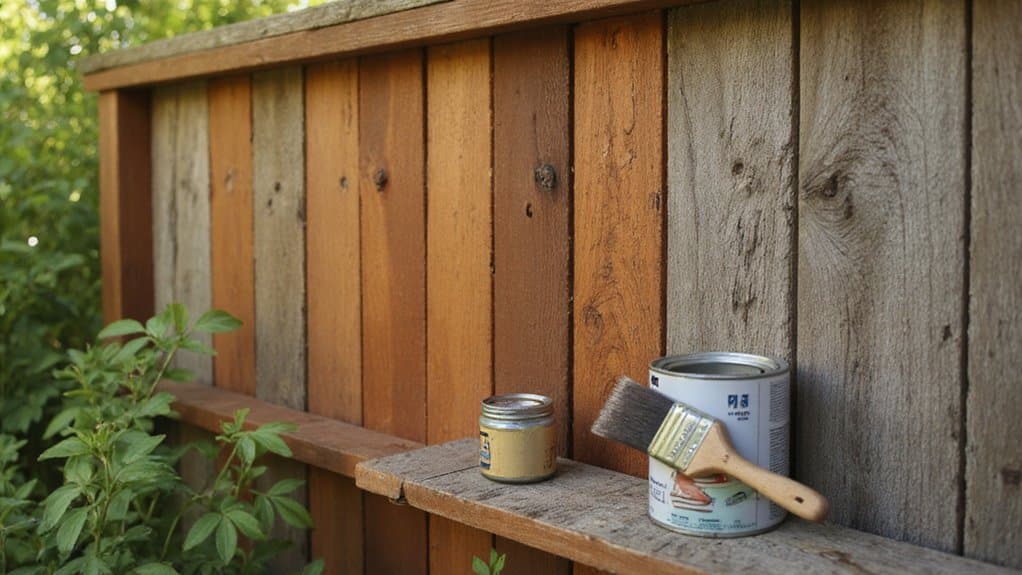
Sealing and staining protect your fence from two main threats, moisture and sunlight.
Moisture can soak into unprotected wood. Over time, this leads to swelling, warping, cracking, and rot. A sealant forms a barrier that slows water absorption.
Sun exposure creates a different issue. Ultraviolet rays dry out wood fibers and cause fading. Stain helps block some of that exposure while enhancing the natural grain.
You can choose between clear sealers, semi transparent stains, or solid color stains. Clear products show off the wood grain but may need more frequent reapplication. Solid stains provide stronger color coverage and longer protection.
Apply stain or sealant on a dry day when the wood is completely dry. Use a brush or roller and work from top to bottom. Cover posts and the lower edges carefully, since these areas often face the most moisture.
Reapply every few years, depending on how your fence looks and performs. When water stops beading on the surface, it is usually time.
Identifying and Repairing Common Wood Fence Issues
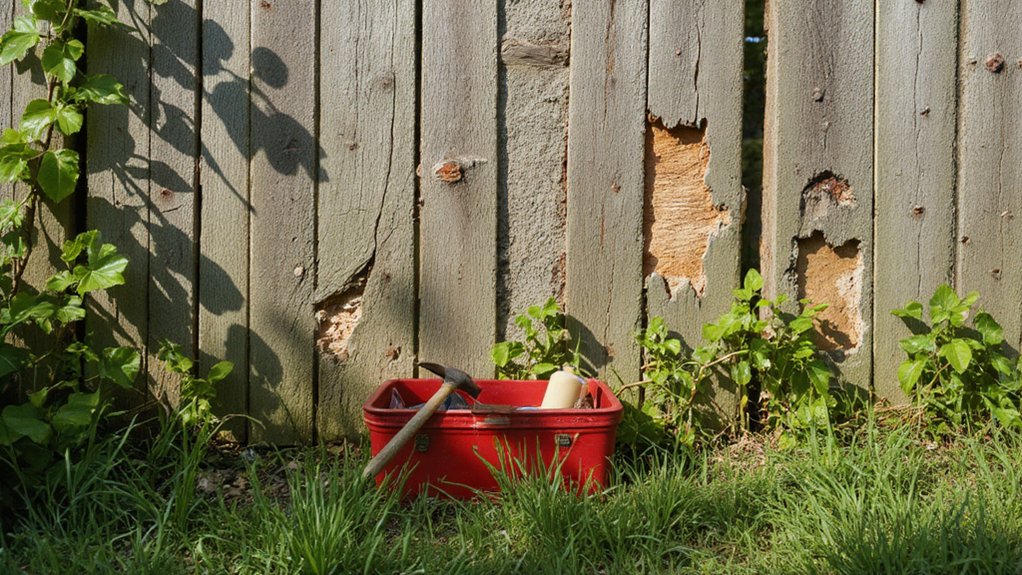
Even with steady care, wood fences can develop problems. Catching them early keeps repair costs manageable.
Common Wood Fence Problems
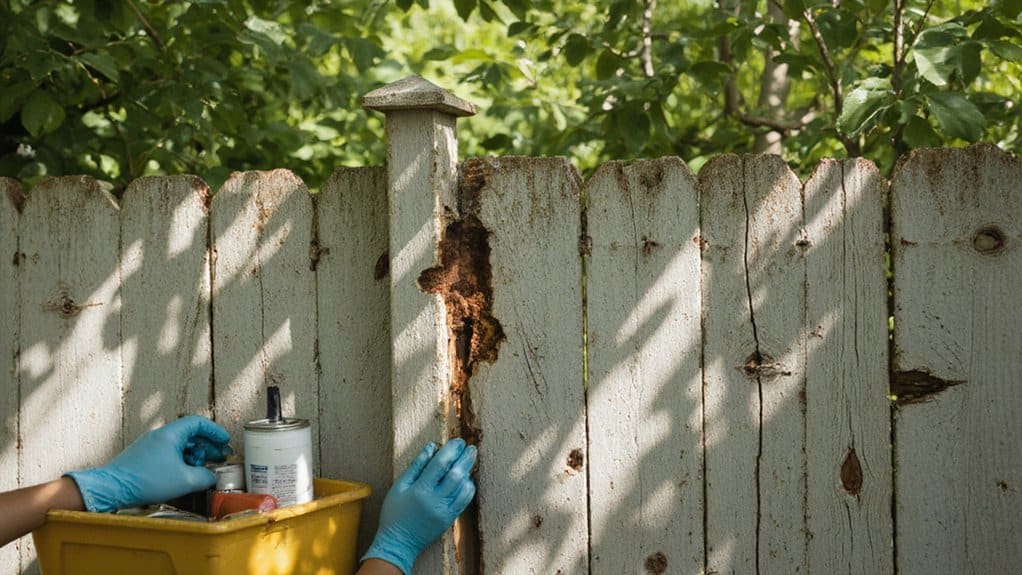
Wood rot is one of the most common concerns. It usually starts where moisture lingers, such as near the base of posts or in shaded corners. Discoloration, soft spots, and crumbling wood are warning signs.
Insect damage is another issue. Termites and carpenter ants can tunnel into wood and weaken it from the inside. Small holes, fine sawdust near the base, or hollow sounding boards deserve attention.
Boards can also warp or twist as they dry out. Temperature swings and moisture changes cause wood to expand and contract. Over time, that movement may lead to cracks or gaps.
Leaning posts often point to soil movement or weakened footings. If ignored, they can pull down entire sections.
Repair Techniques and Practical Tips
Start with regular inspections so you know what you are dealing with.
Loose boards are usually an easy fix. Tighten screws or replace rusted fasteners. If a board has split around a nail, remove it and secure it with screws instead.
For rot, cut away the damaged section and replace it with new treated wood. Make sure the replacement piece fits tightly. Seal or stain it after installation.
Minor cracks can sometimes be repaired with exterior wood filler. Sand the area smooth once it dries, then reseal.
If a post is leaning, you may need to dig around it and reset it with fresh concrete. In more serious cases, replacing the post entirely makes more sense.
Taking care of repairs early keeps your fence strong and safe.
How Weather Affects Wood Fence Maintenance
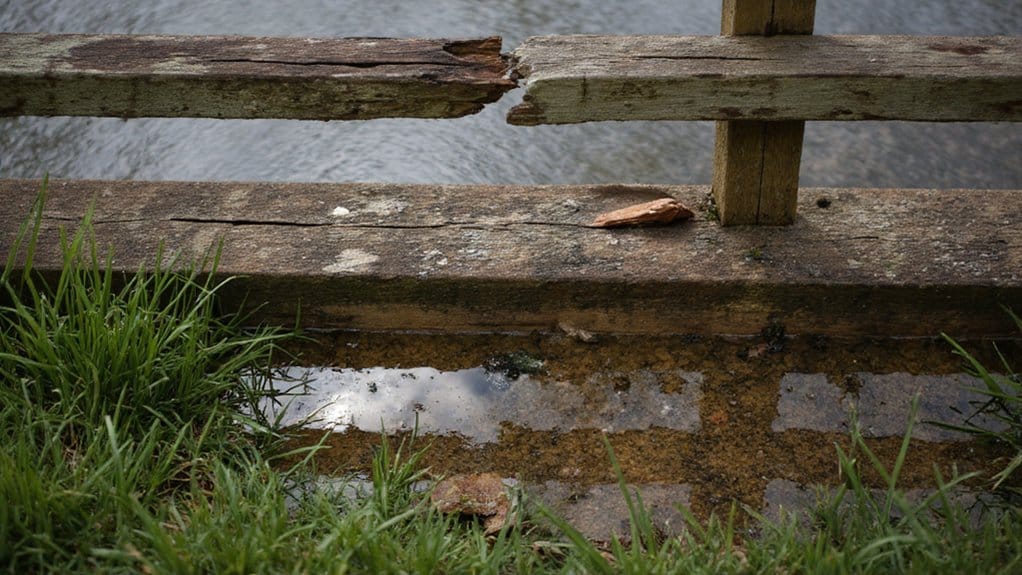
Weather plays a steady role in how often you need to maintain your fence.
Heavy rain and high humidity increase the risk of rot and mildew. In wet climates, you may need to inspect and reseal more often.
Strong sun dries out wood fibers. Over time, this leads to fading, surface cracks, and a rough texture. Fences in open areas with little shade usually need more frequent staining.
Cold winters can also cause movement. Freeze and thaw cycles shift soil around fence posts. This can loosen footings and cause leaning sections.
Pay attention to how your fence reacts to local conditions. A quick seasonal walk around your yard can help you catch changes early.
Tips for Extending the Life of Your Wood Fence
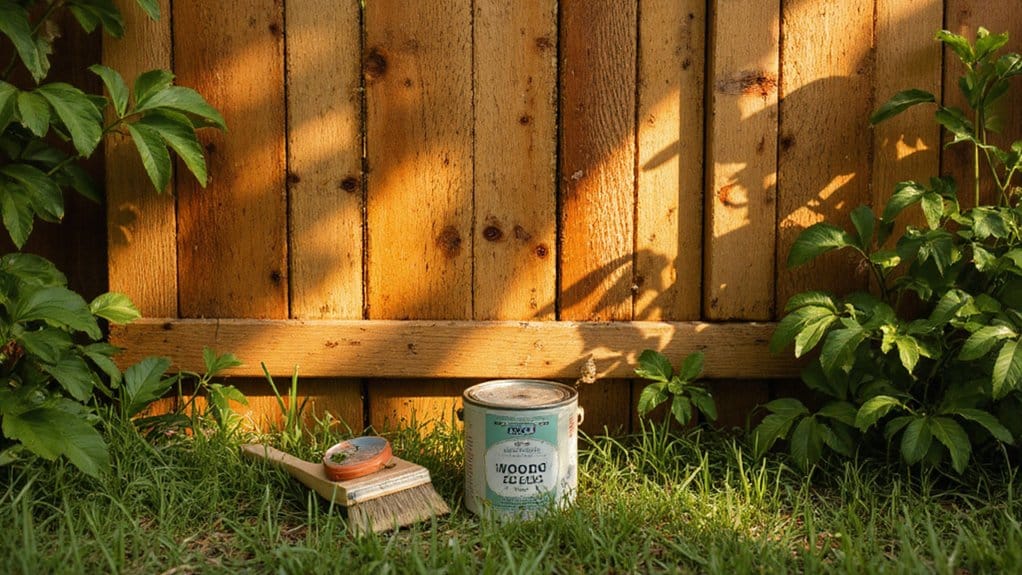
Extending the life of your wood fence comes down to steady habits.
Regular Cleaning Schedule
Plan to clean your fence once a year at minimum. Spring and fall are both good times. This clears away built up dirt and organic growth before extreme weather sets in.
Use gentle cleaning products. Harsh chemicals can weaken wood fibers and strip protective coatings. Rinse thoroughly and let the fence dry fully before moving on to sealing or staining.
While cleaning, look for early signs of damage. Small cracks and loose boards are easier to fix right away.
Protective Sealant Application
After cleaning and drying, apply a protective sealant or stain as needed.
Choose a dry stretch of weather. Avoid applying products right before rain or during high humidity. Work carefully and cover all exposed surfaces.
Pay extra attention to horizontal surfaces and the bottom of boards, since they collect the most moisture.
Reapply every two to three years, or sooner if the finish shows wear.
Prompt Repairs Matter
Delaying repairs often turns small issues into larger ones.
Make it a habit to check your fence a few times a year. Tighten loose hardware. Replace damaged boards. Treat insect activity right away.
A simple maintenance checklist can help you stay organized. A few minutes of attention each season can prevent costly rebuilds later.
When to Seek Professional Help for Wood Fence Maintenance?
Some situations call for experienced help.
If your fence has large areas of rot, multiple leaning posts, or structural instability, a professional can assess whether repair or replacement makes more sense.
Major post replacements, extensive insect damage, or long sections that have shifted out of alignment can require tools and experience that go beyond basic DIY work.
If you feel unsure about the scope of the damage or how to fix it properly, reaching out to a fencing contractor can save time and frustration.
Frequently Asked Questions
Can I Paint My Wood Fence Instead of Staining It?
Yes, you can paint your wood fence. Paint provides solid color coverage and can last several years. Just keep in mind that peeling paint requires more preparation work when it is time to recoat.
What Types of Wood Are Best for Fences?
Cedar and redwood are popular choices. Both resist rot and insects better than many other wood types. Pressure treated pine is also common and more budget friendly, though it still needs routine maintenance.
How Long Can I Expect My Wood Fence to Last?
Most wood fences last between 10 and 15 years. Climate, wood type, installation quality, and maintenance all play a role. Regular cleaning and sealing can extend that lifespan.
Will Pressure Washing Damage My Wood Fence?
It can if the pressure is too high. Use a low setting and keep the nozzle at a safe distance. Too much force can splinter the surface and strip protective coatings.
How Do I Prevent Pests From Damaging My Wood Fence?
Keep the area around your fence clear of debris and vegetation. Seal exposed wood. Inspect for signs of termites or ants and treat problems early to prevent deeper damage.
Conclusion
A wood fence does need ongoing care, but it is not overwhelming.
Clean it once or twice a year. Inspect it for damage. Seal or stain it every few years. Fix small problems before they grow.
With steady attention, your fence can stay strong, attractive, and functional for many years. A little maintenance each season protects your investment and keeps your outdoor space looking its best.