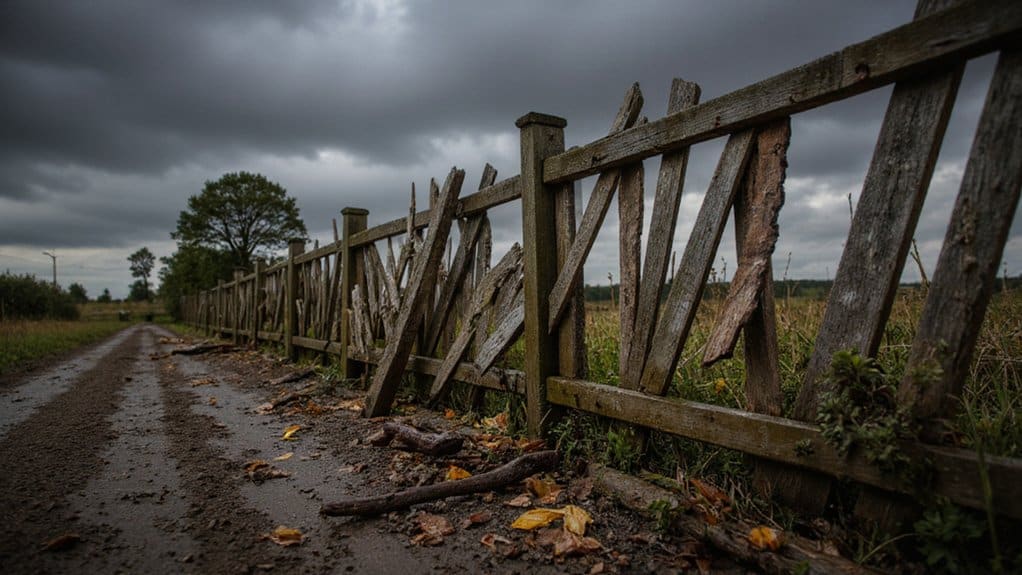
After a storm rolls through, a leaning fence can quickly become an eyesore and a safety concern. Heavy rain, strong winds, and soaked soil all put pressure on fence posts and panels. In many cases, the problem starts below the surface where shifting ground weakens the support holding the fence upright.
Wood fences are especially vulnerable after bad weather because moisture can soften the wood and loosen the posts. Vinyl and metal fences can also lean when the ground around them becomes unstable. Understanding what caused the problem is the first step toward fixing it properly and preventing more damage later.
Let’s take a closer look at what causes fences to lean after storms, how to inspect the damage, and what you can do to get your fence back into shape.
Key Takeaways
- Strong winds and heavy rain can weaken fence posts and foundations.
- Soil erosion often causes fence posts to shift or sink after storms.
- Wood fences are more likely to bend or lean during severe weather.
- Poor installation can make fences more likely to fail during storms.
- Regular maintenance helps reduce storm-related fence damage.
How to Assess Your Fence for Damage
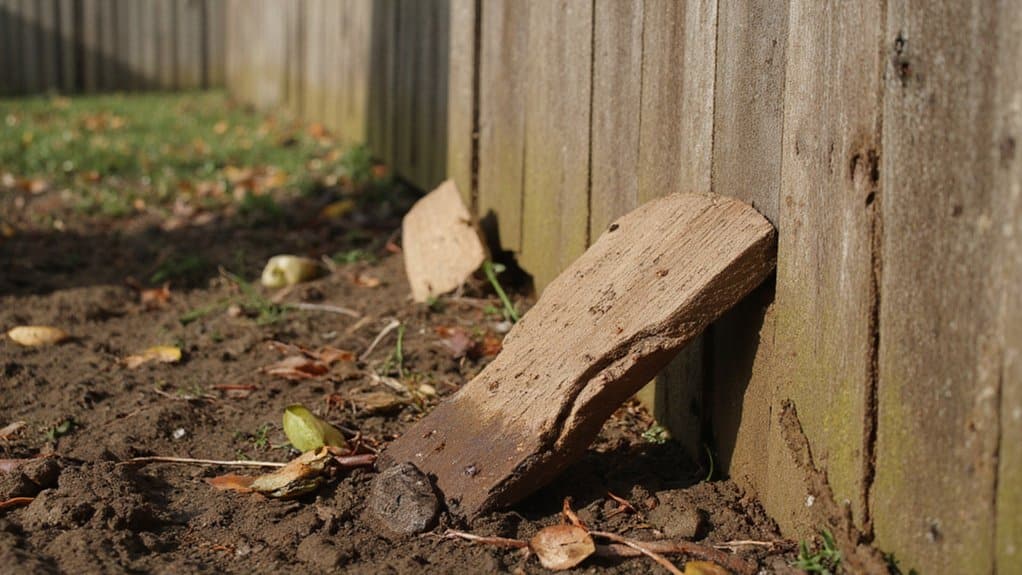
Once the storm has passed, take time to inspect your fence carefully. Even small signs of damage can turn into larger problems if they are ignored.
Start by walking along the entire fence line. Look for leaning sections, cracked boards, loose panels, or posts that appear crooked. Pay attention to areas where water may have pooled during the storm since saturated soil can weaken the ground around the posts.
Check the fence material closely. Wooden fences may show signs of splitting, warping, or rotting after heavy moisture exposure. Metal fences can develop bent sections or loose fasteners, while vinyl fences may crack under pressure from strong winds.
Fence posts are one of the most important parts to inspect. A fence can only remain stable if the posts are firmly secured in the ground. If you notice movement when pushing on a post, the soil underneath may have shifted.
You should also inspect the ground itself. Erosion around the base of the posts is a common issue after storms. When water washes soil away, the post loses support and begins to lean over time.
Taking notes and photos can help you track the damage and decide whether the repairs are manageable on your own or require professional help.
Top Causes of Leaning Fences After Storms
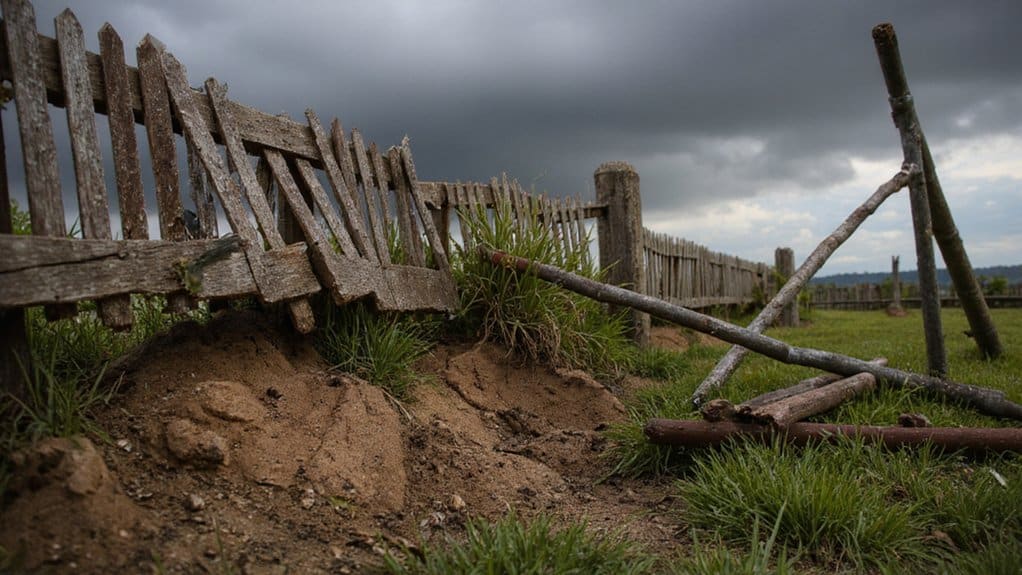
Storms place a lot of stress on fences, especially older ones or fences that were not installed correctly. Several common problems can lead to a fence leaning after severe weather.
Strong Wind Pressure
High winds are one of the biggest reasons fences lean during storms. Wind pushes against the fence panels, creating pressure that can loosen posts or pull sections out of alignment.
Privacy fences often experience more wind resistance because solid panels block airflow completely. Over time, repeated storms can weaken the structure and make the fence less stable.
Saturated Soil
Heavy rain can soak the soil surrounding the fence posts. When the ground becomes too soft, the posts may start shifting or sinking.
Clay-heavy soil tends to hold water longer, which increases the chances of movement after storms. Poor drainage around the fence line can make this problem even worse.
Soil Erosion
Fast-moving water can wash soil away from the base of the fence posts. Even small amounts of erosion reduce support and create instability.
This issue is common on sloped properties where rainwater naturally flows downhill. Once erosion starts, leaning often becomes more noticeable with each storm.
Aging Fence Materials
Older fences naturally weaken over time. Wood can rot, nails may loosen, and hardware can corrode after years of weather exposure.
A fence that already has wear and tear is far more likely to lean when strong winds or heavy rain hit.
Poor Installation
Improper installation is another major reason fences fail during storms. Fence posts need to be deep enough and properly secured with concrete to handle changing weather conditions.
Shallow posts or weak foundations may hold up under normal conditions but struggle during severe weather.
While chain link fences usually handle wind better than solid privacy fences, loose posts and soil erosion can still cause sections to lean after heavy storms.
How to Fix a Leaning Fence
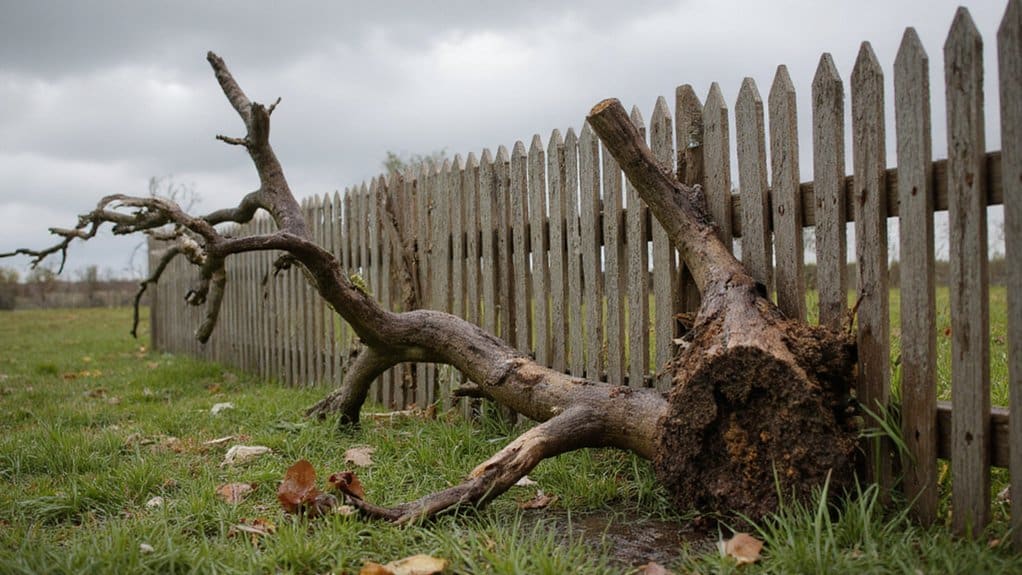
Fixing a leaning fence quickly can prevent the damage from spreading. The right repair method depends on the condition of the posts, panels, and surrounding soil.
Straighten and Brace the Fence
If the posts are still in decent condition, temporary bracing may help stabilize the fence. Push the fence back into position carefully and secure it using angled support boards.
Attach the braces firmly to the fence post and anchor them into the ground. This helps hold everything in place while you complete permanent repairs.
Replace Damaged Posts
Rotted or broken posts usually need full replacement. Start by removing the damaged post and digging out old concrete if necessary.
Install a new pressure-treated post and secure it with fresh concrete. Make sure the post is level before the concrete begins to harden.
Allow enough drying time before reattaching fence panels.
Reinforce Loose Sections
Loose panels and rails can place extra strain on nearby posts. Tighten screws, replace damaged brackets, and secure any weak connections.
Sometimes a fence leans simply because the hardware holding it together has loosened after years of weather exposure.
Improve Drainage Around the Fence
If water buildup caused the leaning, improving drainage can help prevent future movement. Adding gravel around posts or adjusting the slope near the fence line can reduce standing water.
Good drainage protects the fence foundation and keeps the surrounding soil more stable during storms.
Preventing Future Fence Damage
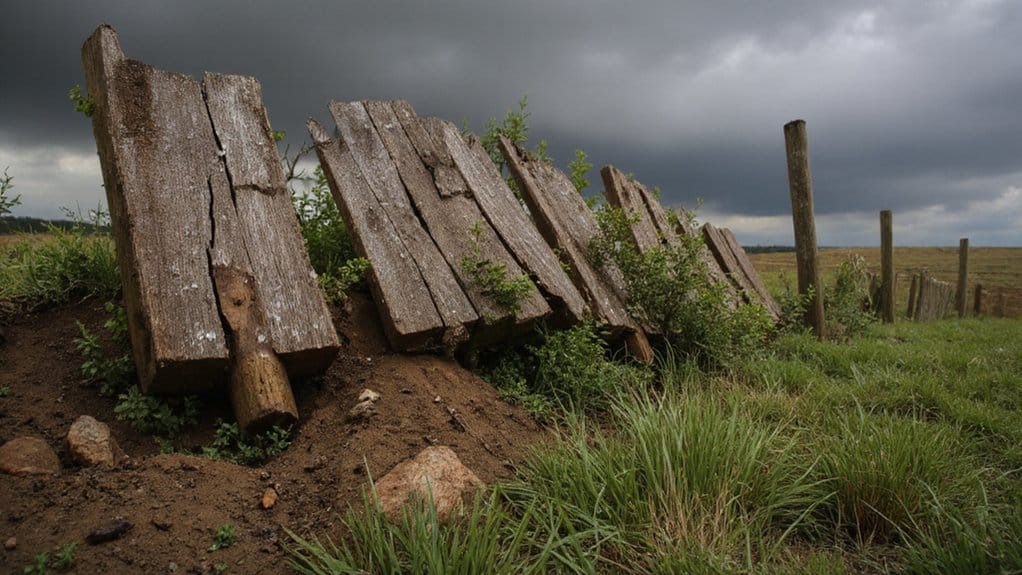
A little maintenance throughout the year can help your fence handle harsh weather more effectively.
Inspect the fence regularly, especially before storm season begins. Catching small problems early often prevents expensive repairs later.
Wood fences benefit from waterproof sealants that protect against moisture damage. Reapplying stain or sealant every few years helps extend the life of the wood.
Trim bushes, tree branches, and heavy vegetation near the fence. Overgrown plants can push against the fence and create additional pressure during storms.
You should also monitor drainage around your yard. Water should move away from the fence line instead of collecting near the posts.
For areas with frequent storms or strong winds, deeper fence posts and reinforced brackets may provide extra support.
Routine maintenance keeps the structure stronger and reduces the chances of leaning after severe weather.
When Should You Call a Professional for Fence Repairs?
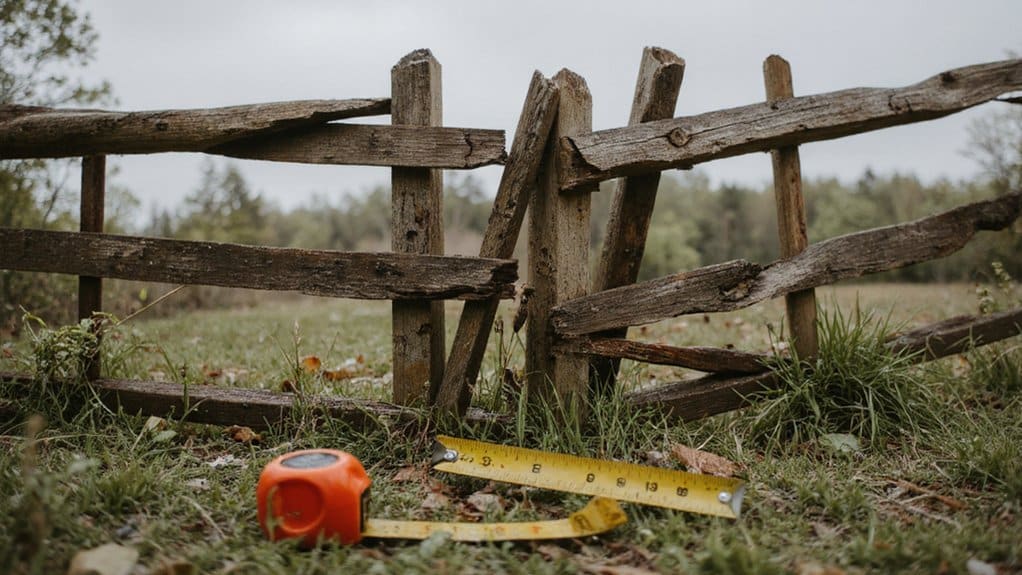
Some fence problems are simple enough to handle on your own, but certain situations call for professional repairs.
If multiple sections of the fence are leaning or the posts have completely shifted out of the ground, professional help is often the safest option. Structural damage can spread quickly if repairs are not done correctly.
You should also contact a professional if the fence has extensive rot, major storm damage, or signs of foundation failure. Large repairs often require specialized tools and experience.
A contractor can inspect the fence thoroughly and identify hidden issues that may not be obvious during a quick inspection. They can also recommend stronger installation methods to help the fence stand up better during future storms.
Professional repairs may cost more upfront, but they often prevent repeated problems and longer-term damage.
Frequently Asked Questions
Can I Repair My Fence Myself Without Professional Help?
Yes, many small fence repairs can be handled without hiring a contractor. Replacing loose boards, tightening hardware, or reinforcing minor leaning sections are common DIY repairs. Larger structural issues usually require more experience and equipment.
How Long Can a Leaning Fence Remain Stable?
A leaning fence may remain standing for a short period, but the condition often worsens over time. Wind, rain, and shifting soil can make the lean more severe and increase the chances of collapse.
Will My Homeowner’s Insurance Cover Fence Damage?
Some homeowner’s insurance policies cover fence damage caused by storms or falling debris. Coverage depends on your policy details and deductible. Reviewing your policy or speaking with your insurance provider can clarify what is included.
What Materials Are Best for Durable Fences?
Vinyl, aluminum, and pressure-treated wood are popular choices for durability. Vinyl resists moisture well, while metal fences provide excellent strength. Pressure-treated wood offers a traditional look with added protection against rot and insects.
How Often Should I Inspect My Fence for Damage?
Inspecting your fence at least twice a year is a good habit. It’s also smart to check the fence after major storms so you can catch damage early before it becomes more serious.
Conclusion
A leaning fence after a storm is usually caused by strong winds, soaked soil, erosion, or aging materials. In some cases, poor installation also plays a role. Taking time to inspect the damage early can help you avoid larger repairs later.
Simple fixes like reinforcing posts or improving drainage may solve the problem if the damage is minor. Regular inspections and routine maintenance also help your fence stay stronger during future storms.
If the fence has major structural damage or multiple failing sections, contacting a professional is often the safest path forward.