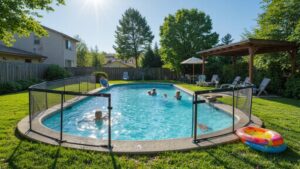
When it comes to keeping your home safe, a pool fence is one of the most effective safety features you can install. While swimming pools provide hours of enjoyment, they also come with risks, especially for young children and pets. A properly installed pool fence creates a secure barrier that helps prevent accidents and gives families greater peace of mind.
From reducing the risk of drowning to helping homeowners meet local safety requirements, pool fences serve an important purpose. Understanding how they work and what features to look for can help you make the right choice for your property.
Key Takeaways
- Pool fences create a barrier that helps prevent unsupervised access to swimming pools.
- Self-closing gates and child-resistant locks add another layer of protection.
- Proper fencing can lower the risk of drowning incidents involving children and pets.
- Durable materials and routine maintenance help keep pool fences effective over time.
- Some insurance providers may offer lower premiums for homes with approved pool safety features.
Why Pool Fences Are Essential for Family Safety
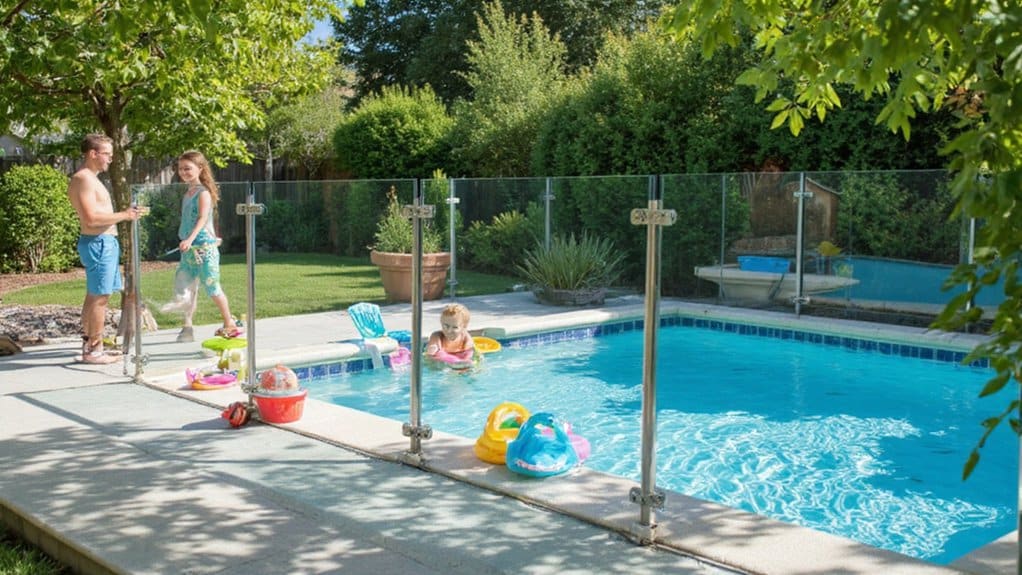
A swimming pool can quickly become a hazard when children gain access without adult supervision. Even a brief distraction can create a dangerous situation.
Pool fences help reduce that risk by creating a clear physical boundary around the water. This barrier limits access and helps ensure that children cannot reach the pool area on their own.
A fence also reinforces household safety rules. Children learn that the pool area is a restricted space and that they should only enter when a responsible adult is present.
Visitors, neighbors, and extended family members also benefit from these safety measures. A clearly fenced pool area sends a strong message that safety comes first.
Installing a pool fence is one of the simplest ways to create a safer environment while still enjoying everything a backyard pool has to offer.
How Pool Fences Help Prevent Drowning Accidents
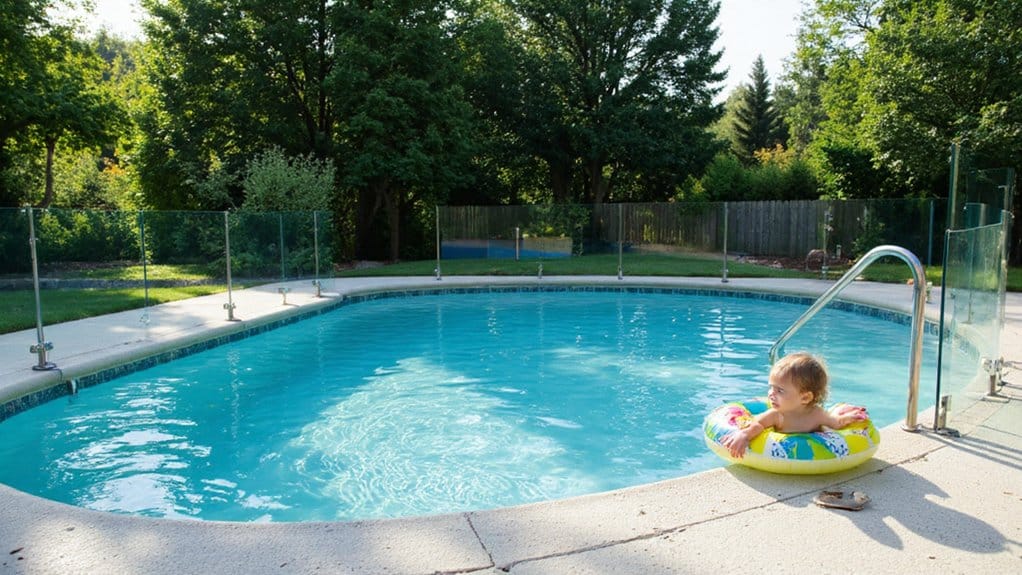
Drowning remains one of the leading causes of accidental injury and death among young children. Many incidents occur when children wander into pool areas unnoticed.
A pool fence acts as a protective barrier between children and the water. By restricting direct access, it helps prevent situations where a child could enter the pool area without supervision.
Many modern pool fences include self-closing and self-latching gates. These features automatically secure the entrance after someone passes through, reducing the chance of a gate being left open accidentally.
Child-resistant locks provide additional protection by making it difficult for young children to operate the gate on their own.
While supervision remains essential, a properly installed pool fence adds an important layer of protection that can help prevent tragic accidents.
Features That Make a Pool Fence Effective
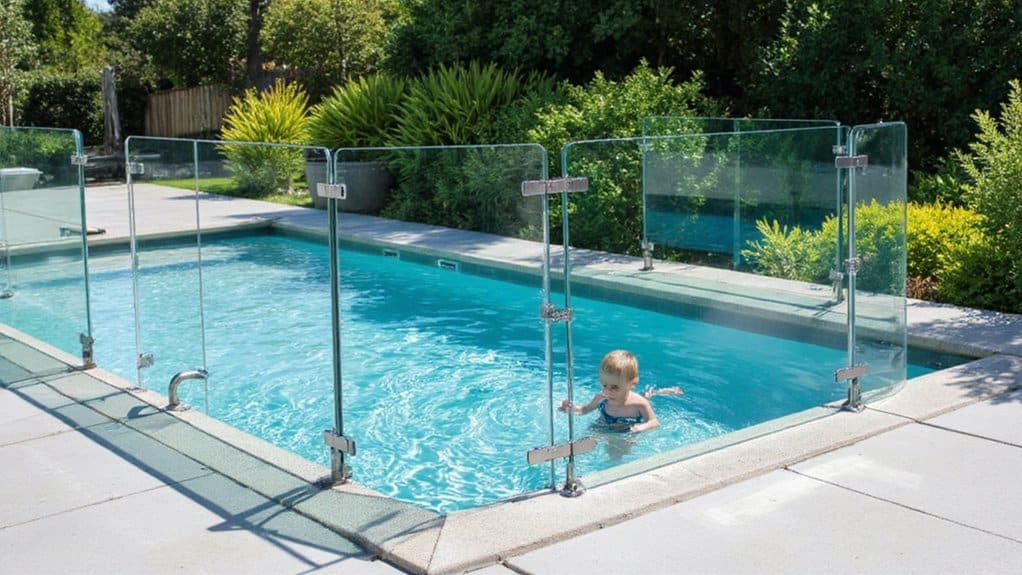
Not all pool fences offer the same level of protection. Certain features play an important role in keeping the barrier effective.
Durable materials such as aluminum, vinyl, steel, or mesh can withstand weather exposure and daily use. Choosing a fence built for long-term outdoor conditions helps maintain safety year after year.
Height is another important consideration. Most safety recommendations call for a fence that is at least four feet tall. Taller fences may provide even greater protection in some situations.
Gates should close automatically and latch securely without requiring manual effort. This helps reduce the possibility of someone forgetting to secure the gate.
Spacing matters as well. Openings should be small enough to prevent children from squeezing through or becoming trapped.
Regular inspections help identify loose hardware, damaged sections, or gate issues before they become safety concerns.
Types of Pool Fences: Which One Is Right for You?
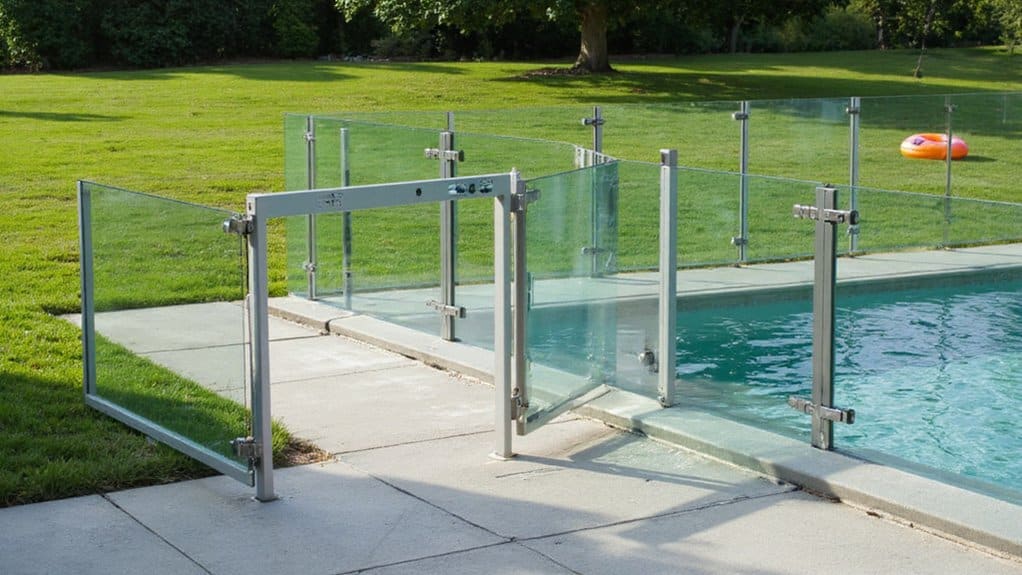
Choosing the right pool fence involves balancing safety, appearance, maintenance requirements, and budget.
Material Options Available
Pool fences come in several materials, including chain-link fencing, each with its own advantages.
Aluminum fences are lightweight, resistant to rust, and require minimal upkeep. They work well in many climates and provide a clean, modern appearance.
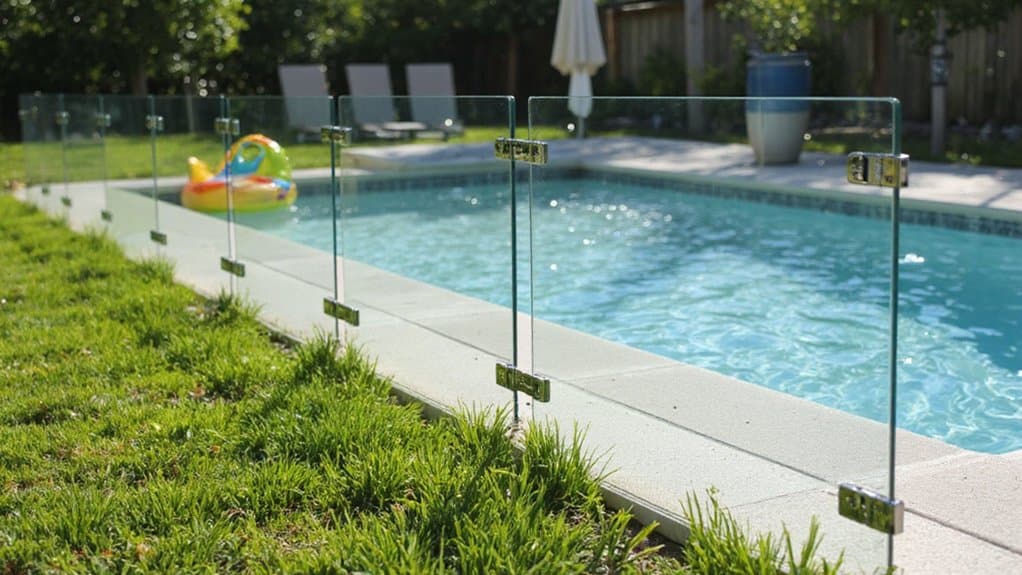
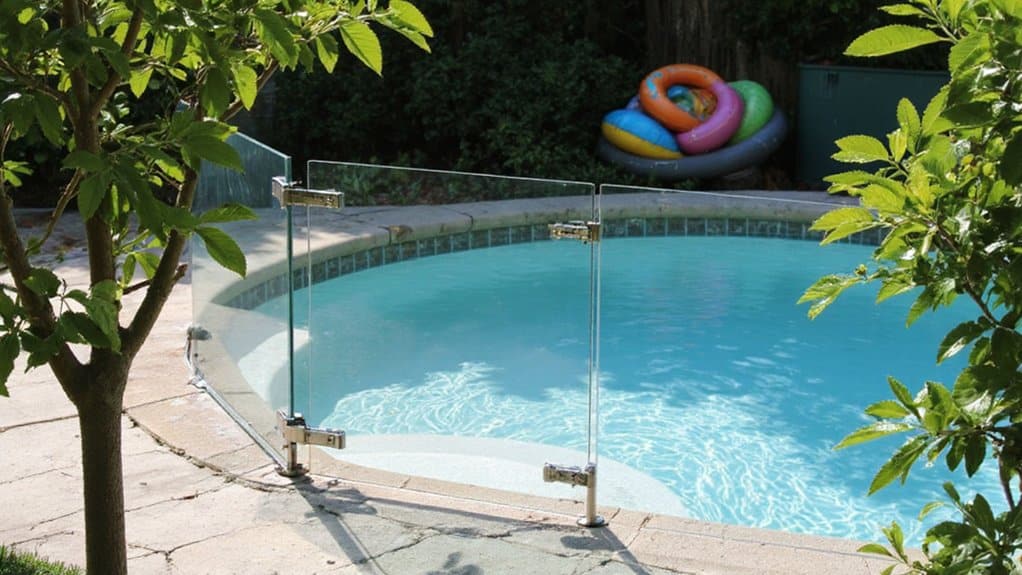
Glass fences offer unobstructed views of the pool area while still creating a strong safety barrier. They are often chosen for contemporary outdoor spaces.
Mesh fences are popular because they are removable, affordable, and highly effective at restricting access. Many families with young children choose this option.
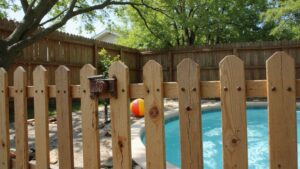
Wood fences provide privacy and a natural look. They may require periodic staining, sealing, or repairs to maintain their condition.
Vinyl fences are durable and easy to maintain. They resist moisture and generally require little upkeep.
Wrought iron fences offer a traditional appearance and strong security, making them a long-lasting choice for many homeowners.
Height and Design Considerations
Fence height has a direct impact on safety. A minimum height of four feet is commonly recommended, though some homeowners prefer taller options for added protection.
Design matters too. The fence should complement your home’s outdoor space without sacrificing safety.
Glass panels can create a modern appearance, while wood and wrought iron often suit more traditional homes. The right design allows the fence to blend naturally with your landscaping and overall property style.
The goal is to create a barrier that looks good while providing dependable protection.
Understanding Local Pool Fence Requirements
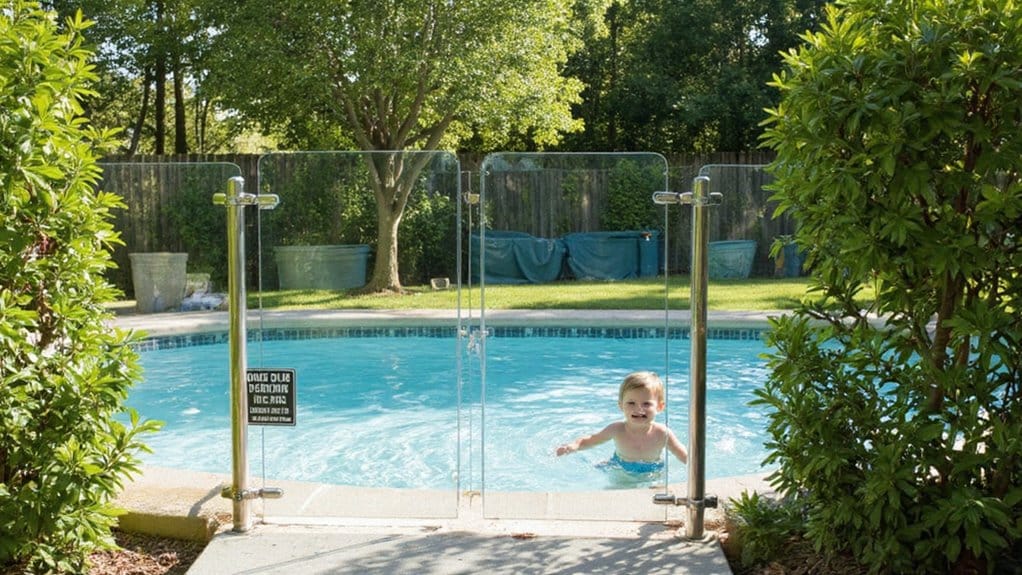
Pool fence requirements vary depending on where you live. Local building codes often specify minimum fence heights, gate requirements, spacing limitations, and approved materials.
Before installing a fence, take time to review local regulations. This helps prevent costly mistakes and ensures the installation meets all required standards.
Some areas require permits before construction begins. Others may require inspections after installation is completed.
Routine inspections remain important even after the fence is installed. Weather, wear, and normal use can affect its condition over time.
Staying compliant with local rules not only improves safety but can also help reduce liability concerns if an accident occurs.
Additional Features That Improve Pool Fence Safety
Several additional features can make a pool fence even safer.
Benefits of Self-Closing Gates
Self-closing gates automatically return to a closed position after someone passes through. This simple feature reduces the risk of a gate being accidentally left open.
For families with children, this added protection can make a meaningful difference.
High-quality gate hardware also helps maintain consistent performance despite frequent use and changing weather conditions.
Why Secure Locks Matter
A strong locking system is an important part of pool safety.
Options include keyed locks, magnetic latches, and combination locks. The best choice depends on your household’s needs and preferences.
Regular maintenance is important. Check locks periodically to make sure they continue to operate properly. Lubricating moving parts and replacing worn components can help prevent failures.
A fence is only as effective as its entry points, so keeping gates and locks in good condition should always be a priority.
The Value of Visual Barriers
Visual barriers can also help discourage unsupervised access to the pool area.
Fencing materials such as frosted glass, decorative panels, landscaping, or privacy screens can limit visibility and reduce curiosity among children.
Even transparent fencing options can create a psychological boundary that signals restricted access.
Combining physical barriers with visual separation can strengthen overall pool safety while enhancing the appearance of your outdoor space.
Understanding the Cost of Pool Safety
Pool safety involves more than the initial purchase price of a fence.
Installation costs vary depending on the size of the pool, the material selected, and local labor rates. Ongoing expenses may include cleaning, repairs, and occasional hardware replacement.
When evaluating costs, it helps to consider the long-term value. A quality pool fence can provide years of protection while helping reduce the likelihood of accidents.
Some insurance companies may also offer discounts for homes equipped with approved pool safety features. Checking with your provider can help you determine whether any savings are available.
Looking at both the short-term and long-term costs provides a clearer picture of the investment involved.
Choosing the Right Pool Fence for Your Needs
Selecting the right pool fence starts with understanding your family’s specific safety needs.
Think about who uses the pool, the ages of children in the household, and the level of maintenance you’re comfortable handling. Material, height, durability, and appearance should all play a role in your decision.
A self-closing, self-latching gate is one of the most important features to include. It adds protection while remaining convenient for daily use.
You should also review local regulations before making a final choice to ensure your fence meets all required standards.
A carefully selected pool fence can provide dependable protection while blending naturally with your home’s design.
Frequently Asked Questions
How Can I Ensure My Pool Fence Meets Safety Standards?
Review local building codes, verify fence height requirements, and make sure gates are self-closing and self-latching. Regular inspections can help ensure ongoing compliance and safety.
What Maintenance Is Required for Pool Fences?
Inspect the fence regularly for damage, loose hardware, rust, or wear. Clean the materials as recommended by the manufacturer and confirm that gates and locks continue to function properly.
Can Pool Fences Be Installed DIY or Require Professionals?
Some homeowners choose DIY installation, especially with removable mesh fencing. Professional installation can help ensure proper placement, structural stability, and compliance with local requirements.
How Do I Childproof My Pool Fence Further?
Use child-resistant gate latches, maintain self-closing gate systems, and regularly inspect the fence for openings or damage. Additional alarms and pool covers can also improve safety.
Are There Insurance Benefits for Having a Pool Fence?
Many insurance providers view pool fences as a positive safety measure. In some cases, homeowners may qualify for lower premiums or other insurance benefits.
Conclusion
A pool fence is one of the most effective ways to improve safety around your home. By creating a secure barrier, it helps reduce the risk of accidental access and drowning incidents while supporting responsible pool use.
Whether you choose aluminum, glass, mesh, vinyl, wood, or wrought iron, the right fence can provide lasting protection for your family and guests. Combined with supervision and proper maintenance, a quality pool fence offers greater confidence and a safer environment for everyone who enjoys your pool.