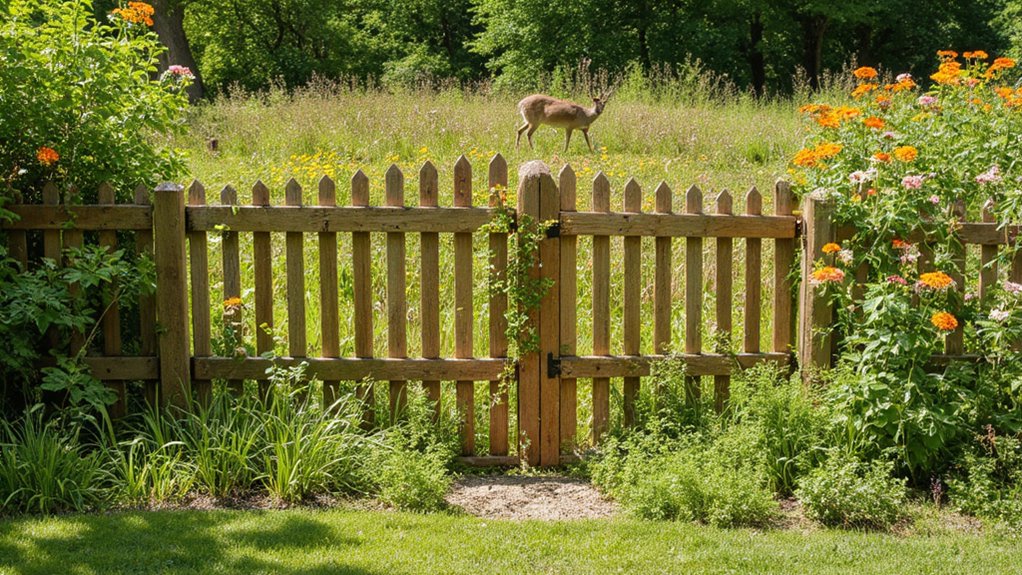
When it comes to keeping deer out, the right fence can make all the difference. A fence needs to do more than mark the edge of your property. It has to stop deer from jumping, squeezing through gaps, or pushing into your garden.
The most effective deer fences combine the right height, strong materials, and a design that makes deer think twice before approaching. Some homeowners also add extra deterrents to make the fence even more effective.
If you’re trying to protect a garden, landscaping, or crops, understanding how different fence styles work can help you choose a setup that actually keeps deer away.
Key Takeaways
- A fence should be at least 8 feet tall to stop deer from jumping over it.
- Welded wire and high-tensile fencing are strong options for long-term deer protection.
- Angled or slanted fence tops can make jumping more difficult for deer.
- Electric fencing can work well when paired with taller fencing systems.
- Regular inspections and repairs help maintain the fence’s strength and performance.
How Tall Should Your Deer Fence Be?
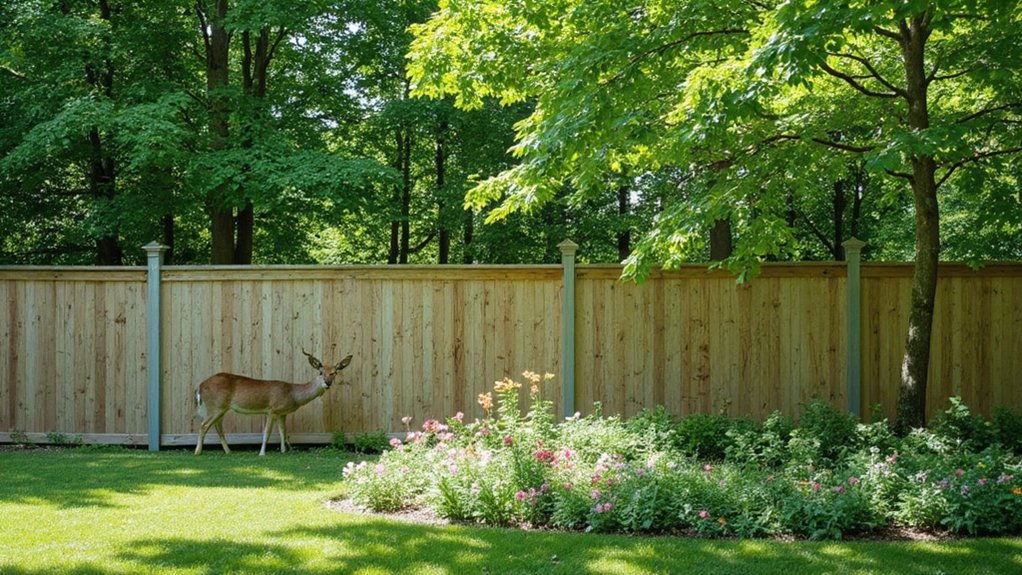
Fence height is one of the biggest factors in keeping deer out successfully. In most cases, a fence should stand at least 8 feet high. Deer are powerful jumpers, and lower fences often fail because deer can clear them without much effort.
A short fence may slow deer down for a while, but once they realize they can jump it, they often return. Deer also learn from repeated visits, especially if they find food inside your garden or yard.
Some property owners use angled fence extensions or slanted tops to make the fence appear taller and harder to cross. This visual barrier can discourage deer from trying to jump in the first place.
The surrounding landscape matters too. Deer are more likely to jump if they have clear running space leading up to the fence. Adding shrubs, raised beds, or uneven ground near the fence can reduce the space they need to leap comfortably.
Best Materials for Deer Fencing
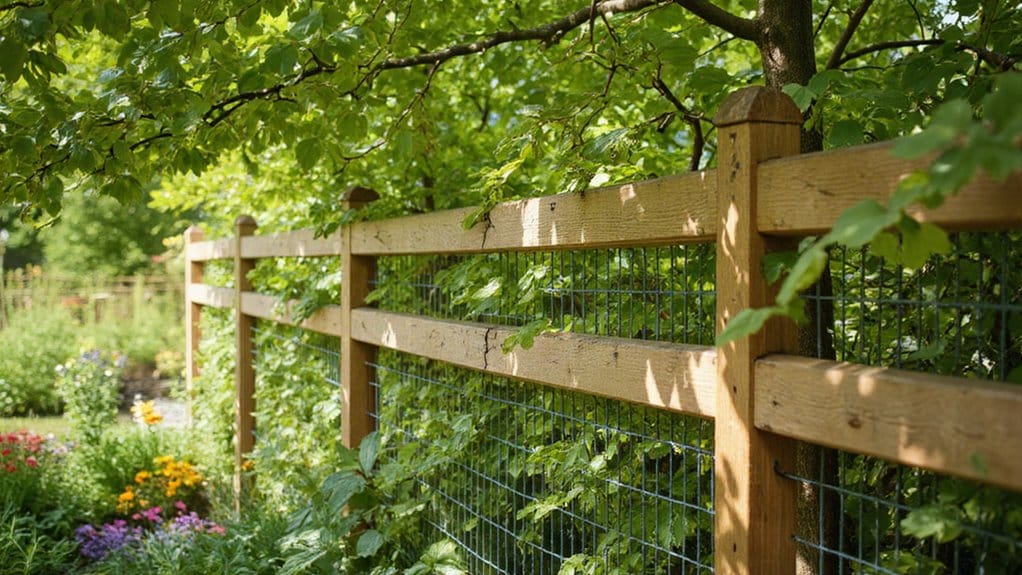
The material you choose affects how long the fence lasts and how well it keeps deer away.
Welded wire fencing is a common choice because it’s strong, durable, and difficult for deer to break through. Smaller mesh openings help stop younger deer from slipping between gaps.
High-tensile wire fencing is another solid option. It handles weather well and can cover large areas without sagging. Many farms and larger properties use this type because it holds up over time with minimal upkeep.
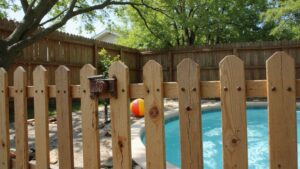
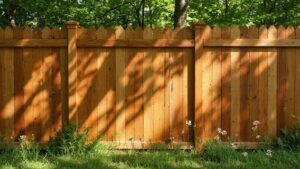
Some homeowners prefer the appearance of wood fencing. A wooden fence paired with wire mesh can work well, especially in residential spaces where appearance matters. Still, wood usually needs more maintenance than metal fencing.
Vinyl fencing offers a cleaner look and requires less upkeep than wood. While it can work for deer control, it’s usually most effective when built high enough and reinforced properly.
Electric fencing is also worth considering. It works best as an added deterrent rather than the only line of defense. A mild shock teaches deer to avoid the area quickly, especially when combined with a tall fence.
How Can You Design a Deer-Proof Fence?
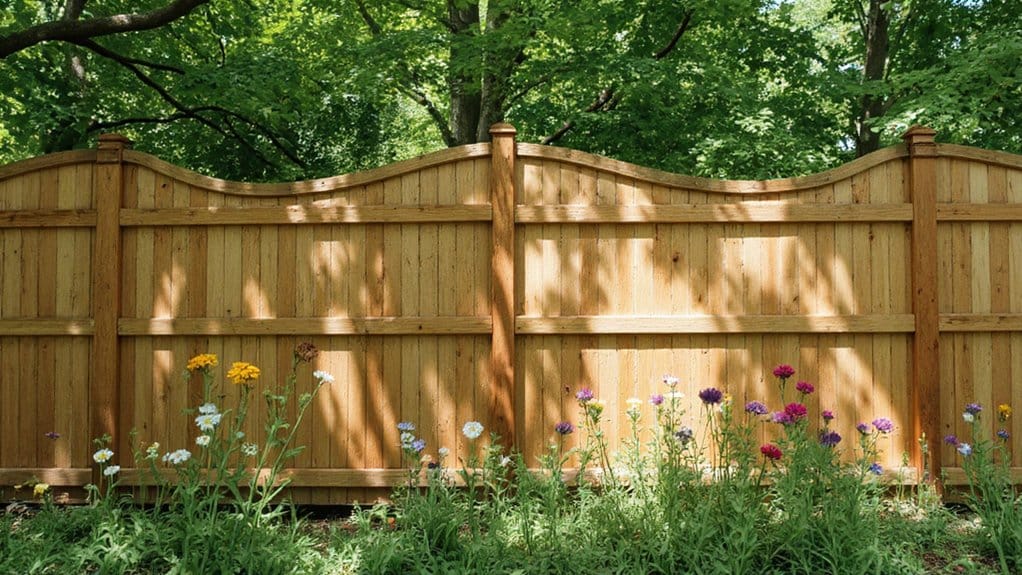
A good deer fencing depends on more than just height. The overall structure and layout also play a big role in how effective it will be.
Height and Structure Considerations
An 8-foot fence remains the standard recommendation for most deer problems. Anything shorter increases the chance of deer jumping over.
Fence structure matters just as much. Solid fences can block visibility and make deer less willing to attempt a jump. Wire fences may look less imposing, though adding angled tops or double fencing can improve performance.
Double fencing works because deer struggle with depth perception. Two fences placed several feet apart can confuse them and make jumping less appealing.
You should also think about how the fence fits into your property. A fence that blends into the landscape often looks better while still serving its purpose.
Materials for Better Protection
Different materials offer different strengths.
- Wood creates a natural appearance but usually needs regular sealing or repairs.
- Vinyl requires less upkeep and handles weather well.
- Metal fencing lasts a long time and resists damage, though installation costs may be higher upfront.
When choosing materials, think about long-term maintenance as well as appearance. A lower-cost fence may end up costing more later if it needs constant repairs.
Installation quality also matters. Even strong fencing can fail if posts are weak or spacing is uneven.
Gate and Access Solutions
Gates are often overlooked, but they’re one of the weakest points in many deer fences.
The gate should match the fence height and fit tightly when closed. Gaps underneath or along the sides can create easy access points for deer.
Swing gates work well for many homes, though they need enough space to open fully. Sliding gates can save room in tighter spaces.
Some homeowners install keypad locks or automatic openers for convenience. No matter which style you choose, the gate should maintain the same level of protection as the rest of the fence.
Are Electric Fences Effective Against Deer?
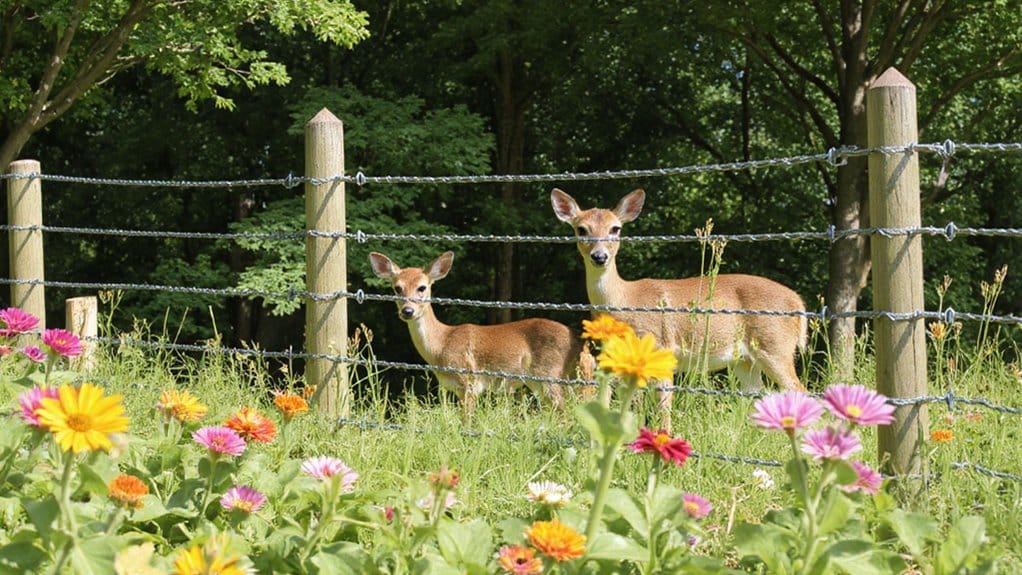
Electric fencing can work very well against deer when installed correctly.
The fence delivers a mild shock that teaches deer to stay away from the area. Deer usually remember the experience and avoid approaching the fence again.
Fence height still matters with electric systems. Deer can jump surprisingly high, so many electric fences are installed around 8 feet tall or use multiple strands placed at different heights.
Multiple wires improve the fence’s effectiveness because they make it harder for deer to pass through without contact.
Electric fences often work best when combined with physical fencing. Together, they create both a mental and physical barrier.
Regular maintenance is important with electric fencing. Vegetation touching the wires can reduce power, making the fence less effective over time.
Pros and Cons of Different Deer Fence Options
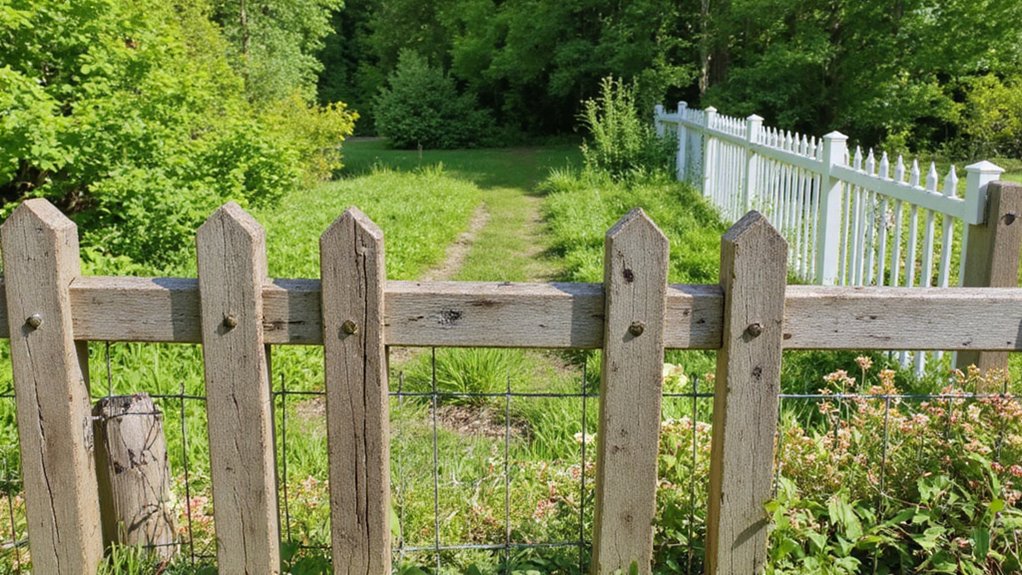
Every fencing option comes with advantages and drawbacks. The best choice depends on your budget, property size, and appearance preferences.
Wooden Fences
Wood fences can look attractive and blend naturally into residential landscapes.
Cedar and pressure-treated wood are popular because they handle weather reasonably well. Cedar naturally resists rot, while treated lumber offers added protection against moisture and insects.
Still, wood fences often need more maintenance than other materials. Painting, sealing, and occasional repairs help keep them in good condition.
A wood fence should still reach around 8 feet in height to discourage deer effectively.
Wire Fences
Wire fencing is one of the most practical options for deer control.
It tends to cost less than solid fencing while covering large areas efficiently. High-tensile and welded wire systems also hold up well against weather.
Smaller mesh openings help stop young deer from slipping through gaps.
For best results, many installers recommend burying part of the fence slightly below ground level. This can help prevent other animals from digging underneath.
How to Budget for Deer Fencing
Planning your budget early can help prevent surprises later.
Start by measuring the full perimeter you need to fence. Larger areas naturally require more materials and labor.
Material choice affects total cost significantly. Wire fencing usually costs less than wood or vinyl, though appearance preferences may influence your decision.
Installation costs should also be included in your planning. Some fencing systems are easier for homeowners to install themselves, while others may require professional help.
It’s also smart to think beyond the initial expense. A fence that lasts longer with fewer repairs may save money over time.
Tips to Make Your Fence More Effective
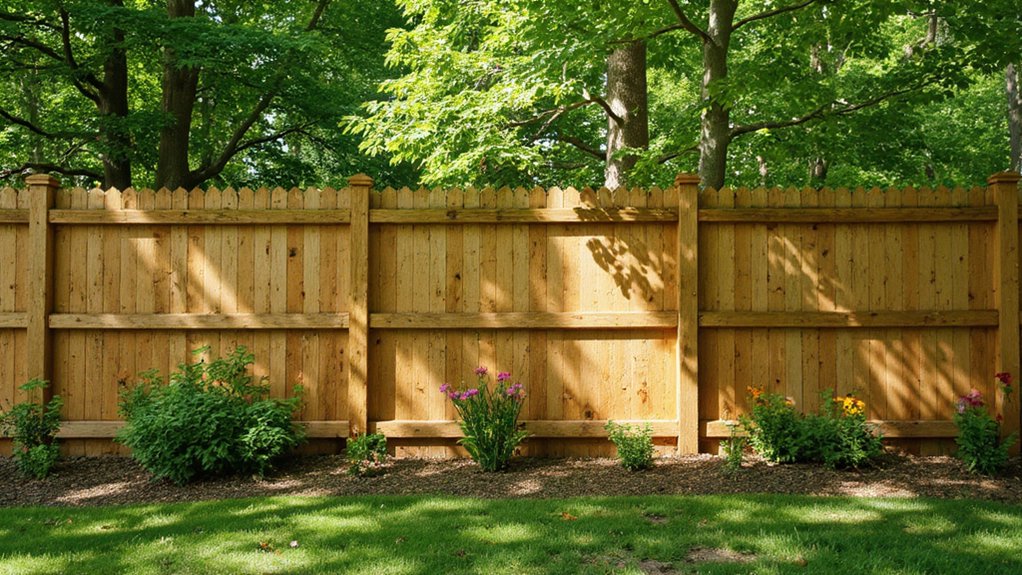
A few extra adjustments can improve how well your fence works.
Fence height remains one of the biggest factors. Taller fences naturally discourage deer from trying to jump.
Angled tops can also help by changing the jump angle deer would need to clear the fence.
Some homeowners add motion lights or electric wires to increase deterrence. These additions can make deer feel less comfortable approaching the area.
Fence appearance matters too. Materials that fit naturally into the landscape can improve curb appeal without reducing protection.
Regular inspections are also important. Even small openings or weak spots can eventually become entry points.
How to Maintain Your Deer Fence
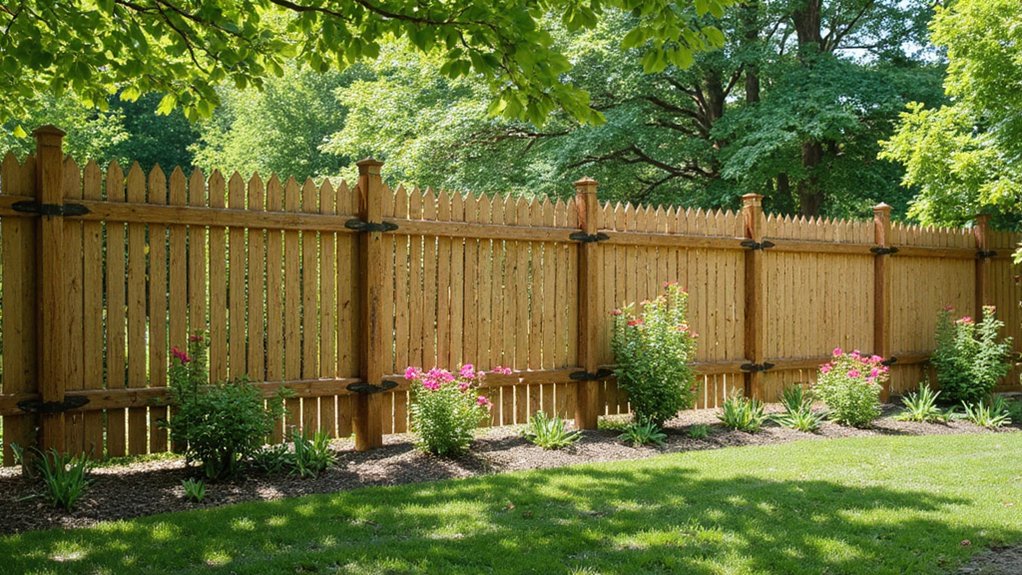
Routine maintenance helps your fence stay strong and effective.
Inspect the fence several times each year for loose wire, leaning posts, damaged panels, or gaps near the ground.
Repairs should happen quickly before the problem gets worse. Tightening wires, replacing damaged sections, and reinforcing weak posts can extend the fence’s lifespan.
Vegetation should also be trimmed away from the fence. Overgrown plants can weaken certain materials and reduce visibility during inspections.
Electric fences need additional attention. Grass and weeds touching the wires can interfere with performance.
Consistent upkeep helps prevent small issues from turning into larger repairs later.
Alternative Ways to Deter Deer
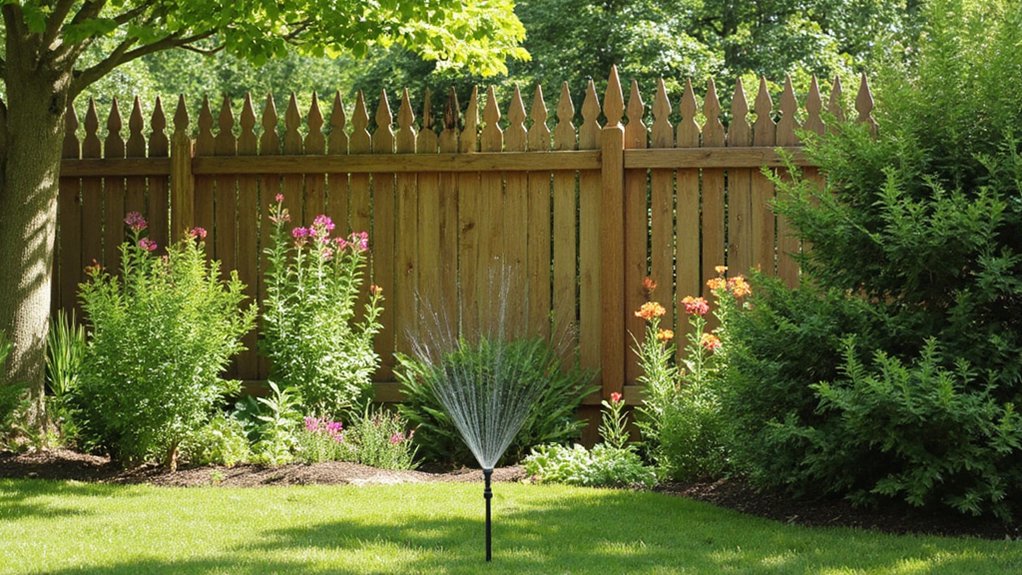
A fence works best when paired with other deer deterrents.
Some homeowners use natural sprays made from garlic or hot pepper to make plants less appealing. These treatments usually need reapplication after rain.
Plant selection can also make a difference. Herbs with strong scents, such as rosemary or sage, may help discourage browsing.
Visual deterrents like reflective tape, spinning devices, or predator decoys can sometimes scare deer temporarily. Motion-activated lights or sprinklers may also help.
Noise deterrents, including wind chimes or motion alarms, can create an environment deer avoid.
Landscape design can support your efforts too. Dense shrubs, raised beds, and layered planting areas make access more difficult.
Frequently Asked Questions
What Are Common Mistakes When Installing Deer Fencing?
One of the biggest mistakes is installing a fence that’s too short. Deer can easily clear fences between 4 and 6 feet tall. Poor post placement and loose fencing can also create weak points that deer may exploit.
Can Deer Jump Over Shorter Fences?
Yes, deer regularly jump over shorter fences. In many cases, fences under 8 feet are not enough to stop them, especially if they have a running start.
How Long Does a Deer Fence Last?
Most deer fences last between 10 and 20 years depending on the material used and how well the fence is maintained. Regular inspections and repairs can extend its lifespan.
Are There Specific Colors That Deter Deer?
Some research suggests bright colors like orange or blue may make deer more cautious. Still, color alone usually isn’t enough to stop them without proper fencing.
Will a Fence Affect Other Wildlife in My Garden?
A fence can affect smaller wildlife depending on the design. Choosing fencing with appropriate spacing may allow smaller animals to move through while still keeping deer out.
Conclusion
A strong deer fence starts with the right height, durable materials, and thoughtful design. In most situations, an 8-foot fence offers the best protection against jumping deer. Adding angled tops, electric wires, or extra deterrents can improve results even more.
Regular maintenance also matters. Checking for damage and repairing weak spots helps keep the fence working properly year after year.
While no single method works perfectly in every situation, combining fencing with additional deterrents can give you much better control over deer activity around your property.