Protecting your fence from weather damage takes more than a one-time fix. It’s an ongoing process that starts with understanding how the elements affect different materials, then following through with the right care. Rain, sun, wind, and even temperature shifts all play a part in how your fence holds up over time.
A few smart choices early on, along with regular upkeep, can make a noticeable difference in how long your fence lasts and how it looks year after year.
Key Takeaways
- Pick materials that can handle your local weather conditions without breaking down quickly
- Use sealants and coatings to keep moisture out and reduce sun damage
- Check your fence regularly for early signs of wear
- Keep water from collecting around the base with proper drainage
- Clear debris to avoid moisture buildup and long-term damage
How Weather Affects Your Fence Durability
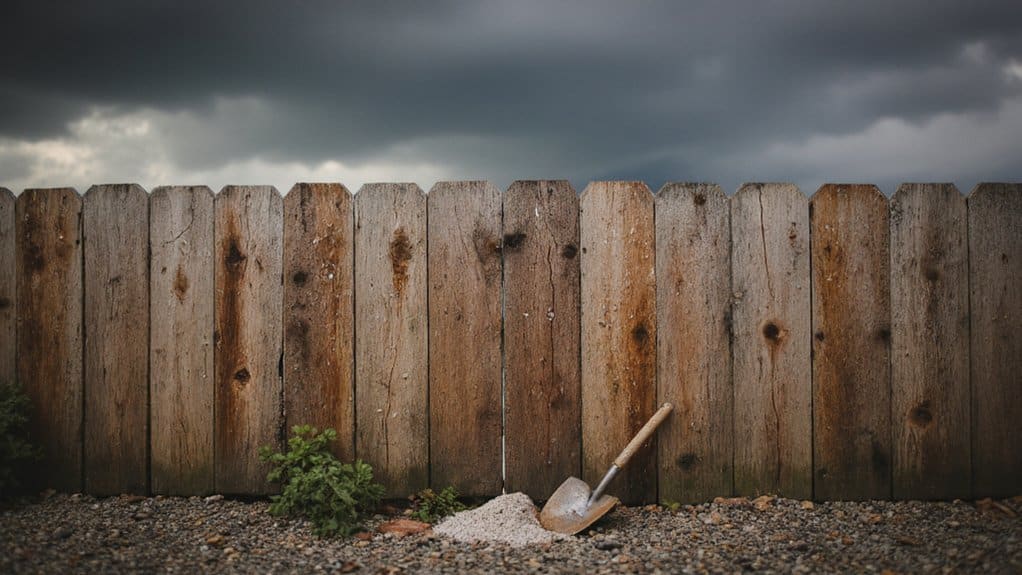
Weather doesn’t affect every fence the same way. The material you choose plays a big role in how it reacts over time.
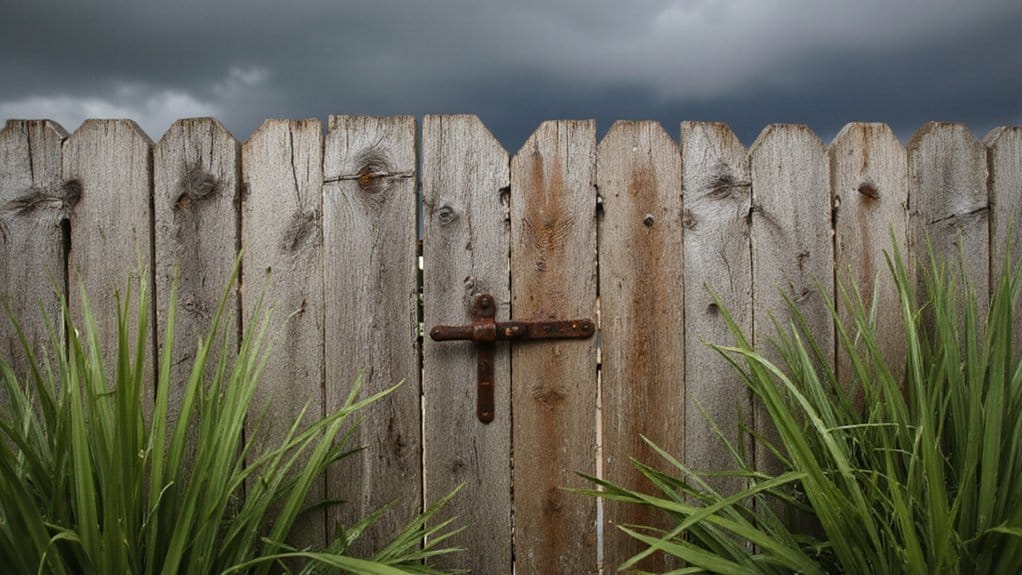
Wood tends to absorb moisture, which can lead to swelling, warping, or rot. In hot and sunny conditions, it may dry out and crack. Metal fences face a different issue. When exposed to moisture for long periods, they can start to rust, especially around joints and fasteners.
Vinyl holds up well against sunlight and doesn’t absorb water, but very cold temperatures can make it more brittle than usual. Strong winds can also stress any type of fence, especially if it wasn’t installed with enough support.
Looking at your local weather patterns before choosing a fence helps you avoid problems later. A fence that works well in one region might struggle in another.
Choosing Durable Materials for Weather Resistance
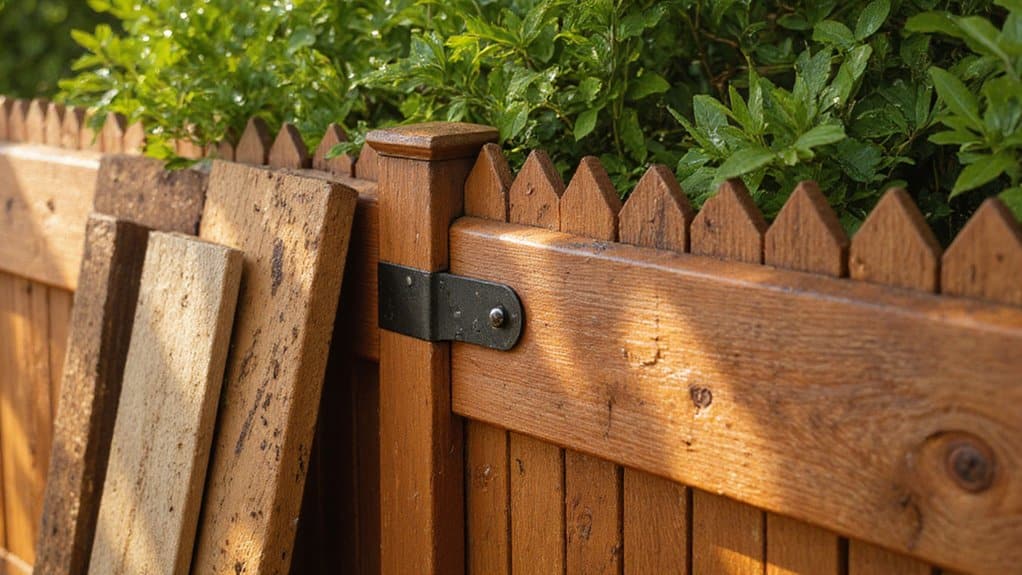
Material choice is one of the biggest factors in how well your fence handles the outdoors.
Vinyl is a popular option because it doesn’t absorb moisture and needs very little upkeep. Composite fencing, made from a mix of wood fibers and plastic, offers the look of wood with better resistance to rot and insects.
Treated wood is still widely used and can last a long time when properly maintained. It’s treated with preservatives that help it resist moisture and sun exposure. Metal options like aluminum or galvanized steel are also worth considering. They are strong and can last for years when protected against rust.
Before deciding, think about your climate. Areas with heavy rain, intense sun, or high humidity may require more durable materials or extra maintenance.
How to Apply Protective Coatings and Sealants
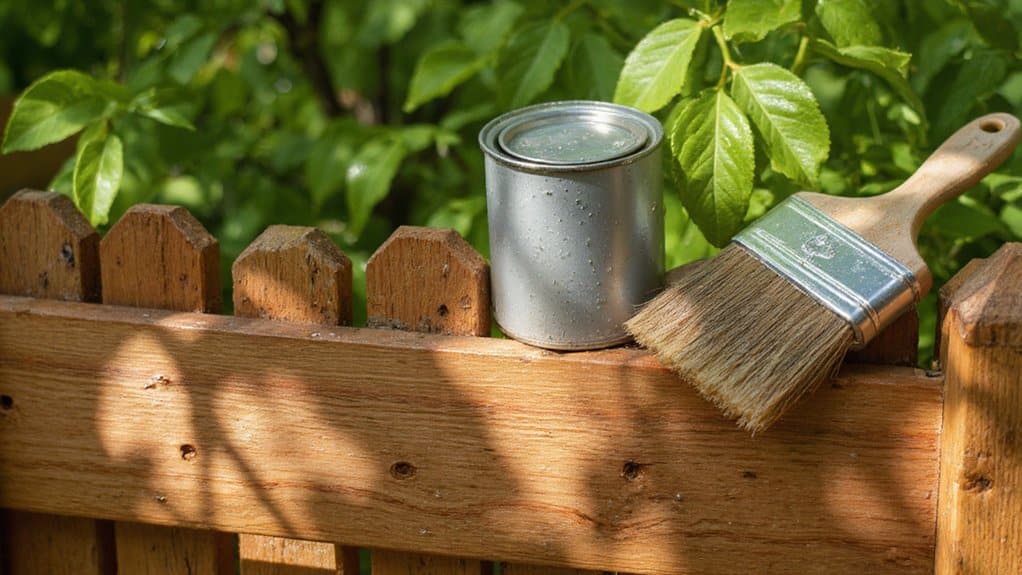
Adding a protective layer is one of the simplest ways to extend your fence’s life. The trick is choosing the right product and applying it properly.
Choosing the Right Coating for Your Fence
Not all coatings work the same way, so it helps to match them to your fence material.
Acrylic paints are a good choice if you want something that dries quickly and holds color well in sunlight. Oil-based paints take longer to dry but offer stronger protection against moisture.
Sealants add another layer of defense by keeping water from soaking into the material. They also help reduce damage from UV exposure. Using a primer before painting can improve how well the coating sticks and how long it lasts.
Follow the instructions on the product label and give each layer enough time to dry. Rushing this step often leads to uneven coverage or early peeling.
Simple Application Techniques That Work
Start by cleaning the fence thoroughly. Dirt, mold, and old paint can stop new coatings from sticking properly. A scrub brush or pressure washer works well for this step.
Once the fence is dry, check for damage. Fix any cracks, loose boards, or rust spots before applying anything.
You can use a brush for detailed areas, a roller for larger surfaces, or a sprayer if you want an even coat across the whole fence. Pay extra attention to edges and corners where moisture tends to settle.
Apply one coat, let it dry fully, then add a second layer if needed. This builds a stronger barrier and helps the finish last longer.
Essential Maintenance Tips to Prolong Your Fence’s Life
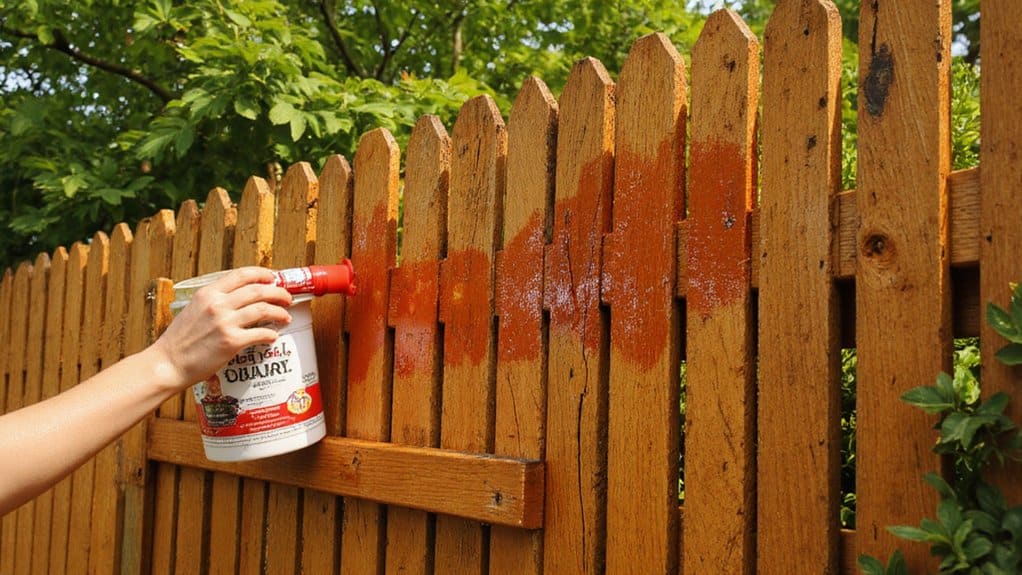
Regular maintenance doesn’t take much time, but it can prevent bigger repairs later.
Set a simple schedule based on your fence type. Wooden fences should be checked a couple of times a year for signs of rot or insect activity. Cleaning them with mild soap and water helps prevent mold buildup.
Metal fences, including chain link options, need occasional checks for rust. If you spot any, deal with it early before it spreads. Vinyl fences are easier to manage and usually just need a basic wash to keep them looking clean.
Small issues can turn into bigger ones if ignored. Tighten loose parts, replace damaged sections, and refresh protective coatings when needed. These steps keep your fence both sturdy and visually appealing.
How to Create Barriers Against Wind and Moisture
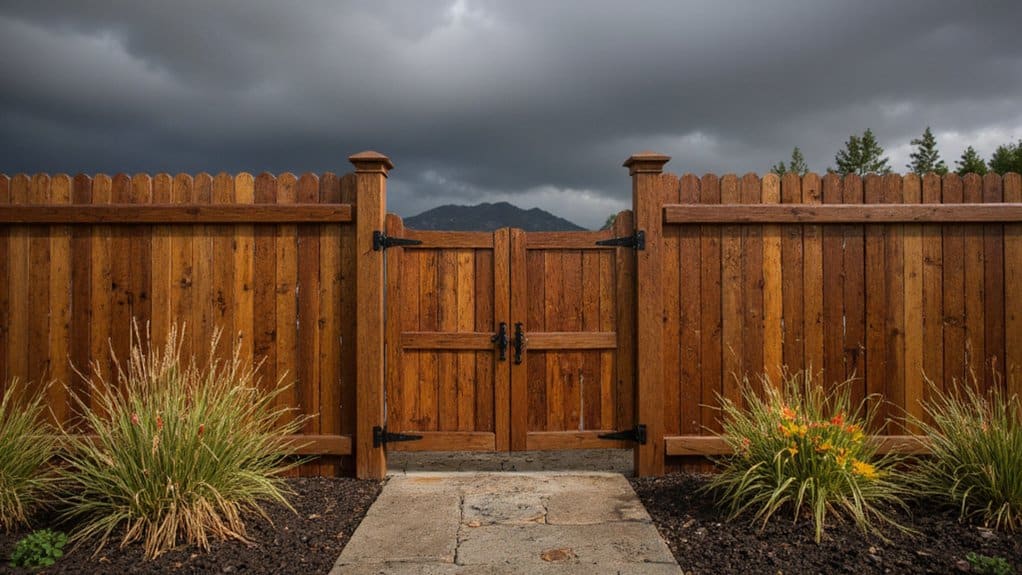
Reducing direct exposure to harsh weather can make a noticeable difference.
Planting shrubs or placing additional fencing nearby can help block strong winds. This reduces pressure on your main fence and lowers the risk of damage during storms.
For moisture, focus on the area around the base. Adding gravel or using landscaping fabric can help direct water away and keep the ground from staying too wet. This is especially helpful for wooden fences, which are more likely to absorb moisture from the soil.
Check these barriers now and then to make sure they’re still doing their job.
Planning Drainage to Prevent Water Damage
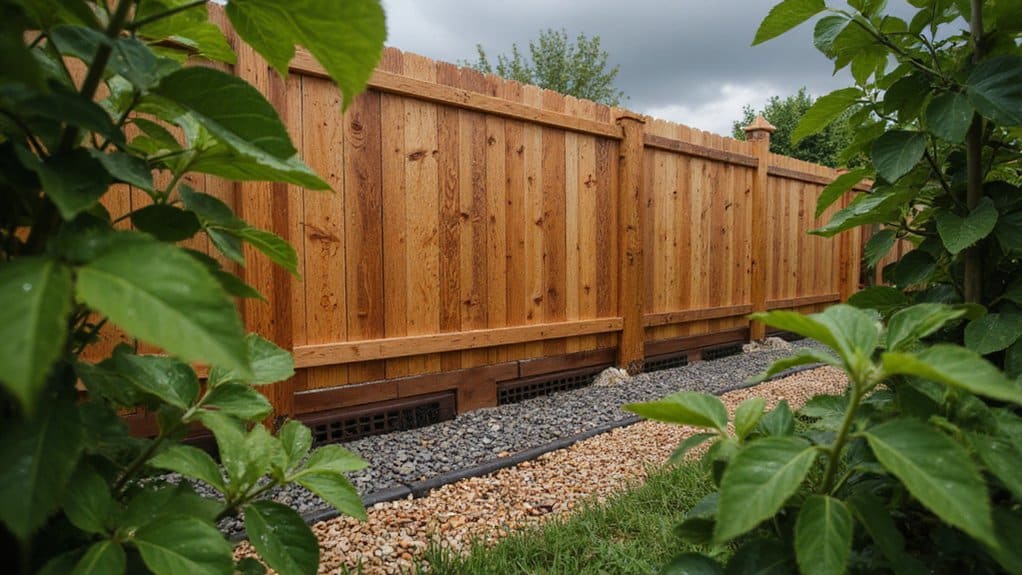
Water buildup is one of the main reasons fences start to fail, so drainage should never be overlooked.
Watch how water moves across your yard during rain. If you notice pooling near your fence, it’s a sign that drainage needs attention.
Simple solutions like sloping the soil away from the fence can help. For more persistent issues, installing a French drain or shallow channels can guide water away more effectively.
Keep the area clear of leaves and debris so water can flow freely. When water drains properly, your fence is less likely to develop rot, rust, or structural problems.
What to Look For During Seasonal Inspections?
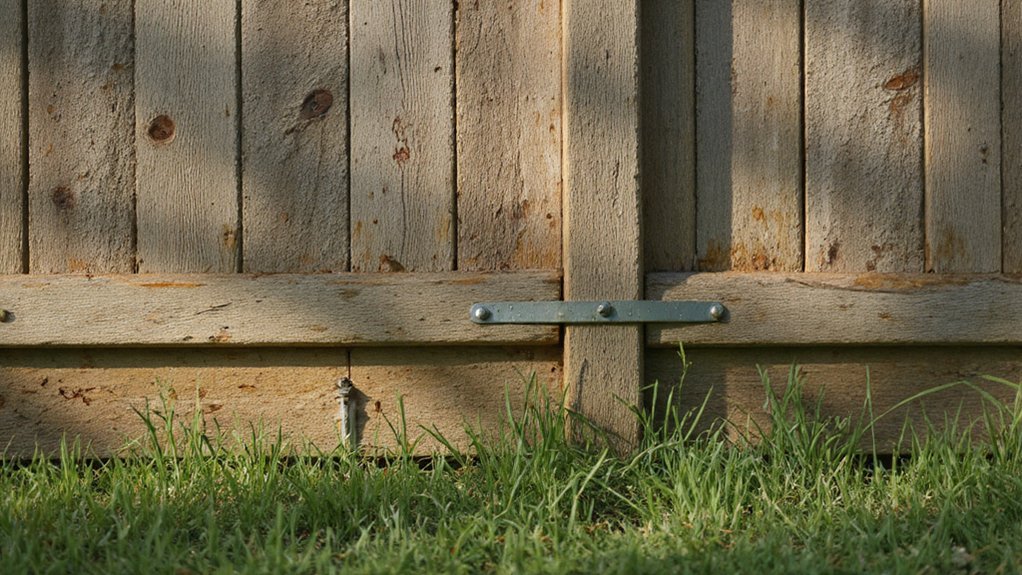
Checking your fence at different times of the year helps catch problems early.
Signs of Rot in Wooden Fences
Look closely at the lower sections of the fence, especially near the ground. These areas tend to stay damp longer.
Soft spots, discoloration, or a musty smell can point to early rot. Peeling paint or visible cracks may also be warning signs. Pay attention to joints and connections where moisture can get trapped.
Catching these issues early makes repairs much easier and helps extend the life of your fence.
Spotting Rust on Metal Fences
Rust often starts in small areas but can spread if left untreated.
Check joints, screws, and welded sections where water may collect. If you see flaking or color changes, it’s time to act.
Use a wire brush or sandpaper to remove the rust, then apply a primer designed to stop it from coming back. A fresh coat of paint adds another layer of protection.
Also, take a look at the surrounding ground. Poor drainage can speed up rust formation, so it’s worth fixing if needed.
Repairing Weather Damage: Quick Fixes You Can Do
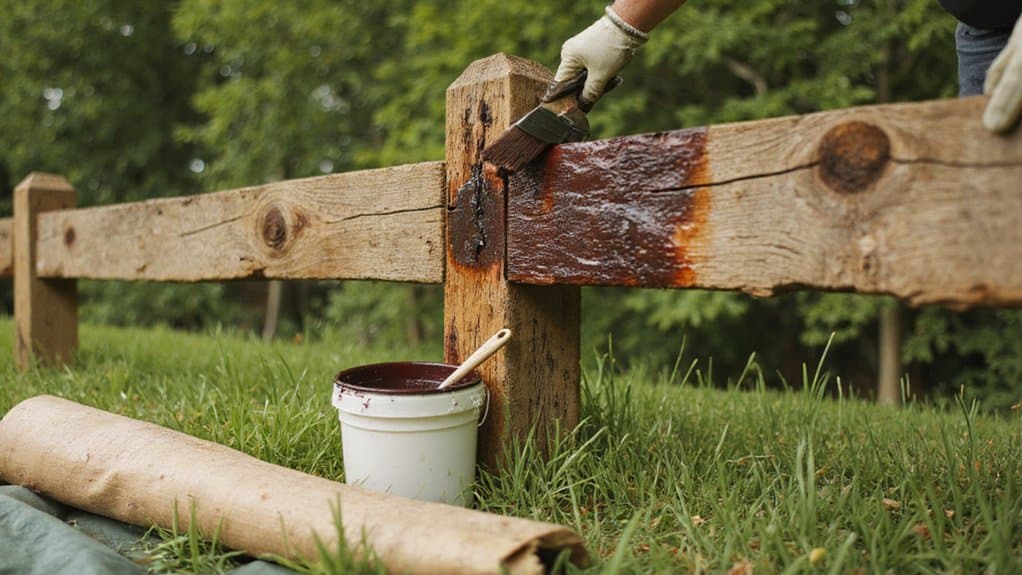
Even with regular care, some damage is bound to happen. The good news is that many fixes are straightforward.
Loose boards can be tightened or replaced without much effort. Rough or splintered areas can be sanded down and sealed to prevent further damage.
If you’re dealing with metal, removing rust and repainting the surface can restore both strength and appearance. Clearing away debris around the fence also helps prevent moisture from getting trapped.
Adding a weather-resistant stain or sealant after repairs gives your fence extra protection and helps it hold up better over time.
Frequently Asked Questions
How Often Should I Replace My Fence Due to Weather Damage?
Most fences last between 10 and 15 years, depending on the material and how well they’re maintained. Regular checks help you decide when repairs are enough or when replacement makes more sense.
Can Plants Near My Fence Help or Hurt Its Weather Resistance?
They can do both. Plants can provide shade and reduce wind exposure, but deep roots or excess moisture may cause problems. Choosing the right plants and placing them carefully makes a difference.
What Is the Best Time of Year for Fence Maintenance?
Spring is a good time for cleaning and repairs after winter. Fall works well for inspections and preparing the fence for colder months.
Are There Specific Paints for Fences in Harsh Climates?
Yes, some paints are designed to handle strong sunlight, heavy rain, or temperature changes. Look for options that offer UV and moisture protection.
How Does Humidity Affect Different Fence Materials?
High humidity can cause wood to swell and rot over time. Metal may rust faster, while vinyl generally handles moisture better but can still be affected by temperature changes.
Conclusion
Taking care of your fence doesn’t need to be complicated. With the right materials, regular maintenance, and a bit of planning, you can protect it from weather damage and keep it in good shape for years.
Small steps like sealing, cleaning, and checking for early signs of damage go a long way. When you stay consistent with these habits, your fence remains strong, functional, and visually appealing through changing seasons.