Keeping a fence in good shape takes steady care across all seasons. It is not just about appearance. A well-maintained fence lasts longer, stays sturdy, and avoids costly repairs later.
A simple routine can make a big difference. Checking for damage, cleaning the surface, and applying the right treatments at the right time all play a part. When you stay on top of small issues, they rarely turn into big ones.
This guide walks through what to look for, how to clean different materials, and how to handle repairs without overcomplicating the process.
Key Takeaways
- Inspect your fence twice a year and after storms to catch early damage
- Clean surfaces regularly to prevent buildup and decay
- Apply stains or sealants every one to three years for protection
- Fix small issues quickly before they spread
- Keep the base area clear to reduce moisture problems
How to Ensure Your Fence Lasts: The Importance of Regular Maintenance
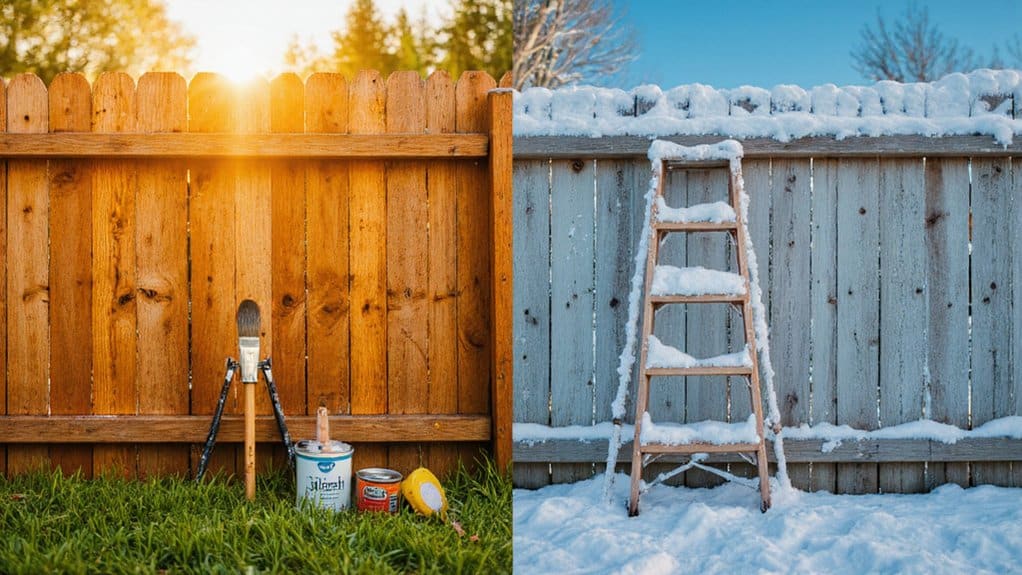
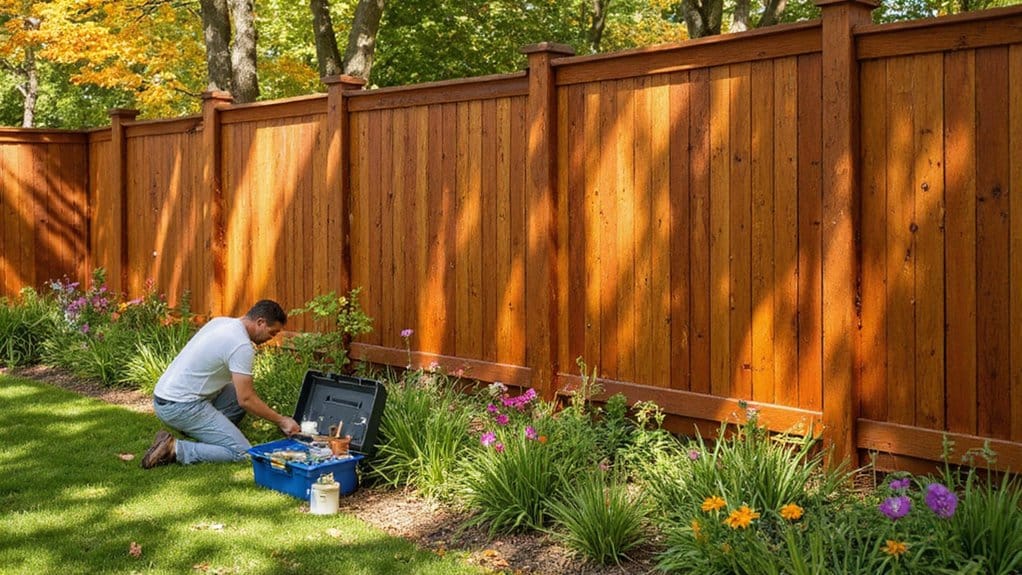
A fence holds up best when you give it attention throughout the year. Waiting until something breaks usually leads to bigger repairs.
Start with a simple habit. Walk along your fence every few months and take a close look. You are checking for loose boards, rust spots, or any early signs of wear.
Wood fences benefit from sealants or stains. These help block moisture and reduce sun damage. Metal fences need protection from rust, especially in humid or rainy areas.
Also, clear away leaves, dirt, or debris that collect around the base. When moisture gets trapped, it slowly weakens the structure.
If something looks off, fix it right away. Small repairs are easier, cheaper, and quicker to handle.
Fence Inspection: What to Look For?
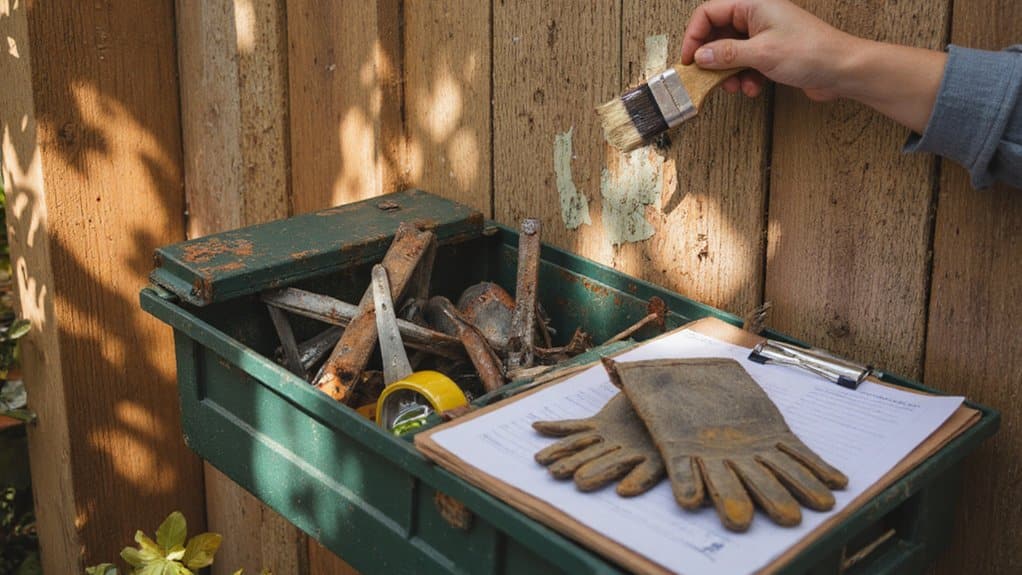
A fence check does not take long, but it helps you avoid bigger problems later.
Try to inspect your fence at least twice a year. After heavy rain or strong winds, take another look.
Here are a few things to focus on:
- Loose or missing boards
- Leaning sections or unstable posts
- Rust on metal parts
- Rot or soft spots in wood
- Damaged hinges, latches, or gates
Do not forget the ground around the posts. If soil has shifted or eroded, the fence may lose support over time.
Plants can also cause trouble. Roots and overgrowth push against the structure and trap moisture. Trim them back when needed.
A careful inspection now saves you from major repairs later.
Best Practices for Cleaning Your Fence by Material
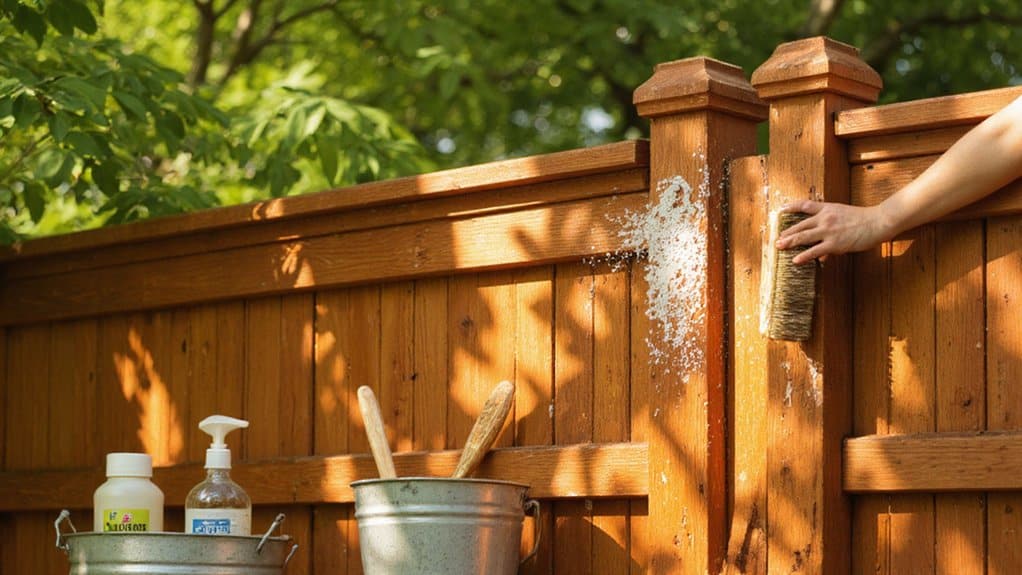
Cleaning methods depend on what your fence is made of. Using the wrong approach can do more harm than good.
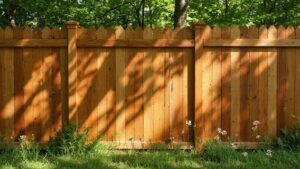
Wood Fence Maintenance Tips
Wood fence need steady care to stay in good shape.
Start with a gentle clean. Mix water with mild soap and scrub using a soft brush. This removes dirt, mildew, and surface buildup.
Once clean and dry, apply a treatment to protect the wood. This helps prevent rot and insect damage.
Staining also improves the look of the fence while adding a layer of protection. Most fences need staining every two to three years, depending on weather exposure.
Keep an eye on problem areas and repair them early.
Vinyl Fence Cleaning Methods
Vinyl fences are easier to maintain, but they still need regular cleaning.
Begin with a rinse using a garden hose. This removes loose dirt quickly.
For deeper cleaning, use warm water with a mild cleaner made for vinyl surfaces. Avoid harsh chemicals since they can damage the material.
Use a soft cloth or brush to remove stains, then rinse thoroughly.
Cleaning every few months helps the fence keep its clean, bright look.
Metal Fence Care Techniques
Metal fences need protection from rust and wear.whether made of aluminum, wrought iron, or chain link fencing, require specific care techniques
Clean the surface with soap and water to remove dirt. Dry it well to prevent moisture from sitting on the metal.
Check for rust spots. If you find any, scrub them with a wire brush and apply a rust-resistant coating.
Paint may be needed in some areas. Make sure the surface is clean and dry before applying any paint.
Also check bolts, joints, and fasteners. Tighten anything that feels loose.
How to Repair Common Fence Issues: DIY Tips vs. When to Hire a Professional
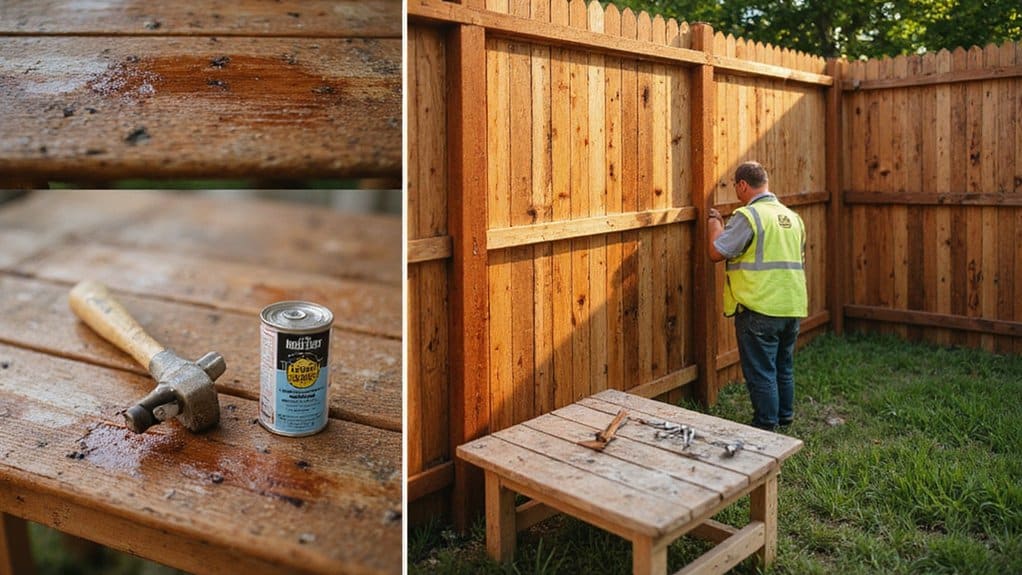
Fences go through wear over time. Some issues are easy to fix on your own, while others need expert help.
Common Fence Problems
A few problems show up more often than others.
Sagging sections can happen when posts weaken or the ground shifts. You may also notice uneven panels.
Rust is common with metal fences. If left untreated, it spreads and weakens the structure.
Wood fences may develop rot or insect damage, especially near the base.
Spotting these issues early makes repairs much easier.
DIY Repair Techniques
Many small repairs are manageable with basic tools.
For sagging fences, check the posts first. Tighten loose hardware and add support if needed.
Rust can be removed with a wire brush. After cleaning, apply a protective coating.
Loose nails or screws should be replaced right away to prevent further damage.
Adding a fresh coat of stain or paint can also help protect the fence from weather exposure.
When To Hire Pros
Some situations call for professional help.
If the fence is leaning heavily, has deep rot, or shows major structural damage, it is safer to bring in an expert.
Professionals can assess the condition and fix the problem properly. They also understand local requirements and installation standards.
Hiring help may cost more upfront, but it prevents repeated repairs and safety concerns.
How to Keep Your Fence Safe From Pests and Bad Weather?
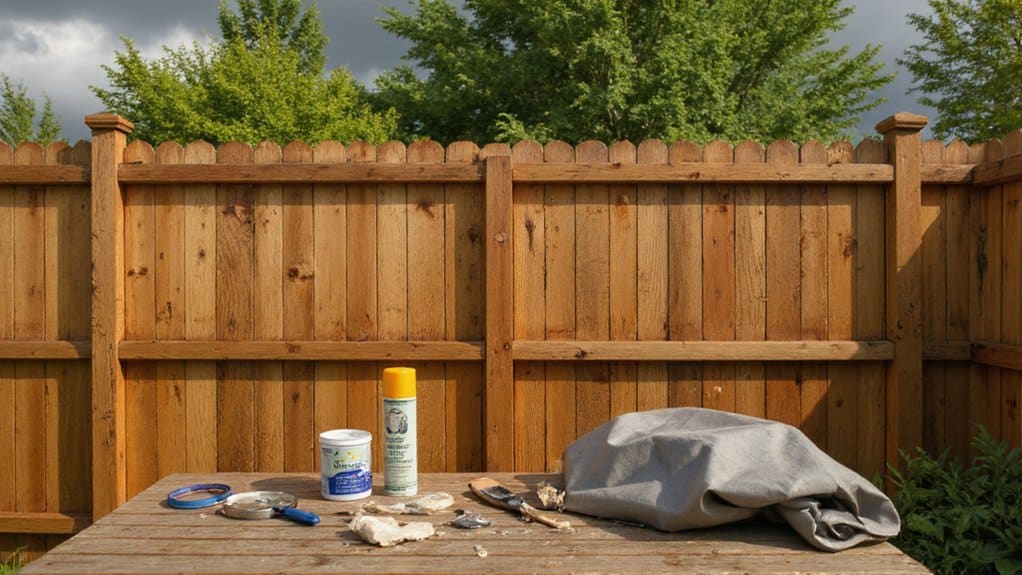
Weather and pests can slowly damage a fence if left unchecked.
Start with regular inspections. Look for signs of insects, rot, or moisture buildup.
Natural pest control methods like neem oil or similar treatments can help keep insects away.
Make sure water drains properly around the fence. Standing water leads to rot and weakens posts.
During winter, clear off heavy snow or ice to reduce stress on the structure.
Trim nearby plants and bushes. This improves airflow and reduces moisture buildup.
A protective coating also helps guard against sun and rain damage.
Treatments and Sealants for a Longer-Lasting Fence
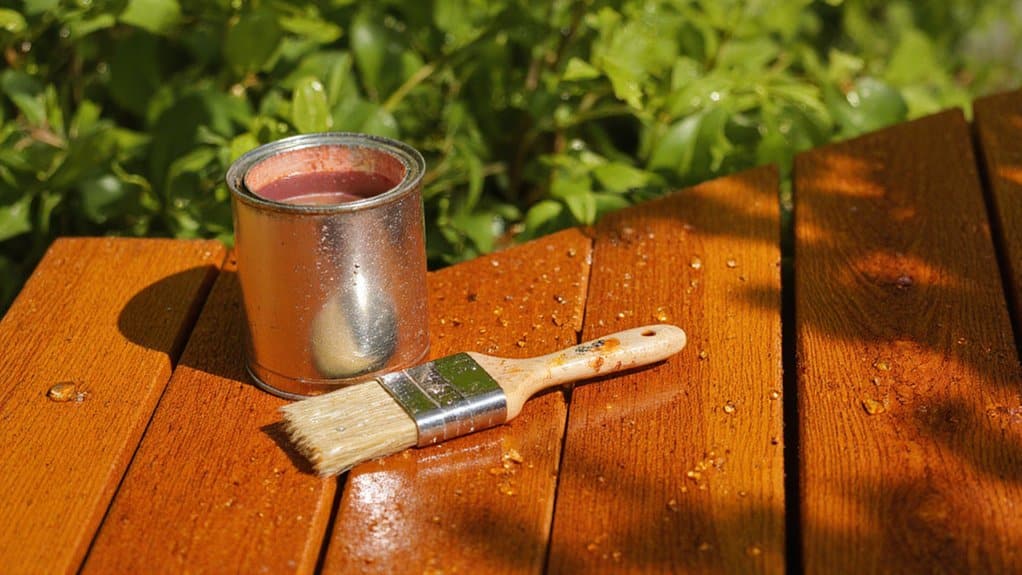
Treatments and sealants add an extra layer of protection.
Different types are available:
- Oil-based options that soak deep into the material
- Water-based options that are easier to clean up
- Semi-transparent finishes that show the natural texture
Each type offers a different level of protection and appearance.
Apply treatments every one to three years, depending on your climate and fence material.
Before applying anything, make sure the surface is clean and dry. This helps the coating stick properly.
Consistent treatment keeps the fence looking good and protects it from long-term damage.
Cost-Effective Fence Maintenance Tips for Year-Round Care
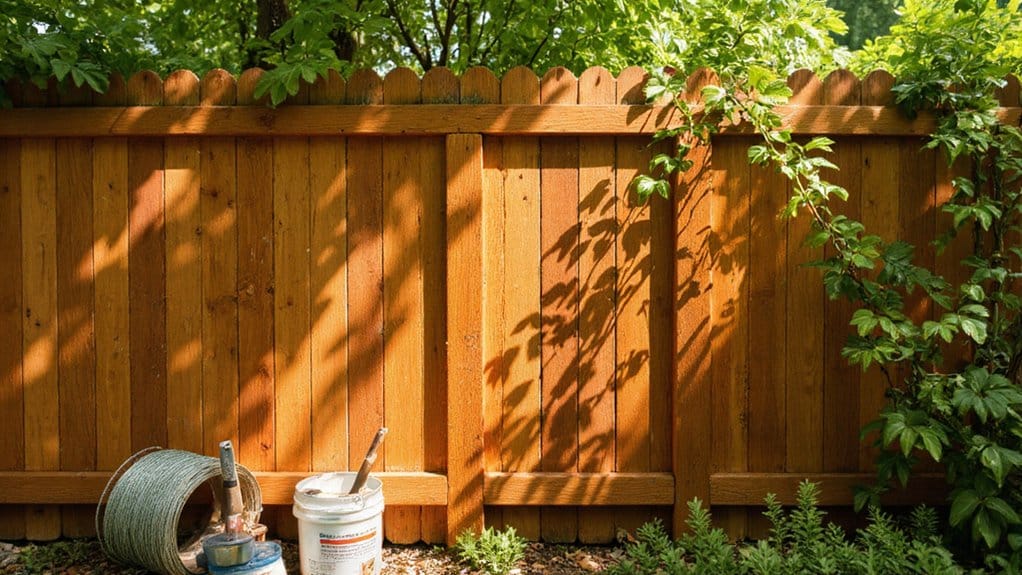
Fence care does not need to be expensive.
Regular checks help you catch small issues early, which saves money over time.
A good quality paint or stain protects the surface and reduces future repairs.
Simple ideas like using leftover materials for decoration can improve the look without adding much cost.
Keep the area around the fence clean. Remove debris and trim plants to prevent moisture buildup.
Staying consistent with small tasks is often enough to avoid larger expenses.
Seasonal Maintenance: Your Monthly Fence Care Checklist
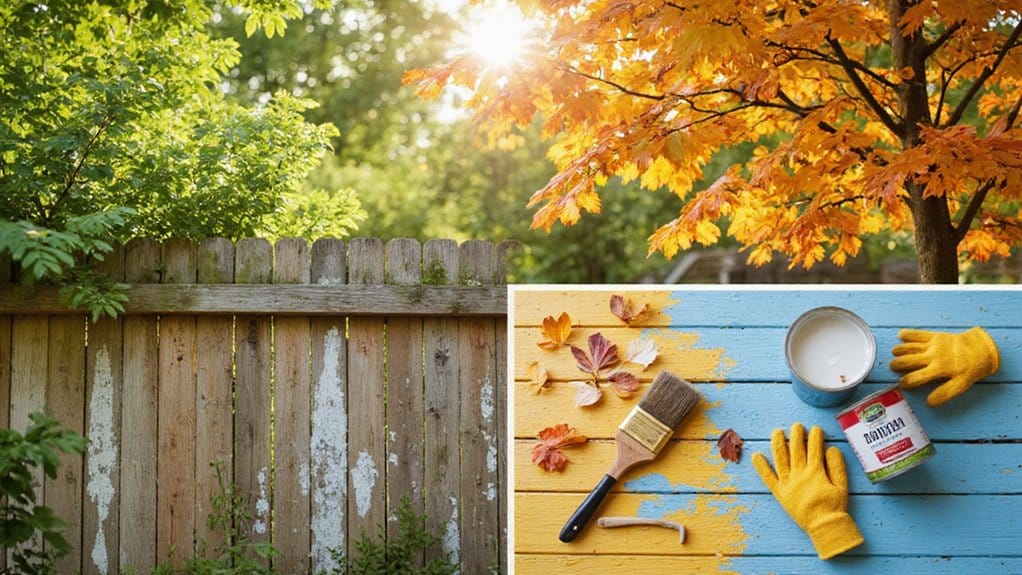
Breaking maintenance into small monthly tasks makes it easier to manage.
Check for loose boards or nails and fix them quickly.
Look for early signs of rot or insect damage.
During warmer months, plan for painting or staining.
Clean off dirt, algae, and mildew as they appear.
In fall, remove leaves and debris around the base.
During winter, check that the fence holds up against wind and snow.
A simple routine keeps everything under control without feeling overwhelming.
Enhancing Your Fence’s Lifespan: Long-Term Strategies for Success
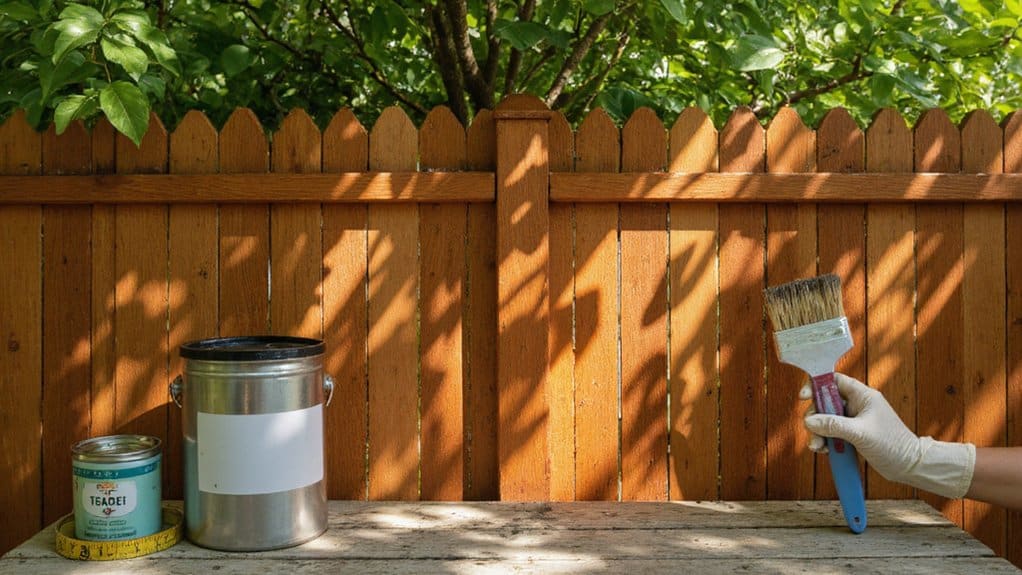
Long-term care starts with good choices and steady upkeep.
Pick materials that suit your local weather conditions.
Inspect the fence regularly and handle issues early.
Use protective coatings to reduce damage from sun, rain, and moisture.
Keep plants trimmed and away from the structure.
Improving drainage around the fence also helps reduce water exposure.
Set a schedule for maintenance and stick to it. A little effort over time keeps the fence strong and looking good.
Frequently Asked Questions
How Often Should I Paint or Stain My Fence?
Most fences need painting or staining every two to three years. Weather conditions may change this timing.
Can I Use Pressure Washing on All Fence Types?
Pressure washing works well for vinyl but can damage wood if used incorrectly. Lower pressure settings are safer.
What Fence Materials Require the Least Maintenance?
Vinyl and composite fences need the least upkeep. They resist rot and insect damage and only need occasional cleaning.
How Can I Prevent Rust on Metal Fences?
Keep the surface clean and dry. Apply a protective coating and fix scratches early to stop rust from spreading.
Should I Remove Plants Growing Near My Fence?
Yes. Plants can trap moisture and weaken the structure. Keeping the area clear helps the fence last longer.
Conclusion
Fence care does not need to be complicated. A steady routine makes all the difference.
Regular checks, simple cleaning, and timely repairs keep your fence strong and looking neat. Adding protective coatings every few years gives extra support against weather and wear.
When you stay consistent, your fence holds up better and lasts much longer.