Installing a fence in winter is possible, and in many cases, it works out better than people expect. Most homeowners assume cold weather puts outdoor projects on hold, but that’s not always true. With the right setup, proper tools, and a bit of planning, you can complete a fence installation even when temperatures drop.
Winter does bring a few challenges. Frozen ground, shorter daylight hours, and unpredictable weather can slow things down. Still, these obstacles are manageable. In fact, winter can offer a few practical advantages that are easy to miss if you only think of it as an off-season.
Let’s walk through what matters, what to prepare for, and how to get it right.
Key Takeaways
- Fence installation is possible in winter with the right tools and planning.
- Frozen ground can be handled using specific digging methods and equipment.
- Contractors may be more available, which can help with scheduling and pricing.
- Materials like vinyl and aluminum hold up well in colder conditions.
- Regular maintenance during winter helps extend the life of your fence.
Why Winter Fence Installation Still Works
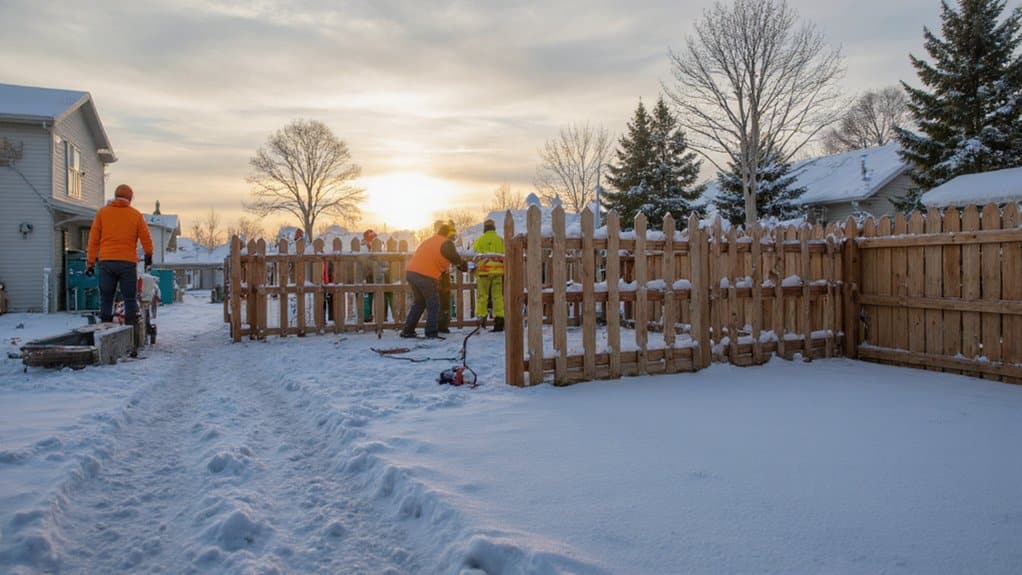
A lot of people assume winter stops outdoor work completely. In reality, fence installation can continue with a few adjustments.
The biggest concern is frozen ground. Digging becomes harder, but not impossible. Heated tools, power augers, or even simple pre-drilling methods can break through the surface. Once you get past that layer, the rest of the process feels familiar.
Material choice also plays a role. Vinyl and treated wood handle cold weather well. They don’t crack easily when temperatures drop, which makes them a safer option during winter builds.
Concrete is another factor. Standard mixes may struggle in low temperatures, so using one designed for cold weather helps it set properly. Timing matters too. Planning around milder days or avoiding storms can make the job smoother.
With the right setup, winter installation does not compromise strength or durability.
What You Gain by Installing a Fence in Winter
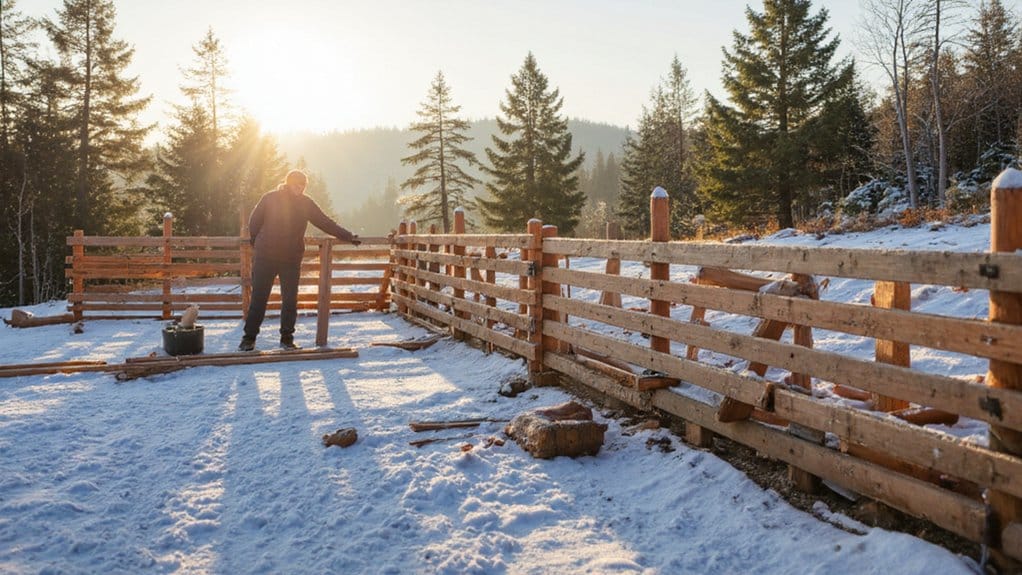
Winter installation comes with a few practical benefits that often go unnoticed.
One of the biggest is cost. Since fewer people schedule fencing work during colder months, contractors tend to have more open slots. This can sometimes lead to better pricing or more flexible timelines.
There is also more attention to your project. With fewer jobs on the schedule, contractors can focus more on each installation. That often leads to cleaner work and better overall results.
From a visual standpoint, a new fence stands out more during winter. With less greenery around, the structure becomes more noticeable, which can improve how your property looks from the street.
Another simple advantage is timing. If the fence is already in place before spring, you can start using your yard right away when the weather warms up. No waiting, no delays.
Tools That Make Winter Installation Easier
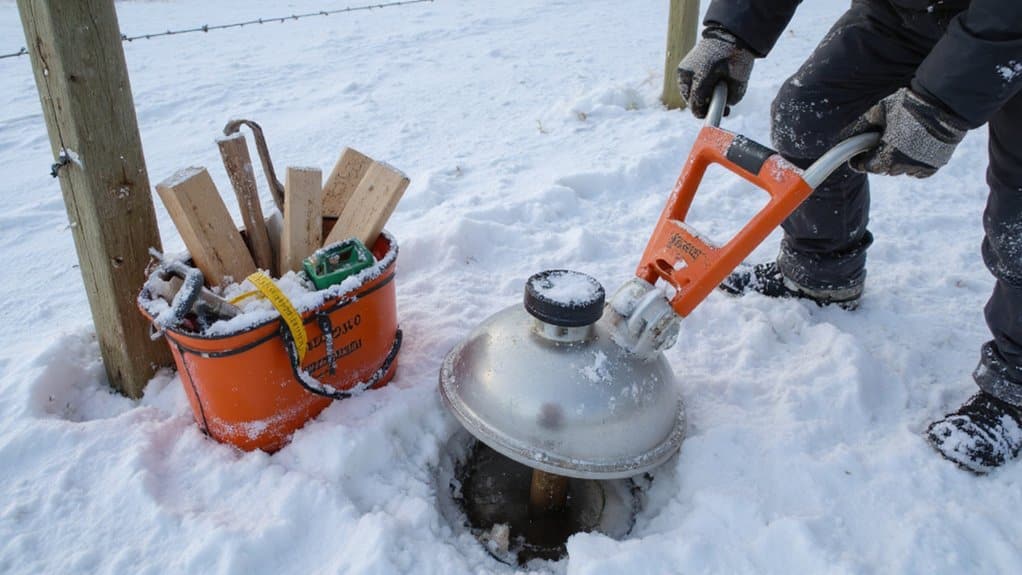
Winter fencing requires a few adjustments when it comes to tools. The basics remain the same, but cold conditions demand more durability and precision.
Digging Tools That Handle Frozen Ground
A solid post hole digger is still essential, but it needs to be strong enough to break through hardened soil. Models with reinforced blades work better in these conditions.
A power auger can save a lot of time, especially when the ground is deeply frozen. It reduces manual effort and keeps the process moving at a steady pace.
One helpful approach is to start with a smaller pilot hole. This breaks up the frost layer and makes it easier to dig deeper without forcing the tool.
Keeping your equipment in good condition matters more in winter. Clean tools after use and check for wear. Cold weather can make metal more brittle, so regular inspection helps avoid unexpected breaks.
Fasteners That Hold Up in Cold Weather
Fastening materials need to resist moisture and temperature changes. Stainless steel and galvanized screws are good choices because they do not rust easily.
It’s also worth choosing fasteners rated for low temperatures. Some materials lose strength when exposed to freezing conditions, which can affect how secure your fence remains over time.
A reliable power drill helps speed things up. Models with adjustable torque give you better control, especially when working with stiff or frozen materials.
Keeping tools dry is just as important. Moisture can freeze and affect performance, so store them properly between uses.
Getting the Ground Ready Before Installation
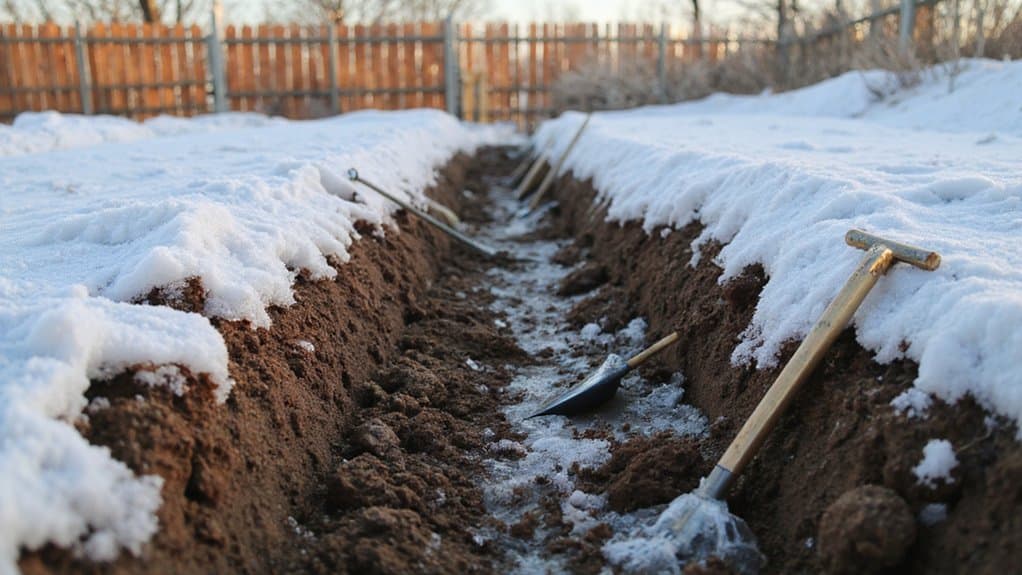
Ground preparation is one of the most important steps in winter fence installation.
Start by clearing snow and ice from the area. This gives you a clear view of the layout and makes movement easier while working.
Next, check the soil condition. If the ground is too hard, you may need to soften it slightly. Some people use thawing agents, while others wait for a slightly warmer day to begin digging.
Mark your fence line clearly before you start. This avoids mistakes later when visibility might be limited.
Post depth matters more in winter. Digging slightly deeper than usual helps prevent shifting caused by freeze and thaw cycles. Making the holes a bit wider than the posts also improves stability once everything is set.
Taking extra time at this stage makes the rest of the process much smoother.
Picking Materials That Handle Winter Well
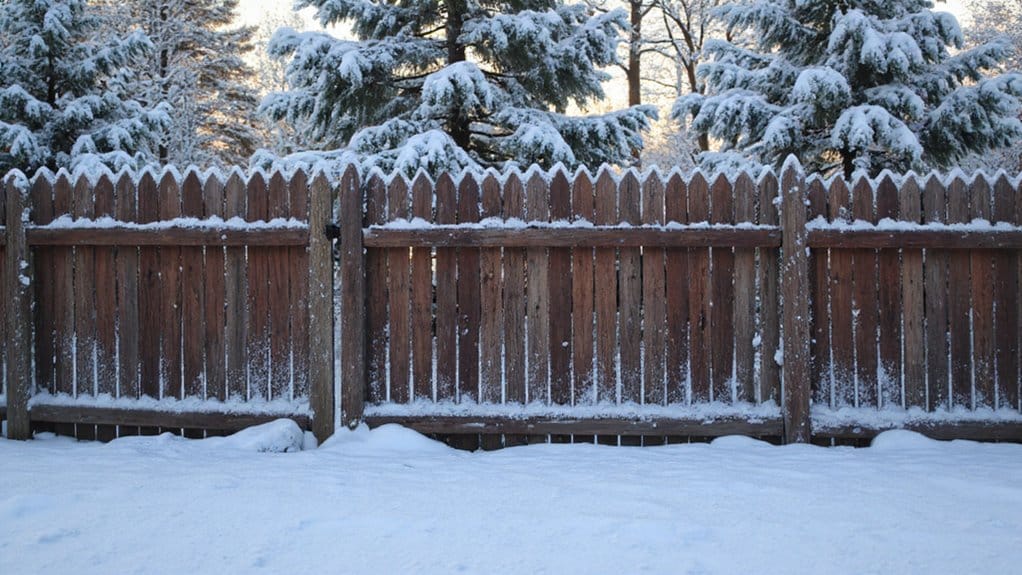
Not all fencing materials perform the same in cold weather. Choosing the right one can make a big difference in how your fence holds up.
Materials That Last Through Cold Seasons
Vinyl is one of the more reliable options. It does not absorb moisture, which means it won’t swell or crack easily when temperatures change.
Aluminum is another strong choice. It resists rust and handles snow and moisture without much trouble.
Treated wood can also work well, as long as it is properly maintained. It offers strength and a natural look, but it needs protection from moisture to last longer.
Untreated wood is not ideal for winter installation. It can absorb water, freeze, and weaken over time.
How Insulation Plays a Role
Some fencing materials provide better insulation than others. Vinyl and composite fences help reduce heat loss and create a more stable environment around your yard.
Wood offers moderate insulation, though it depends on how well it is maintained.
Metal fences, while durable, do not provide much insulation. They are better suited for strength rather than temperature control.
Choosing the right material depends on what matters most to you, whether that is durability, appearance, or added protection from the elements.
Handling Common Winter Installation Problems
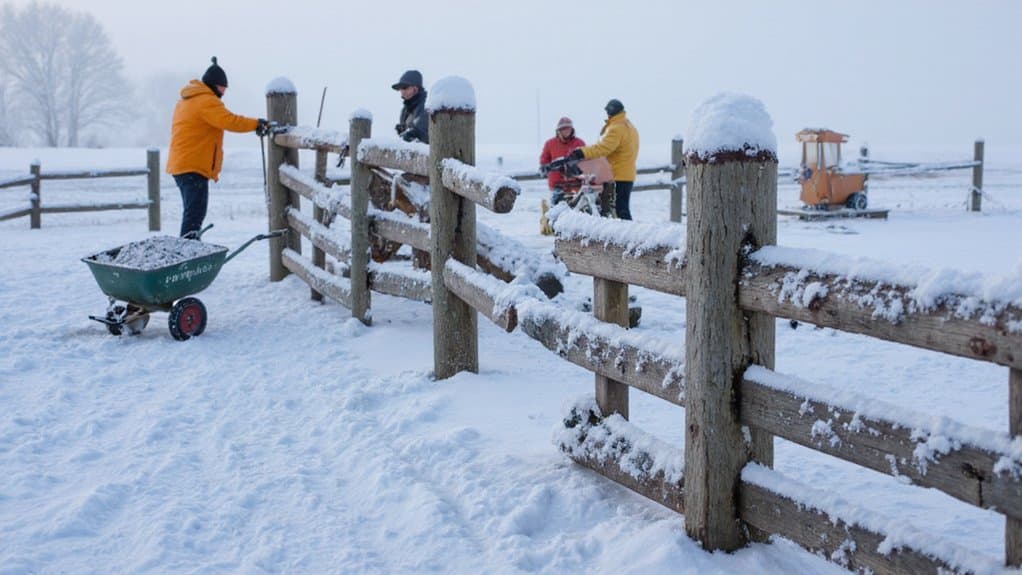
Winter comes with a few predictable challenges, but most of them have simple solutions.
Frozen ground is usually the first issue. Using a power auger or a heavy-duty digger helps break through the surface. If the ground is too hard, waiting for a slight thaw can save time and effort.
Snow can also get in the way. Clearing the work area before starting makes measuring and positioning much easier. A clean surface helps avoid mistakes.
Cold temperatures can slow down certain steps, especially when working with concrete. Using a mix designed for low temperatures helps it set properly and keeps the posts secure.
Taking a steady approach and adjusting your methods as needed makes the process manageable.
Should You Install It Yourself or Hire Help?
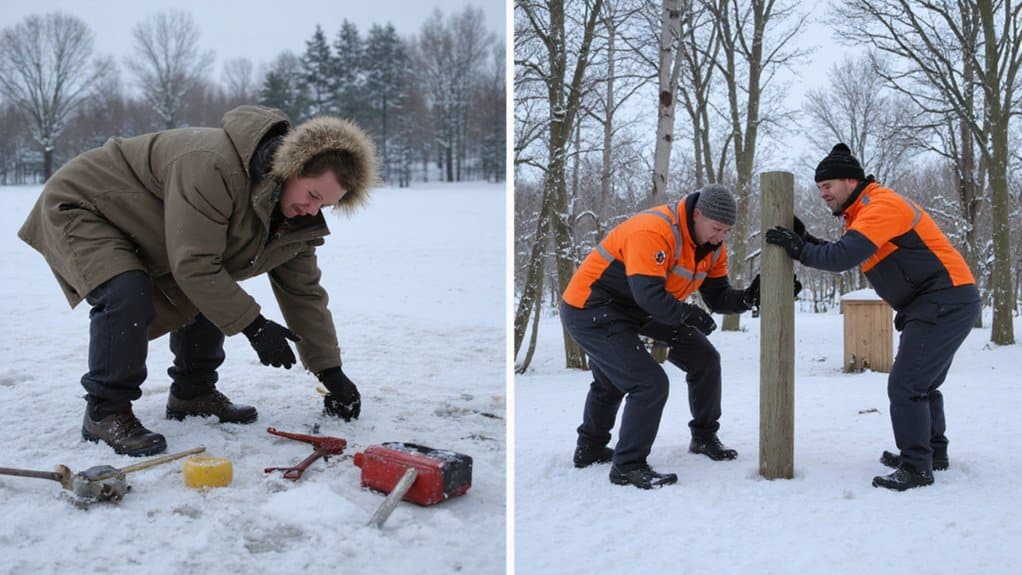
Deciding between doing it yourself or hiring a professional depends on a few factors.
If you already have experience and the right tools, a DIY project can save money. Still, winter conditions add complexity. Frozen ground, weather delays, and material handling can make the job more demanding.
Hiring a professional takes some of that pressure off. They are used to working in different conditions and often have access to better equipment. This can speed up the process and reduce the chances of mistakes.
Time is another consideration. If your schedule is tight, bringing in a contractor might be the easier choice.
It comes down to your comfort level, your budget, and how much time you can commit.
Keeping Your Fence in Good Shape During Winter
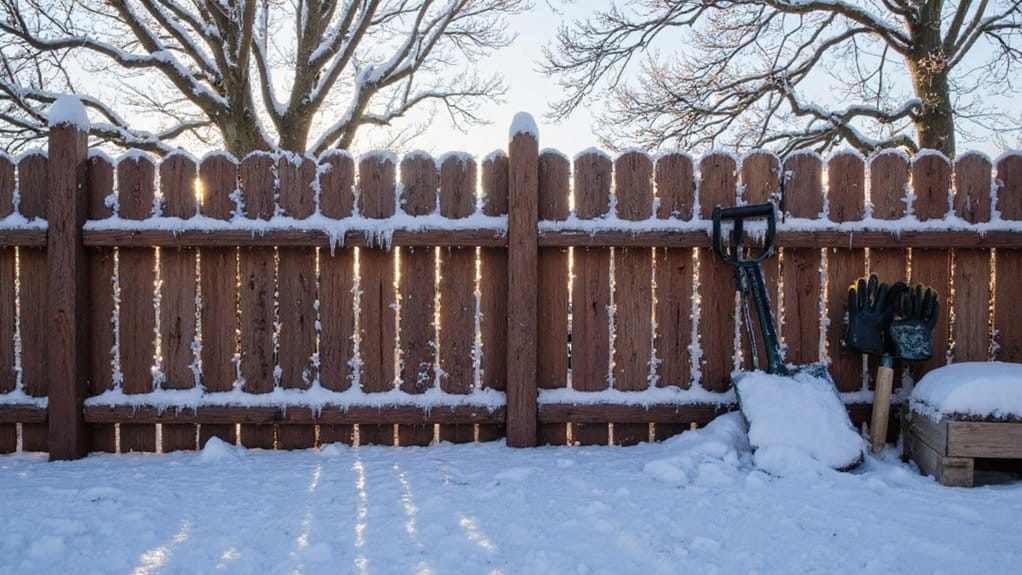
Once your fence is installed, regular care helps it last longer.
Check it every so often for signs of damage. Cold weather can cause small cracks or shifts, especially after heavy snow or freezing rain.
Remove snow buildup when possible. Too much weight can strain the structure over time.
If you have a wooden fence, applying a protective seal helps reduce moisture damage. This is especially useful in areas with frequent freezing and thawing.
Keep the area around the fence clear. Debris can trap moisture, which may lead to long-term issues.
A quick inspection now and then can prevent bigger problems later.
Frequently Asked Questions
Will winter weather affect how long a fence lasts?
Yes, it can. Cold temperatures, moisture, and repeated freezing can put stress on materials. Choosing the right material and installing it properly helps reduce these effects.
Does cold weather change how materials behave during installation?
It can. Some materials become more rigid in low temperatures. This means you may need to adjust how you handle and secure them during installation.
Can you install a fence when the ground is frozen solid?
Yes, but it takes extra effort. Specialized tools and techniques can break through frozen soil and allow proper installation.
Do you need permits for winter fence installation?
Permit rules stay the same regardless of the season. It’s always a good idea to check local requirements before starting.
Are warranties different for winter installations?
Sometimes. Some manufacturers have specific conditions related to installation timing. It’s worth reviewing the details before you begin.
Conclusion
Installing a fence in winter is completely doable with the right approach. Cold weather adds a few extra steps, but it does not stop the project altogether.
With proper tools, suitable materials, and careful preparation, you can build a fence that holds up just as well as one installed in warmer months. There are even a few added benefits, like better scheduling options and potential cost savings.
Whether you take on the project yourself or bring in a professional, the main thing is to plan ahead and work with the conditions instead of against them.
A well-installed fence in winter can serve you just as well when spring arrives.