When you’re choosing a fence, one question usually comes up right away. How long will it actually last?
Different materials hold up in different ways. Some handle harsh weather well. Others look great but need regular care to stay in good shape. Vinyl and aluminum are known for lasting a long time with very little maintenance. Wood has a natural look many homeowners love, but it needs routine upkeep to avoid rot or insect damage. Metal fences like steel and wrought iron are strong, though they need protection against rust.
Understanding how each material performs over time helps you make a smart decision. The right fence should match your climate, your maintenance preferences, and your budget.
Key Takeaways
- Vinyl fences often last more than 20 years and resist cracking, fading, rot, and severe weather.
- Aluminum fences are lightweight, rust resistant, and perform well in many climates.
- Wrought iron is strong and classic in appearance but needs periodic care to prevent rust.
- Steel fencing provides strong security but must be treated to avoid corrosion.
- Wood fences, especially cedar or redwood, resist decay naturally but require regular upkeep.
Comparing the Durability of Different Fencing Materials
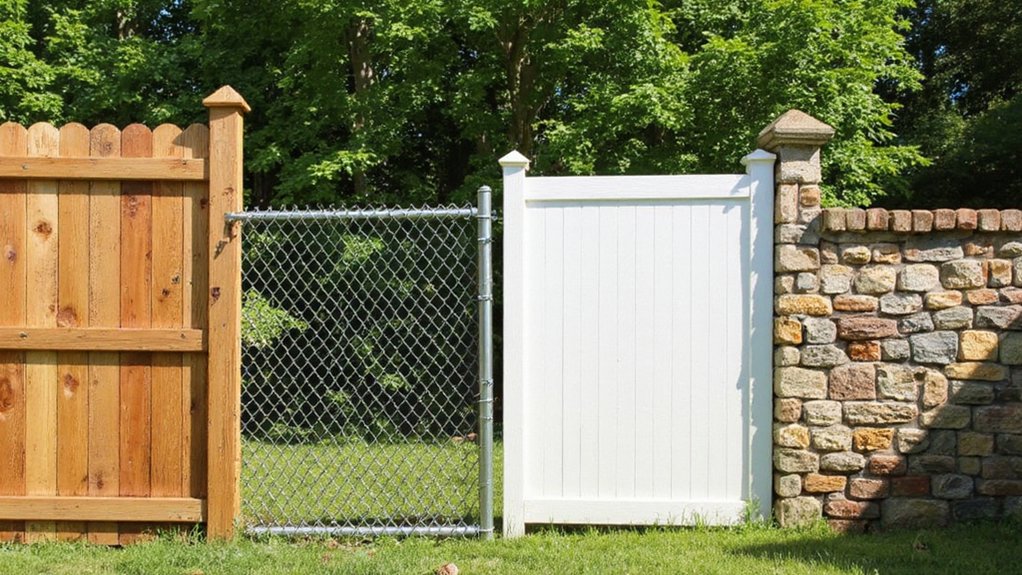
When you start comparing fence materials, durability becomes one of the biggest factors to consider. The material you choose affects how long the fence lasts, how much maintenance it needs, and how well it handles weather.
Vinyl fencing has become a popular choice for homeowners who want a long-lasting fence without a lot of maintenance. It doesn’t crack easily, resists fading, and holds up well in rain, sun, and snow. Most vinyl fences can last two decades or longer.
Aluminum fencing is another durable option. Even though it’s lightweight, it handles weather well and does not rust the way some other metals do. That makes it a solid choice for areas with frequent rain or humidity.
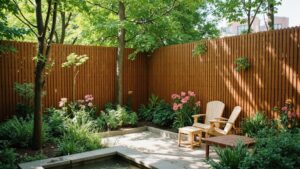
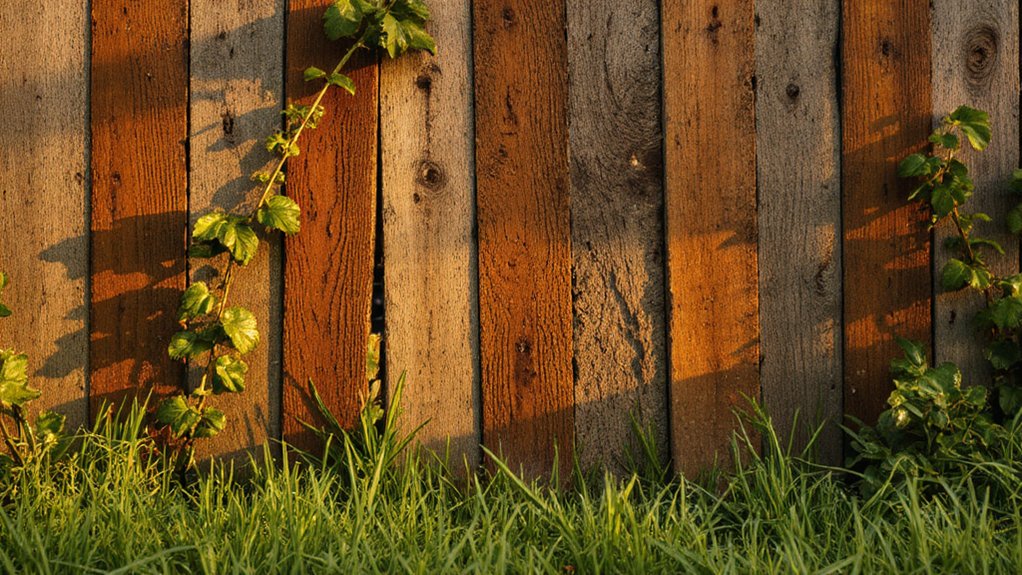
Wood fencing has a classic appearance and blends nicely with many home styles. But wood needs attention. Without sealing, staining, and routine inspections, it can develop rot, insect damage, or warping over time.
Chain link fencing is known for strength and durability. It often lasts many years with little maintenance. The trade-off is appearance. It usually doesn’t provide the same visual appeal or privacy as other fence types.
When choosing a fence, it helps to look at both durability and appearance. A fence should last for years, but it should also fit the overall look of your property.
Wood Fencing Lifespan and Maintenance
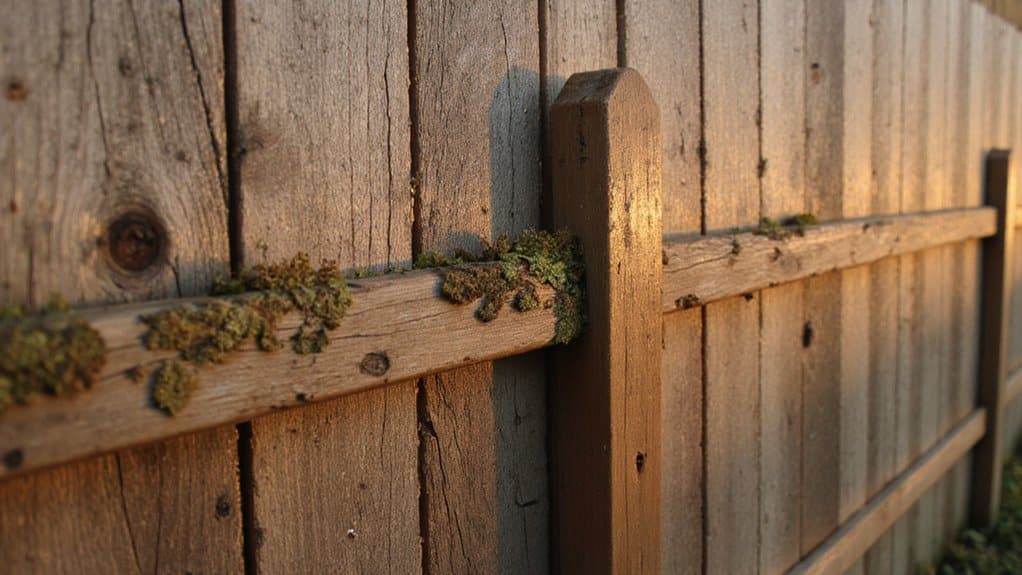
Wood fencing remains a popular option because of its natural look and versatility. If you’re considering this option, see our wood fencing services for installation and design options.
The lifespan of a wood fence depends heavily on the type of wood used and how well it’s maintained.
Some wood species hold up better than others. Regular care also plays a major role in how long the fence lasts.
Types of Wood Used
The type of wood you choose can make a noticeable difference in the lifespan of your fence.
Cedar is one of the most common choices. It contains natural oils that help protect the wood from moisture, insects, and decay. Cedar fences often last longer than many other softwoods when properly maintained.
Redwood offers similar benefits. It naturally resists insects and moisture, and it has a rich color that many homeowners like.
Pressure treated wood is another widely used option. The wood is treated with chemicals that help protect it from rot and pests. This type of fencing tends to be more affordable, though it may need more upkeep to prevent warping or cracking.
Your choice often comes down to budget, appearance, and how much time you want to spend maintaining the fence over the years.
Regular Maintenance Practices
Even the best wood fence needs routine maintenance to stay in good shape.
Start with regular cleaning. Dirt, algae, and mildew can build up on the surface and slowly damage the wood. Washing the fence with a mild detergent and soft brush helps keep it clean without harming the material.
It’s also a good idea to inspect the fence a few times each year. Look closely at joints, nails, and fasteners. Metal parts can rust over time, so applying a rust resistant spray can help protect them.
Sealing or staining the wood every few years also helps extend the life of the fence. These treatments protect the wood from moisture and sun exposure, both of which can cause cracking and fading.
Routine care keeps a wood fence looking good and can add several years to its lifespan.
Durable Vinyl Fencing: Advantages and Lifespan
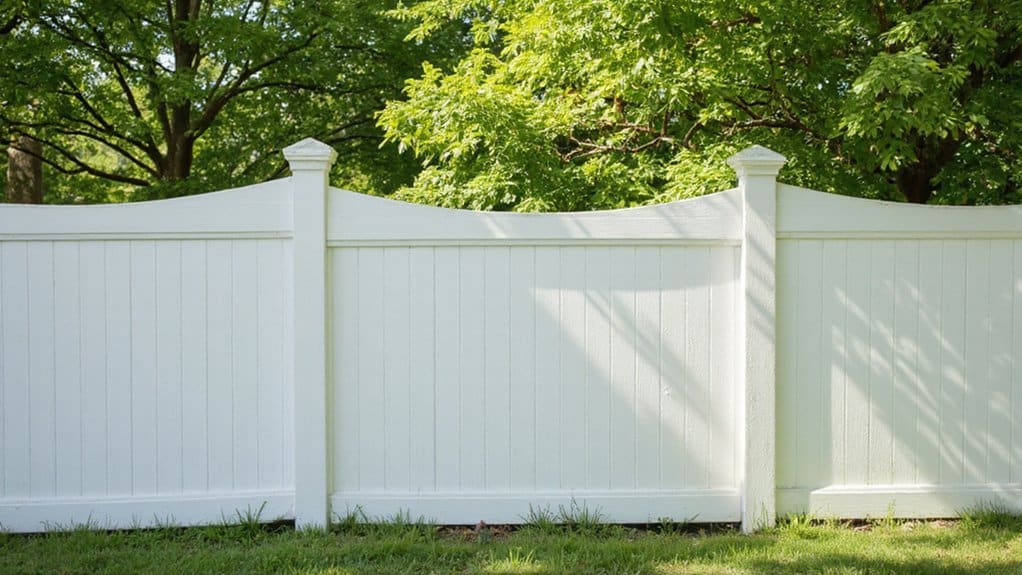
Vinyl fencing has grown in popularity for homeowners who want a long lasting fence with very little maintenance. Learn more about how vinyl fencing is made and why it performs well in different climates.
One reason vinyl works so well is its resistance to many common problems that affect other materials. It does not rot, attract insects, or absorb moisture the way wood does. It also holds its color well, even after years of exposure to sunlight.
Most vinyl fences can last more than 20 years with only occasional cleaning. You usually won’t need to paint or stain it. A quick rinse with water is often enough to remove dirt and keep the fence looking clean.
Another benefit is the range of styles and colors available. Vinyl fences come in many designs, from privacy panels to decorative picket fences. This allows homeowners to choose a look that fits their property while still getting long term durability.
For many people, vinyl offers a practical balance between appearance, lifespan, and minimal upkeep.
Metal Fencing: Steel, Aluminum, and Wrought Iron Compared
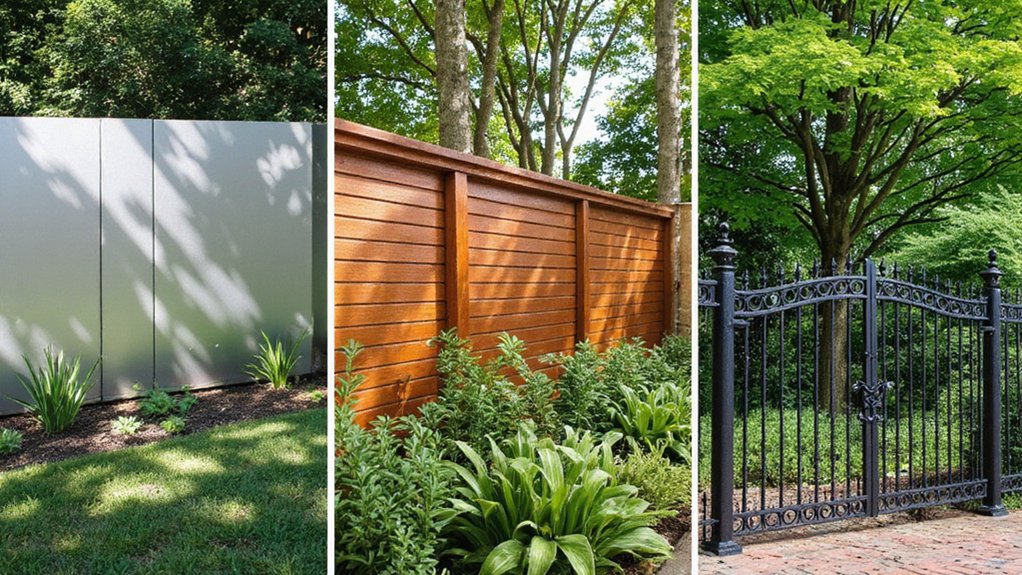
Metal fencing is often chosen for strength and security. Three common options are steel, aluminum, and wrought iron. Each one has its own characteristics and maintenance needs.
Steel fencing is known for strength. It works well for security and can handle heavy use. The downside is corrosion. Without protective coatings or regular treatment, steel may develop rust over time.
Aluminum fencing offers many of the visual qualities of metal without the rust issue. It is lightweight, strong enough for most residential uses, and performs well in areas with frequent rain or humidity.
Wrought iron fencing has been used for centuries and is known for its decorative style. It can handle harsh weather and remains very sturdy. Still, it requires periodic painting or treatment to prevent rust from forming.
When deciding between these metal options, it helps to think about your climate, the level of maintenance you’re comfortable with, and the overall style you want for your property.
Composite Fencing: Durable and Low-Maintenance Options
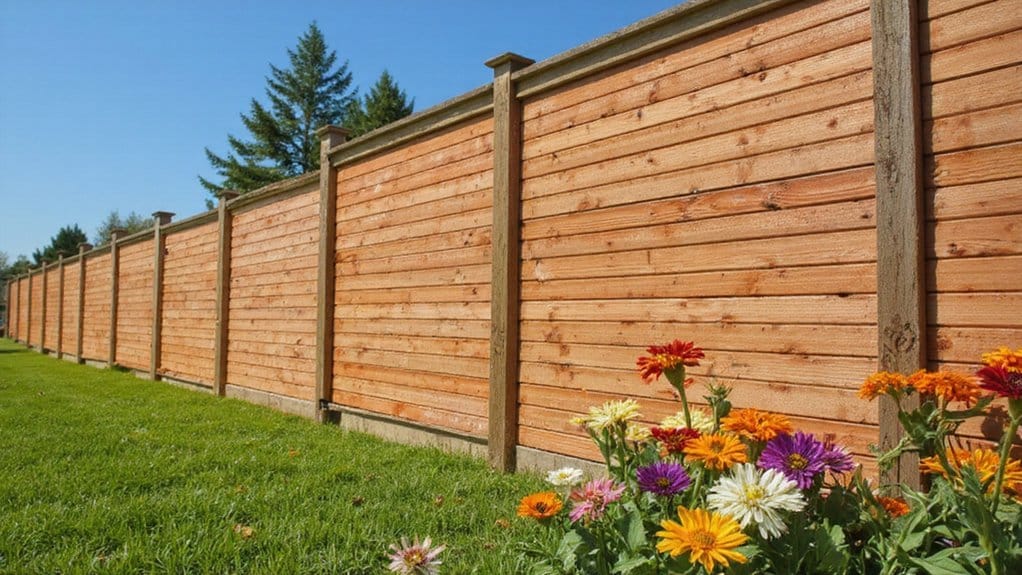
Composite fencing is another option that has become more common in recent years.
This material is made from a blend of recycled wood fibers and plastic. The combination creates a fence that looks similar to wood but performs differently.
Composite fencing resists rot, warping, and insect damage. Unlike traditional wood, it doesn’t require painting or staining to stay protected. Most homeowners only need to clean it occasionally.
Another benefit is that composite fencing often uses recycled materials. That reduces waste and gives the material a longer life cycle.
The appearance is designed to resemble natural wood, so homeowners can still achieve a warm, natural look while reducing the amount of maintenance required.
For people who like the style of wood but want less upkeep, composite fencing can be a good alternative.
How Environment Affects Fence Longevity
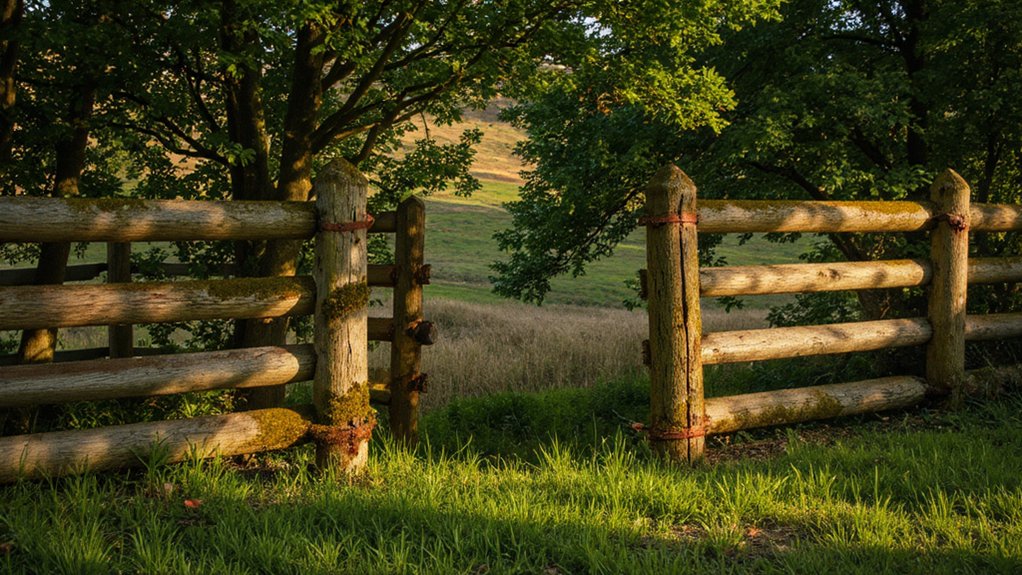
The environment around your property plays a large role in how long a fence will last.
Weather conditions are one of the biggest factors. Areas with heavy rain, humidity, or snow can speed up wear on certain materials. Wood fences may absorb moisture and develop rot, while metal fences may begin to rust without proper protection.
Temperature swings also affect fences. Repeated freezing and thawing can cause some materials to expand and contract, which may lead to cracks or loose posts over time.
Soil conditions matter as well. Clay soil tends to hold moisture, which can affect wooden fence posts. Sandy soil drains faster but may not hold posts as firmly.
Knowing your local climate and soil type helps you choose a material that performs well in those conditions.
Regular inspections also help catch small problems before they turn into expensive repairs.
How to Choose the Best Fence for Your Environment and Budget?
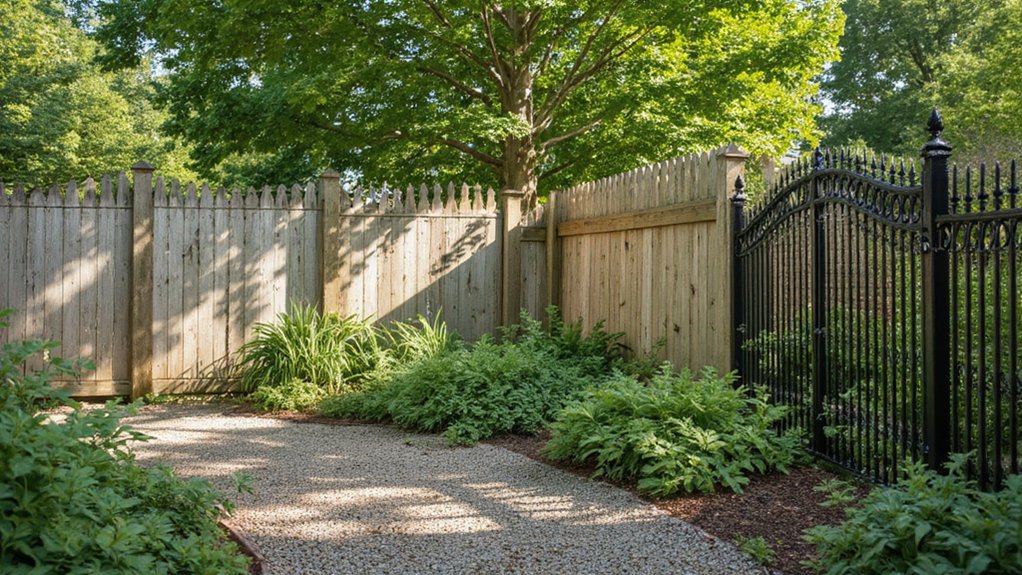
Choosing the right fence often comes down to balancing durability, climate conditions, and cost.
A fence that works well in one location may not perform the same way somewhere else. Looking at your environment and budget helps narrow down the options.
Assess Environmental Conditions
Start by thinking about the climate where you live.
If your area experiences heavy rain, humidity, or coastal air, certain materials may perform better than others. Aluminum and vinyl fences tend to hold up well in wet climates because they resist moisture damage.
In very hot regions, sunlight and heat can affect some materials. Choosing fences designed to resist UV exposure helps maintain appearance over time.
Soil type also matters. Loose soil may cause fence posts to shift if they aren’t installed properly.
Taking these conditions into account helps you choose a fence that lasts longer with fewer problems.
Evaluate Material Durability
Once you understand your environment, it becomes easier to compare how different materials perform.
Vinyl and aluminum generally require little maintenance and handle moisture well. Wood offers a natural look but needs sealing and regular inspections to prevent damage.
Metal fences can last many years, though protective coatings help prevent rust in wet climates.
Looking at these factors side by side helps you find a material that holds up well while also fitting the style you want for your property.
Budget Considerations and Options
Budget is another important part of the decision.
Fence costs vary depending on materials, style, and installation. Wood fences are often less expensive upfront, but they may require more maintenance over time.
Vinyl and aluminum usually cost more at the beginning, though they often need less ongoing care.
Installation also adds to the total cost. Hiring professionals ensures proper installation, but some homeowners choose to install fences themselves to reduce expenses.
When comparing options, it helps to think about long term value rather than only the initial price.
A fence that lasts longer with less maintenance may save money over the years.
Frequently Asked Questions
What Fence Materials Are Best for Coastal Environments?
For coastal areas, vinyl and aluminum fences work well. Both resist corrosion and hold up against salty air and moisture.
How Does Fence Installation Impact Longevity?
Installation plays a major role in how long a fence lasts. Secure posts, correct spacing, and proper foundations help prevent leaning, shifting, or structural problems over time.
Can I Paint or Stain My Fence to Extend Its Life?
Yes. Painting or staining wood fences adds protection against moisture and sunlight. These treatments help prevent rot and extend the lifespan of the wood.
What Is the Average Cost of Long-Lasting Fencing Options?
Costs vary by material. Wood fencing typically ranges from $15 to $30 per linear foot. Vinyl fencing often ranges from $20 to $40 per linear foot. Metal fences may cost $30 to $50 per linear foot depending on the style.
How Often Should I Inspect My Fence for Damage?
Inspect your fence at least twice a year. Seasonal checks help catch loose boards, rust, or other issues before they turn into larger repairs.
Conclusion
Some fence materials simply last longer than others. Vinyl and aluminum often stand out because they handle weather well and need very little maintenance.
Wood fencing still attracts homeowners who like a natural look, though it requires regular care to stay in good condition. Metal fences like steel or wrought iron offer strength and security but need protection from rust.
The best fence for your property depends on your climate, budget, and how much maintenance you’re willing to handle. Choosing a material that fits your environment helps ensure the fence stays strong and attractive for many years.