When installing a fence, it’s easy to overlook small details that later turn into expensive problems. Something as simple as guessing your property line or skipping a permit check can lead to disputes, fines, or rework.
A fence may look straightforward, but getting it right takes planning. From materials to layout, each step plays a part in how long your fence lasts and how well it performs.
Let’s walk through the most common mistakes people make and how to avoid them.
Key Takeaways
- Failing to confirm property lines can lead to neighbor disputes and costly corrections.
- Poor installation methods often result in leaning or unstable fences.
- Skipping permits or local rules can lead to fines or removal.
- Cheap materials tend to wear out faster and need more repairs.
- Ignoring future maintenance makes upkeep harder later on.
Common Fence Installation Mistakes to Avoid
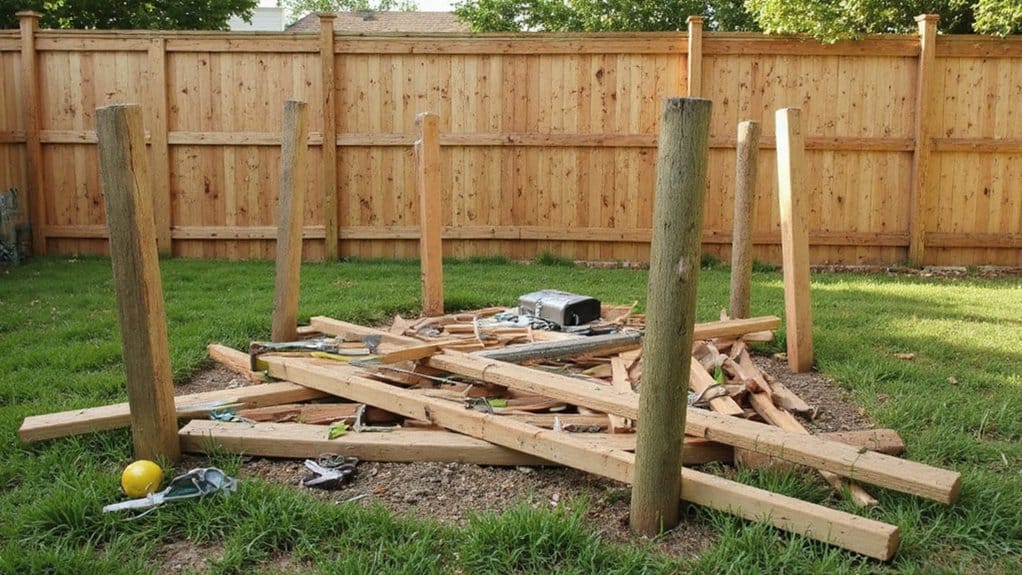
It’s easy to rush into a fence project, especially when you’re focused on improving privacy or security. But skipping planning steps often leads to problems that show up later.
Fence height is one area people often overlook. A fence that’s too tall might break local rules, while a shorter one may not give you the privacy you expected. It’s worth checking local guidelines before you begin.
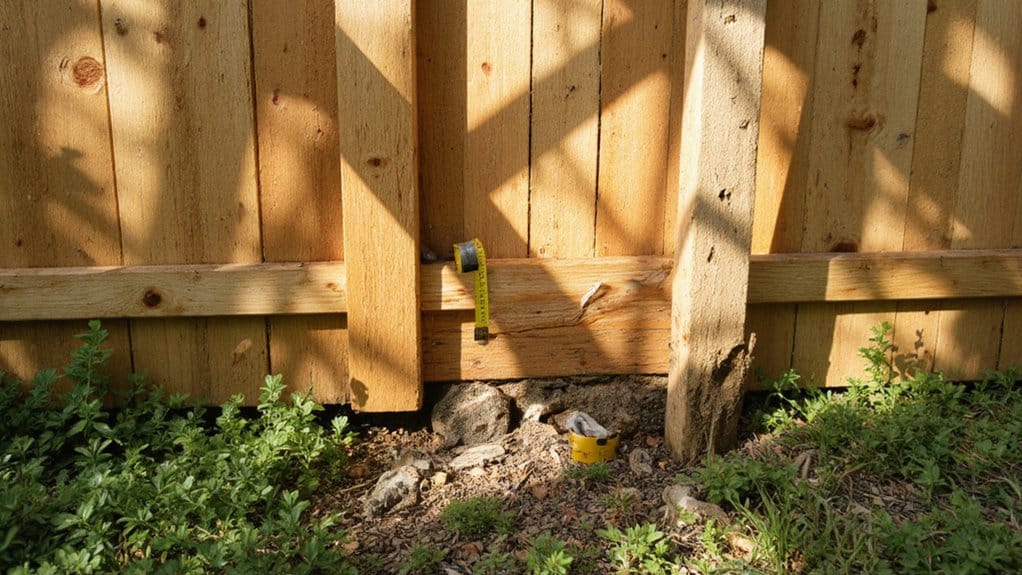
Installation technique is another issue. Posts that aren’t set deep enough or secured properly can shift over time. That’s when fences start leaning or even falling apart.
Layout planning also matters more than most people expect. Taking time to map out your fence line helps you avoid awkward angles, uneven spacing, and last-minute adjustments.
Respecting Property Lines and Avoiding Neighbor Issues
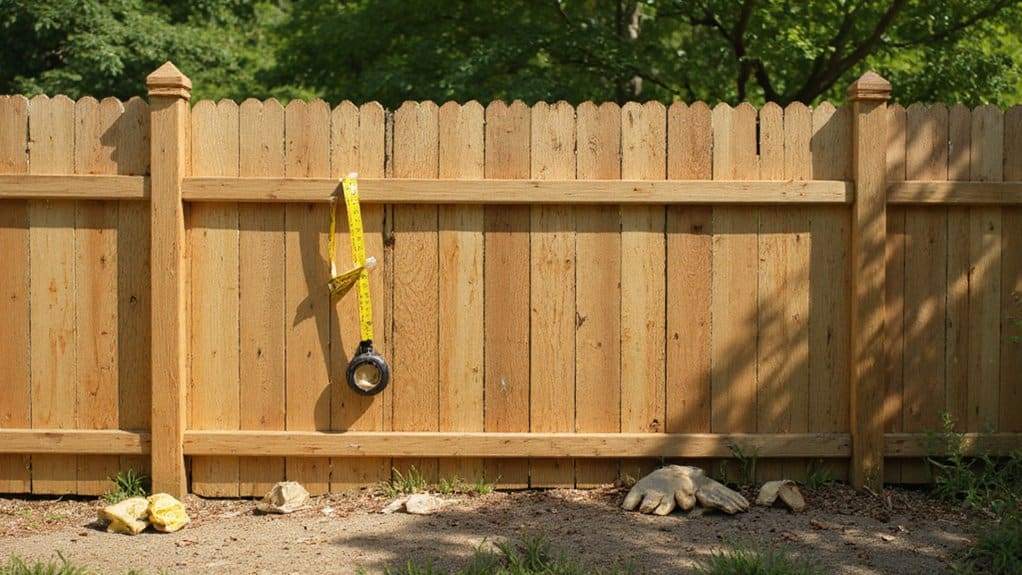
Before digging any holes, take time to confirm exactly where your property lines begin and end. Guessing or relying on old assumptions can create tension with neighbors.
Start with your property deed or a recent survey if you have one. If anything feels unclear, hiring a surveyor can save you from bigger problems later.
Once you know your boundaries, talk to your neighbors. A quick conversation about your plans can prevent misunderstandings. It also shows respect and keeps things friendly.
Clear communication early on can make the whole process smoother for everyone involved.
Permits and Local Rules You Should Not Skip
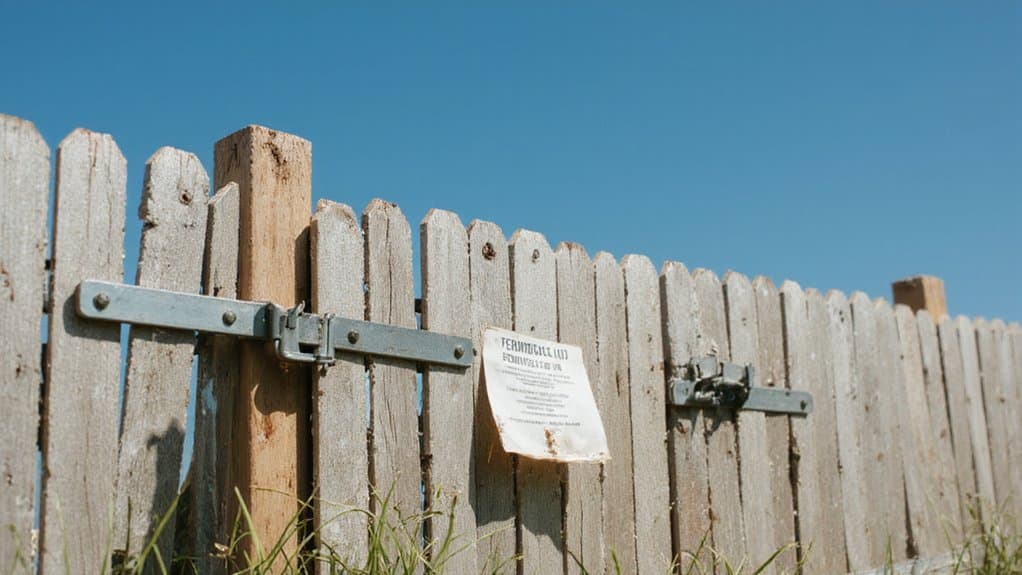
Many people don’t realize that fence installation often comes with local rules. Skipping this step can lead to fines or even being told to remove the fence.
Different areas have different requirements. These can include height limits, placement rules, and even design restrictions.
It’s best to check with your local office or council before starting. Some places require permits, while others may only have basic guidelines.
Spending a bit of time on this upfront can save you from major setbacks later.
Soil and Ground Conditions Matter More Than You Think
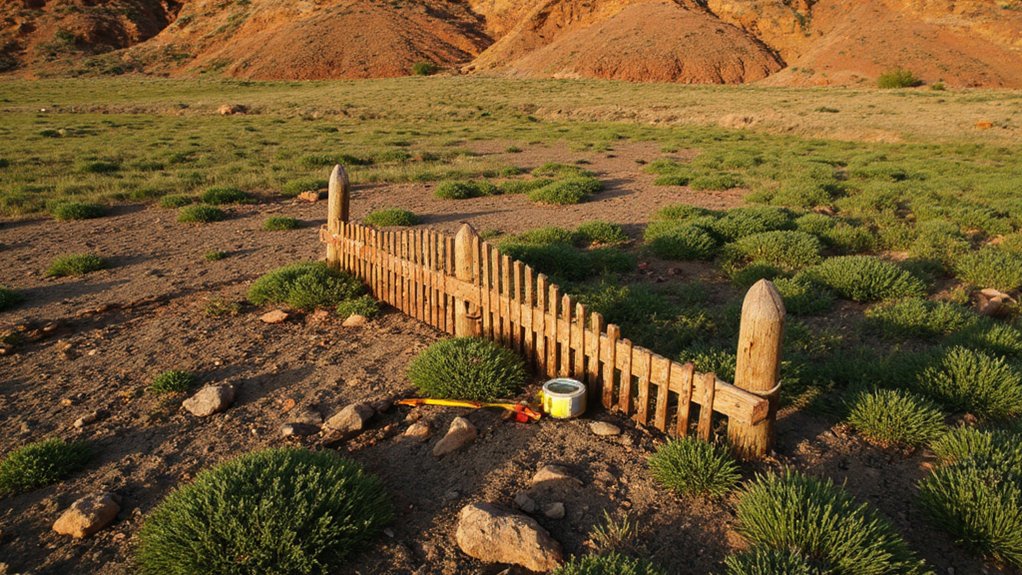
Not all ground is the same, and that can affect how stable your fence will be.
If your soil drains well, your fence posts are more likely to stay firm. Poor drainage, on the other hand, can weaken the base over time. You might notice water collecting around certain areas, which is a sign to address drainage first.
Sloped or uneven ground also needs attention. Installing a fence on a slope without planning can lead to gaps or uneven lines.
Taking time to understand your terrain helps you choose the right approach and avoid structural issues later.
Choosing Materials That Last
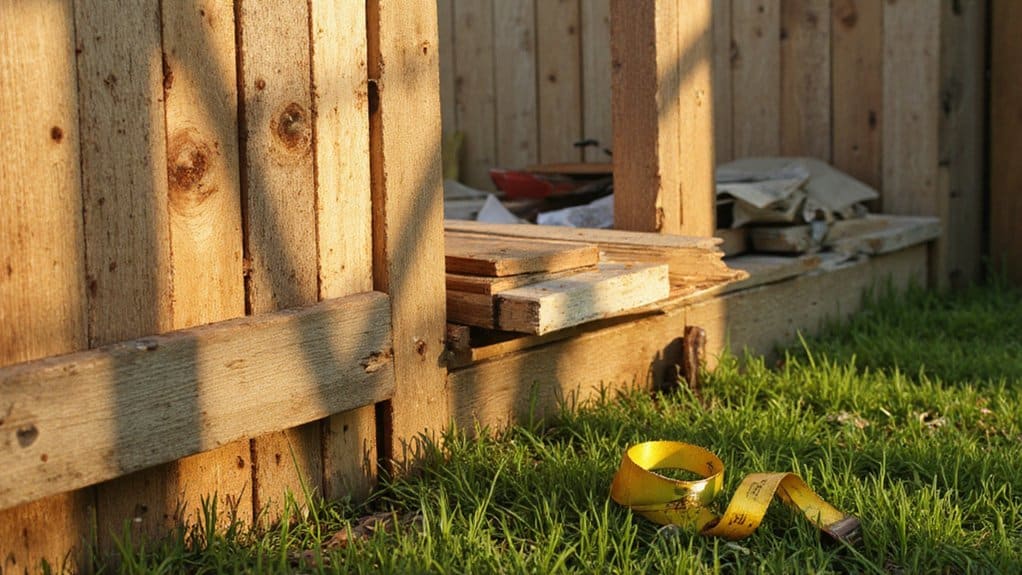
Material choice plays a big role in how long your fence will hold up.
Thinking About Durability
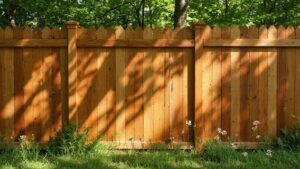
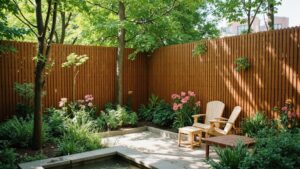
Going for the cheapest option might save money at the start, but it often leads to more repairs later. wood fencing options, metal, or composite materials tend to last longer and handle wear better.
It’s also worth thinking about the environmental impact. Some materials are more sustainable and still offer good durability.
A strong material choice means fewer repairs and less stress over time.
How Weather Affects Your Fence
Your local climate should guide your decision. Moisture, sunlight, and temperature changes all affect how materials behave.
Wood can warp or rot in humid conditions. Metal may rust without proper coating. Temperature shifts can cause materials to expand and contract, which puts stress on joints.
Choosing materials that suit your environment helps your fence last longer with fewer issues.
Balancing Cost and Long-Term Value
It’s tempting to focus only on upfront cost, but that rarely tells the full story.
Lower-cost materials may need frequent repairs or replacement. Spending a bit more on better materials often reduces long-term expenses.
For budget-friendly projects, chain link fencing is also a practical option that offers durability with lower upfront cost.
Think of it as a long-term investment rather than a quick fix.
Planning Gate Placement for Daily Use
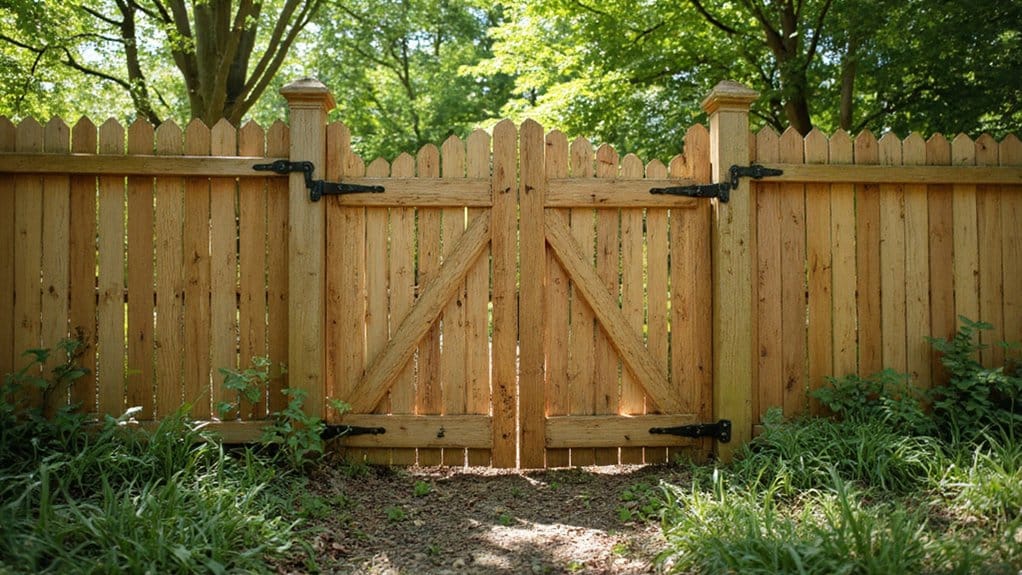
Gate placement affects how easy it is to move around your property.
Understanding Your Layout
Look at how your space is used day to day. Place gates where they feel natural and convenient.
Also consider slopes or uneven ground, as these can affect how a gate opens and closes.
Making Movement Easy
Think about how people and vehicles will pass through. Gates should be easy to access without creating bottlenecks.
Safety matters too. Avoid placing gates in areas with poor visibility.
Planning for Future Changes
Your needs may change over time. You might add a garden, a shed, or need space for larger equipment.
Planning ahead can save you from having to move or rebuild sections of your fence later.
Tools That Make the Job Easier
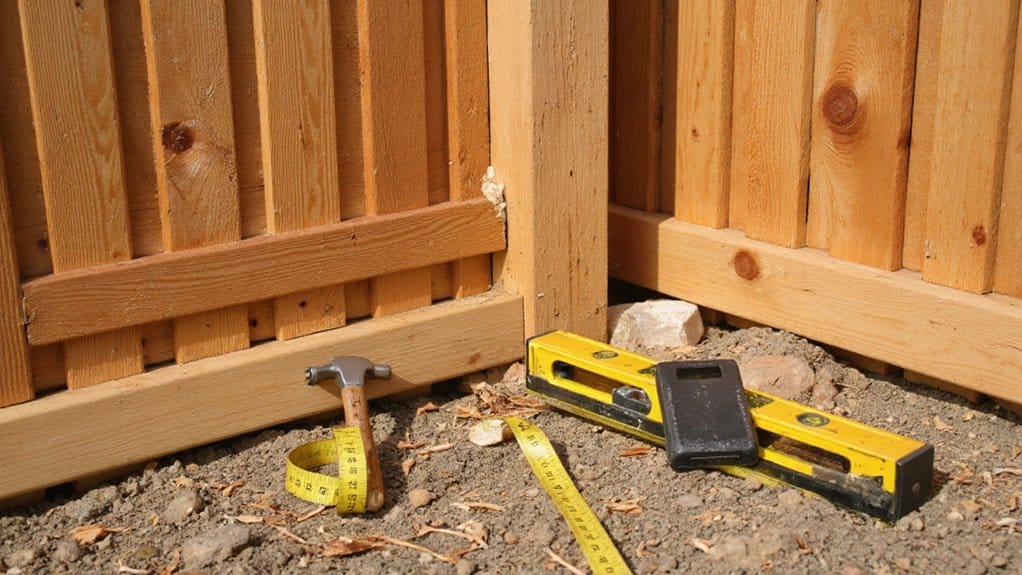
Having the right tools makes a big difference in both speed and accuracy.
A tape measure and square help keep spacing consistent. A level ensures everything stays straight.
For digging, a post hole digger or auger helps create clean, deep holes. You’ll also need basic tools like a drill, saw, and hammer for assembly.
Using proper tools reduces mistakes and helps you get a cleaner result.
Why Preparation Saves Time and Stress
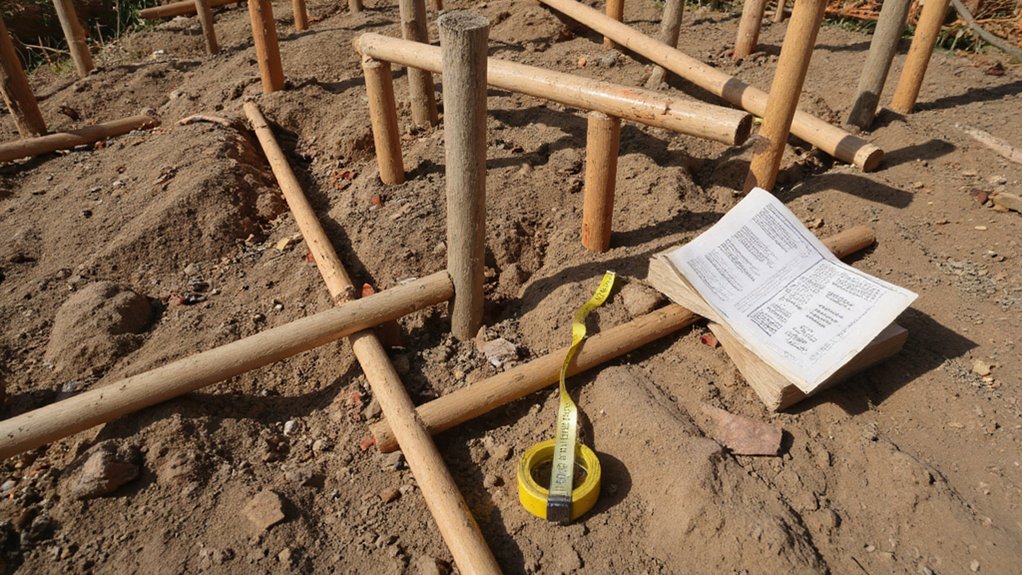
Good preparation often goes unnoticed, but it’s one of the most important steps.
Start by checking for underground utilities. Hitting a pipe or cable can quickly turn into a serious problem.
Mark your layout clearly so you know exactly where each post will go. This helps avoid guesswork during installation.
It also helps to plan your timeline. Delays can happen, especially if permits are required, so giving yourself some buffer time keeps things on track.
Planning for Maintenance From the Start
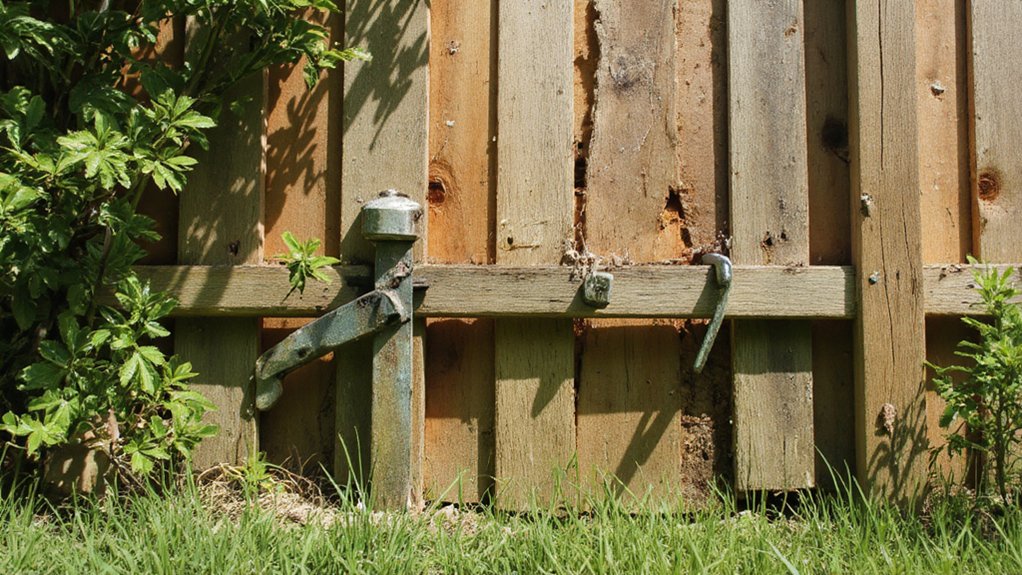
A fence isn’t something you install and forget. Regular upkeep keeps it looking good and working properly.
Different materials need different care. Wood may need staining or sealing, while vinyl usually just needs occasional cleaning.
It’s also smart to think about access. Make sure you can reach posts and panels easily for repairs.
Check your fence from time to time for early signs of wear like rust or rot. Fixing small issues early helps avoid bigger repairs later.
Frequently Asked Questions
How Can I Determine the Best Fence Type for My Property?
Think about your needs first. Privacy, security, and appearance all play a role. Check local rules and compare materials that fit your space and climate.
What Are the Costs Associated With Professional Fence Installation?
Costs depend on materials, labor, and permits. Prices vary based on fence size, height, and location. It’s also wise to set aside a small budget for unexpected expenses.
How Long Does a Typical Fence Installation Take?
Most projects take one to three days. Weather and ground conditions can affect the timeline, so delays are possible.
Can I Install a Fence During Winter Months?
Yes, but it can be more challenging. Cold ground and weather conditions may slow things down. Using the right tools and materials helps.
What Should I Do if My Fence Is Damaged After Installation?
Start by checking how serious the damage is. Small issues can often be repaired, while larger ones may need replacement. It’s also worth checking if your insurance covers the damage.
Conclusion
Fence installation might seem simple at first, but small mistakes can lead to bigger problems over time.
Paying attention to property lines, local rules, soil conditions, and material choices sets a strong foundation. Planning ahead, both for layout and maintenance, makes a noticeable difference in how your fence performs.
With the right approach, you can build a fence that not only looks good but also lasts for years without constant repairs.