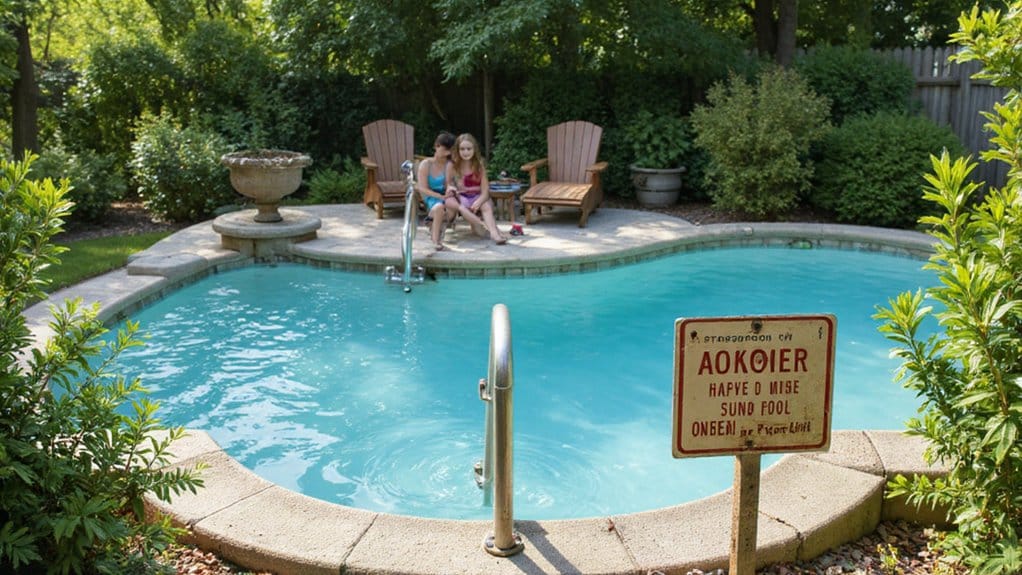
If your pool area doesn’t meet safety requirements, don’t wait to address the problem. Start by looking for anything that could put swimmers, children, pets, or guests at risk. A damaged fence, faulty gate, poor lighting, or missing rescue equipment can all create problems.
You’ll also need to check the rules that apply where you live. Pool safety laws can vary by location, so the steps needed to bring your pool area into compliance may depend on your local requirements. Once you know what needs attention, you can work through the repairs and upgrades one at a time.
Key Takeaways
- Conduct a thorough safety inspection to find gaps, damage, and possible violations around the pool.
- Check local safety regulations so you know which barriers, signs, equipment, and maintenance measures apply.
- Make needed upgrades such as secure fencing, functioning gates, suitable signage, and accessible rescue equipment.
- Create an emergency response plan and practice basic emergency procedures with household members.
- Consider a professional inspection if you’re unsure whether your pool area meets the requirements that apply in your area.
Identify Your Pool’s Safety Gaps
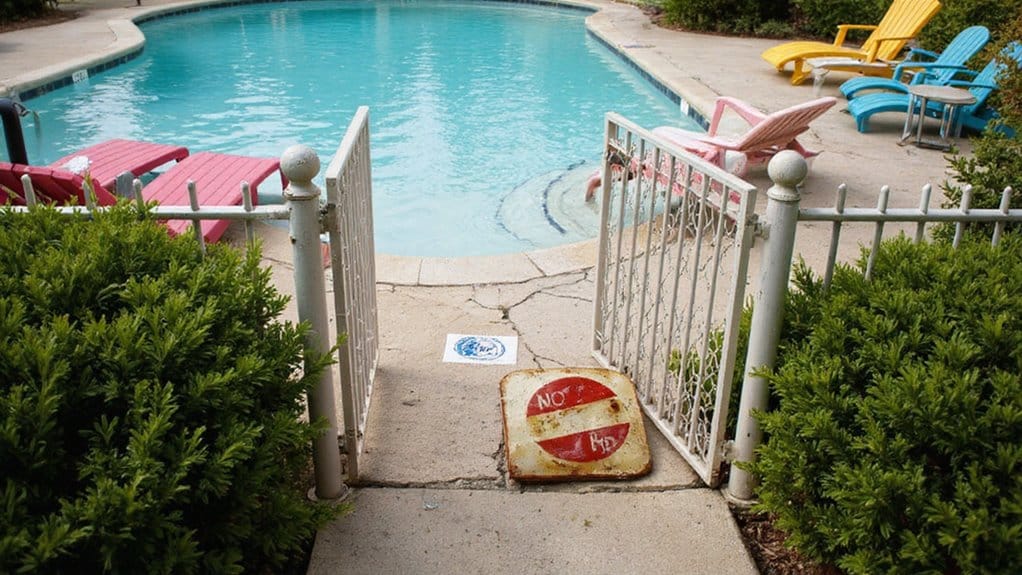
A good place to start is with a walk-through of the entire pool area. You don’t need to assume that everything is safe simply because the pool has been maintained or used without an incident.
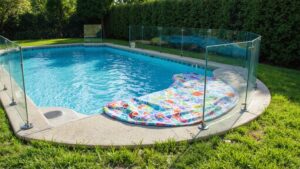
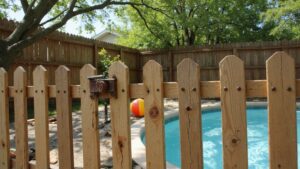
Check the fencing around the pool. Look for loose sections, damaged panels, gaps underneath the barrier, or areas where someone could climb over. Pay close attention to the gate, too. It should close properly and the latch should work as intended.
Take a look at the pool deck and surrounding surfaces. Cracks, loose materials, standing water, and slippery areas can increase the chance of a fall. Areas that stay wet for long periods may need attention, especially where people enter or leave the pool.
The pool itself should also be checked. Look for damaged ladders, loose handrails, sharp edges, or other equipment problems. Drain covers should be intact and in good condition.
Lighting is another area that’s easy to overlook. If the pool is used after sunset, make sure the water, deck, steps, and surrounding walkways can be seen clearly.
Keep an eye out for missing safety equipment as well. A first aid kit, reaching pole, and life ring should be easy to find when they are needed. If something is damaged or missing, replace it rather than leaving it for later.
Know Your Local Pool Safety Regulations
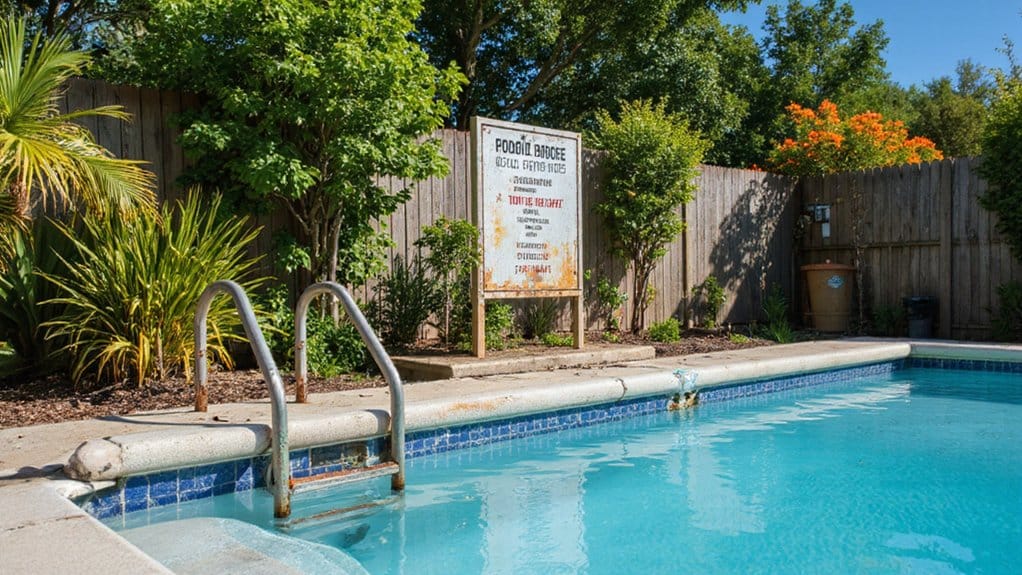
Pool safety rules aren’t identical everywhere. Requirements can differ between states, counties, cities, and other local authorities.
Before making changes, find out which rules apply to your property. This can save you from making an upgrade that doesn’t meet the requirements or overlooking something that does.
Research Local Laws
Start with your local government website or contact the relevant municipal office. Look for information covering residential pools, barriers, gates, inspections, signage, and other safety measures.
Some areas may have specific requirements for fence height, gate construction, latch placement, or the distance between fence components. Other rules may cover pool covers, alarms, electrical work, or the condition of safety equipment.
Don’t rely on advice from another homeowner unless you’ve confirmed that the same rules apply to your property. A requirement that applies in one town may be different somewhere else.
It’s also worth checking whether your local rules have been updated since your pool was installed. Older pools can sometimes have features that were accepted under previous requirements but need changes under current rules.
Keep copies of the information you find, especially if you’re planning repairs or upgrades. Having the actual requirements in front of you makes it easier to check the work once it’s finished.
Understand Barrier Requirements
Pool barriers are designed to limit unsupervised access to the water. The exact requirements depend on your location, so check your local rules before choosing materials or changing an existing fence.
Inspect the entire barrier rather than checking only the section that looks damaged. A small opening, loose panel, or climbable object near the fence can affect how well the barrier works.
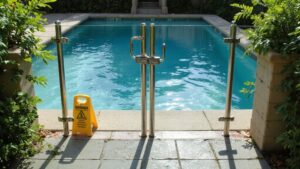
The gate deserves special attention. Check that it closes on its own when required and that the latch functions properly. Make sure the latch is positioned according to your local requirements.
Don’t place chairs, tables, planters, storage boxes, or other objects next to the fence if they could make climbing easier for a child.
If your barrier needs to be replaced, choose a design and material that meet the applicable rules. Wood, vinyl, aluminum, and chain-link fencing may all be suitable in some settings, but the material alone doesn’t determine whether a barrier complies.
Inspect Pool Equipment
Pool equipment should be checked regularly for damage and signs of wear. Look at pumps, filters, ladders, handrails, lights, drain covers, and other components that are part of the pool system.
Watch for leaks, corrosion, loose fittings, cracked components, or unusual operation. A small equipment issue can become more difficult to deal with if it’s ignored.
If a piece of equipment is outdated or damaged, check whether it needs repair or replacement. Any electrical work or complex equipment repair should be handled by someone qualified to do the job safely.
Keep a simple record of inspections and repairs. You don’t need a complicated system. A dated checklist can help you remember what was checked and when a problem was fixed.
Spot Common Pool Safety Violations
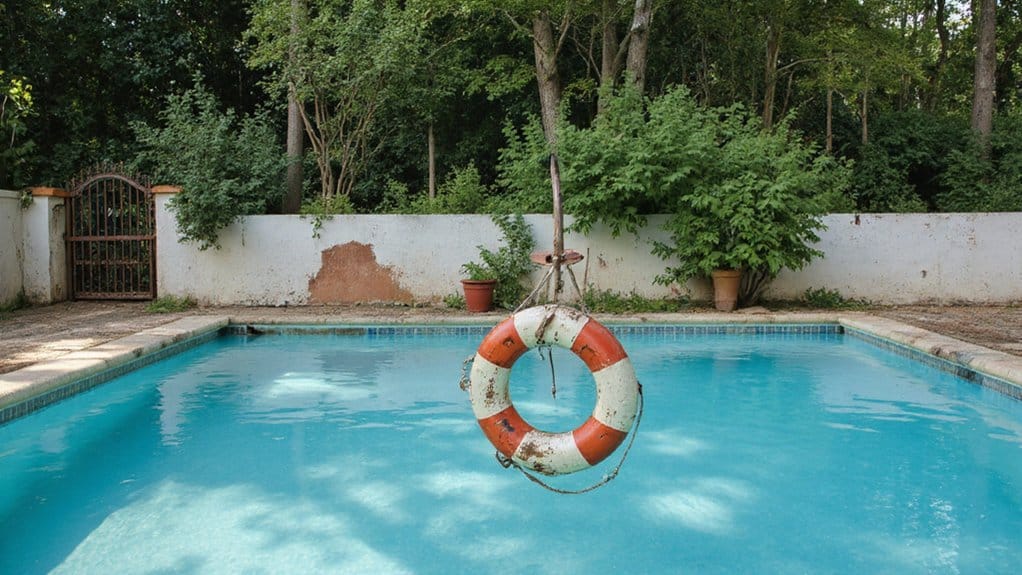
Some pool safety problems are easy to spot. Others can be missed because the area looks fine at a glance.
Broken or missing barriers are among the issues that deserve immediate attention. The same applies to gates that don’t close properly or latches that don’t work.
Don’t assume that an alarm makes a fence unnecessary. Pool alarms can provide an extra warning, but they aren’t necessarily a substitute for a physical barrier when local rules require one.
Safety signs should also be checked. If your pool area requires signs covering diving, depth, emergency procedures, or other rules, make sure they are visible and kept in good condition.
Take a close look at the pool deck for hazards. Loose tiles, damaged concrete, slippery surfaces, exposed hardware, and standing water can all create problems.
It’s also worth reviewing how the pool is supervised. A pool should never be treated as safe simply because children know how to swim. Swimming ability doesn’t remove the need for appropriate supervision.
Key Pool Safety Upgrades to Consider
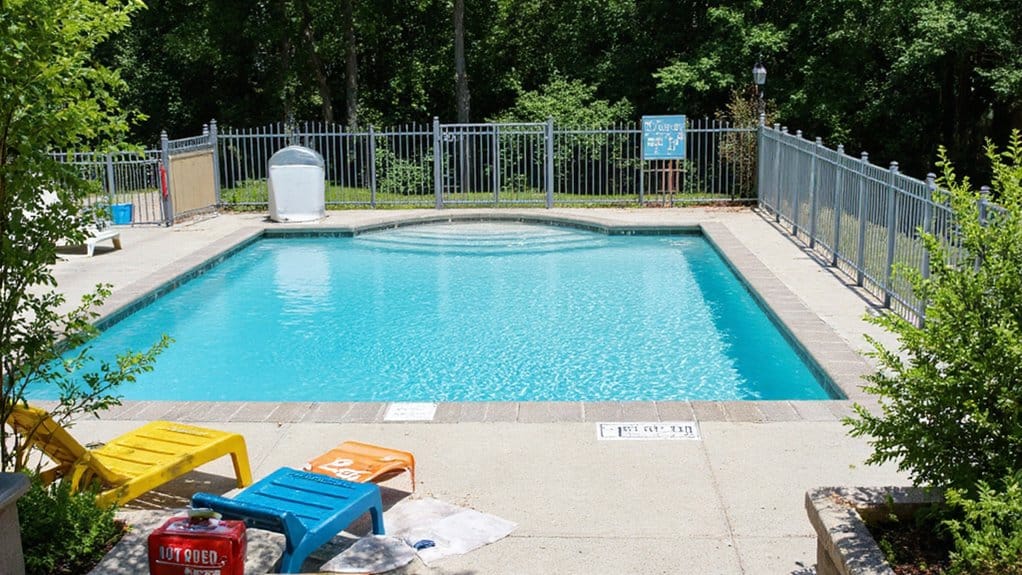
Once you’ve identified the problems, make a list of the changes that need to be made. Some may be simple repairs, while others may require new equipment or professional work.
A pool cover may be useful where appropriate. Different types of covers serve different purposes, so choose one based on your pool, how it is used, and the requirements that apply in your area.
Rescue equipment should also be easy to access. Keep items such as a life ring and reaching pole in a location where an adult can grab them quickly.
Consider whether your pool area needs an alarm, improved lighting, or another safety feature. These additions can provide extra protection, but they should be viewed as part of a wider safety plan rather than a replacement for required barriers or supervision.
An emergency plan can make a stressful situation easier to manage. Everyone who regularly uses the pool should know where rescue equipment is kept and what to do if someone gets into trouble.
Practice the basics from time to time. A short drill can help household members remember what to do instead of trying to work it out during an emergency.
Implement Solutions for Common Pool Safety Violations
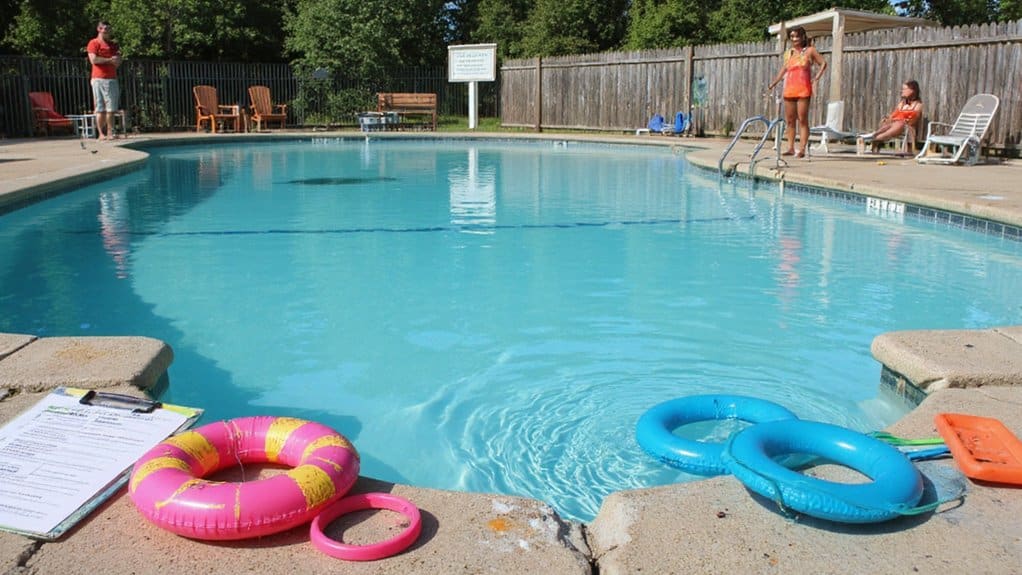
After identifying the problems, start with the items that pose the greatest immediate risk. Make repairs before allowing normal pool use if the area has a serious hazard.
Install Proper Barriers
A suitable barrier can help keep young children and pets from reaching the pool without an adult noticing.
Check your local requirements before choosing pool fencing. Height, openings, construction, gate design, and latch placement may all be covered by local rules.
Look at the area around the fence, too. Objects that can be used for climbing should be moved away from the barrier.
The gate should receive its own inspection. Check that it closes properly and that the latch works every time. If the gate sticks, remains open, or has a damaged latch, repair it promptly.
Walk around the fence regularly and look for loose posts, damaged panels, corrosion, holes, or other changes. Weather, landscaping work, pets, and everyday use can all cause damage over time.
Enhance Safety Equipment
Safety equipment needs to be accessible, visible, and in usable condition.
Keep a first aid kit where adults can reach it quickly. Rescue equipment, such as a life ring or reaching pole, should also be placed close enough to the pool for quick access without creating another hazard.
Inspect these items periodically. A cracked life ring, damaged reaching pole, expired first aid supplies, or missing components won’t be much help during an emergency.
Pool alarms and anti-entrapment drain covers may also be worth considering, depending on your pool and local requirements. Have equipment installed or serviced according to the manufacturer’s instructions and applicable rules.
A quick equipment check can become part of your normal pool routine. If something isn’t working properly, deal with it before the next swim.
Set Up a Long-Term Pool Maintenance Schedule
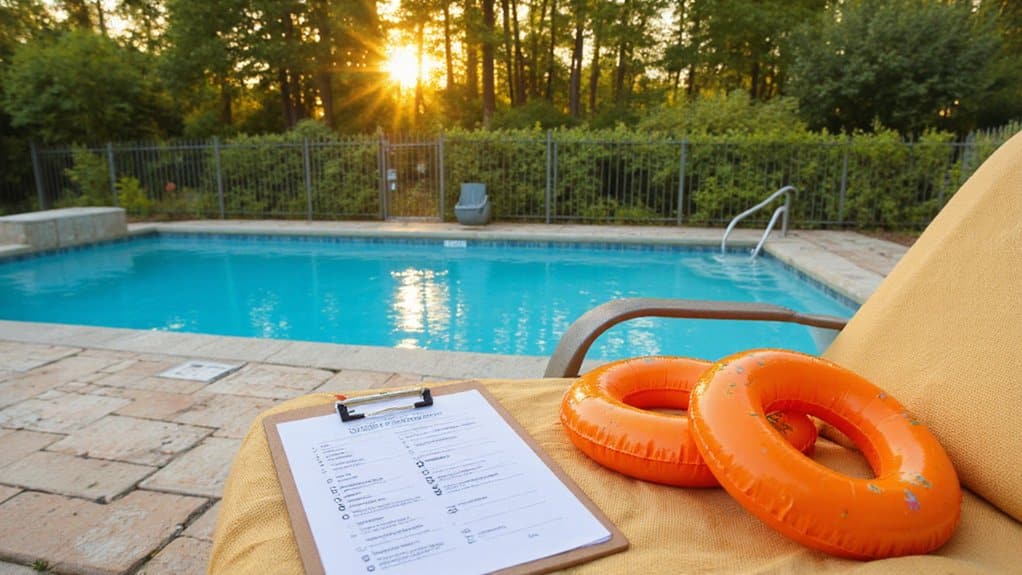
Pool safety isn’t something you check once and forget. Fences, gates, equipment, surfaces, and water conditions can all change over time.
Create a maintenance schedule that fits how often you use the pool. Include regular cleaning, water testing, equipment checks, and inspections of the surrounding area.
Clean the pool regularly and remove leaves, debris, and other materials that can affect visibility or create slippery conditions. Brush the pool walls and floor as needed.
Test the water on a regular basis and keep chemical levels within the ranges recommended for your pool and the products you’re using.
Filters and pumps should also be checked according to the manufacturer’s maintenance schedule. Look for leaks, unusual sounds, reduced performance, or visible damage.
Don’t forget about the safety equipment. Check the fence, gate, alarms, covers, rescue equipment, signs, and lighting at set intervals.
A simple maintenance log can make this much easier. Write down the date, what you checked, and whether anything needed repair or replacement.
Teach Family and Guests Pool Safety Practices
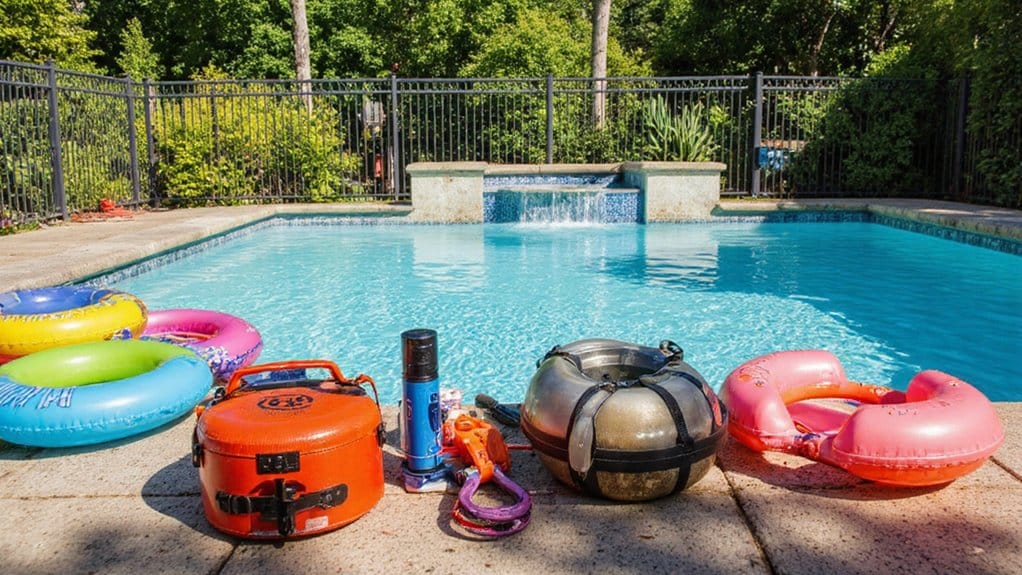
A safe pool area still requires safe behavior. Everyone who uses the pool should know the basic rules, including family members and guests.
Talk with children about staying away from the pool without adult supervision. Explain why running on wet surfaces, pushing others, or diving in shallow water can lead to injuries.
Before guests start swimming, give them a quick overview of the pool. Point out the shallow and deep areas, explain any diving restrictions, and show them where rescue equipment is located.
Children who need life jackets or other flotation support should use the appropriate equipment. Keep in mind that flotation devices don’t replace adult supervision.
It can also help to practice basic emergency procedures with your household. Everyone should know how to call for emergency assistance and where to find the first aid kit and rescue equipment.
These conversations don’t have to be formal. A few minutes before a pool gathering can make the rules clear and help prevent confusion.
Get Professional Help for Pool Safety Compliance
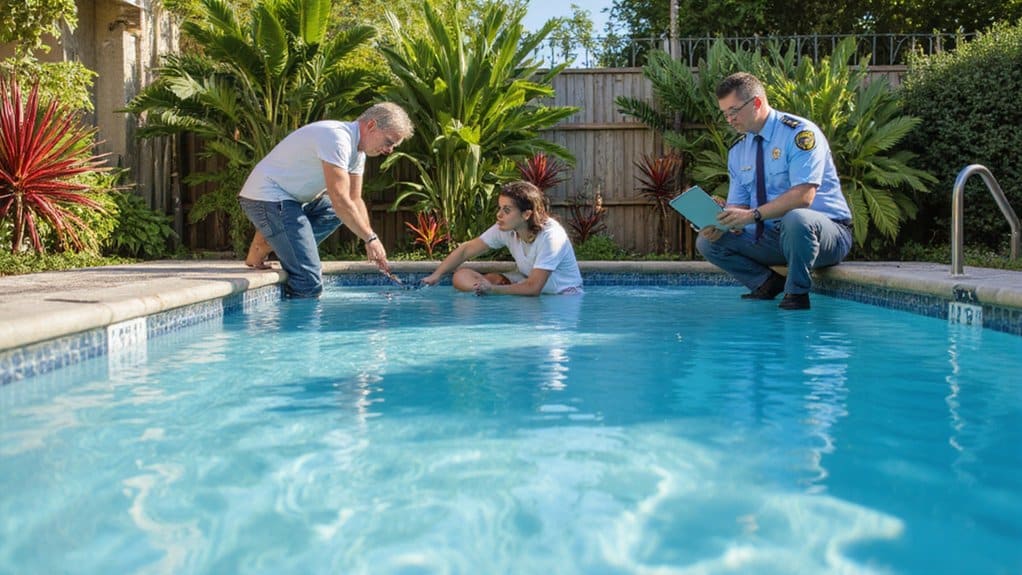
Some pool safety problems are straightforward to fix. Others can be harder to identify, especially when local requirements are detailed or your pool has older features.
A professional pool safety inspection can give you another set of eyes. An inspector can review the barrier, gate, deck, equipment, and other areas that may be covered by local requirements.
Before hiring someone, check their qualifications and ask what the inspection includes. If you’re dealing with a specific local requirement, confirm that the person you hire is familiar with the rules that apply in your area.
Professional help can also be useful when you’re planning larger changes. A qualified person may be able to identify issues before work begins and help you understand what needs to be addressed.
If repairs involve electrical systems, structural changes, or other work outside your skills, bring in a qualified professional rather than taking unnecessary risks.
Frequently Asked Questions
How Can I Find a Certified Pool Safety Inspector?
Start by checking local pool inspection services and asking about their qualifications and certifications. You can also contact your local authority to find out whether they maintain a list of inspectors who work with pool safety requirements.
Before scheduling an inspection, ask what areas they check and whether they provide written findings. This can help you understand what the inspection covers.
What Are the Costs Associated With Pool Safety Upgrades?
The cost depends on what needs to be changed. Fencing, gates, pool covers, alarms, rescue equipment, lighting, and deck repairs can all have different prices.
A small equipment replacement may cost relatively little, while replacing a complete barrier can cost much more. Get estimates for larger projects and check whether the proposed work meets local requirements before proceeding.
Are There Insurance Benefits for Complying With Pool Safety Regulations?
Insurance policies vary, so there isn’t one answer that applies to every homeowner. Some insurers may offer discounts or have specific requirements related to pool safety features.
Contact your insurance provider and ask how fencing, gates, alarms, covers, and other safety measures may affect your policy. Don’t make an insurance assumption based only on what another pool owner has been told.
How Often Should I Conduct a Pool Safety Inspection?
There’s no single inspection schedule that applies to every pool. Local requirements may specify certain inspections, while manufacturers may provide separate maintenance schedules for equipment.
Even when no specific schedule is required, it’s sensible to check the barrier, gate, deck, equipment, lighting, and safety supplies regularly. A monthly walk-through can help you catch changes before they become larger problems.
Can I DIY Pool Safety Upgrades or Should I Hire a Professional?
Some small tasks may be suitable for a homeowner, such as replacing worn safety supplies or moving objects away from a fence.
Other work can be more complicated. Fence construction, electrical work, structural repairs, drain-related work, and changes that affect compliance may require a qualified professional.
If you’re unsure whether a repair meets local requirements, a fence contractor can help assess the fencing and barrier work.
Conclusion
If your pool area doesn’t meet safety requirements, start by identifying the problems and finding out which local rules apply. Check the fence and gate, inspect pool equipment, look for hazards around the deck, and make sure rescue equipment is easy to reach.
Once you’ve identified the gaps, address the repairs that need attention and keep checking the area over time. A maintenance schedule can help you stay on top of equipment, surfaces, barriers, and water conditions.
Make sure family members and guests know the basic pool rules, too. If you’re unsure whether your pool area meets the requirements that apply to your property, consider having it reviewed by a qualified professional.