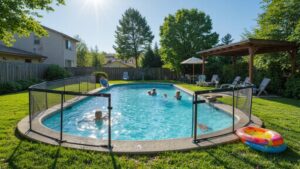
Owning a home with a pool comes with a few extra safety responsibilities. One of the biggest is making sure the pool fence is built and maintained properly. A fence isn’t just there to mark the edge of the pool area. It helps prevent children, pets, and visitors from getting into the water without an adult noticing.
Pool fence rules can vary depending on where you live. The required height, gate design, spacing, materials, and placement may all be covered by local rules. Taking the time to check those requirements can help you avoid problems and, more importantly, reduce the chance of an accident.
Before installing a new fence or assuming your existing one is compliant, check the rules that apply to your property. A fence that looks secure may still have a gap, latch, or design feature that creates a safety concern.
Key Takeaways
- Check your local pool fence rules before installing, replacing, or changing a fence.
- A four-foot minimum height is common, but local requirements may call for something different.
- Pool gates should generally close and latch on their own so they don’t remain open by accident.
- Fence openings should be small enough to prevent young children from passing through or getting stuck.
- Inspect the fence and gate regularly for damage, loose parts, gaps, and other potential hazards.
- Materials such as aluminum, vinyl, composite, and tempered glass can offer different combinations of durability, appearance, and maintenance needs.
- A pool fence is a safety barrier, not a replacement for adult supervision around water.
Understanding Local Pool Fence Regulations
Pool fence requirements aren’t exactly the same everywhere. Local authorities may have rules covering the fence’s height, construction, location, gate, and spacing. Some areas may also have requirements for permits or inspections before or after installation.
Start by finding the pool fencing rules that apply to your property. Your local building department or other relevant authority can tell you which requirements you need to follow. Don’t assume that a fence that meets the rules in another city or state will meet the rules where you live.
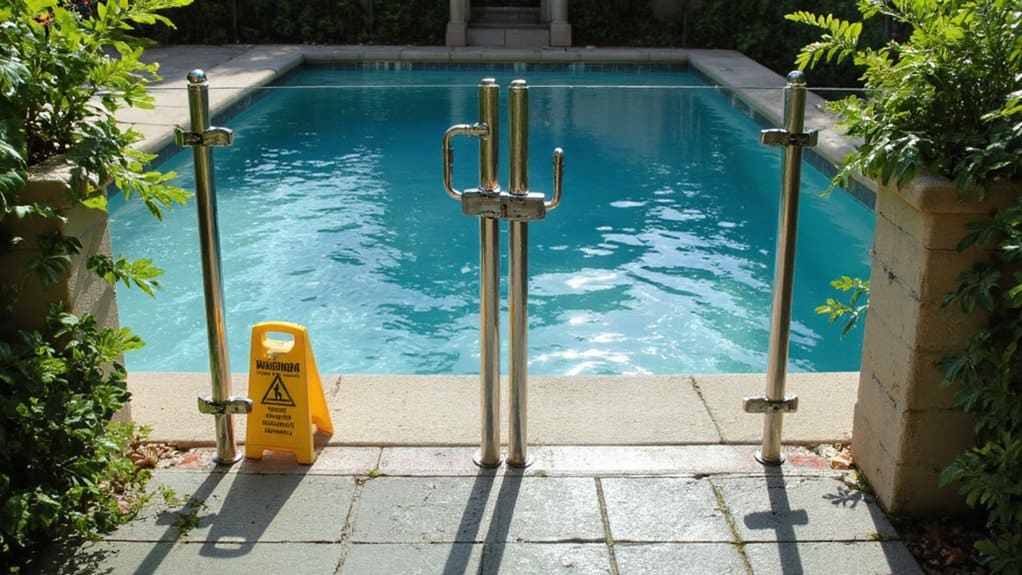
Gate requirements deserve close attention. A gate that doesn’t close properly can leave the pool area accessible even when everyone assumes it has been secured. Many local requirements call for self-closing and self-latching gates, along with specific latch locations and other design features.
Some areas also inspect pool fencing. If an inspection identifies a problem, you may be required to make changes before the pool can be considered compliant. Checking the rules before construction can save you from having to make costly changes later.
Common Safety Standards for Pool Fences
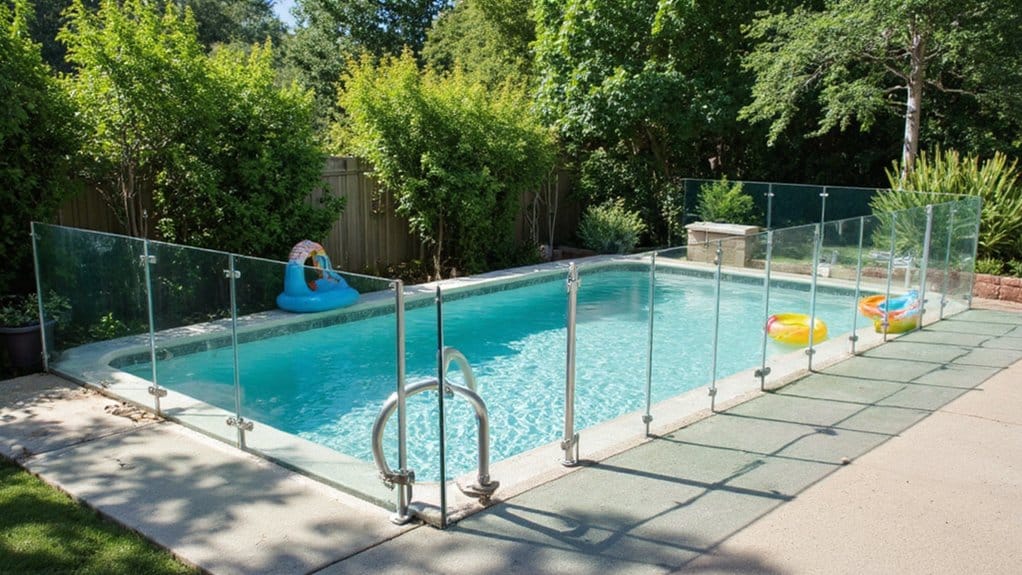
Several features are commonly included in pool fence safety rules. These requirements are intended to make it harder for a young child to climb over, squeeze through, or otherwise get around the barrier.
A fence height of at least four feet is common in pool safety rules, although the exact requirement depends on local regulations. Height alone isn’t enough. The fence should also avoid features that could give a child an easy foothold or handhold.
Spacing matters, too. Openings between fence sections should be narrow enough to prevent a young child from slipping through. A four-inch limit is common in pool fencing requirements, but you should check the rules for your location before relying on that measurement.
The gate is another area that deserves regular attention. It should close completely and latch securely after someone walks through. If the gate can stay open, swing too far, or fail to latch, the fence may not provide the protection you expect.
Good visibility around the pool can also make supervision easier. A fence design doesn’t need to look out of place in your yard, but appearance should never come at the expense of basic safety features.
Even a properly designed pool fence can’t take the place of adult supervision. Children should be watched closely whenever they’re around a swimming pool.
Key Features Every Pool Fence Must Have
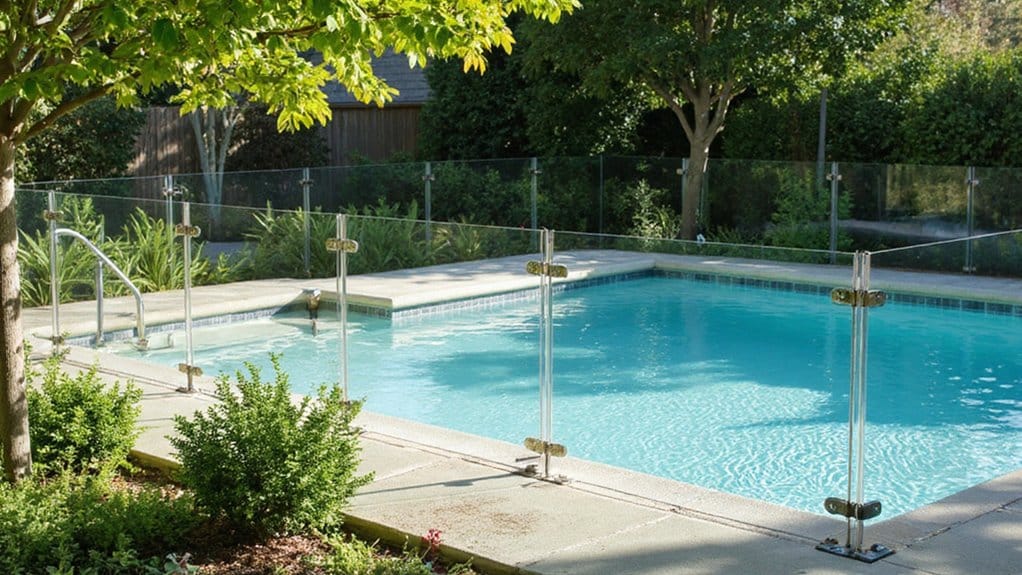
A safe pool fence needs more than a sturdy panel. The height, gate, spacing, installation, and condition of the fence all matter.
Before choosing a fence, check the requirements that apply to your property. Then look at how the fence will work in everyday use. A gate may meet the required height but still need adjustment if it doesn’t close or latch properly.
Height Regulations Compliance
Fence height is one of the easiest things to check, but it’s also easy to make assumptions about it. A four-foot fence is a common minimum in pool fencing rules, but your local code may require a different height.
Measure the fence from the correct point specified by your local rules. The ground around a pool can change over time, especially after landscaping work, grading, or other property changes. A section that once met the required height may no longer do so after the surrounding ground level changes.
Take a close look at the fence design, too. Horizontal rails, nearby objects, decorative features, or other parts of the structure may create places where a child could climb.
Fence openings should also be checked. Gaps that seem harmless to an adult can be large enough for a small child to pass through. Keep the area around the fence clear of objects that could be used to climb over it.
Gate Self-Closing Mechanism
The gate is one of the most frequently used parts of a pool fence, so it deserves regular checks. A self-closing gate is designed to return to the closed position after someone walks through it.
The latch should engage properly every time the gate closes. If you have to push the gate shut by hand or lift it slightly before the latch catches, something needs attention.
Different gate designs use different latch systems. Gravity latches and spring-loaded mechanisms are two common examples. What matters is that the system meets the requirements that apply in your area and continues to work as intended.
Check the hinges, springs, latch, and alignment during routine inspections. Weather, regular use, and movement in the ground can affect how a gate operates. A small adjustment may be enough to correct a problem, but damaged hardware may need to be replaced.
Durable Material Selection
The material you choose affects how the fence looks, how much maintenance it needs, and how well it holds up outdoors.
Aluminum is one option. It’s relatively light while still providing a sturdy barrier, and it can resist rust and corrosion. Vinyl is another choice and is known for being easy to clean and resistant to rotting.
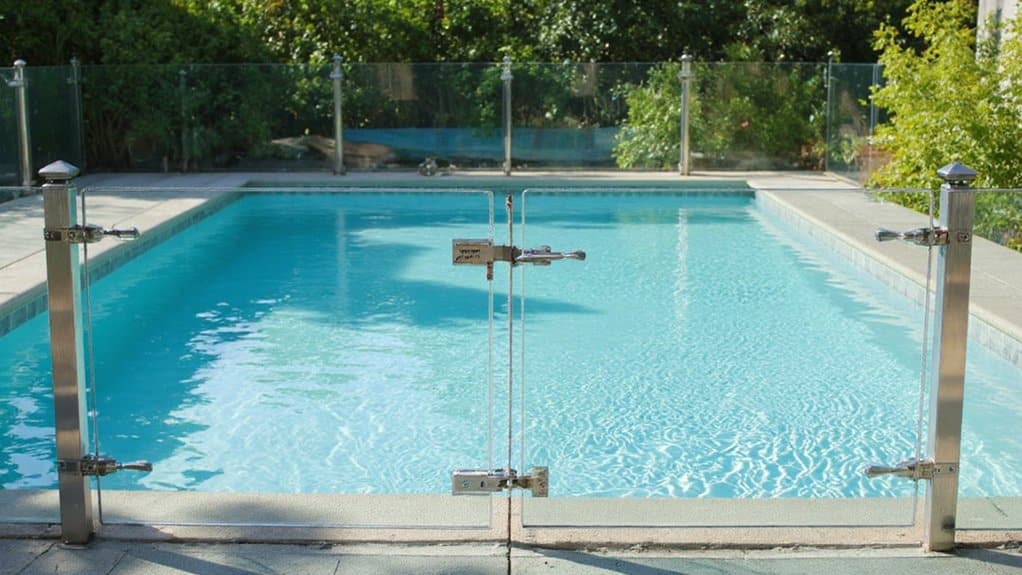
Tempered glass can provide an unobstructed view of the pool area. It can work well in settings where visibility is a priority, though the design and installation still need to meet applicable pool safety requirements.
Composite fencing is also available. It can offer the appearance of wood while requiring less upkeep than traditional wood fencing.
The material itself doesn’t make a pool fence safe. The completed fence still needs to meet the height, spacing, gate, and construction requirements that apply to your location.
Recommended Safety Materials for Pool Fencing
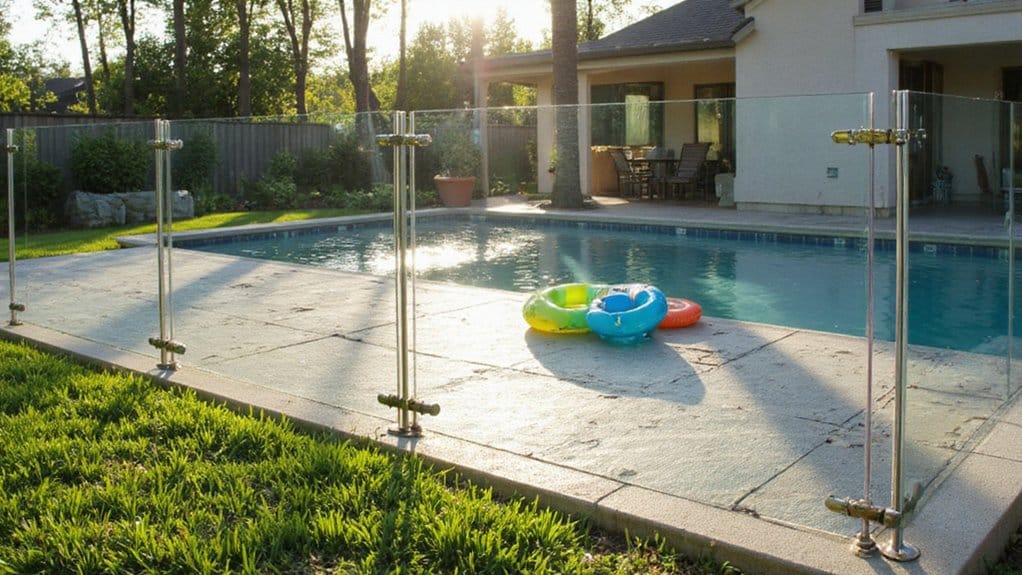
When selecting a pool fence, think about how the material will perform outdoors over time. Rain, sunlight, temperature changes, moisture, and regular use can all affect fencing.
The material should be suitable for the conditions around your pool and capable of maintaining its structural condition with normal care. Look beyond appearance and consider how the fence will be cleaned, inspected, repaired, and used from day to day.
The gate needs the same attention. Hardware should be suitable for outdoor use, and the completed gate should operate without sticking, dragging, or failing to latch.
Durable Fencing Materials
Composite fencing can be a practical option when you want the look of wood without some of the upkeep associated with traditional wood fencing. Composite materials are designed to handle outdoor conditions and are available in different styles.
Vinyl is another commonly used material for pool fencing. It doesn’t rust or rot and can be cleaned with relatively little effort. Different colors and styles can also make it easier to find a design that fits the surrounding yard.
Aluminum is useful when you want a lighter fence that can still provide a solid barrier. It’s often used for pool fencing because it can handle outdoor exposure without the rust problems associated with some other metals.
Tempered glass offers a different approach. Its clear design allows people to see through the barrier, which can be useful when keeping an eye on the pool. It also needs to be installed correctly and kept in good condition.
Whichever material you choose, check that the specific fence system is suitable for pool use and meets the rules in your area.
Safety Gate Standards
A pool gate needs to do more than provide an entrance. It needs to help keep the pool area closed when no one is using it.
Many pool safety rules require gates to be self-closing and self-latching. Some also specify the height of the gate and latch, the direction in which the gate swings, and how the latch must be positioned.
A gate that swings outward, away from the pool, may be required by local rules. Don’t assume this applies everywhere, though. Check the requirements for your property before installation.
Keep the gate clear of objects that could interfere with its movement. A pot, chair, toy, or piece of landscaping near the gate can prevent it from closing completely.
Test the gate regularly. Open it and let it close on its own. Check that the latch catches without help. If it doesn’t, stop treating the gate as fully secure until the problem has been fixed.
How to Install and Maintain Your Pool Fence
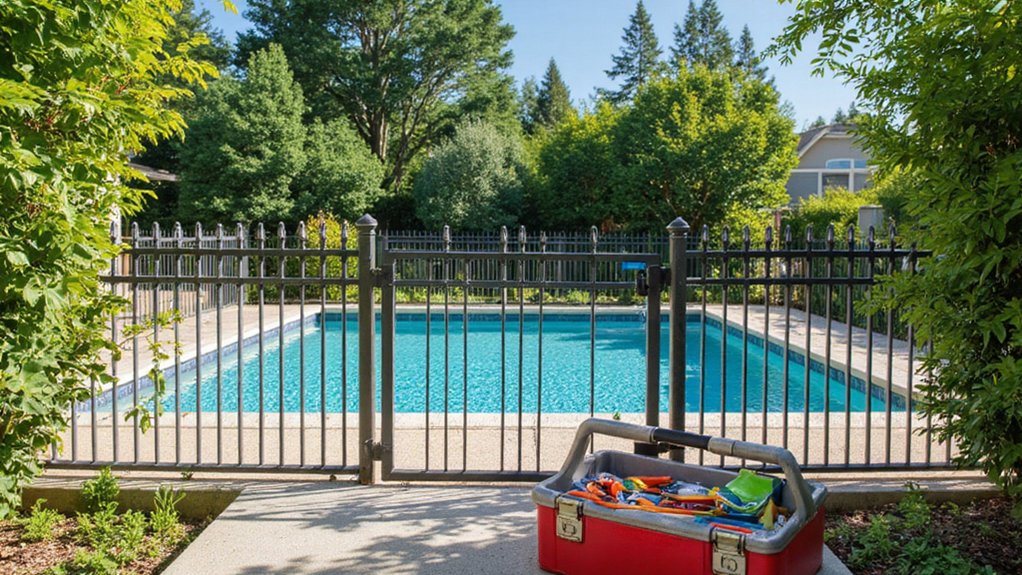
Pool fence installation should begin with the local requirements, not the fence material or style. Once you know the applicable rules, you can choose a fence that fits both the safety requirements and your property.
During installation, make sure the fence is firmly secured and doesn’t move when pressure is applied. Posts should be installed correctly, and the fence should remain at the required height along its entire length.
Pay attention to the ground beneath and around the fence. Uneven surfaces can create openings that weren’t there when the fence was installed. Landscaping changes can also affect the distance between the ground and the bottom of the fence.
Maintenance is just as important as installation. Walk around the entire fence regularly and look for loose panels, damaged sections, corrosion, cracks, or other signs of wear.
Check the gate each time you inspect the fence. Make sure it swings freely, closes on its own, and latches without assistance. If the gate starts behaving differently, investigate the problem rather than waiting for it to become worse.
Keep the fence clean and remove dirt or debris that could interfere with moving parts. Regular checks can help you spot small problems before they affect the barrier’s function.
What to Do If Your Fence Falls Short?
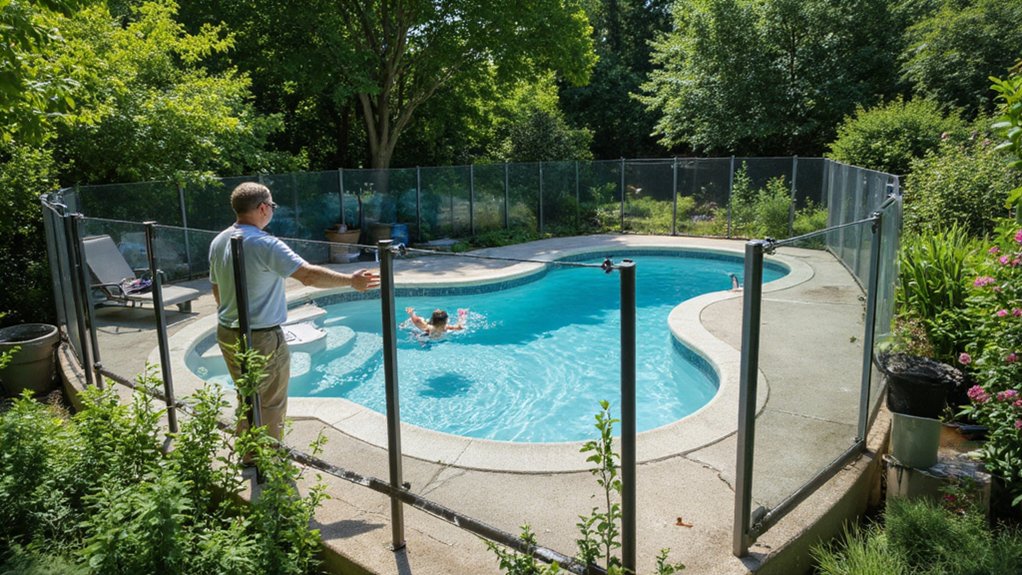
Sometimes an existing pool fence doesn’t meet current requirements. You may discover that the fence is too short, the gate doesn’t latch, or an opening is larger than the local rules allow.
Start by checking the specific requirement that isn’t being met. Your local building department or other relevant authority can help clarify what needs to be changed.
Depending on the issue, the solution could involve repairing the gate, replacing hardware, closing gaps, increasing the fence height, or replacing part of the fence.
Until the issue is corrected, take reasonable steps to prevent children and others from accessing the pool. A temporary barrier or secured access point may help reduce the risk while repairs are underway, provided the temporary measure is suitable for the situation.
Tell other adults in the household about the problem so everyone knows that the pool area needs extra attention. Don’t assume someone else will notice an unsecured gate or damaged section.
Addressing a fence problem promptly can help restore the barrier and reduce the chance of an accident.
Frequently Asked Questions
How Often Should I Inspect My Pool Fence for Safety?
A monthly inspection is a practical routine for checking the condition of your pool fence. Look over the entire fence, not just the gate.
Check for damaged panels, loose posts, gaps, rust, cracks, and other signs of wear. Test the gate to make sure it closes and latches properly.
You should also inspect the fence after severe weather, landscaping work, or any event that could have affected its condition.
Can I Build My Own Pool Fence?
In some locations, homeowners can build their own pool fence. The main concern is whether the finished fence meets the local requirements.
Before starting a DIY project, check the applicable rules for height, spacing, gate construction, latch placement, and other design details. A fence can look well built and still fail an inspection if one required feature is missing.
If you’re unsure about the requirements or the installation, consider getting advice from a qualified local professional or the relevant authority.
Are Temporary Pool Fences Effective for Safety?
Temporary pool fences can provide a barrier around a pool when they are properly designed, installed, and maintained. They may be useful in situations where a permanent fence isn’t practical right away.
The fence needs to remain stable and securely positioned. It shouldn’t have gaps or weaknesses that make it easy for a child to get around.
Check local requirements before relying on a temporary fence. Some areas may have specific rules about whether temporary barriers can be used and where they can be installed.
What Are the Penalties for Non-Compliance With Pool Fence Regulations?
Penalties depend on local rules and the nature of the violation. A homeowner may face a fine, a required correction, or other action from the local authority.
Some areas carry out inspections, while others may become involved after a complaint, incident, or property-related review.
The safest approach is to find out what the rules require before installing or modifying a pool fence. If an existing fence has a problem, address it rather than waiting for an inspection or accident to bring attention to it.
How Do I Choose a Pool Fence Contractor?
Start by looking for contractors who have experience installing pool fencing in your area. Ask about the types of materials they work with and whether they are familiar with local pool fence requirements.
Get a detailed estimate that explains the planned materials, installation work, and other costs. It can also help to check whether the contractor holds any licenses or insurance required in your area.
Ask for examples of previous pool fence projects and read customer reviews with care. Most importantly, make sure the proposed fence design addresses the requirements that apply to your property.
A Safer Pool Area Starts With the Fence
A pool fence is one part of a larger approach to pool safety. The fence needs to meet local requirements, the gate needs to work properly, and the entire barrier should be kept in good condition.
Start by checking the rules that apply where you live. From there, look at the fence height, openings, gate hardware, surrounding ground, and overall condition.
If you find a problem, don’t put off fixing it. A damaged panel or faulty latch may seem like a small issue, but it can affect how well the barrier protects the pool area.
Regular inspections can help you catch these problems early. Along with a properly maintained fence, close adult supervision remains an important part of keeping children safe around water.