When you’re thinking about pool safety, choosing between a pool fence and a pool cover isn’t always straightforward. Both can help protect your pool area, but they work in different ways.
A fence creates a physical barrier around the pool and can help prevent children and others from reaching the water without supervision. A cover works directly across the pool surface when the pool isn’t being used. Depending on the type, it can also help keep leaves, dirt, and other debris out of the water.
The right option depends on how your pool is used, who has access to it, your budget, and the safety rules that apply where you live. In some situations, using both can provide an extra layer of protection.
Key Takeaways
- Pool fences create a physical barrier around the pool, while covers protect the pool surface when it’s not being used.
- Fences can provide year-round protection, while covers can also help reduce debris, evaporation, and heat loss.
- Both options need regular inspections and maintenance to stay in good condition.
- The appearance of a fence or cover can affect how well it fits with your pool and outdoor space.
- Local pool safety laws may require specific fencing, barriers, gates, or other safety features.
Comparing Pool Fences and Covers: Which Is Safer?
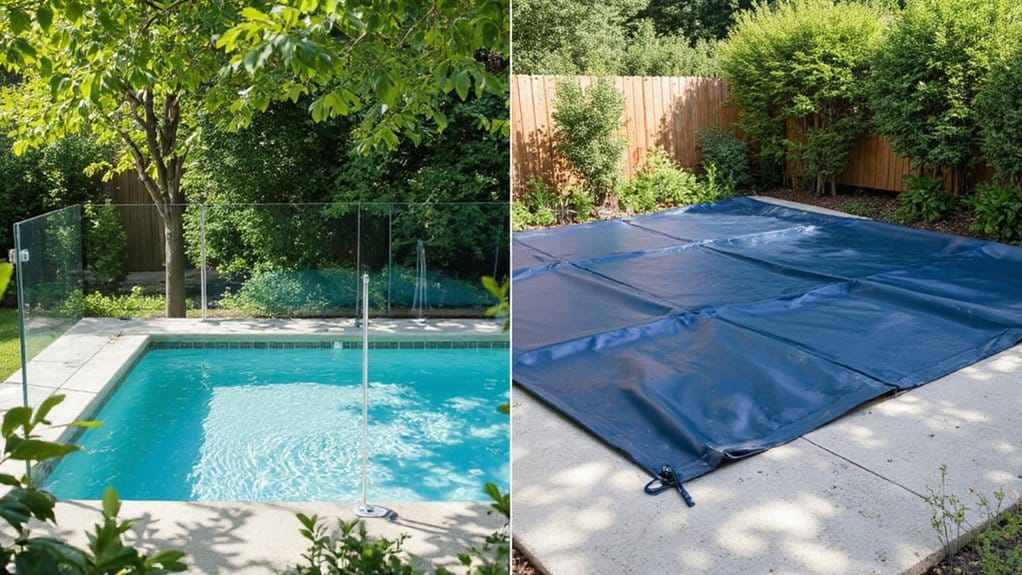
When you’re trying to make a pool safer, it’s natural to wonder whether a fence or cover offers more protection. The answer depends largely on how each option is used.
A pool fence creates a physical barrier around the pool. When properly installed and maintained, it can make it harder for young children or other people to enter the pool area without an adult noticing. A fence also stays in place, so there’s no need to remember to put it on every time the pool is left unused.
A pool cover works differently. It covers the water when the pool isn’t in use. Some covers are designed specifically as safety covers and can support weight when properly installed. Other covers are mainly intended to keep debris out or reduce evaporation and should not be treated as a safety barrier.
That difference matters. You shouldn’t assume that every pool cover can prevent a child from entering the water.
Your daily routine also plays a role. If the pool is frequently used, a fence provides a constant barrier while a cover has to be removed and replaced. If the pool is closed for part of the year, a suitable cover can make storage and maintenance easier while also protecting the water.
For some households, the two options can work together. A fence controls access to the pool area, while a suitable safety cover protects the pool itself when it’s closed.
The Benefits of a Pool Fence for Safety
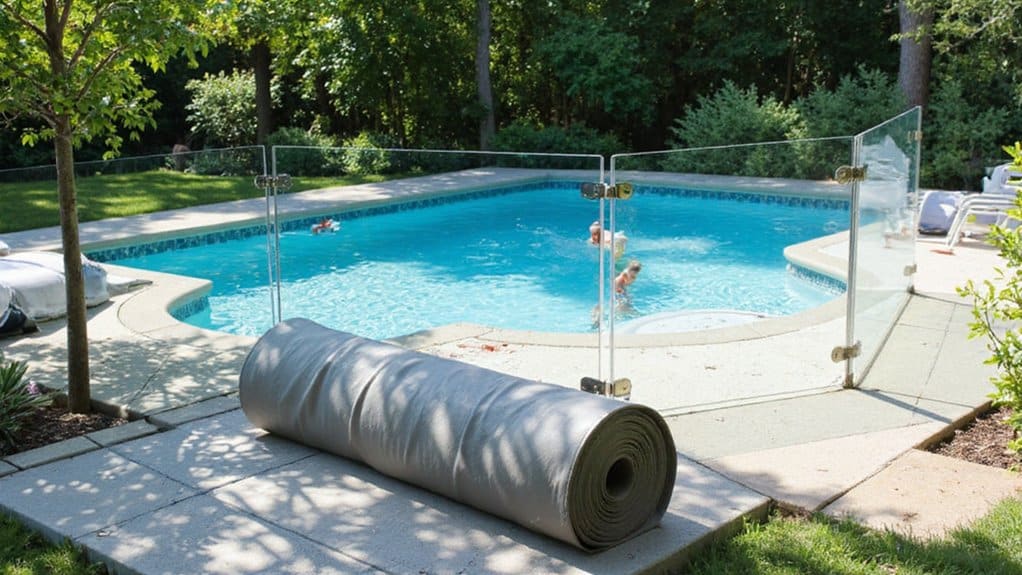
A pool fence is mainly there to control access to the pool. Rather than covering the water, it separates the swimming area from the rest of the yard.
For families with young children, that physical separation can be useful. A properly installed fence can make it harder for a child to reach the pool when an adult isn’t watching. The fence itself doesn’t replace supervision, but it can add another barrier between a child and the water.
The design of the fence matters, too, and a fence contractor can help with the layout and installation requirements. Depending on local requirements, there may be rules covering its height, openings, gate design, and how far it needs to be positioned from the pool.
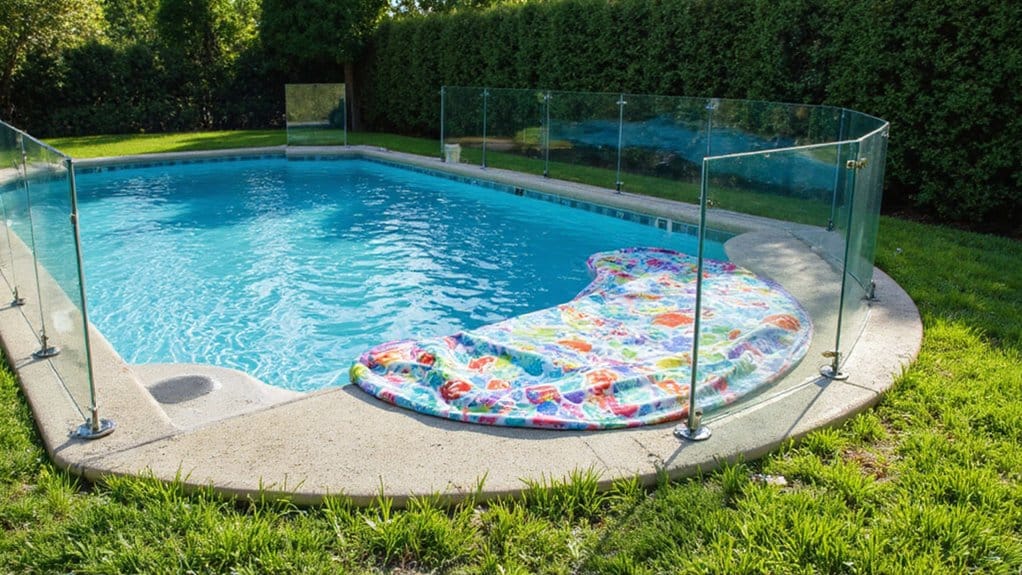
Another benefit is visibility. Materials such as transparent panels or certain types of mesh can allow you to see the pool area without removing the barrier. That can make it easier to keep an eye on children while they’re playing nearby.
A fence can also remain around the pool throughout the year. You don’t need to roll it out, unfold it, or remember to put it back after swimming. Regular checks are still needed, especially around gates, posts, fasteners, and sections that may have become loose or damaged.
How a Pool Cover Protects Your Pool Area
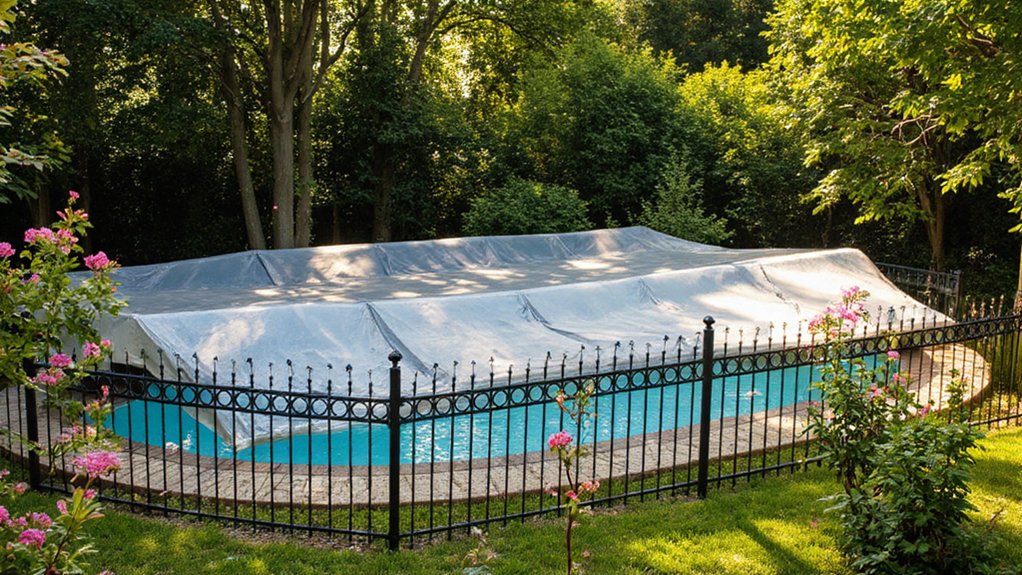
A pool cover can serve several purposes beyond simply covering the water. Depending on the type you choose, it may help with safety, cleanliness, evaporation, and heat loss.
The type of cover makes a big difference. A safety cover designed for that purpose is different from a lightweight cover intended mainly to keep leaves out. Before relying on any cover for safety, check what it is designed to do and make sure it’s installed according to the manufacturer’s instructions.
Prevents Accidental Drowning
A properly fitted safety pool cover can act as a barrier over the water when the pool isn’t being used. This can be useful for families with young children or pets, particularly when the pool is closed for an extended period.
Still, a cover should not be treated as a substitute for supervision or other safety measures. It needs to be fully secured and kept in good condition. A damaged, loose, or incorrectly installed cover may not provide the protection you expect.
Many pool safety approaches use more than one layer of protection. A fence can restrict access to the pool area, while a safety cover can close off the water itself when the pool isn’t in use.
Keeps Debris Out
A pool cover can also make everyday pool maintenance easier by keeping leaves, dirt, insects, and other debris out of the water.
Less debris in the pool can mean less time spent removing leaves and cleaning the water. It can also help reduce the amount of material that ends up in the filtration system.
Covers still need care. Remove leaves and other debris according to the manufacturer’s recommendations, and check the surface regularly for holes, tears, stretched areas, or damaged fittings.
A mesh cover may allow rainwater to pass through while keeping larger debris out. A solid cover works differently and may require a system for removing collected water. The right choice depends on your pool, climate, and how you plan to use the cover.
Enhances Energy Efficiency
A pool cover can also help reduce heat loss from the water. Evaporation is one of the main ways a pool loses heat, and covering the surface can slow that process.
Keeping more heat in the water may reduce the amount of work your pool heating system needs to do. This can be useful during cooler weather or when the pool isn’t being used for several days.
A cover may also reduce water loss from evaporation. That can mean fewer top-ups and less frequent adjustment of the pool’s chemical balance.
The amount you save will depend on your pool, weather conditions, heating system, and type of cover. A cover isn’t automatically going to produce the same results for every pool.
Cost Comparison of Pool Safety Solutions: Fences vs. Covers
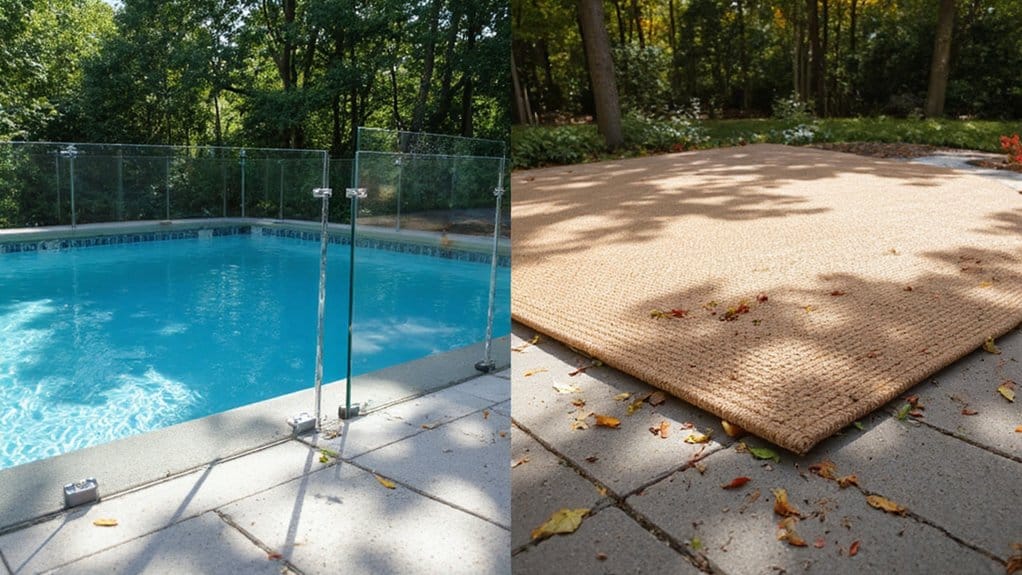
The cost of a pool fence or cover can vary quite a bit. Materials, pool size, installation, design, and local labor rates all affect the final price.
The original estimates put pool fences at around $1,500 to $4,000 and pool covers at roughly $1,000 to $2,500. These figures should be treated as general estimates rather than fixed prices, since actual costs can vary by location and product.
A fence is usually a longer-term fixture around the pool. Once installed, it doesn’t need to be put away between uses. A cover, on the other hand, may cost more or less depending on whether it’s manual, automatic, mesh, solid, or designed as a certified safety cover.
It’s also worth looking beyond the purchase price. A cover may help reduce heating, evaporation, and cleaning costs. A fence doesn’t provide those same pool-maintenance benefits, but it does provide a permanent access barrier.
Think about what you need the safety solution to do. If access control is your main concern, a fence may be more relevant. If you’re also looking for protection from debris and heat loss, a cover may serve more than one purpose.
Maintenance Requirements for Pool Fences and Covers
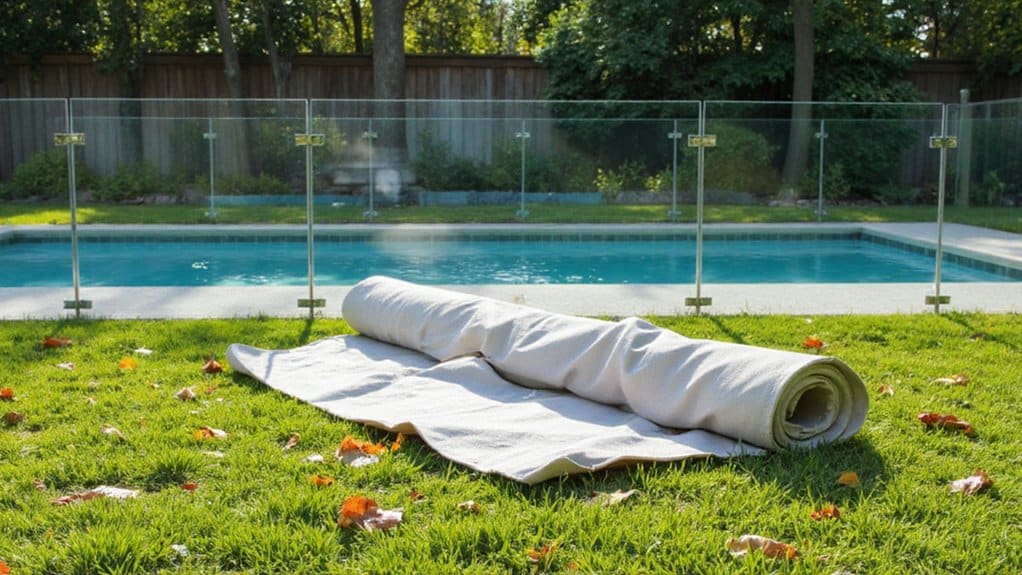
Neither a pool fence nor a cover can simply be installed and forgotten. Regular inspections help you spot problems before they become bigger safety concerns.
The exact maintenance routine depends on the material and product, but both options need occasional cleaning and checks for damage.
Regular Inspections Needed
Check your pool fence regularly, especially during the swimming season. Look at the posts, panels, connections, and gate. The gate should close properly and any self-closing or latching mechanism should work as intended.
For covers, inspect the material and attachment points. Look for tears, holes, stretched areas, broken straps, damaged anchors, or other signs of wear.
Monthly checks can be a useful routine, but you may need to inspect more often after severe weather, heavy use, or any event that could damage the fence or cover.
If you notice a problem, don’t ignore it. A loose fence panel or damaged cover can affect how well the safety system works.
Cleaning Protocols Explained
A clean fence is easier to inspect and keeps the pool area looking tidy. For many fence materials, mild soap and water are enough to remove dirt and buildup. Metal fencing should also be checked for rust or corrosion.
Pool covers need their own cleaning routine. Remove leaves and debris carefully so the material isn’t damaged. Depending on the cover, you may need to rinse it with water or follow specific cleaning instructions from the manufacturer.
Before storing a removable cover, make sure it’s clean and dry if the manufacturer’s instructions call for it. Storing a wet cover can contribute to mold or mildew.
Avoid harsh cleaning products unless they’re specifically approved for the material. The wrong cleaner can damage the surface or shorten the life of the product.
Repair Considerations Overview
Small problems can become safety problems if they’re left unattended.
With a pool fence, check for loose posts, damaged panels, broken hardware, rust, and gates that don’t close or latch correctly. Repairs should match the original fence system so the repaired section doesn’t create a weak point.
For a pool cover, look for tears, worn edges, damaged anchors, and weak attachment points. Don’t assume a small tear is harmless, especially if the cover is being used as a safety barrier.
If the damage is extensive or you’re unsure whether a repair is safe, contact a qualified pool safety professional or the cover manufacturer. Replacing a damaged component may be necessary in some situations.
How Aesthetics Impact Pool Safety Solutions
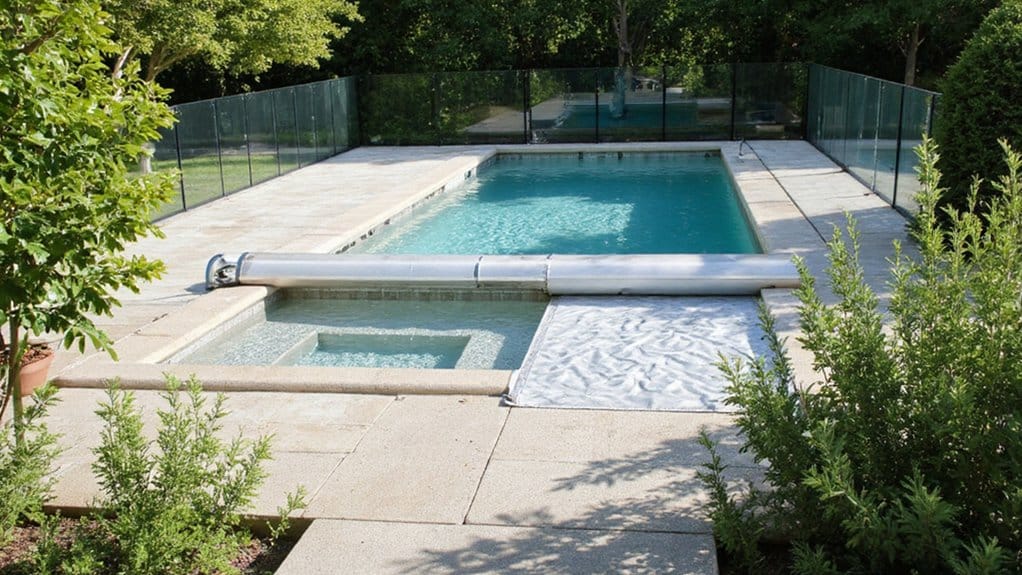
Safety should remain at the center of your decision, but the appearance of your pool area matters too. A fence is a permanent or semi-permanent feature, so its design can have a noticeable effect on the space.
Glass, mesh, metal, and other fencing materials each create a different look. Some designs blend into the surroundings, while others create a more visible boundary around the pool.
The same applies to covers. When a cover is closed, it becomes part of the appearance of the pool area. Its color, finish, and storage system can affect how the surrounding space looks.
Think about the materials already used around your pool. Fencing, paving, landscaping, outdoor furniture, and the home’s exterior can all influence which option feels like a natural fit.
Just don’t let appearance override safety requirements. A fence or cover needs to perform its intended function before design becomes a deciding factor.
What Are the Legal Requirements for Pool Safety?
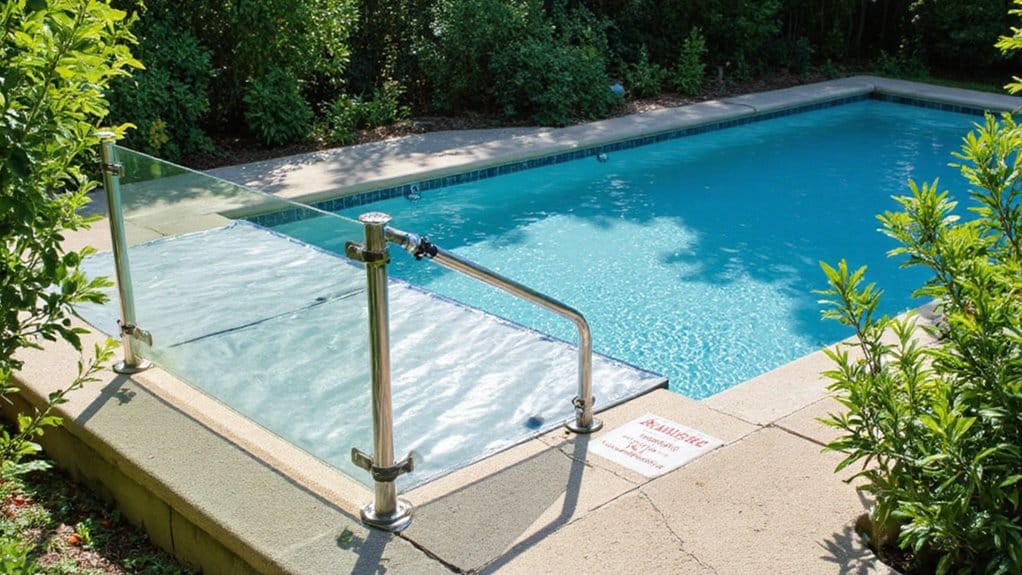
Pool safety laws vary by location, so it’s important to check the rules that apply to your property before choosing a fence or cover.
Local requirements may specify details such as fence height, gate design, openings, placement, and the distance between the barrier and the pool. Some areas may also have rules about safety covers or other access-control measures.
Don’t assume that a product is legally acceptable just because it’s marketed as a pool safety product. A cover or fence may meet one standard but not another local requirement.
Building rules, rental requirements, insurance conditions, and local pool regulations can also differ. If you’re installing a new pool or changing an existing safety barrier, check with the relevant local authority or a qualified professional.
Keeping records of installation and inspections can also be useful, especially if local rules require specific documentation.
Frequently Asked Questions
Can I Use Both a Pool Fence and Cover Together?
Yes. Using both can provide two separate layers of protection. A pool fence helps control access to the pool area, while a suitable safety cover can protect the pool surface when it’s closed.
Each serves a different purpose, so using one doesn’t make the other unnecessary. Make sure both are installed and maintained according to their requirements.
How Long Do Pool Fences and Covers Typically Last?
Pool fences can last for many years, but their lifespan depends on the material, installation, weather exposure, and maintenance. The original estimate of 5 to 10 years may apply to some fencing systems, but it shouldn’t be treated as a universal lifespan.
Pool covers can also have different lifespans depending on their construction and how they’re used. The original estimate of 5 to 15 years gives a general range, but manufacturer guidance should take priority.
Regular inspections, cleaning, proper storage, and timely repairs can help you get more use from either option.
Are There Specific Materials Recommended for Pool Safety Solutions?
Common fence materials include mesh, glass, metal, and other purpose-built pool barrier materials. Covers may be made from solid vinyl, mesh, or other materials designed for specific uses.
The right material depends on the type of protection you need, local requirements, pool design, and the manufacturer’s specifications.
Don’t choose a material based on appearance alone. Check that the finished product is suitable for the job it’s expected to perform.
How Do Weather Conditions Affect Pool Safety Options?
Weather can affect both fences and covers. Strong winds, heavy rain, extreme heat, snow, and storms can put extra stress on materials and fittings.
After severe weather, check the fence, gates, anchors, and cover before allowing normal pool use to resume. Look for movement, cracks, tears, loose fittings, or other damage.
Seasonal care also matters. A cover that’s used during winter may need different cleaning and storage than one used throughout the warmer months.
What Are the Installation Requirements for Pool Fences and Covers?
Installation requirements depend on the type of fence or cover and the local rules that apply to your property.
Pool fences may need properly secured posts, suitable spacing, a compliant gate, and specific height or placement. Covers may require correctly positioned anchors, straps, tracks, or other fittings.
Follow the manufacturer’s installation instructions and check local requirements before installation. If you’re unsure whether the finished setup meets the required standard, have it inspected by a qualified professional.
Conclusion
Choosing between a pool fence and a pool cover comes down to what you need from your pool safety setup.
A fence creates a barrier around the pool and can help control access throughout the year. A suitable safety cover closes off the pool when it’s not being used and may also help reduce debris, evaporation, and heat loss.
Cost, maintenance, appearance, pool usage, and local regulations all deserve a place in the decision. For some households, using both a fence and a safety cover makes sense because they address different parts of pool safety.
Whatever you choose, regular inspections and proper use matter just as much as the product itself. A well-maintained safety barrier is much more useful than one that’s damaged, incorrectly installed, or left unchecked.