When you start planning a new fence, one question usually comes up right away. How do installers know exactly where your property ends and your neighbor’s begins?
Getting this right matters. A fence that crosses the line by even a few inches can lead to tension, complaints, or in some cases, legal trouble. That’s why experienced fence installers take property boundaries seriously before a single post goes into the ground.
Here’s a closer look at how they figure it out and what you should expect during the process.
Key Takeaways
- Installers review property deeds to understand legal boundaries and any easements or restrictions that could affect placement.
- Professional surveys confirm exact property lines and help prevent encroachment.
- Boundary markers like stakes, pins, and monuments visually identify property corners and lines.
- GPS and laser measuring tools improve accuracy and reduce measurement errors.
- Clear communication about zoning rules and permits helps prevent future disputes.
Understanding Property Deeds and Property Boundaries
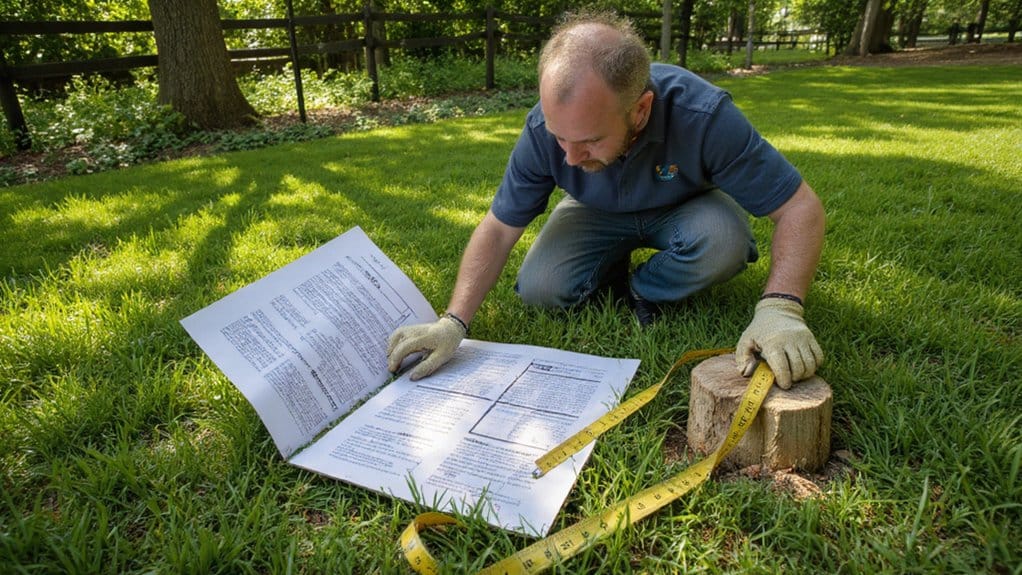
Before any measurements happen on-site, installers often start with paperwork.
Your property deed contains a legal description of your land. That description outlines where your lot begins and ends. It may include measurements, directions, landmarks, or references to subdivision maps.
Some deeds use a “metes and bounds” description. This method traces the perimeter of the property using distances and compass directions. Others use a “lot and block” system, which refers to a recorded subdivision map.
Reading these descriptions takes some practice. That’s why installers may ask for a copy of your survey or deed before starting. Reviewing these documents helps them understand:
- Exact lot dimensions
- Easements for utilities or drainage
- Restrictions that limit fence placement
Local zoning rules also come into play. Cities and counties often regulate fence height, materials, and setback distances from property lines. Checking these rules early helps prevent costly corrections later.
The Role of Boundary Markers in Property Lines

Out in the yard, paperwork turns into physical reference points.
Boundary markers identify property corners and sometimes points along the property line. These markers are usually placed during an original land survey.
Installers look for these markers before laying out a fence line.
Types Of Boundary Markers
Boundary markers come in several forms, depending on the area and when the survey was done.
Common types include:
- Metal rebar pins driven into the ground
- Concrete monuments set at corners
- Wooden stakes used temporarily during surveys
- Plastic caps placed on top of metal rods
Concrete markers tend to last for decades. Metal pins are also common and can often be found with a metal detector if they’re buried slightly below the surface.
Temporary wooden stakes are less durable but may still provide guidance if the survey was recent.
Knowing what to look for makes a big difference. An experienced installer understands how to locate and verify these markers before setting posts.
Why Accurate Markings Matter
A fence should sit squarely within your property. Even a small mistake can lead to problems.
If a fence crosses into a neighbor’s yard, it may need to be moved. That means extra labor, added cost, and possible damage to relationships next door.
Clear and accurate markings protect everyone involved. They also help preserve the look of the property. A straight, properly aligned fence improves curb appeal, but only when it’s placed in the correct location.
The Benefits of GPS Technology for Boundary Identification
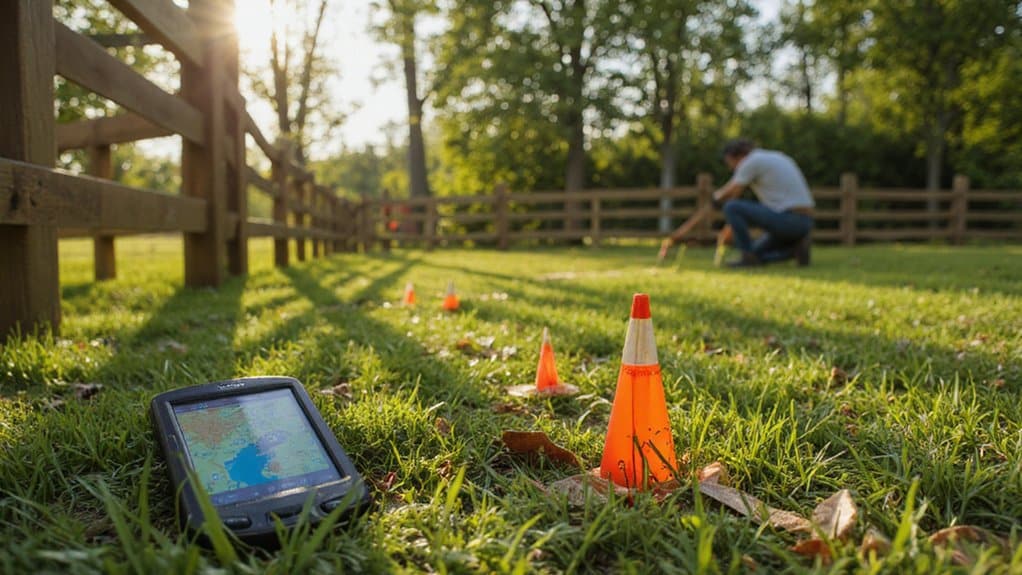
Modern tools have made boundary work more precise than it used to be.
GPS technology allows surveyors and installers to identify property lines with impressive accuracy. Instead of relying only on tape measures and physical markers, they can use satellite positioning to confirm coordinates.
This approach helps when markers are missing, damaged, or hard to find.
Improved Accuracy in Mapping
High-quality GPS equipment connects to satellites to determine exact positions on the ground.
Installers can compare those coordinates to recorded survey data. That reduces guesswork and cuts down on measurement errors.
It also provides a digital record of where the fence line was placed. If questions come up later, those records can help clarify things.
Faster Surveying on Site
GPS tools also speed up the process.
Traditional measuring methods can take time, especially on larger lots. With advanced positioning systems, installers gather measurements quickly and verify boundaries without repeating steps.
Faster work does not mean rushed work. It simply means fewer manual calculations and less room for error.
Using Laser Measuring Devices for Precision
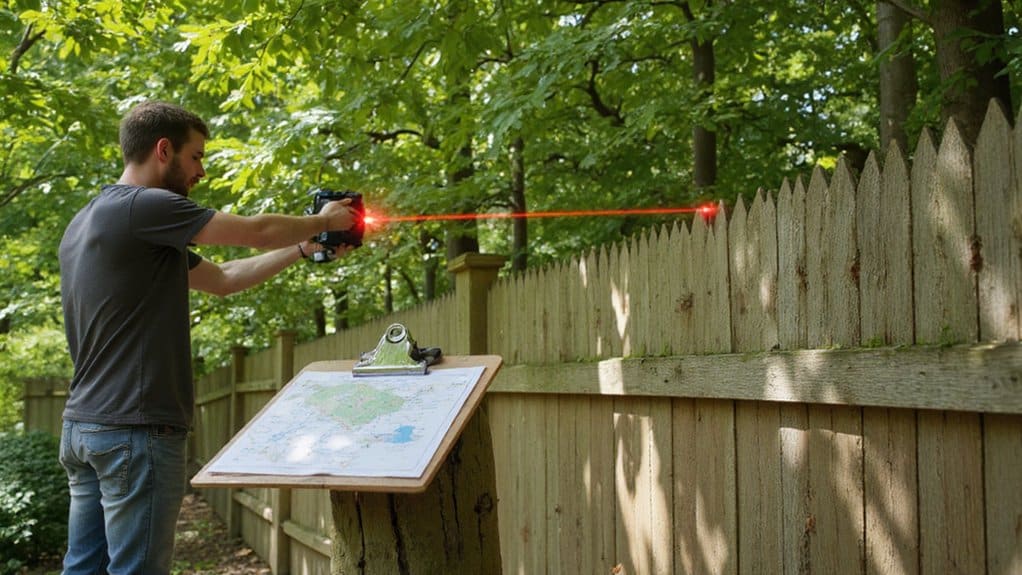
Laser measuring tools are another common part of the process.
These devices send a laser beam to a target surface and calculate the distance based on how long the reflection takes to return. The result is a quick, highly accurate measurement.
For fence installation, that level of precision helps with:
- Confirming distances between property corners
- Checking alignment along straight runs
- Measuring setbacks required by local rules
Installers must maintain a clear line of sight between the device and the target point. Regular calibration keeps readings accurate.
While laser tools do not replace a formal survey, they support precise layout once boundaries have been confirmed.
What You Need to Know About Local Regulations and Zoning Laws
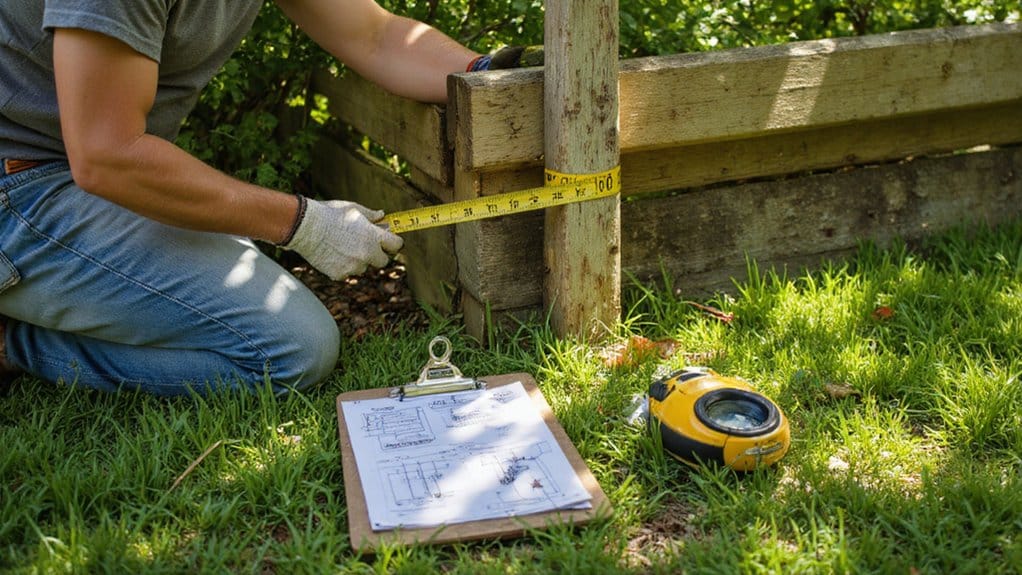
Even when property lines are clear, rules still matter.
Every city or county has its own fence regulations. These may include:
- Maximum fence height
- Approved materials
- Required setbacks from sidewalks or property lines
- Permit requirements
Some areas restrict tall fences in front yards. Others limit solid privacy fences near intersections for visibility reasons.
Skipping this step can create real problems. You could face fines or be required to remove the fence entirely.
Before installation begins, reputable installers check local codes or ask homeowners to confirm permit requirements. It’s a simple step that protects you in the long run.
Why Hire a Professional Surveyor?
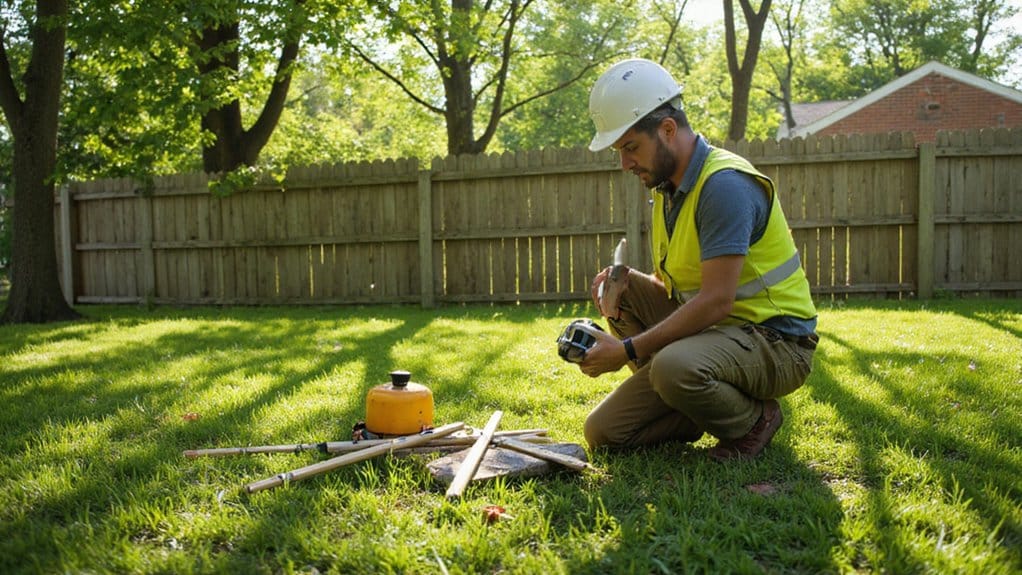
In some cases, existing documents and visible markers are enough. In others, hiring a licensed surveyor is the safest choice.
A licensed surveyor uses specialized equipment to measure and map your property boundaries accurately. They research historical records, locate original markers, and place new ones if needed.
Hiring a surveyor can:
- Prevent boundary disputes
- Provide legal documentation of property lines
- Clarify unclear or outdated records
If your property has irregular angles, missing markers, or past disagreements with neighbors, bringing in a surveyor is often worth the investment.
The written survey becomes an official reference. If questions come up later, you have documentation to rely on.
Common Mistakes When Installing a Fence Along Property Boundaries
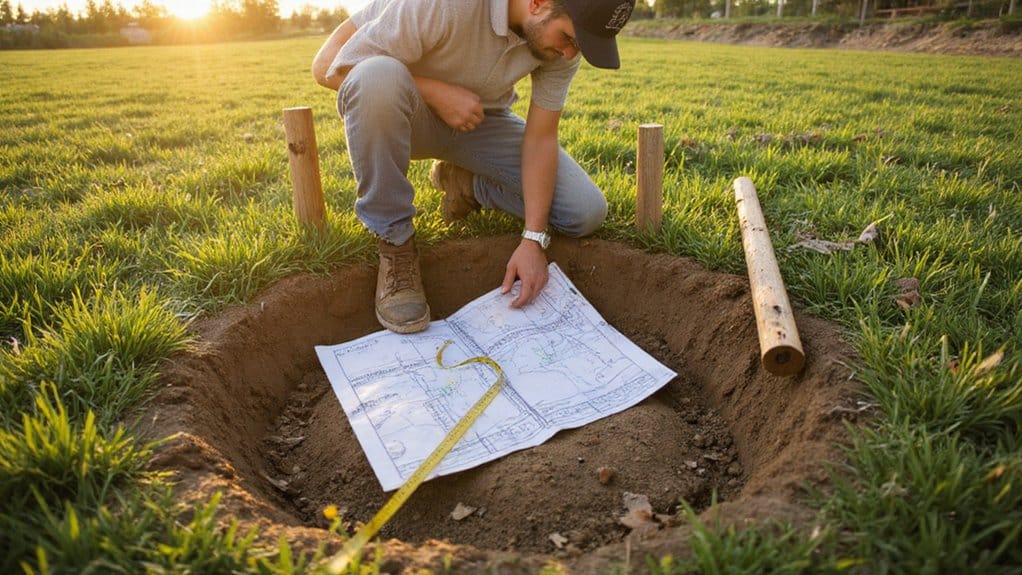
Fence installation looks straightforward. In reality, small mistakes can cause long-term issues.
One common problem is assuming the existing fence marks the true property line. That is not always the case. Previous fences may have been installed incorrectly.
This applies whether you are installing privacy panels or chain link fencing along a shared boundary.
Another mistake is skipping a survey to save money. Guessing at boundaries can lead to much higher costs later if the fence needs to be relocated.
Failing to review zoning requirements is another frequent issue. A fence that exceeds height limits or violates setback rules may have to be modified or removed.
Good preparation prevents most of these problems.
How to Communicate With Your Fence Installer
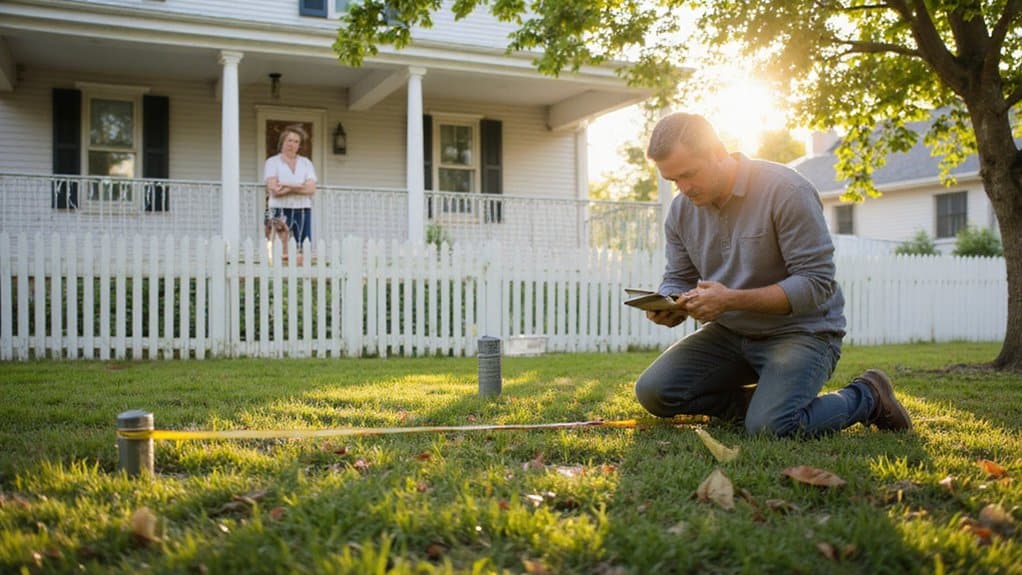
Clear communication makes the entire process smoother.
Start by sharing any property surveys, deeds, or previous boundary documentation you have. The more information your installer has, the better.
Discuss your goals. Are you looking for privacy, security, or decorative appeal? Clarifying your expectations helps with placement and design decisions. If you are considering wood fencing, talk with your installer about property line placement early in the planning process.
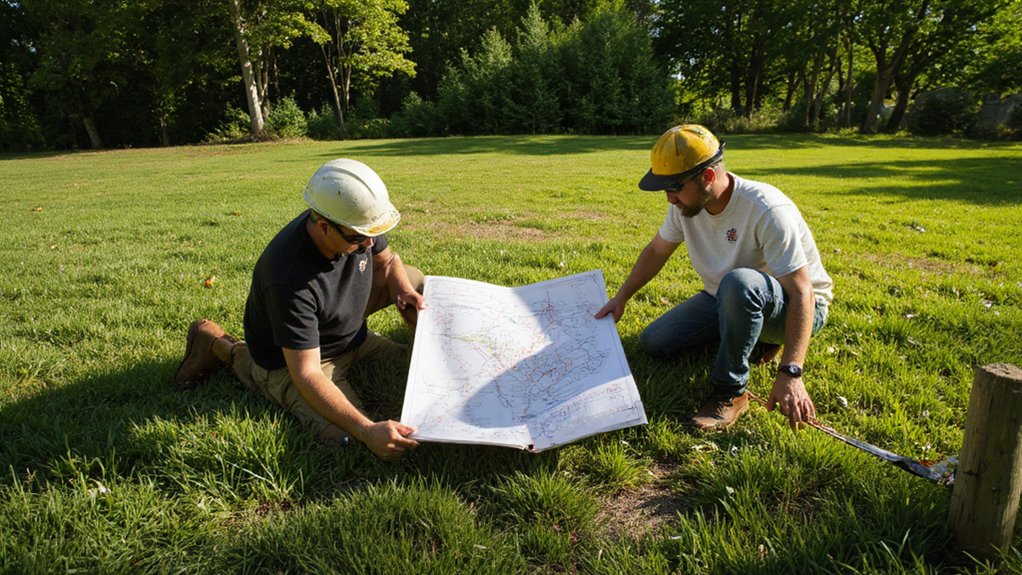
Stay involved during layout. Many installers mark the proposed fence line with stakes or spray paint before digging. Take a walk around the property with them and confirm you’re comfortable with the placement.
If something looks off, speak up early. Adjustments are easier before posts are set in concrete.
Ensuring Compliance to Avoid Future Disputes
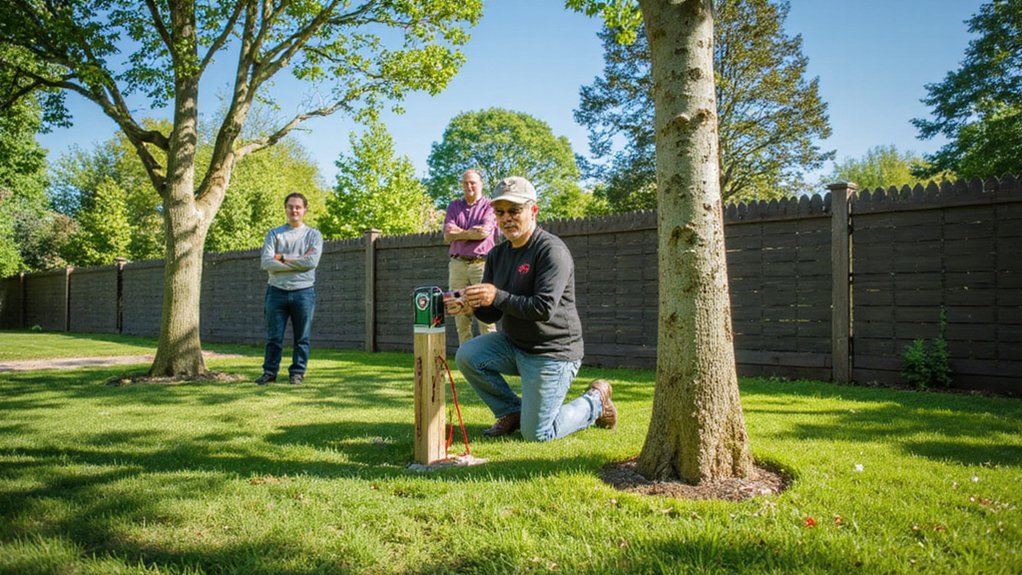
Avoiding disputes starts with preparation and documentation.
Make sure property lines are verified before installation. Confirm zoning rules and permit requirements. Keep copies of surveys, permits, and written agreements.
If possible, talk with your neighbor in advance. Let them know your plans and where the fence will sit. A short conversation can prevent misunderstandings later.
During installation, ask your contractor to double-check measurements before setting posts permanently. Careful layout now reduces the chance of conflict down the road.
A properly placed fence should bring peace of mind, not tension.
Frequently Asked Questions
How Can I Check if My Neighbor’s Fence Is on My Property?
Start by reviewing your property survey. Measure from known boundary points and compare the fence location to the documented lines. If you’re unsure, consider hiring a licensed surveyor for confirmation.
What Documents Should I Provide to My Fence Installer?
Provide a copy of your property deed, recent survey, and any permit approvals. These documents help confirm boundaries and guide proper placement.
Are There Specific Tools Used for Boundary Verification?
Installers often use transit levels, theodolites, GPS units, metal detectors for locating pins, and laser measuring devices. These tools improve accuracy during layout.
Can I Install a Fence Without a Property Survey?
You can, but it carries risk. Without verified boundaries, there’s a chance of placing the fence incorrectly. A survey reduces uncertainty and protects you from future disputes.
What Should I Do if I Suspect a Boundary Dispute?
Talk with your neighbor first and review any existing documentation. If the issue remains unclear, consult a licensed surveyor or seek legal guidance for clarification.
Conclusion
Fence installers do not guess when it comes to property lines. They rely on deeds, visible boundary markers, modern measuring tools, and sometimes professional surveys to get it right.
When you understand the process, you’re better prepared to make informed decisions. Taking the time to confirm boundaries, review local rules, and communicate clearly helps your project move forward without unnecessary stress.
A fence should define your space clearly and confidently. Making sure it sits in the correct location is the first step toward that goal.