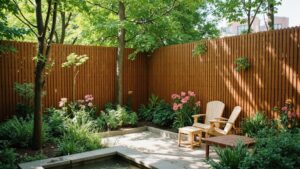
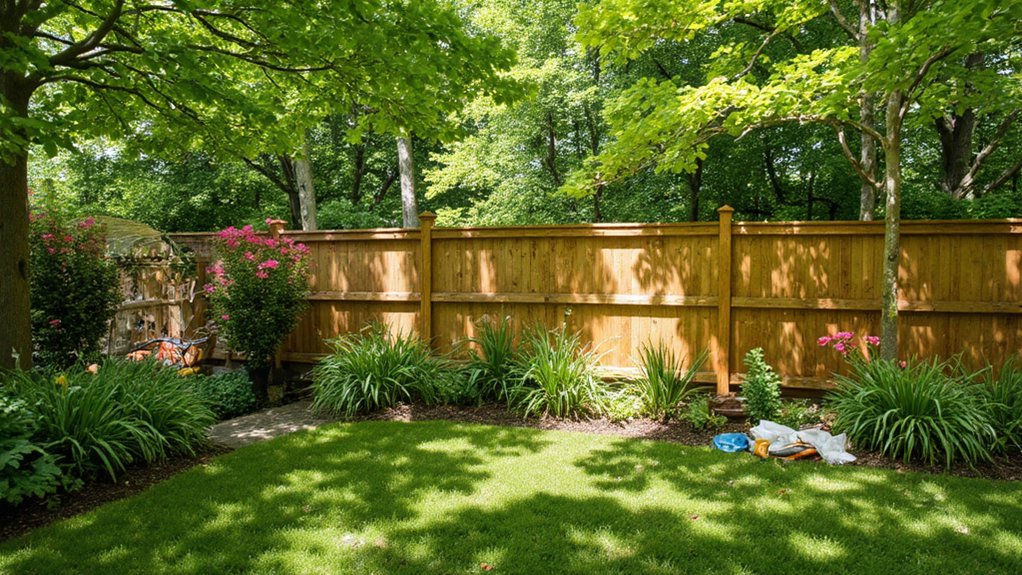
Installing a fence without harming your landscaping is completely possible with the right planning and a careful approach. A fence adds privacy, security, and structure to your yard, but many homeowners worry about torn-up flower beds, damaged roots, or compacted soil during the process.
The good news is that most landscaping damage can be avoided when the installation is planned properly from the start. From choosing the right fence style to preparing the work area, a few smart decisions can help protect your outdoor space while still giving you a sturdy, attractive fence.
Key Takeaways
- Careful planning helps reduce damage to plants, soil, and garden features during fence installation.
- Checking your yard before digging helps prevent issues with roots, drainage, and underground utilities.
- Fence style and material can affect how much disruption happens during installation.
- Protective steps like covering plants and marking work zones help preserve landscaping.
- Working with an experienced fencing contractor can make the entire process smoother and safer for your yard.
Choosing the Right Fence Type for Your Yard
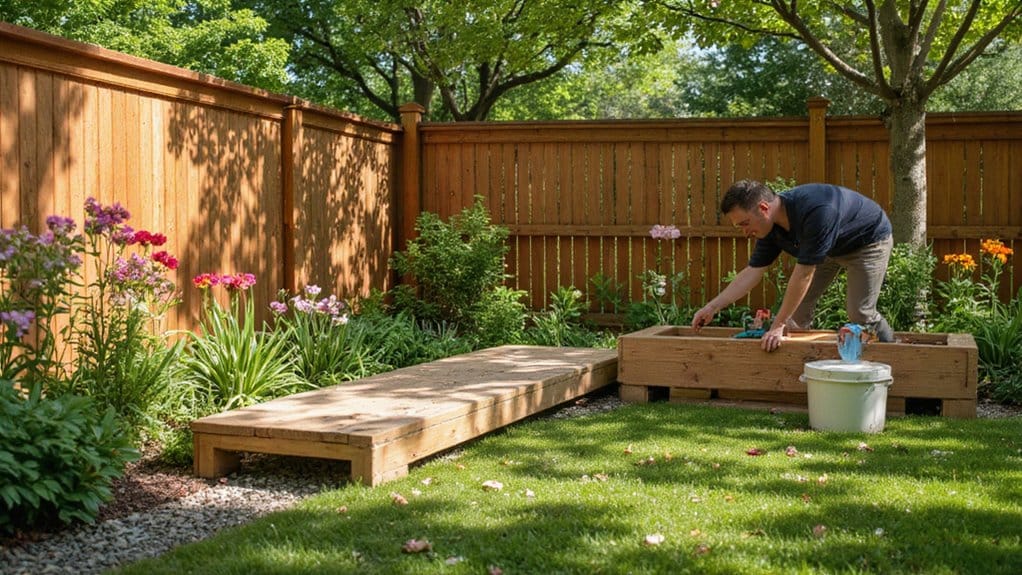
The type of fence you choose can affect both the appearance of your yard and the amount of disruption during installation.
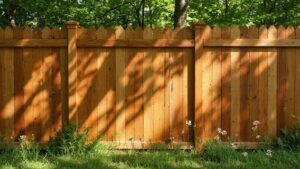
Wood fencing remains a popular option because it blends naturally with gardens and outdoor spaces. It creates a warm, classic look that works well with trees, shrubs, and flower beds. Still, wood does need regular maintenance and may react to weather over time.
Vinyl fencing offers a cleaner and more modern appearance. It usually requires less upkeep and can last for years without painting or staining. Since vinyl panels are often pre-made, installation can sometimes move faster with less disturbance around the yard.
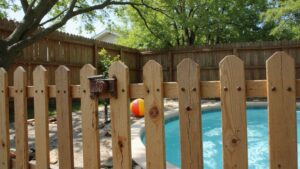
Privacy also matters when choosing a fence. Solid panels create separation and quiet, while open styles like picket fences keep the yard feeling more open and airy.
Think about how the fence will look next to your landscaping. The goal is to make the fence feel like part of the yard instead of something added afterward.
Evaluate Your Landscape Before Installing a Fence
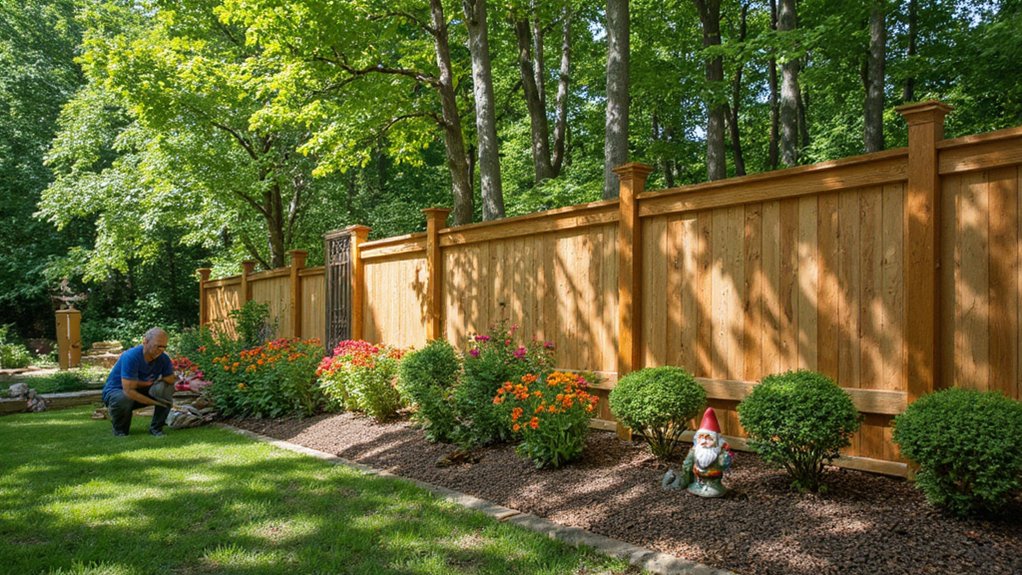
Before any digging begins, take time to look closely at your yard.
Start by identifying trees, bushes, flower beds, irrigation systems, and other outdoor features that could be affected during installation. Knowing where these elements sit helps you plan fence placement more carefully.
Tree roots are one of the biggest concerns. Large roots close to the surface can become damaged during post installation, which may weaken the tree over time. Shrubs and decorative plants near the fence line can also suffer from heavy foot traffic or equipment.
You should also check for underground utility lines before any work begins. Water lines, gas lines, electrical cables, and drainage systems all need to be clearly marked to avoid expensive problems.
Sunlight and airflow matter too. A tall fence may create shade in areas where plants once received full sunlight. In some yards, it can also block natural airflow that helps keep plants healthy.
Walking through the property ahead of time helps prevent rushed decisions later.
Planning Your Fence Installation Around Existing Landscaping
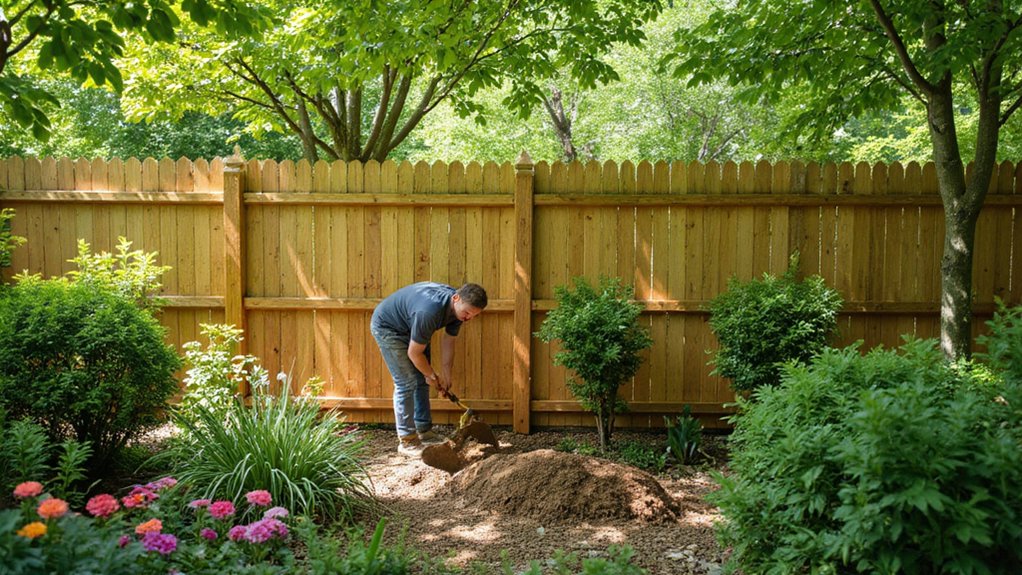
Good planning can make the difference between a smooth project and a damaged yard.
One of the easiest ways to prepare is by outlining the fence path before installation day. Stakes and string help create a visible guide without disturbing the soil. This allows you to spot areas where adjustments may be needed before any digging starts.
Pay attention to slopes, garden borders, and tight spaces. Some sections of the yard may require smaller tools or manual digging to avoid unnecessary damage.
It also helps to think ahead about access points. Installation crews often carry materials, tools, and equipment through the yard. Planning a safe path reduces the chance of trampled plants or damaged grass.
If you have delicate landscaping close to the fence line, discuss it with the contractor beforehand. Clear communication can help the crew work more carefully around sensitive areas.
A fence should work with your landscape, not against it.
Ways to Keep Your Plants Safe During Fence Installation
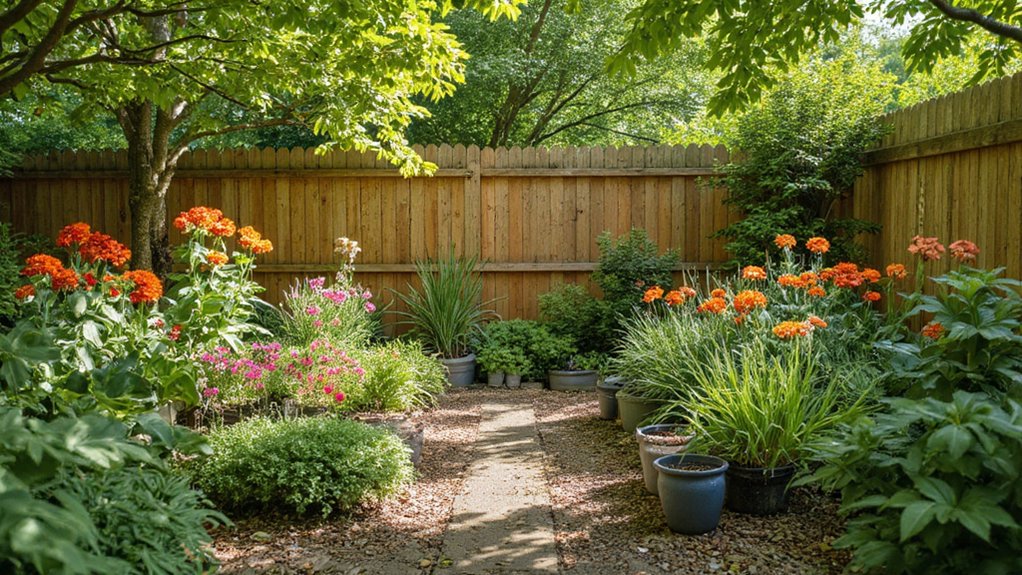
Protecting your plants during fence installation takes preparation, but the effort is worth it.
Start by identifying the most vulnerable areas of your yard. Flowers, young shrubs, vegetable gardens, and shallow-rooted plants often need extra protection during construction.
Covering nearby plants with burlap, tarps, or lightweight fabric can shield them from dust, debris, and accidental contact. Temporary garden edging or small barriers may also help prevent workers from stepping into planting beds.
Potted plants should be moved away from the work zone until the installation is complete. This simple step can prevent cracked pots, broken stems, and soil compaction.
Some homeowners also install deer fencing to help protect gardens and sensitive plants from wildlife damage
When digging fence post holes, crews should avoid cutting through large roots whenever possible. In tighter spaces, hand digging may reduce the chance of root damage compared to large machinery.
After installation, inspect your plants for stress signs like drooping leaves, broken stems, or dry soil. Giving them extra water and attention for a few weeks can help them recover faster.
Essential Tools for a Smooth Fence Installation
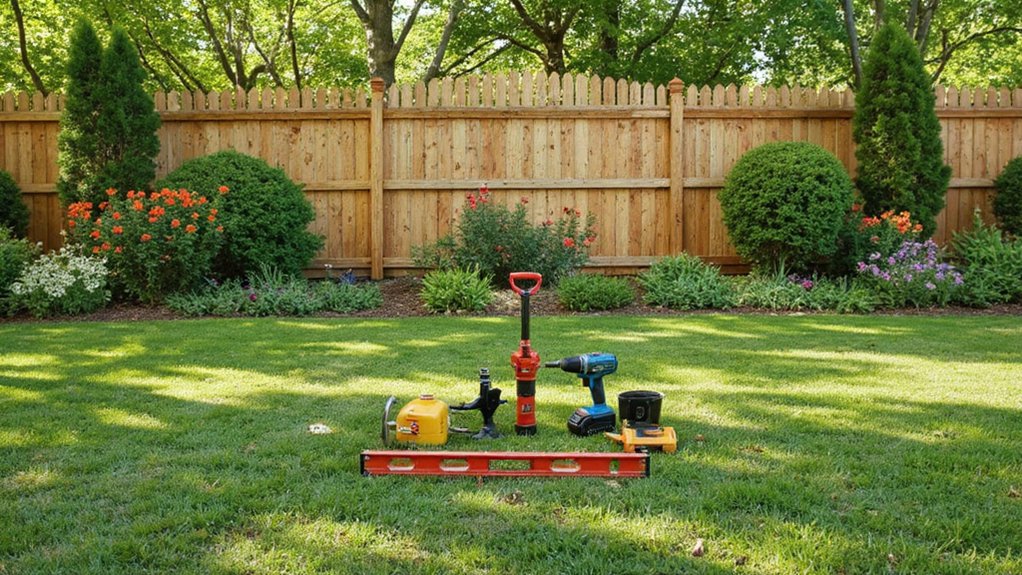
Using the right tools can help reduce mistakes and limit unnecessary disruption in your yard.
A post hole digger allows for more controlled digging, especially around roots and garden beds. Measuring tape and string lines help keep fence sections straight and evenly spaced.
Levels are important for making sure fence posts stay properly aligned. Uneven posts can create structural problems later and may require additional digging to fix.
Cordless drills and hand tools often work better in landscaped areas because they are easier to control in tight spaces. In some cases, smaller equipment causes far less damage than larger machinery.
Protective materials also help during installation. Landscape fabric, plywood sheets, or temporary walkways can reduce soil compaction and protect grass from repeated foot traffic.
Preparation matters just as much as the tools themselves. Marking boundaries clearly and planning the workflow ahead of time can save time while protecting your landscaping.
Timing Your Fence Installation for Better Results
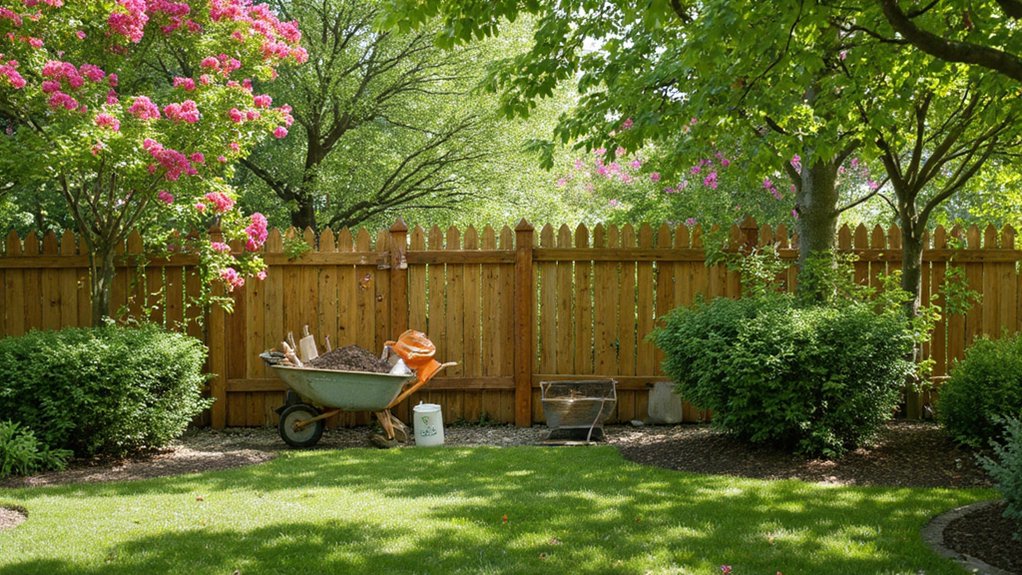
The time of year can affect both fence installation and the condition of your landscaping.
Spring and fall are often the easiest seasons for fence projects because the weather tends to be milder. Cooler temperatures make working conditions easier, and the soil is usually softer without being overly dry.
Heavy rain can create muddy conditions that damage grass and garden beds. Wet soil also becomes compacted more easily under equipment and foot traffic.
Frozen ground during winter can make digging difficult and may increase the chance of damaging roots or irrigation systems.
Summer installations can still work well, though extreme heat may stress plants already dealing with nearby construction activity. Watering plants consistently during this time becomes even more important.
Checking local weather conditions before scheduling the project can help avoid delays and reduce the risk of landscaping problems.
How to Choose the Right Fencing Contractor
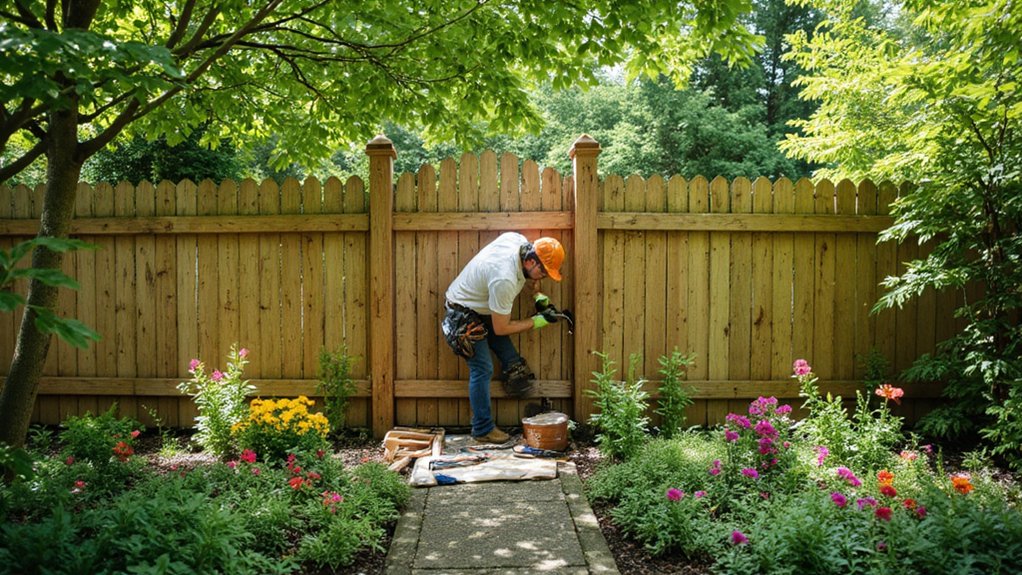
Choosing the right contractor plays a major part in protecting your landscaping during fence installation.
Start by looking for contractors with experience working in landscaped yards. Ask whether they have handled projects involving gardens, mature trees, irrigation systems, or decorative outdoor features.
A good contractor should walk through the property with you before work begins. They should point out possible concerns and explain how they plan to protect the yard during installation.
Ask for a written estimate that outlines materials, labor, cleanup, and project timing. Clear communication from the beginning usually leads to fewer misunderstandings later.
Reviews from past customers can also give insight into how carefully the crew works around outdoor spaces. Pay attention to comments about cleanup, professionalism, and property care.
You should also confirm the contractor understands local building codes and property line requirements before installation starts.
Hiring the cheapest option without checking experience can sometimes lead to costly repairs afterward.
Caring for Your Landscaping After Fence Installation
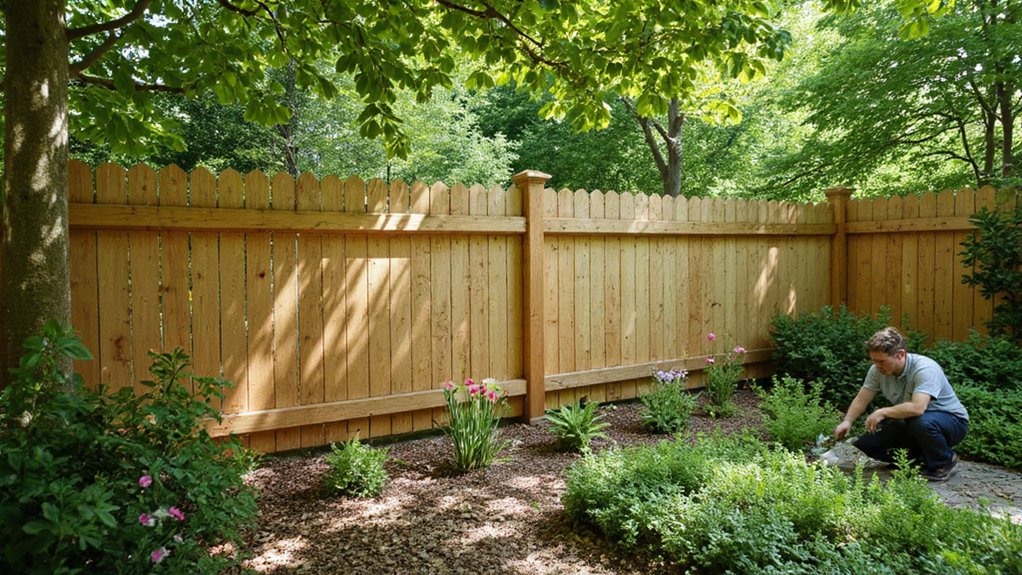
Once the fence is installed, your yard may need a little attention to return to normal.
Start by checking the soil around the fence line. Installation activity can compact the ground, making it harder for water and air to reach plant roots. Lightly loosening compacted soil may help restore healthy growing conditions.
Adding mulch around plants can help retain moisture and reduce stress after construction. Mulch also helps prevent weeds from spreading into disturbed areas.
Inspect nearby plants for signs of damage. Broken branches should be trimmed cleanly, and struggling plants may need extra watering for a short period.
You should also keep an eye on drainage near fence posts. Soil movement after installation can sometimes redirect water flow in unexpected ways.
Routine fence inspections matter too. Loose soil or shifting posts can affect nearby landscaping over time if left unchecked.
A little post-project care can help your yard recover much faster.
Common Fence Installation Mistakes That Can Harm Landscaping
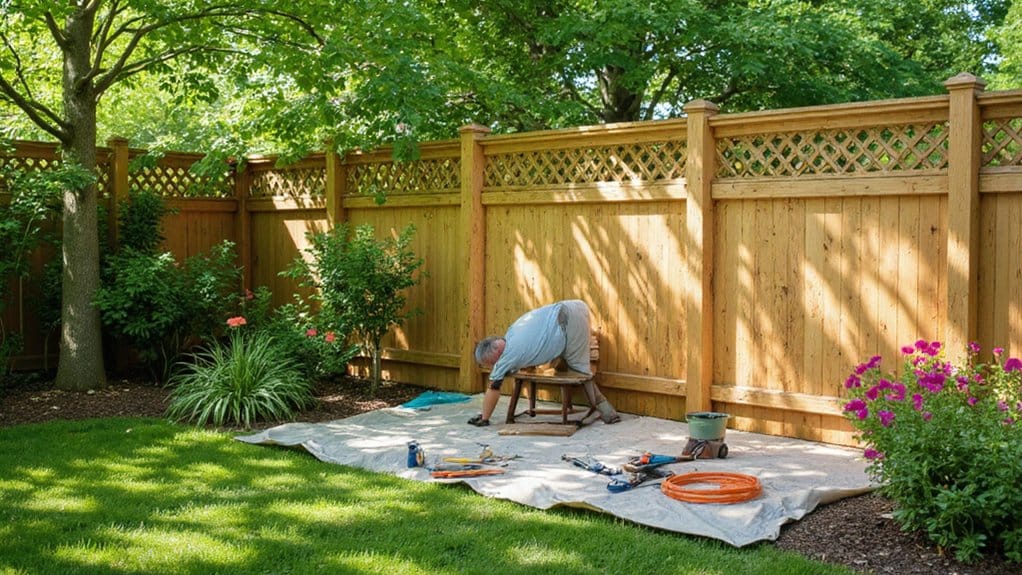
Many landscaping problems happen because of avoidable mistakes during fence installation.
One common issue is failing to mark underground utility lines before digging. This can create serious safety risks and expensive repairs.
Poor planning is another problem. Installing a fence too close to trees, shrubs, or garden beds can damage roots and limit future plant growth.
Heavy equipment can also compact soil and destroy grass if workers repeatedly travel through the same areas without protection.
Skipping protective coverings around flower beds leaves plants exposed to debris, tools, and accidental foot traffic.
Some homeowners also forget to check local property regulations before starting. Incorrect fence placement may lead to disputes or expensive adjustments later.
Careful preparation and clear communication can prevent most of these problems before they start.
Frequently Asked Questions
Can I Install a Fence During Rainy Weather?
Yes, but wet conditions can make installation harder and increase the chance of damaging your landscaping. Muddy soil becomes compacted more easily, and heavy equipment may leave deep tracks in the yard.
What Materials Cause the Least Landscape Disruption?
Pre-made vinyl panels and lightweight fencing materials often create less disruption because installation can move faster with fewer adjustments on-site.
How Can I Find My Property Lines Before Installation?
Property surveys, boundary markers, and local records can help confirm exact property lines before building a fence. A contractor or surveyor can also assist if boundaries are unclear.
Will a Fence Increase Property Value?
A well-designed fence can improve curb appeal, privacy, and security, which may make the property more attractive to buyers.
Can Old Fence Materials Be Reused?
In some cases, yes. Reusing existing materials may reduce waste and lower costs, though older materials should be inspected carefully for damage or wear before reuse.
Conclusion
Installing a fence without damaging your landscaping is absolutely possible when the project is planned carefully. Taking time to evaluate your yard, protect plants, and choose the right installation methods can make a big difference.
The right contractor, proper timing, and thoughtful preparation all help reduce disruption while keeping your outdoor space looking its best. A fence should add to the beauty and function of your property, not create extra problems for your landscaping.
With the right approach, you can enjoy both a strong, attractive fence and a healthy, well-maintained yard.