When you notice damage to your fence, it’s natural to assume that replacing it is the only solution. In many cases, though, a damaged fence can be repaired successfully without the cost and disruption of a full replacement.
The right choice depends on the type of damage, the age of the fence, and its overall condition. Small issues often have simple fixes that can add years to the life of your fence. Taking the time to assess the damage can help you make a practical and cost-effective decision.
Key Takeaways
- Minor damage such as broken boards, loose posts, and small areas of rust can often be repaired.
- Repairs are usually less expensive than a full replacement and can extend the life of your fence.
- Severe structural damage may make replacement the better long-term option.
- Regular maintenance helps prevent small problems from becoming major repairs.
- Comparing repair costs with future replacement expenses can help you make the right choice.
Assessing Damage to Your Fence
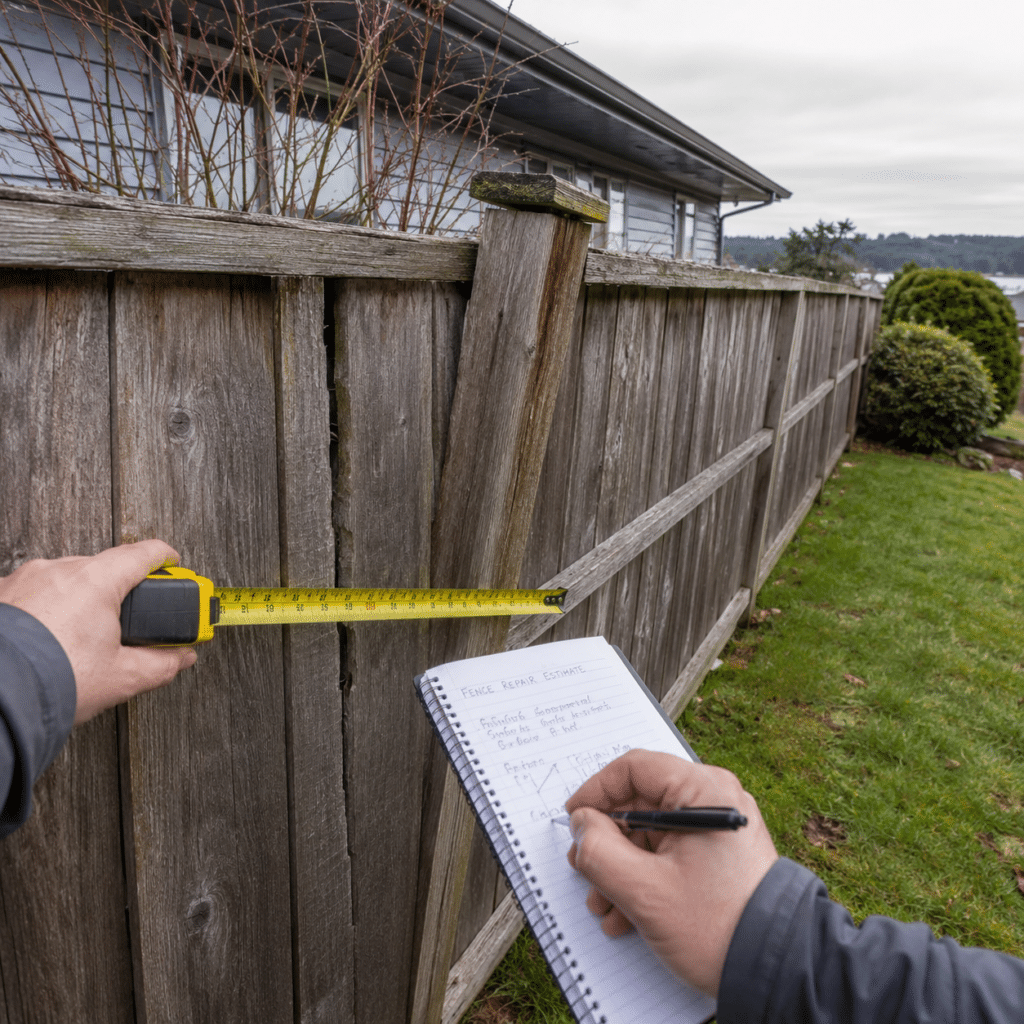
Once you notice a problem, it’s a good idea to inspect your fence as soon as possible. A careful assessment can help you determine whether a repair is enough or if replacement should be considered.
Start by examining the fence closely. Look for signs of cracking, rotting wood, rust, bent sections, or loose components. Check each panel, board, and post to identify any weak areas.
Gather basic repair tools such as a hammer, screws, nails, replacement boards, or wood glue if needed. As you inspect the fence, pay attention to how widespread the damage is. A single damaged section is often easy to repair, while problems affecting large portions of the fence may require a different approach.
Addressing issues early can prevent further deterioration and help preserve both the appearance and strength of your fence.
Common Fence Problems and Repair Solutions
Fence damage comes in many forms, but some issues are more common than others. The good news is that many of them can be repaired without replacing the entire structure.
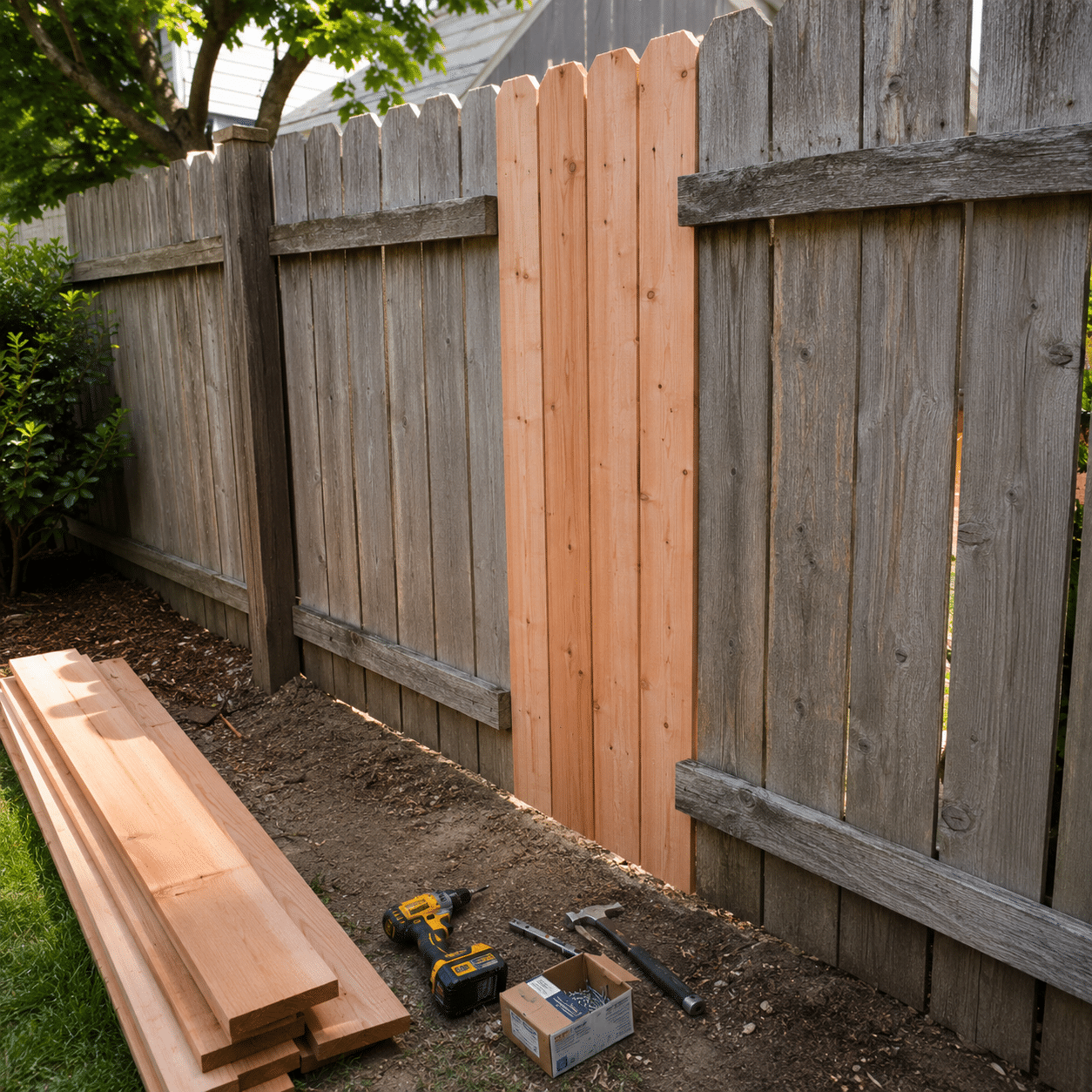
Broken boards are one of the most common problems. In most situations, replacing the damaged boards restores both appearance and function.
Metal fences may develop rust over time. Light rust can often be removed by sanding the affected area and applying a rust-resistant coating to protect the metal.
Loose fence posts can also create stability issues. Re-securing the posts with fresh concrete or adding support brackets is often enough to restore strength.
Making these repairs not only improves the fence’s performance but also helps maintain the overall look of your property.
Repairing vs. Replacing: Understanding the Costs
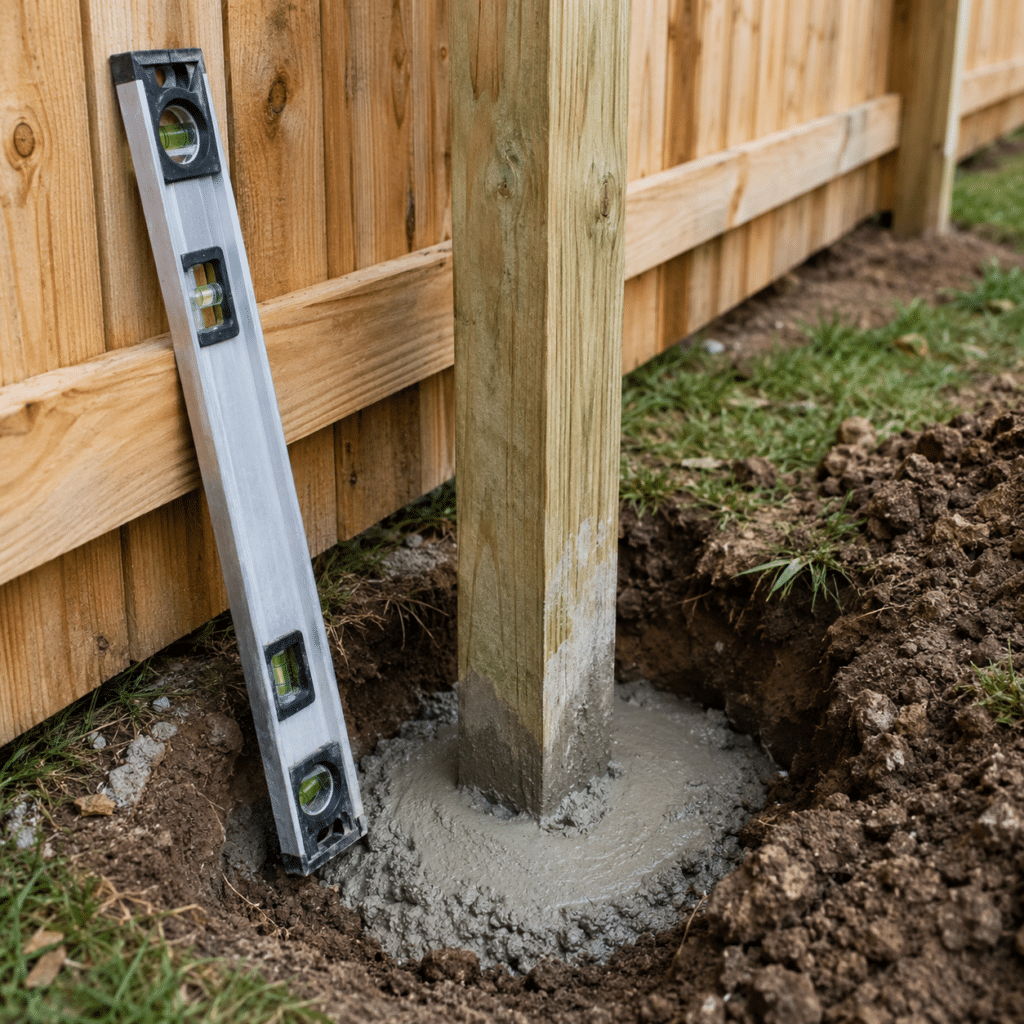
The decision to repair or replace a fence often comes down to cost.
Repairs are usually the more affordable option when the damage is limited. Replacing a few boards, securing loose posts, or treating small areas of rust can restore your fence without requiring a large investment.
A full replacement involves higher upfront costs because it requires new materials and installation. Still, there are situations where replacement makes more financial sense. If repairs are becoming frequent or the fence is nearing the end of its lifespan, investing in a new fence may reduce future maintenance expenses.
Think about both immediate and long-term costs before making a decision. A repair may solve the problem today, but ongoing repairs can eventually exceed the cost of replacement.
When Repairing Your Fence Makes Sense
Not every damaged fence needs to be replaced.
If the damage is isolated to a few sections and the overall structure remains strong, repairing the fence is often the most practical choice. Loose posts, missing boards, and minor cosmetic damage can usually be fixed quickly and affordably.
It’s also worth considering the age of the fence. A relatively new fence with limited damage is usually a strong candidate for repair.
Routine maintenance plays an important role as well. Fixing small issues as they appear can extend the life of your fence and help you avoid more extensive repairs later.
Before deciding, compare the repair costs with the expected remaining lifespan of the fence. If repairs can provide several more years of service, they may be well worth the investment.
Environmental Advantages of Fence Repairs
Choosing to repair your fence instead of replacing it can benefit the environment as well.
Every repair helps reduce the amount of waste sent to landfills. Instead of discarding large sections of fencing, you’re making use of materials that still have useful life remaining.
Repairing a fence also reduces demand for new materials. Producing lumber, metal, and other fencing products requires energy and natural resources. Extending the lifespan of existing materials helps reduce that demand.
Small decisions like repairing rather than replacing can contribute to reducing waste and conserving resources over time.
Repairing and maintaining existing fencing materials supports waste reduction efforts and follows principles associated with sustainable development.
DIY Fence Repairs You Can Handle Yourself
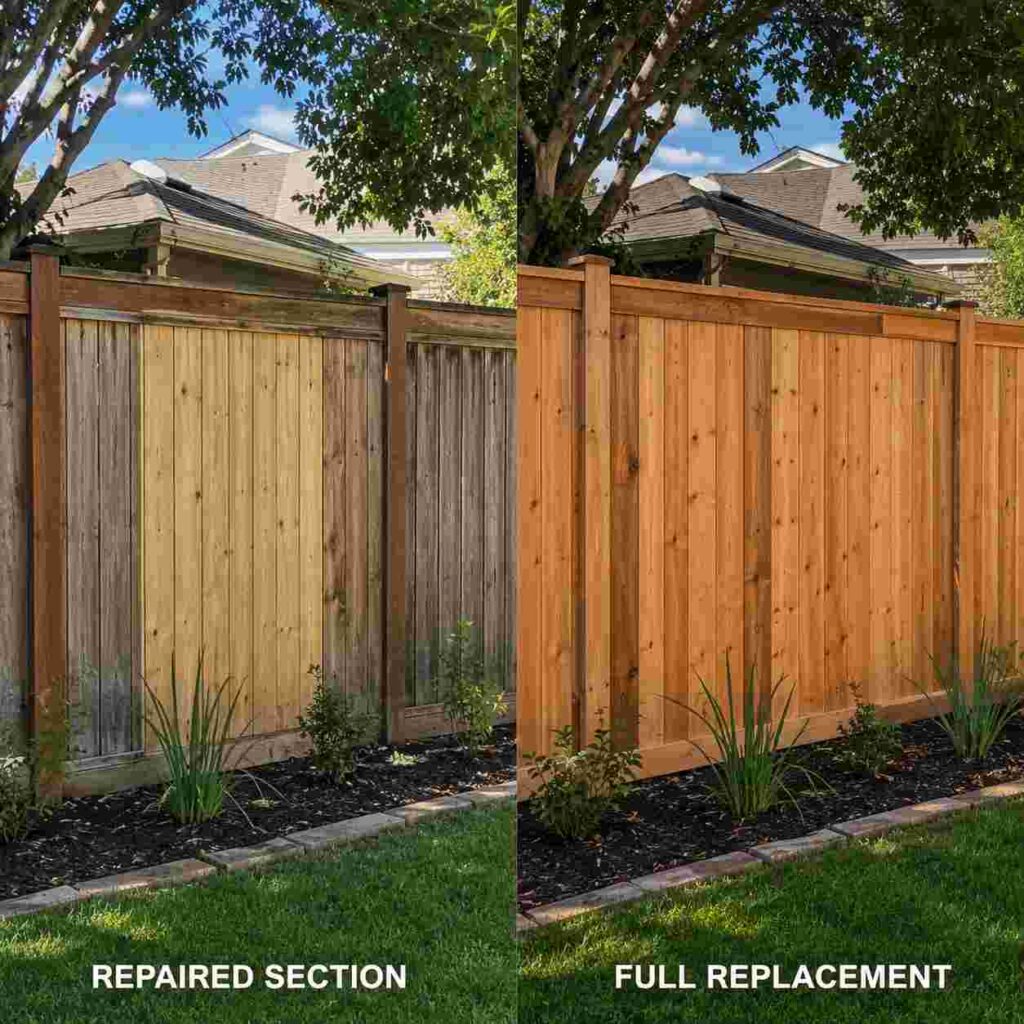
Many fence repairs are manageable for homeowners with basic tools and a little patience.
Fixing Broken Fence Boards
Start by inspecting the damaged board to determine whether it can be repaired or if replacement is necessary.
Small cracks may be repaired using wood filler. Once the filler dries, sand the surface smooth to restore its appearance.
For boards with extensive damage, replacing them is usually the better option. Remove the damaged board carefully and install a new one using appropriate screws or nails.
Regular inspections can help you identify damaged boards before they become larger problems.
Securing Loose Fence Posts
Fence posts provide the foundation for the entire structure. When they become loose, the fence can lean or become unstable.
Check each post for movement. If a post shifts when pushed, dig around the base to expose the surrounding area.
Adding fresh concrete around the base often restores stability. Make sure the post remains straight while the concrete sets.
Metal support brackets or stakes can also provide additional reinforcement. Tightening loose fasteners and correcting alignment issues will further strengthen the fence.
A stable post can significantly improve the overall strength and lifespan of the fence.
Signs That a Full Fence Replacement May Be Necessary
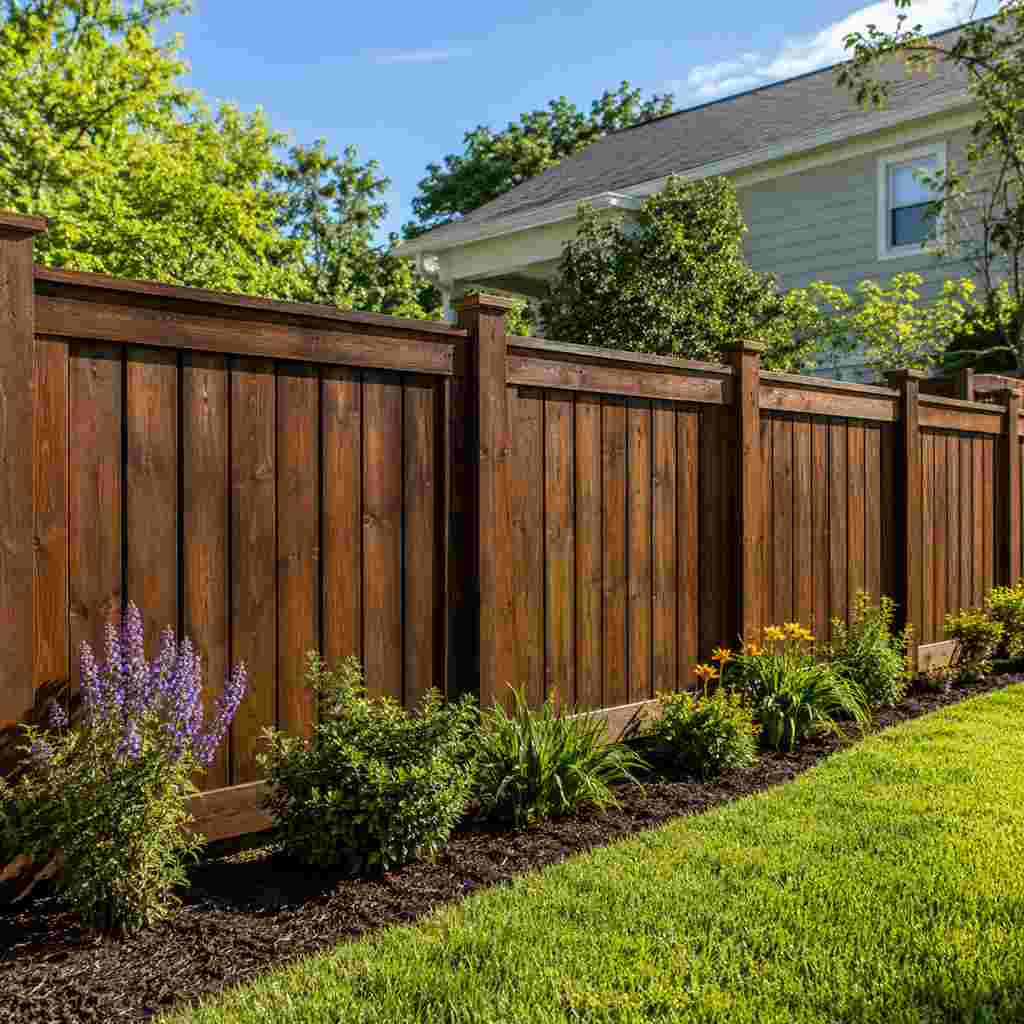
While repairs can solve many problems, there are situations where replacement becomes the better option.
If several sections of the fence are damaged, leaning, rotting, or failing at the same time, repairing each issue individually may not be practical.
Wood fences with widespread rot often lose their structural strength. Replacing a few boards may not address the underlying problem if decay is present throughout the fence.
Age is another factor. If the fence has reached the end of its expected lifespan, repairs may only provide a short-term solution.
Safety concerns should also be considered. A fence that no longer provides security or stability may need to be replaced to protect your property and those around it.
Keeping Your Fence in Good Condition After Repairs
Once repairs are complete, ongoing maintenance can help prevent future problems and extend the life of your fence.
Schedule Regular Inspections
Inspect your fence every few months and after major storms.
Look for loose boards, rust, cracks, rot, or shifting posts. Catching problems early makes repairs easier and less expensive.
Keeping a record of inspections can help you monitor changes over time and identify recurring issues.
Clean Your Fence Consistently
Dirt, mold, and debris can gradually damage fence materials.
Wash your fence periodically using mild soap, water, and a soft brush. Rinse thoroughly and remove any buildup that may trap moisture.
Trim back vegetation growing against the fence, as plants can create damp conditions that speed up deterioration.
Seasonal cleaning can help preserve both appearance and structural integrity.
Apply Protective Treatments
Protective treatments can add years to the life of your fence.
Wood fences benefit from stains and sealants that help prevent moisture damage. Metal fences can be protected with rust-resistant coatings and paint.
Follow the manufacturer’s recommendations for reapplication. Climate conditions, sun exposure, and weather can all affect how often treatments are needed.
Regular maintenance and protective coatings can help keep your fence looking good and performing well for years.
Frequently Asked Questions
Can I Repair a Fence Myself Without Professional Help?
Yes. Many common fence repairs can be completed by homeowners using basic tools and materials. Small repairs such as replacing boards, tightening hardware, and securing loose posts are often straightforward projects.
How Long Does a Typical Fence Repair Take?
The timeline depends on the extent of the damage. Minor repairs may take only a few hours, while larger repairs can take a day or two to complete.
What Materials Are Best for Fence Repairs?
The best materials depend on the type of fence. For wood fences, cedar and redwood are popular choices because of their durability. Matching existing materials often provides the best appearance and performance.
Will Repairing My Fence Affect Its Warranty?
That depends on the manufacturer and warranty terms. Review the warranty documentation before making repairs to confirm whether coverage remains valid.
How Do Weather Conditions Impact Fence Repairs?
Weather can affect both the repair process and long-term durability. Rain, moisture, extreme heat, and freezing temperatures can all influence how materials perform. Using weather-resistant products can help protect your repairs.
Conclusion
A damaged fence does not always need to be replaced. In many situations, repairs can restore strength, appearance, and functionality while saving money. By assessing the extent of the damage and addressing issues early, you can often extend the life of your fence for years.
Regular inspections, cleaning, and maintenance help prevent future problems and protect your investment. If you’re uncertain whether repair or replacement is the better option, consulting a fencing professional can provide valuable guidance based on the condition of your fence.