Choosing the right pool fence is one of the most important steps you can take to make your backyard safer for your family. A well-designed fence does more than mark the edge of your pool. It helps prevent unsupervised access, reduces the risk of accidents, and gives parents greater peace of mind.
There are plenty of fencing options available, each with its own look, level of maintenance, and safety features. The right choice depends on your budget, your backyard layout, local fencing rules, and the needs of your household.
This guide walks through the factors that matter most, from choosing the right material to understanding safety requirements, so you can make a decision that works for your family.
Key Takeaways
- Choose a pool fence that meets local safety requirements and is at least four feet high.
- Compare different fence materials based on safety, appearance, durability, and maintenance.
- Assess your pool area before choosing a fence to identify any risks or access points.
- Plan your budget by considering materials, installation, and future maintenance costs.
- Add extra security with childproof gate locks and inspect your fence regularly to keep it in good condition.
Why a Pool Fence Is Essential for Your Family’s Safety
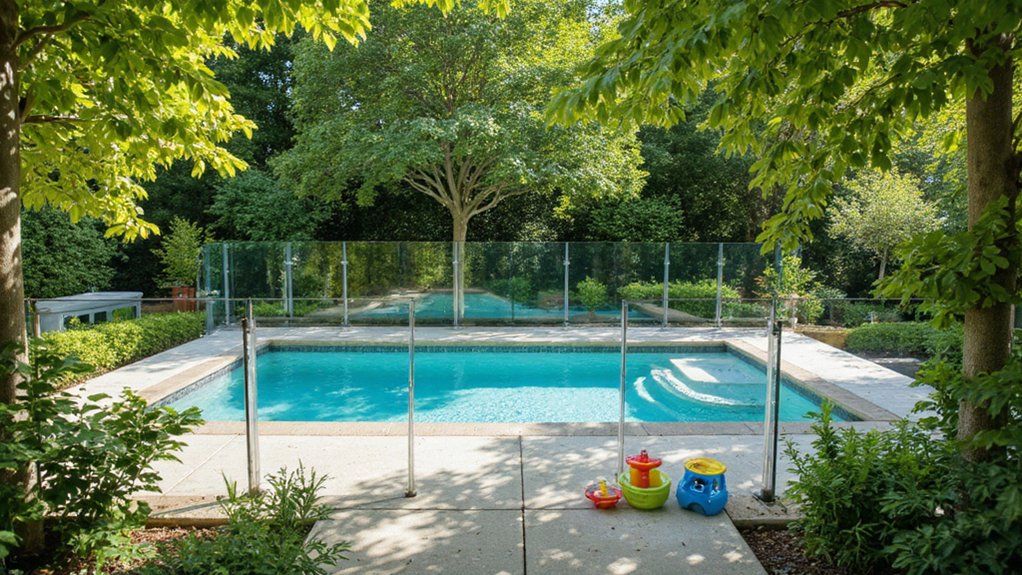
If you have a swimming pool at home, keeping your family safe should always come first.
A pool fence is one of the most effective ways to reduce the risk of accidents, especially if you have young children or pets. Even with constant supervision, unexpected situations can happen in just a few moments. A secure fence creates an extra layer of protection by limiting unsupervised access to the pool.
When choosing a fence, look for materials that are strong, weather-resistant, and easy to maintain. Aluminum and vinyl are popular choices because they hold up well over time without requiring much upkeep.
It’s also important to make sure your fence follows local safety requirements. In many areas, pool fences must be at least four feet high and include a self-closing, self-latching gate. Meeting these standards helps create a safer environment while giving your family added confidence whenever the pool is in use.
Types of Pool Fences: Which One Is Right for You?
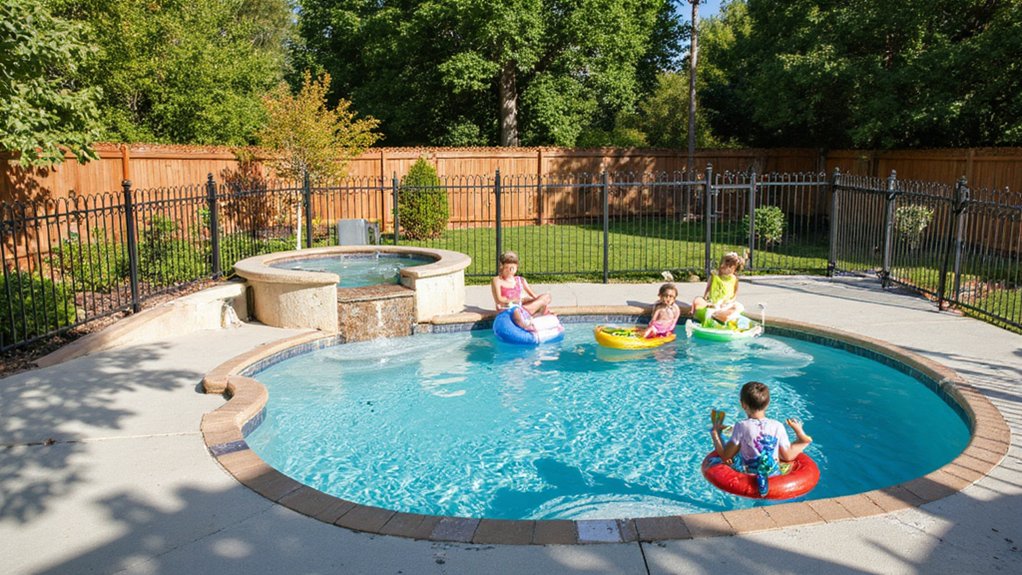
There isn’t a single pool fence that’s right for every home. The best choice depends on your backyard, your budget, and the level of protection you want.
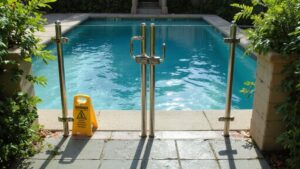
Glass fencing is a popular option if you want an open view of the pool without making the space feel closed in. It gives your backyard a clean, modern appearance while allowing you to keep an eye on the pool from different angles.
If you need more flexibility, removable pool fences can be installed when needed and taken down for special occasions or seasonal use.
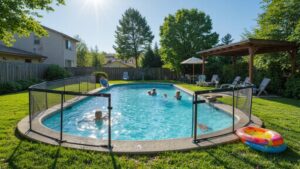
Mesh fencing is another common option. It provides a strong safety barrier while still allowing good visibility. Many families choose it because it’s practical and designed with child safety in mind.
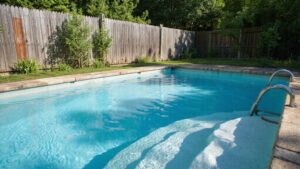
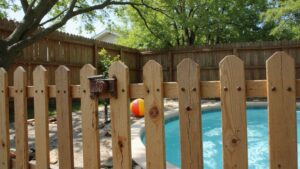
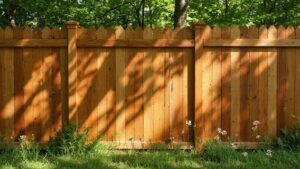
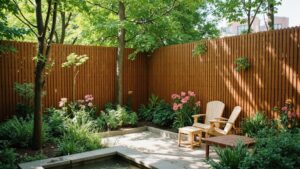
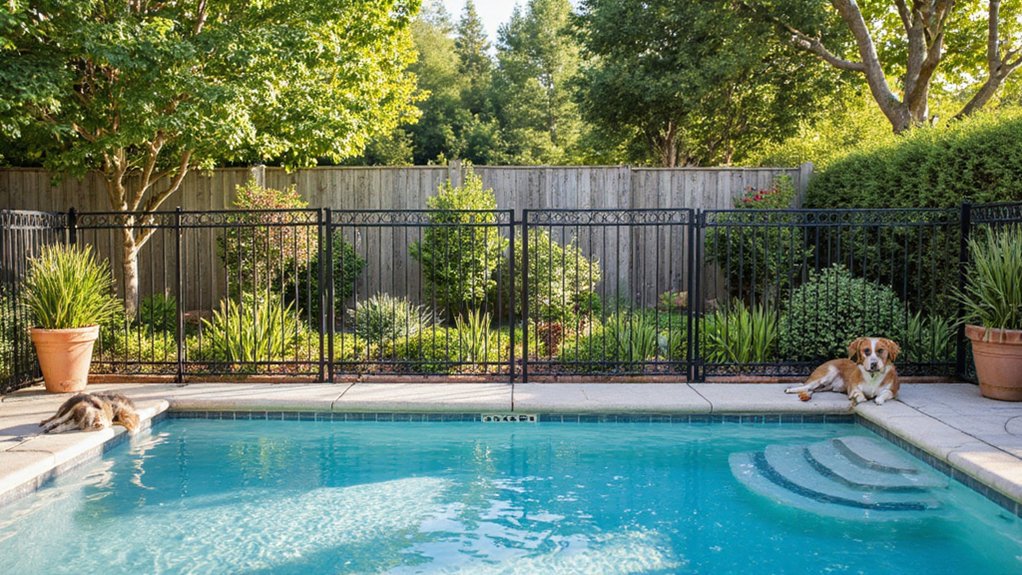
Wood fences offer a classic look and more privacy, although they usually need more maintenance than other materials. Ornamental fencing, including aluminum styles, is valued for its strength, elegant appearance, and resistance to rust, while vinyl fencing is easy to clean and holds up well in different weather conditions.
Whichever style you choose, make sure the gate includes secure safety locks that young children cannot open on their own.
Think about how each option fits your outdoor space, maintenance expectations, and overall budget before making your decision.
Essential Features for a Safe and Effective Pool Fence
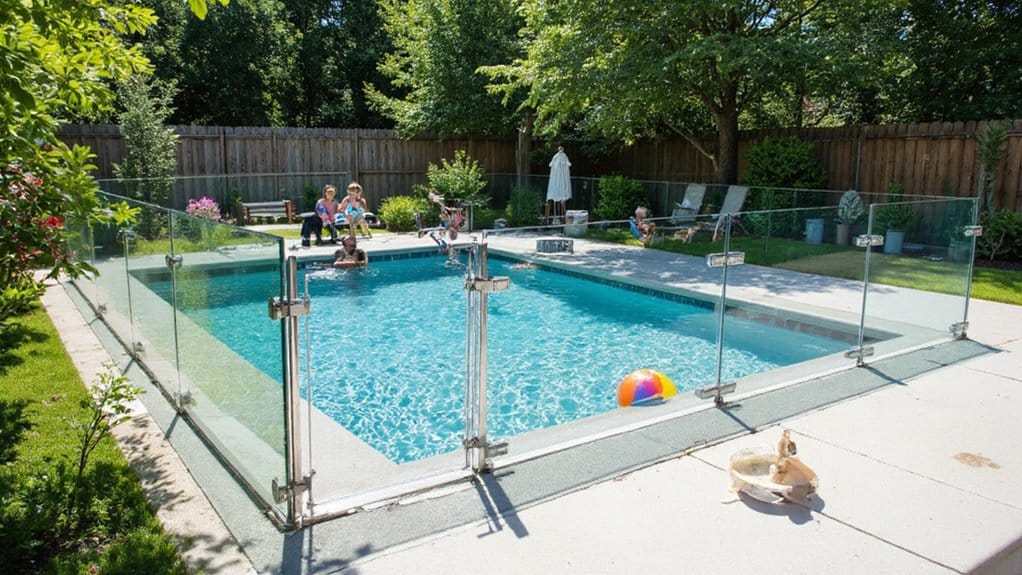
A pool fence should do more than surround your pool. It should provide dependable protection while fitting naturally into your outdoor space.
Start by choosing a fence that meets the required height for your area. A taller fence makes it much harder for children to climb over or gain access without supervision.
The material also plays an important role. Pick something that can handle rain, sun, and changing weather without losing its strength or appearance.
A secure gate is just as important as the fence itself. Look for self-closing gates with childproof locking systems that stay securely shut after every use.
Visibility is another feature worth considering. Being able to see the pool from different areas of your yard or home makes supervision much easier.
Finally, choose a design and color that complements your landscaping while still keeping safety as the top priority. A fence can protect your family without taking away from the overall look of your backyard.
How to Assess Your Pool Area for Fencing Needs
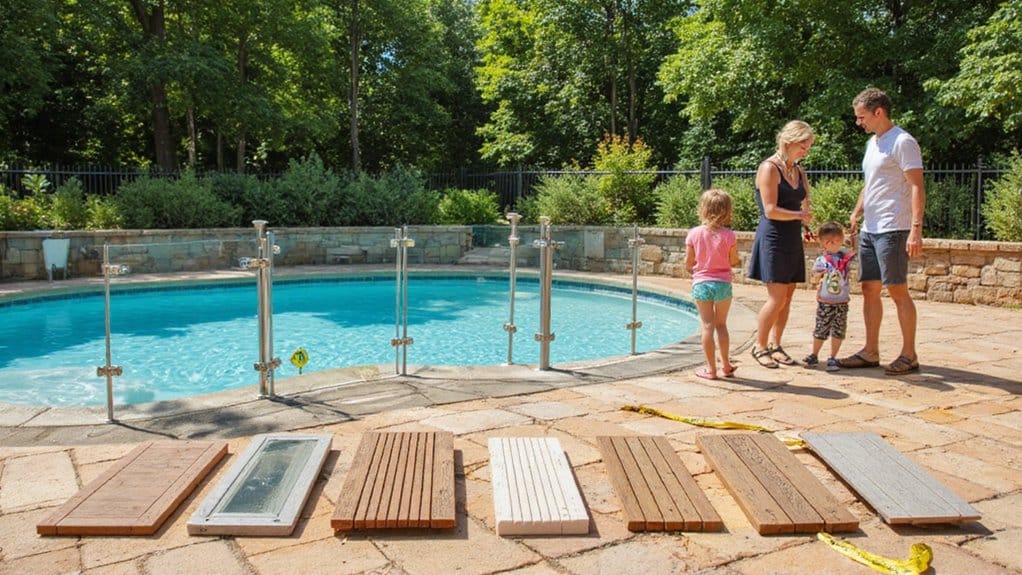
Before choosing a pool fence, spend some time looking at your pool area. Every backyard is different, so understanding your space will help you choose a fence that offers the right level of protection while fitting your property’s layout.
Take note of the size of the pool, nearby pathways, gates, landscaping, and any areas where children or pets could easily reach the water. A careful assessment now can help you avoid costly changes later.
Evaluate Your Pool Size
Start by measuring your pool and the surrounding area. Accurate measurements make it much easier to estimate how much fencing you’ll need and where it should be installed.
Think about the shape of your backyard as well. Trees, garden beds, patios, and other outdoor features may affect the placement of the fence. Planning around these obstacles helps create a safer and more practical layout.
You should also leave enough space between the fence and the pool to allow comfortable movement for maintenance and supervision. At the same time, avoid creating large open areas that could encourage children to play between the fence and the pool.
A fence that fits your space properly will improve both safety and the overall appearance of your backyard.
Identify Safety Hazards
Once you’ve measured the area, look for anything that could create a safety risk around the pool.
Check for slippery surfaces, uneven paving, climbing hazards, loose furniture, low tree branches, or objects that children could use to climb over the fence. Even small gaps or easy access points can increase the chance of an accident.
Think about how visible the pool is from your home. If the pool can’t be seen easily from inside or from common outdoor areas, supervision becomes more difficult.
Finding these hazards before installation allows you to choose a fencing solution that offers better protection for your family.
Consider Local Regulations
Before making your final decision, review the pool fencing rules in your local area.
Many councils and local authorities have specific requirements covering fence height, gate design, spacing between fence panels, and approved materials. Following these rules helps make sure your fence meets current safety standards.
You should also check whether your homeowner’s insurance policy has any pool safety requirements. Some insurers require approved fencing before providing coverage or processing claims related to pool accidents.
If you live in a neighborhood with design guidelines or homeowner association rules, it’s also worth checking whether there are any restrictions on fence styles or materials.
Taking the time to understand these requirements can save you from expensive changes after installation.
Setting a Budget for Your Pool Fence
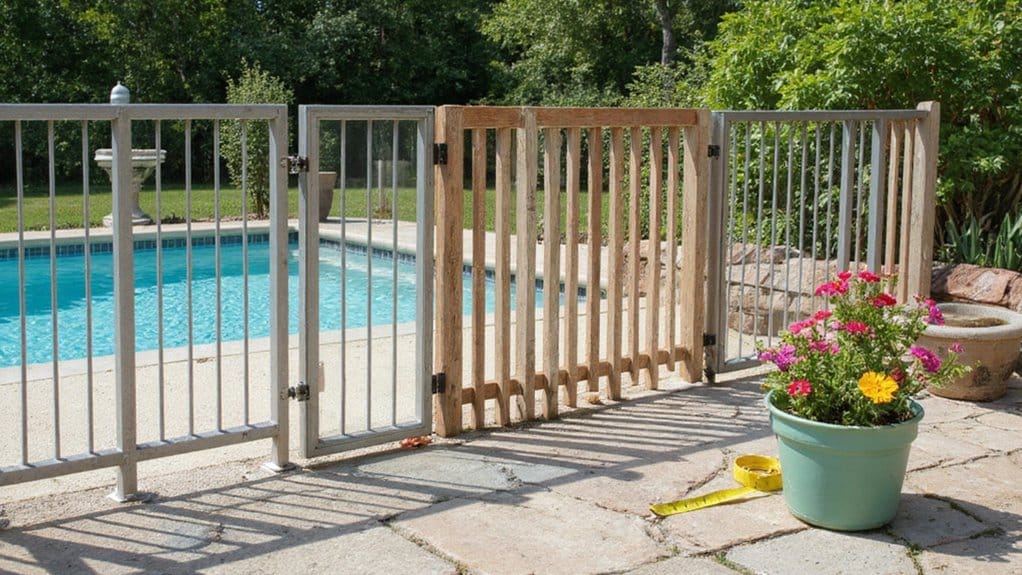
Setting a realistic budget before you begin shopping makes it easier to compare your options without overspending.
The cost of a pool fence depends on several factors, including the material, fence size, installation method, and any extra safety features you choose. Planning ahead helps you balance safety, appearance, and long-term value.
Determine Your Maximum Spend
Start by deciding how much you’re comfortable spending on the entire project.
Instead of focusing only on the fence itself, divide your budget into different categories such as materials, gates, hardware, installation, permits, and future maintenance. Breaking everything down gives you a clearer picture of the total cost.
Remember that a pool fence is a long-term investment in your family’s safety. Spending a little more on quality materials now may reduce repair and replacement costs in the future.
Keeping track of your expected expenses also helps you stay within your budget while avoiding unexpected costs.
Consider Installation Costs
Installation can make up a large part of your overall budget.
Professional installation usually costs more upfront, but experienced installers can complete the job correctly and make sure the fence meets local safety requirements.
If you’re comparing quotes, request detailed estimates from several installers. This makes it easier to understand what’s included and whether there are extra charges for permits, gate installation, or site preparation.
Don’t forget to include any landscaping work that may be needed before the fence is installed.
Factor in Maintenance Expenses
The purchase price isn’t the only cost to think about. Different fencing materials require different levels of maintenance over the years.
Aluminum and vinyl fences generally need very little upkeep beyond occasional cleaning. Wooden fences often require regular sealing, painting, or staining to protect them from moisture and weather damage.
Glass fencing may need frequent cleaning to keep fingerprints and water spots from becoming noticeable.
By including future maintenance costs in your budget, you’ll have a better idea of the total cost of owning your pool fence over time.
Choosing a Stylish Pool Fence That Complements Your Backyard
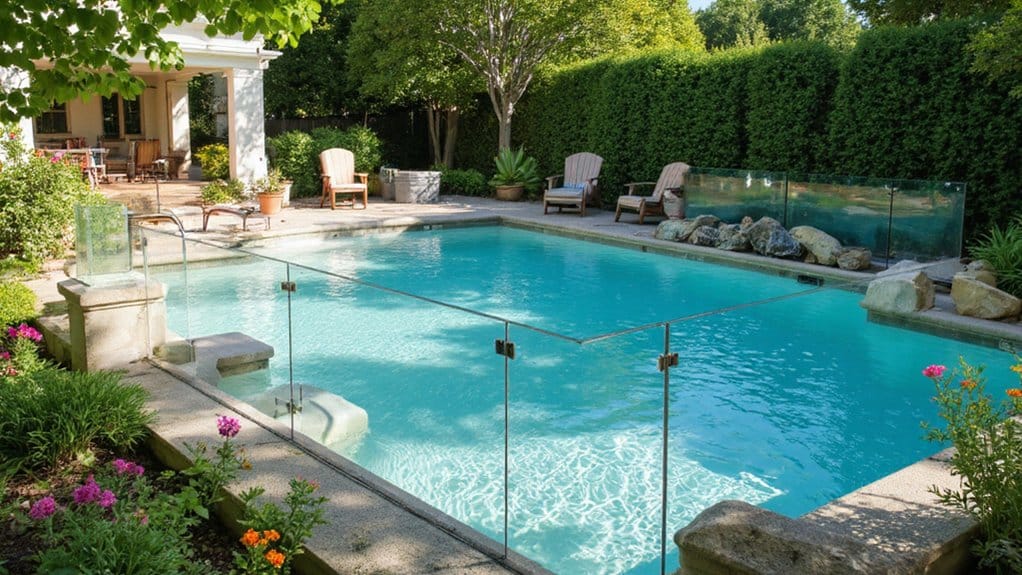
A pool fence doesn’t have to stand out for the wrong reasons. The right design can improve the look of your backyard while still providing the protection your family needs.
Start by thinking about your home’s style and the overall appearance of your outdoor space. A fence that blends with your landscaping and existing features creates a more balanced and welcoming environment.
Glass fencing is a popular choice for modern homes because it keeps views open and makes smaller yards feel more spacious. Aluminum fencing offers a clean, timeless appearance and works well with many landscaping styles. Wood provides warmth and privacy, while vinyl offers a neat finish with very little maintenance.
Color also plays a role in the final look. Neutral shades often blend naturally with gardens and outdoor living areas, while darker colors can create a subtle, modern appearance.
No matter which style you choose, safety should always come first. A fence can look attractive without sacrificing the protection your family depends on.
What You Need to Know About Pool Fencing Regulations
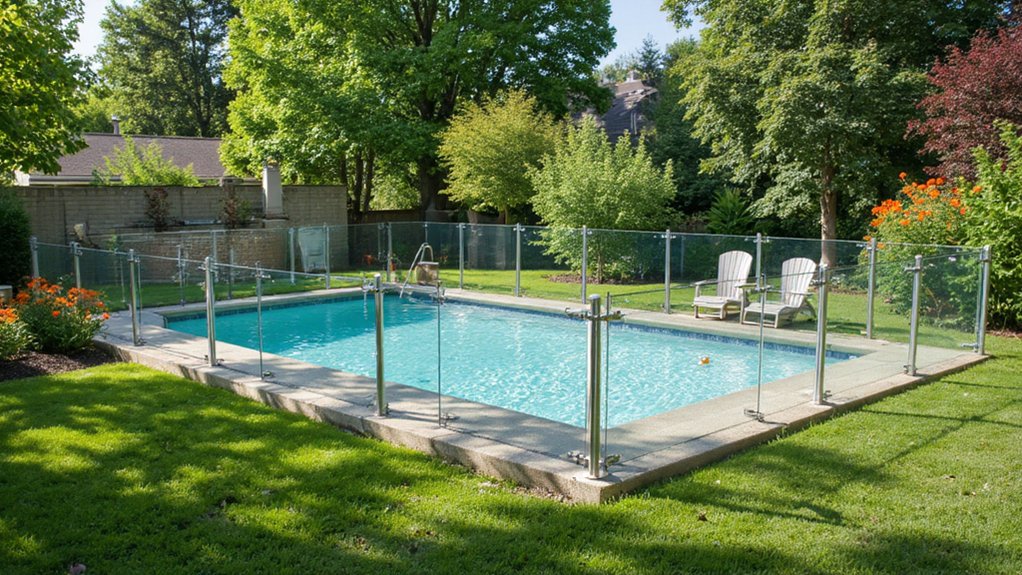
Before installing a pool fence, take time to understand the regulations that apply where you live. These rules are designed to reduce the risk of accidents and help make residential pools safer.
Requirements often cover fence height, the spacing between rails or panels, gate placement, and self-closing or self-latching gate systems. Some areas also specify which materials are suitable for pool fencing.
Whether you’re considering aluminum, glass, mesh, vinyl, or another material, make sure it meets local safety requirements before moving forward.
It’s also worth checking whether permits or inspections are required before or after installation. Meeting these requirements from the beginning can help you avoid delays, additional costs, or the need to modify your fence later.
Taking the time to understand the rules now helps ensure your pool fence provides the level of protection expected in your area.
Maintenance Tips for Your Pool Fence
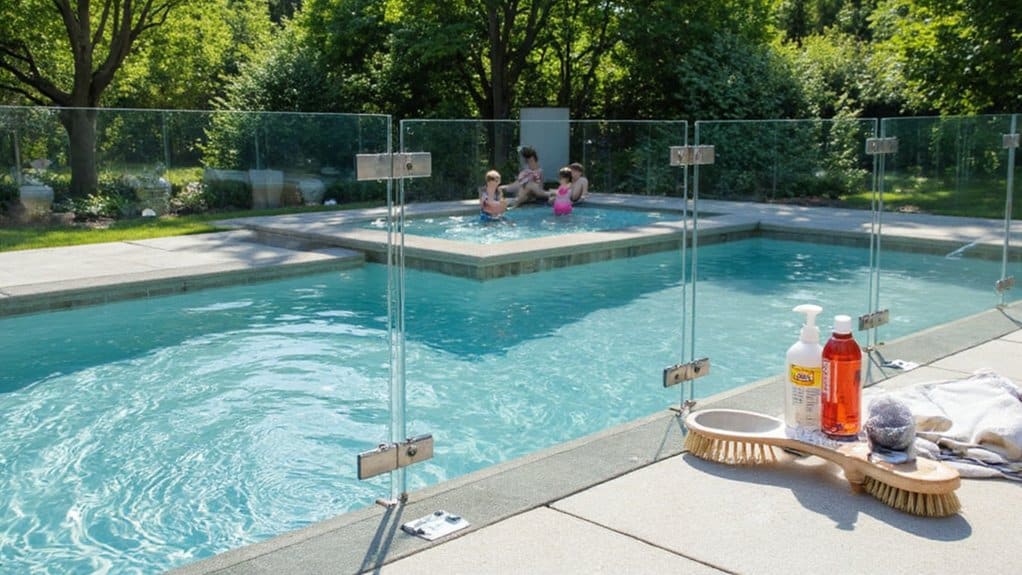
A well-maintained pool fence continues to protect your family year after year. Regular care doesn’t take much time, but it can prevent small issues from turning into expensive repairs.
Inspect your fence every few months for loose fittings, damaged panels, rust, cracks, or signs of wear. If you have a wooden fence, check for moisture damage, warping, or areas that may need resealing.
Seasonal maintenance is also worthwhile. Remove leaves, dirt, and other debris that collect around the base of the fence, especially during autumn. In colder climates, inspect the fence after storms or heavy snowfall to make sure nothing has shifted or become damaged.
Wash the fence with mild soap and water whenever it becomes dirty. If the manufacturer recommends protective coatings or treatments, apply them as needed to extend the life of the material.
If you notice damage during an inspection, repair it as soon as possible. Prompt repairs help keep the fence working as intended and maintain a safe pool area for everyone.
Additional Security Features for Your Pool Fence
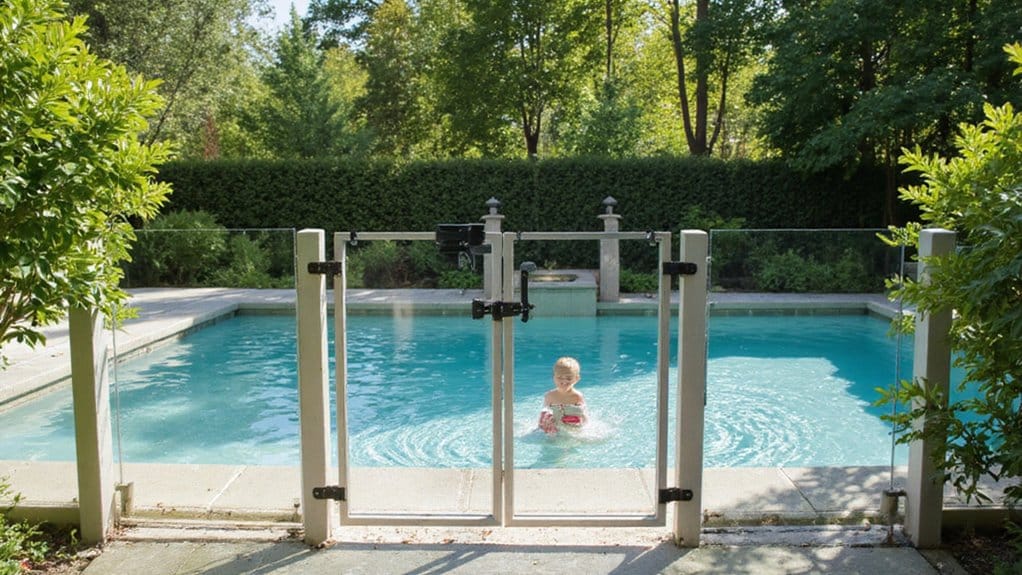
A strong pool fence is an excellent starting point, but adding a few extra safety features can provide even greater protection.
One of the most useful additions is a childproof gate lock. These locks are designed to be difficult for young children to operate while remaining convenient for adults. Combined with a self-closing gate, they help reduce the chance of the gate being left open accidentally.
Removable safety barriers are another option worth considering. They can be installed when extra protection is needed and removed when appropriate, making them useful for families whose needs change throughout the year.
You may also want to consider gate alarms that alert you whenever the gate is opened. While they don’t replace supervision, they can provide another layer of awareness around the pool area.
Using several safety features together creates stronger protection than relying on a fence alone, giving your family greater peace of mind whenever the pool is accessible.
Professional Installation vs. DIY Pool Fencing: What You Should Know
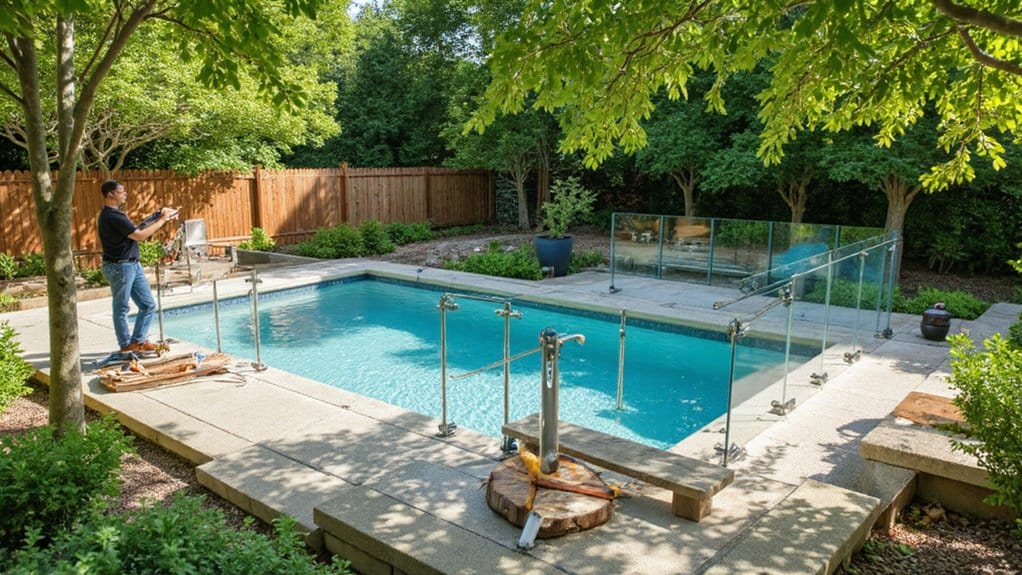
Choosing between professional installation and installing a pool fence yourself comes down to your budget, experience, and comfort level. Both options have advantages, but safety should always be the deciding factor.
Before making your choice, think about the total cost, the quality of the finished installation, and whether you’re confident you can meet local safety requirements.
Cost Considerations
The cost of installing a pool fence can vary depending on the material you choose, the size of your pool, and who completes the installation.
Hiring a professional usually costs more at the beginning, but it often results in a properly installed fence that meets local regulations. A quality installation can also reduce the chance of repairs later.
A DIY project may lower your upfront costs, but it’s important to be realistic about the time, tools, and skills required. Mistakes during installation can lead to extra expenses if parts need to be replaced or the fence has to be rebuilt.
You can also compare different fencing materials to find one that fits your budget without sacrificing safety. Sometimes spending a little more on durable materials can reduce maintenance costs over the years.
Think about both the initial expense and the long-term value before making your final decision.
Safety Standards Compliance
No matter who installs your fence, it must meet the required safety standards in your area.
These rules often cover fence height, gate placement, latch position, and the spacing between fence components. Following these requirements helps reduce the risk of accidents while keeping your property compliant with local regulations.
If you hire a contractor, ask whether they have experience installing pool fences that meet current building codes. They should also be able to explain how their installation complies with local requirements.
If you’re installing the fence yourself, carefully review the manufacturer’s instructions and local regulations before starting the project. Taking shortcuts can affect both safety and compliance.
Skill Level Assessment
Before deciding on a DIY installation, honestly assess your skills and experience.
Installing a pool fence requires accurate measurements, proper post alignment, secure gate installation, and attention to detail. Even small mistakes can affect how well the fence performs over time.
If you’ve completed similar outdoor projects and feel comfortable using the necessary tools, a DIY installation may be a practical option.
If you’re uncertain about any part of the process, hiring a professional can provide extra confidence that the fence has been installed correctly and safely.
The most important goal is creating a secure barrier that protects your family for years to come.
Frequently Asked Questions
How Can I Involve My Kids in the Fence Selection Process?
Let your children be part of the decision by asking which fence styles or colors they like. You can also explain why pool safety is important in a way they understand. Involving them makes the process more enjoyable while helping them learn why the fence is there.
What Are the Best Practices for Maintaining My Pool Fence?
Inspect your pool fence regularly for loose hardware, damaged panels, rust, or signs of wear. Clean it as needed, remove debris from around the fence, and repair any damage as soon as you notice it. Regular maintenance helps keep the fence working properly and looking its best.
Can I Install a Pool Fence on Uneven Ground?
Yes, many pool fencing systems can be installed on uneven ground. Adjustable fence panels, stepped installations, or custom solutions can provide a secure fit while maintaining the required level of protection.
How Do I Handle Pool Fence Damage or Wear Over Time?
Check your fence regularly for cracks, rust, loose fittings, or damaged sections. Replace worn parts promptly and make sure the gate continues to close and latch correctly. Keeping the fence in good condition helps maintain a safe pool area.
What Are Common Mistakes to Avoid When Choosing a Pool Fence?
One common mistake is focusing only on appearance while overlooking safety. It’s also important not to choose materials that require more maintenance than you’re prepared to handle. Finally, make sure the fence meets all local safety regulations before installation to avoid costly changes later.
Conclusion
Choosing the right pool fence is one of the best ways to make your backyard safer for your family. Taking the time to compare materials, understand local requirements, and assess your outdoor space will help you select a fence that offers both protection and lasting value.
Whether you choose glass, mesh, aluminum, wood, or vinyl, your fence should provide a secure barrier while complementing your home’s outdoor design. Regular inspections and routine maintenance will help keep it in good condition for years to come.
If you’re deciding between professional installation and a DIY project, choose the option that gives you the greatest confidence in the finished result. A properly installed pool fence offers more than privacy or curb appeal. It provides an added layer of protection that helps your family enjoy the pool with greater peace of mind.