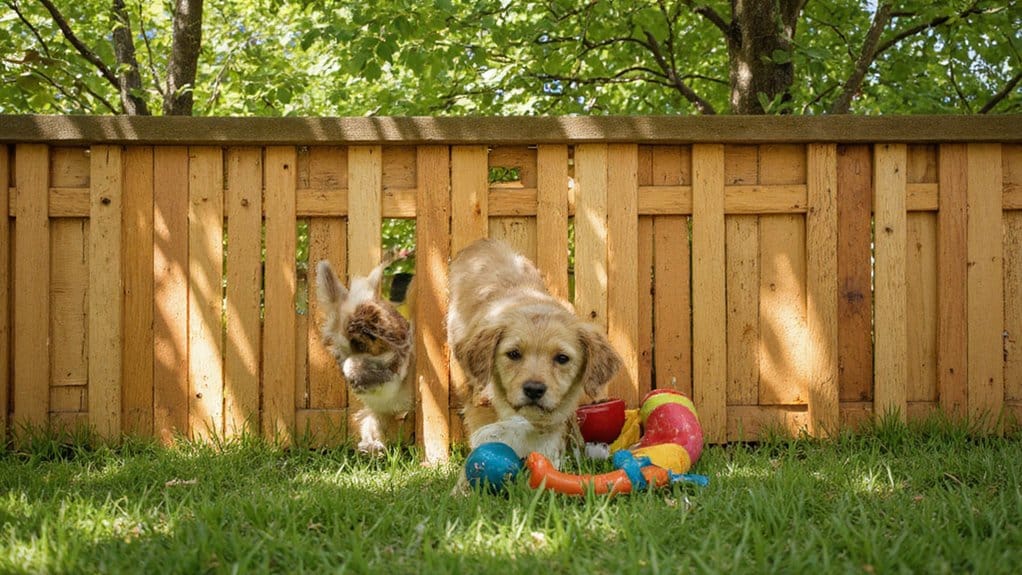
If you have a small dog, you already know how quickly they can squeeze through a tiny gap or find a weak spot in the fence. It only takes a moment for a curious pup to slip into the street or a neighbor’s yard, and that’s enough to make any pet owner worry.
The good news is that keeping your dog safely inside your yard doesn’t always mean replacing your entire fence. A few smart improvements, regular inspections, and some simple training can make a big difference.
From fixing small gaps to adding barriers that stop digging, there are several practical ways to make your yard much harder for an adventurous dog to escape.
Key Takeaways
- Inspect your fence regularly and repair loose boards, damaged sections, and gaps before they become escape routes.
- Add a dig-proof barrier beneath the fence to stop dogs from tunneling underneath.
- Watch your dog during outdoor playtime, especially if they’re young or naturally curious.
- Teach clear yard boundaries with consistent training and rewards.
- If needed, use extra containment options such as buried barriers or wireless systems for added security.
Identify and Fix Weak Spots in Your Fence
The first step is making sure your fence doesn’t already have an easy way out.
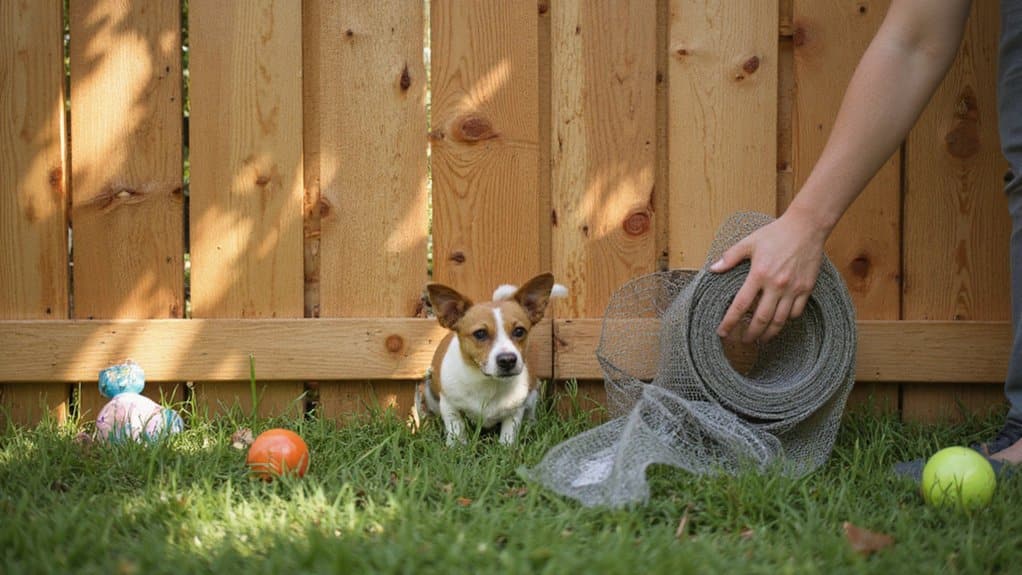
Walk around your yard every few weeks and inspect the entire fence from top to bottom. Look for loose boards, damaged panels, bent wire, gaps near the ground, or places where soil has washed away. Even a small opening can be enough for a determined little dog.
Pay extra attention to corners, gates, and places where different fence sections meet. These areas often become weak over time and may loosen without being obvious at first glance.
If your dog enjoys digging, reinforce the bottom of the fence before it becomes a problem. Hardware cloth, welded wire mesh, or a buried barrier can stop tunneling before it starts.
Staying on top of small repairs is much easier than dealing with a missing pet. A few minutes of maintenance can make your yard much safer.
Choose the Right Fence Height and Material to Prevent Escapes
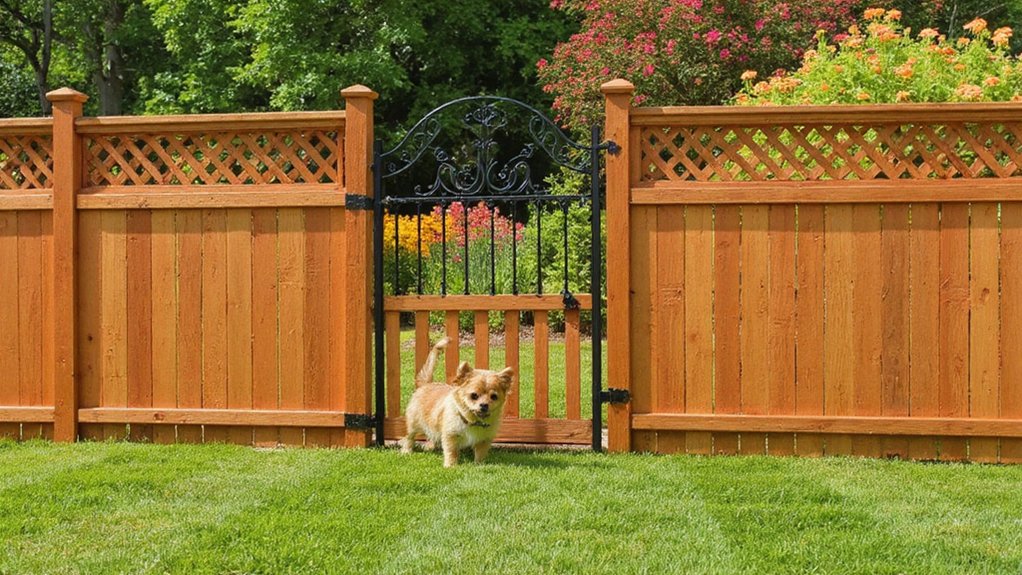
The type of fence you have matters just as much as its condition. Even smaller dogs can climb, jump, or squeeze through fencing that isn’t suited to their size and behavior.
Picking the right height and material gives your dog fewer opportunities to escape while helping you feel more confident whenever they’re outside.
Ideal Fence Height
Most small dogs are safely contained by a fence that stands at least 4 feet high.
Some breeds are surprisingly athletic, though. Jack Russell Terriers, Miniature Schnauzers, and other energetic dogs may need a taller fence if they’re known for jumping or climbing.
Take your own dog’s habits into account rather than relying only on breed recommendations. If your dog has already tried climbing or jumping, increasing the fence height could prevent future escape attempts.
You can also choose a fence style that complements your home’s appearance while still providing the protection your pet needs.
Durable Fence Materials
Strong fencing materials can make a noticeable difference.
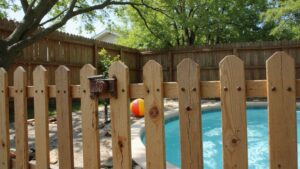
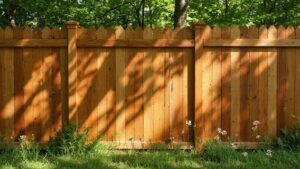
Vinyl fences hold up well in changing weather and don’t warp or rot over time. Chain link fencing offers strength and visibility, while wood fencing provides a classic appearance when properly maintained.
If your dog likes to dig, adding buried wire mesh along the base creates another layer of protection.
Choosing sturdy materials now can reduce repairs later while giving your dog a safer outdoor space.
Install a Dig-Proof Barrier at the Bottom of Your Fence
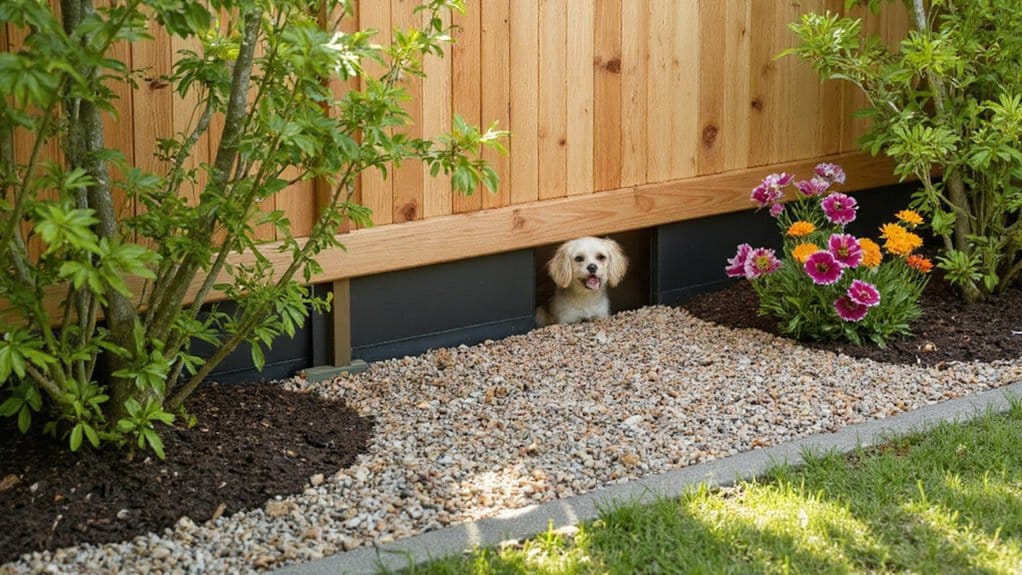
Many small dogs don’t jump over fences. They dig underneath them instead.
Installing a barrier below ground can stop escape attempts before they succeed.
Choose Durable Materials
The barrier needs to be tough enough to handle constant scratching and digging.
Hardware cloth, welded wire mesh, or galvanized fencing are common choices because they resist rust and stay strong for years.
Selecting durable materials also means less maintenance and fewer repairs down the road.
Bury It Deep
Dig a trench along the fence line and bury the barrier several inches below the surface.
Many homeowners also extend the material outward from the fence in an L-shape before covering it with soil. When dogs dig at the fence line, they hit the buried barrier instead of open ground.
This simple addition can discourage even determined diggers.
Add Concrete Reinforcement
For dogs that never seem to give up, concrete offers another option.
Pouring a narrow strip of concrete beneath the fence creates a solid base that prevents tunneling completely.
If you’re installing new fencing, adding reinforcement such as wire mesh or rebar inside the concrete can increase its strength and lifespan.
Although it requires more work initially, it creates a long-lasting barrier that gives many owners extra peace of mind.
Supervise Outdoor Playtime: Tips for Keeping Your Dog Safe
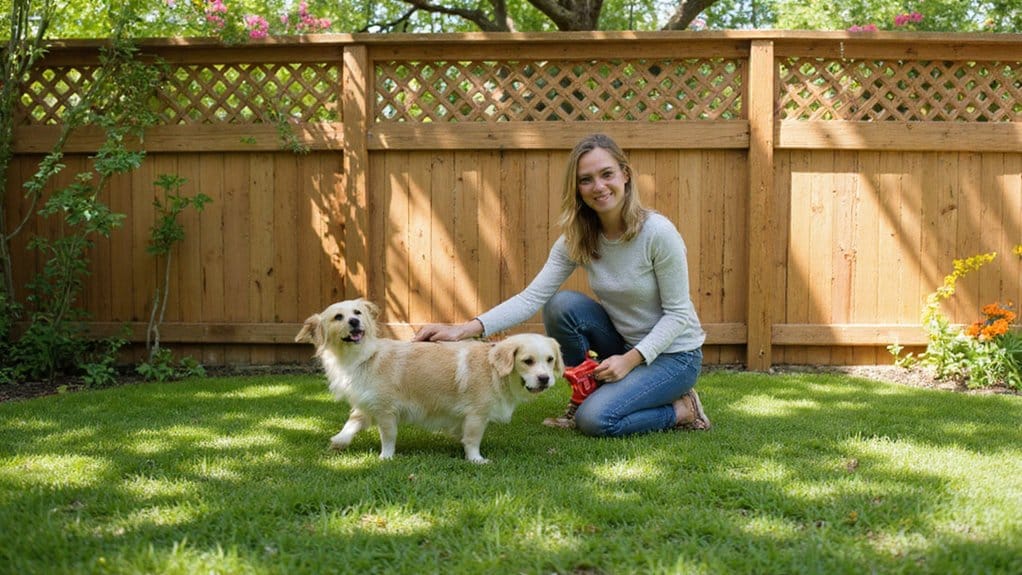
Even a secure fence works better when you’re keeping an eye on your dog.
Some dogs become excited by passing people, wildlife, or neighborhood pets. During those moments, they may look for ways to escape that they normally ignore.
Whenever possible, stay outside while your dog is playing. Create a designated play area where you can easily watch them, especially if they’re still learning their boundaries.
If you’re visiting a new location or your yard isn’t completely secure yet, using a leash or long training lead can prevent unexpected escapes.
Keeping your dog occupied with toys and games also helps reduce boredom, which is often one of the reasons dogs begin digging or testing fences.
Train Your Dog to Stay Within Boundaries Effectively
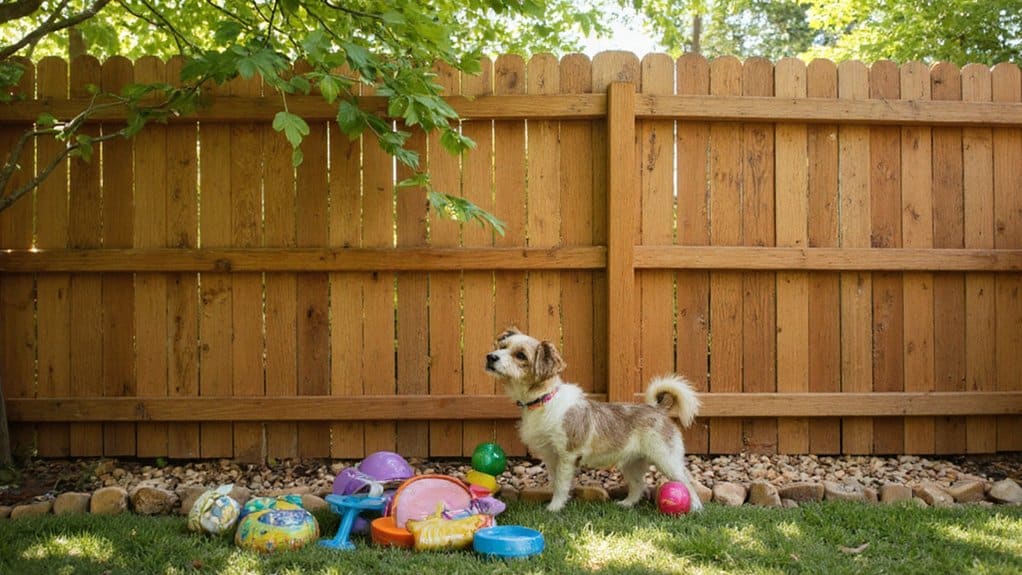
Training works best when it’s consistent and rewarding.
Begin by teaching your dog where they’re allowed to play. Walk them around the yard using simple commands whenever they approach the fence line.
Reward them immediately when they stay inside the designated area. Treats, praise, or a favorite toy can reinforce the behavior and encourage them to stay nearby.
Practice regularly and gradually increase distractions as your dog becomes more confident.
With patience and repetition, many dogs learn that staying inside the yard leads to positive experiences, while trying to leave doesn’t.
Use Natural Deterrents to Stop Your Dog From Escaping
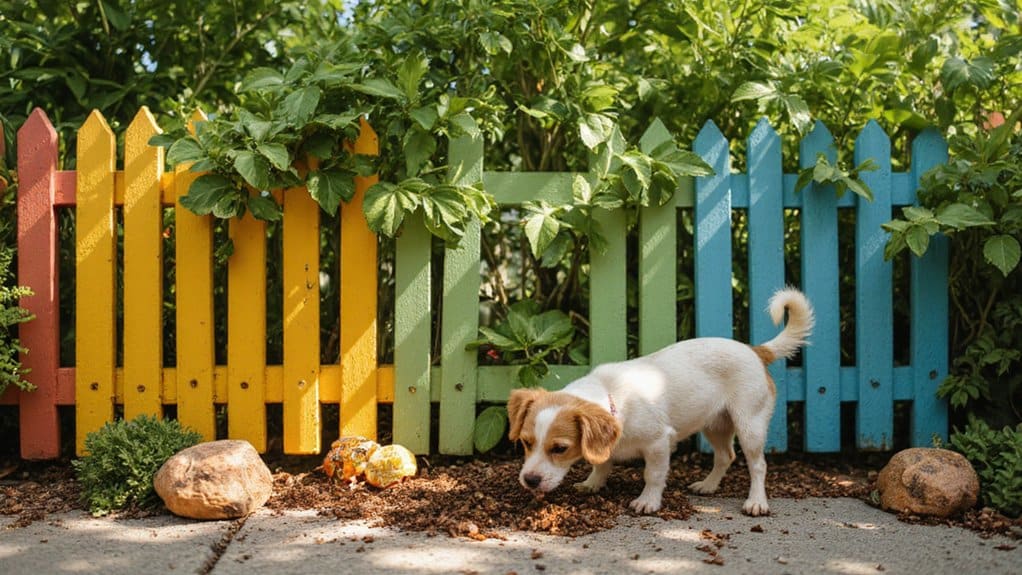
Some natural deterrents can make areas near the fence less appealing.
Many dogs dislike strong scents such as vinegar or citrus. Placing citrus peels or using pet-safe scent deterrents around common digging spots may help discourage repeated escape attempts.
You can also create natural barriers by planting shrubs or herbs along the fence line.
Plants such as rosemary or lavender add greenery to your yard while creating another obstacle that may make your dog less interested in approaching the fence.
Natural deterrents work best when combined with proper fencing and supervision rather than used as the only solution.
Add Visual Barriers to Reduce Distractions for Your Dog
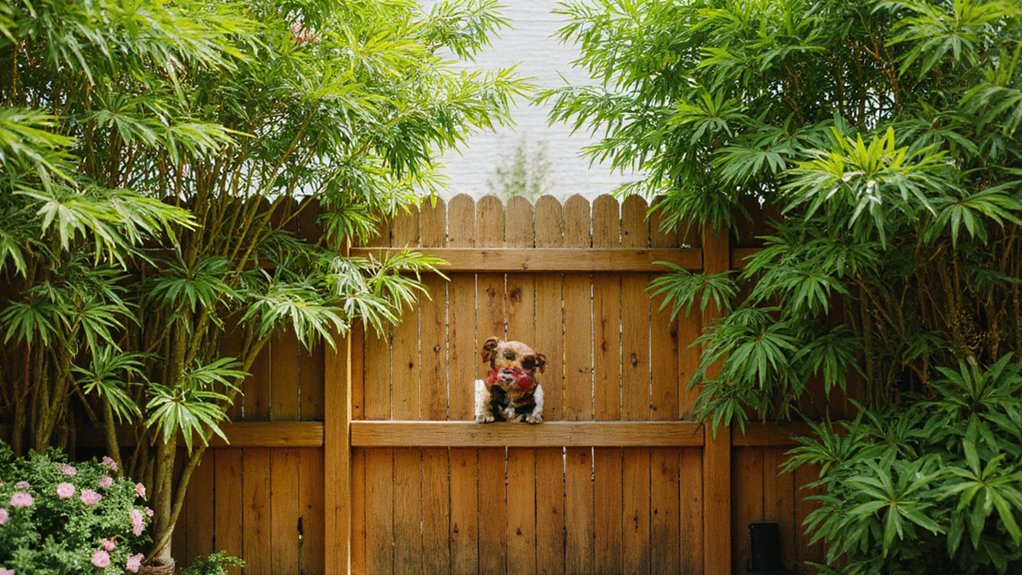
Dogs often react to what they see outside the yard.
Passing pedestrians, delivery trucks, squirrels, and neighboring pets can all trigger barking or repeated attempts to reach the other side of the fence.
Adding visual barriers can reduce those distractions.
Privacy panels, decorative screens, tall shrubs, or climbing plants help block your dog’s view beyond the fence. When there are fewer distractions, many dogs become calmer and spend less time pacing or searching for escape routes.
These additions can also improve the appearance of your yard while creating a more relaxing space for your pet.
What to Do if Training Fails: Alternative Containment Solutions?
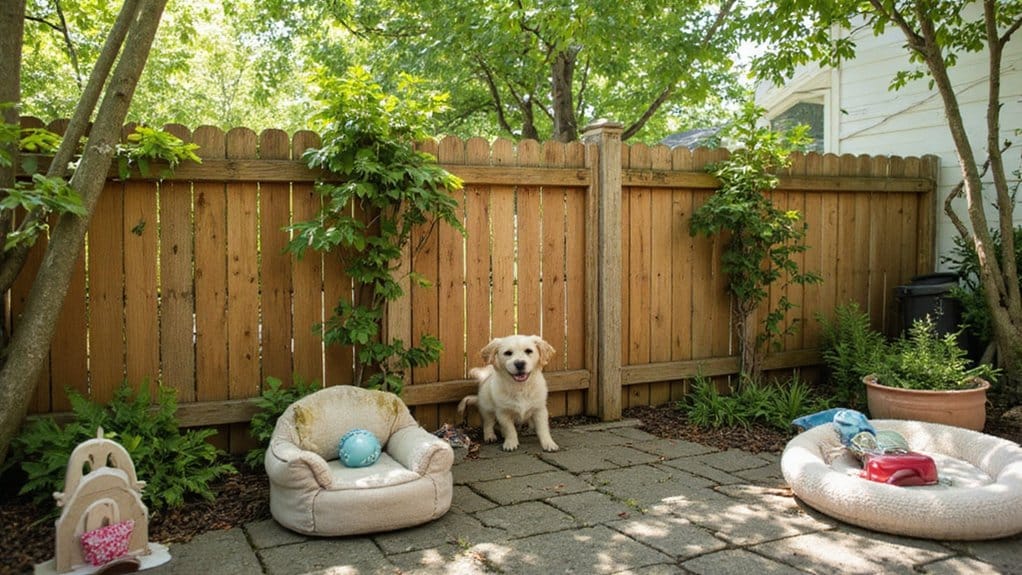
Some dogs are persistent escape artists despite consistent training and regular supervision.
If you’ve tried improving your fence and working on boundaries without success, it may be time to consider additional containment methods.
Higher fencing, buried barriers, and wireless containment systems can all provide another layer of protection. The right option depends on your dog’s personality, your property, and your budget.
Keeping your dog mentally stimulated is just as important. Daily walks, puzzle toys, training sessions, and interactive play can reduce boredom and lower the urge to escape.
Every dog is different, so don’t be discouraged if one solution doesn’t work right away. Combining several methods often produces the best results.
Frequently Asked Questions
What Are the Best Fence Types for Small Dog Breeds?
Vinyl, treated wood, and chain link fences are popular choices for small dogs. Pairing sturdy fencing with buried wire mesh or other digging barriers creates better protection against escapes.
Can Landscaping Help Prevent My Dog From Escaping?
Yes. Dense shrubs, decorative plants, and privacy landscaping can reduce distractions while creating extra barriers that discourage dogs from approaching the fence.
How Often Should I Inspect My Fence for Weaknesses?
Check your fence at least once each month and after severe weather. Regular inspections help you catch loose boards, damaged sections, or gaps before they become escape routes.
Are There Specific Dog Breeds More Prone to Escaping?
Some breeds naturally have stronger instincts to dig, climb, or chase scents. Terriers and scent hounds are common examples, although any dog may attempt to escape if they’re bored, frightened, or curious.
What Signs Indicate My Dog Is Trying to Escape?
Repeated digging, pacing near the fence, jumping against it, squeezing through openings, or constantly watching activity outside the yard are all common signs that your dog may be looking for a way out.
Conclusion
Keeping your small dog safely inside your yard comes down to regular maintenance, smart fencing choices, and consistent training. Checking your fence for weak spots, preventing digging, reducing outside distractions, and supervising outdoor time all help create a safer environment for your pet.
If your dog continues trying to escape, adding extra containment measures can provide another layer of protection. With the right combination of improvements, you can give your dog plenty of freedom to enjoy the yard while giving yourself greater confidence that they’ll stay safe at home.