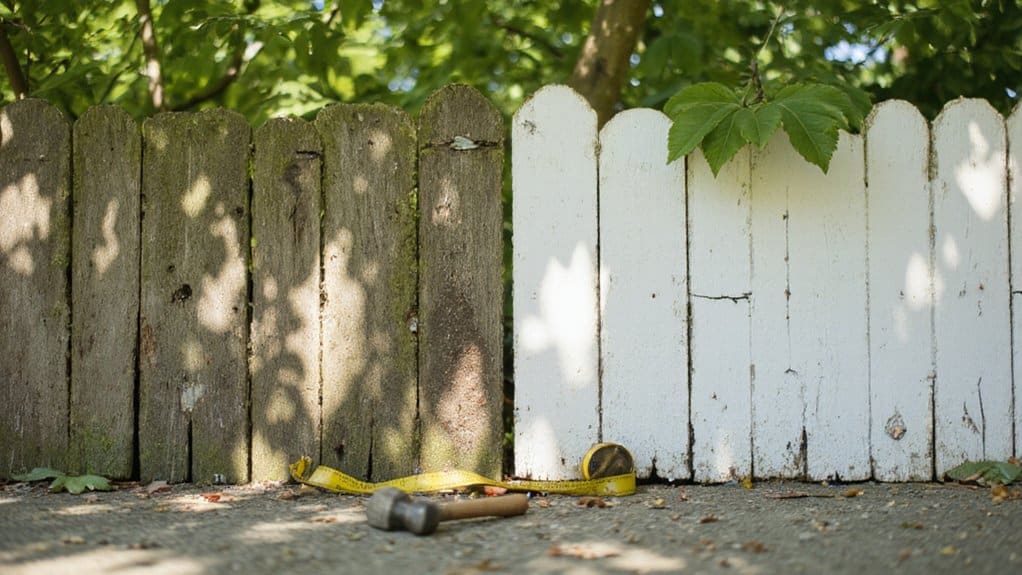
Deciding between fence repair and a full replacement isn’t always straightforward. A fence might look worn from a distance but only need a few simple fixes. In other cases, damage that seems minor on the surface could point to bigger structural problems underneath.
The right choice depends on several factors, including the fence’s age, the amount of damage, repair costs, and how long you expect the fence to last after the work is finished. Looking at the whole picture can help you avoid spending money on repairs that only offer a short-term solution.
Key Takeaways
- Check how much damage your fence has before deciding on repairs or replacement.
- Minor problems like loose boards or small sections of rot can often be repaired.
- Older fences with widespread damage are usually better candidates for replacement.
- Compare the cost of repeated repairs with the price of installing a new fence.
- Regular inspections help catch problems early and extend your fence’s lifespan.
How to Identify When Your Fence Needs Repair?
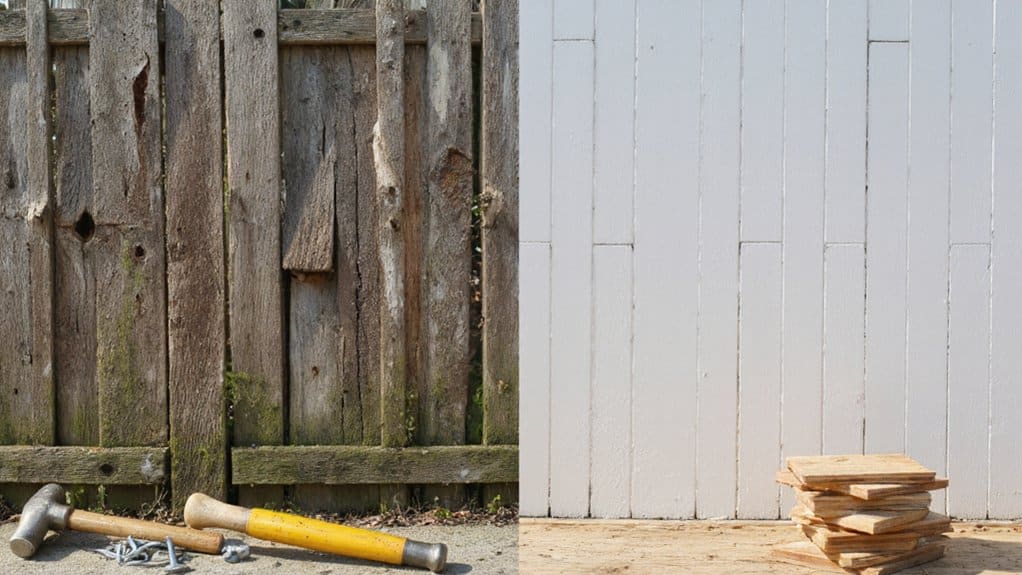
One of the easiest ways to avoid costly fence problems is by inspecting it regularly. A quick walk around your property every few months can help you spot small issues before they become major repairs.
Look closely for loose or missing boards, cracked panels, rust on metal fencing, or wood that feels soft and spongy. Leaning sections are another warning sign that should never be ignored. They often point to weakened posts or shifting ground beneath the fence.
Pay attention to gaps between boards or underneath the fence as well. These openings can allow pests to enter your yard and may become larger over time.
Don’t forget to check the fence posts. They should feel solid when pushed. If they wobble or lean, the problem may extend below ground. Also look at the soil around the posts. Heavy rain, erosion, or poor drainage can reduce the fence’s stability.
Catching these issues early usually gives you more repair options and helps extend the life of your fence.
Common Fence Damages That Are Repairable
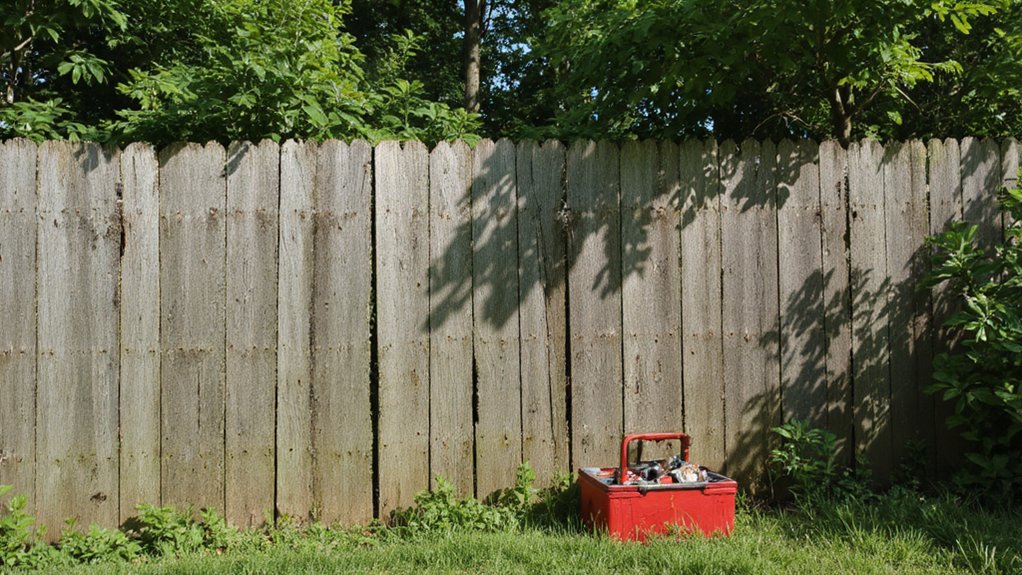
Not every damaged fence needs to be replaced. Many common problems can be repaired quickly and at a much lower cost.
Wood rot is often limited to a few boards or rails. Replacing those damaged sections is usually enough to restore the fence. If you have a metal fence with surface rust, cleaning the affected area and applying fresh paint can stop the damage from spreading.
Leaning posts can sometimes be reset in concrete or reinforced with additional support. Loose pickets can be tightened or replaced without rebuilding the entire fence. Broken boards are also simple to swap out when the surrounding structure remains solid.
Fence gates are another area where repairs are common. In many cases, replacing worn hinges, latches, or hardware brings the gate back to normal without much effort.
If insects have damaged part of a wooden fence, removing the affected sections and treating the remaining wood can help prevent further problems.
Routine maintenance also makes a difference. Cleaning, sealing, and repainting your fence when needed can slow weather damage and keep it looking its best for much longer.
Understanding the Impact of Fence Age on Condition
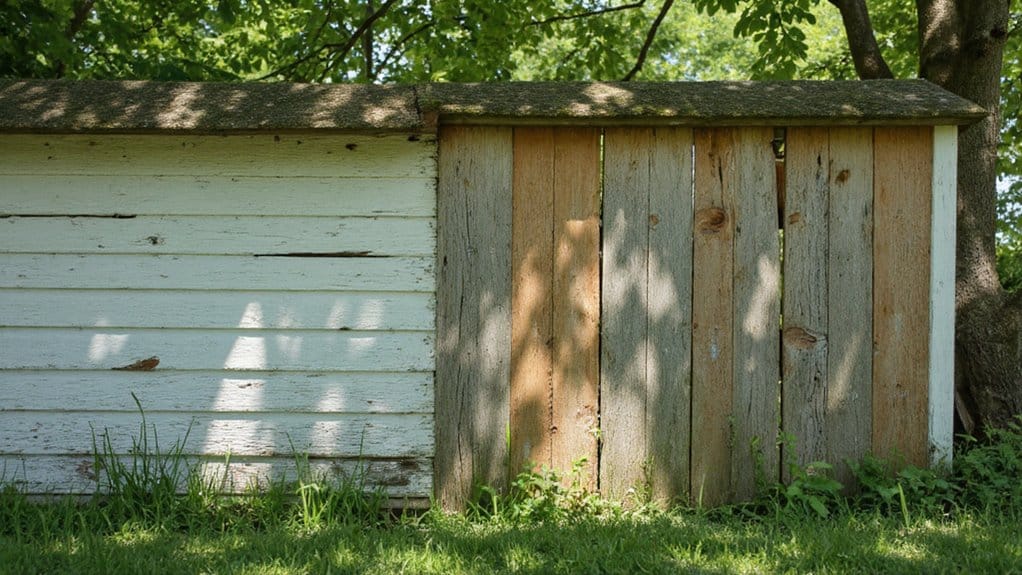
The age of your fence plays a big part in deciding whether repairs are still worthwhile.
Most wooden fences last around 10 to 15 years with proper maintenance. Vinyl fences often last 20 to 25 years or longer. Metal fences may last even longer if rust is kept under control.
As fences get older, normal wear begins to affect their strength. Wood may become brittle, metal may develop rust, and posts can loosen over time. These changes don’t always mean replacement is necessary, but they should be considered when evaluating repair costs.
If your fence has deep cracks, widespread rot, severe rust, or multiple leaning sections, repairing one area may not solve the bigger problem. Structural wear tends to spread throughout older fences, making future repairs more frequent.
Knowing the age of your fence gives you better perspective when deciding whether another repair is worth the investment.
When Is Replacement the Better Option?
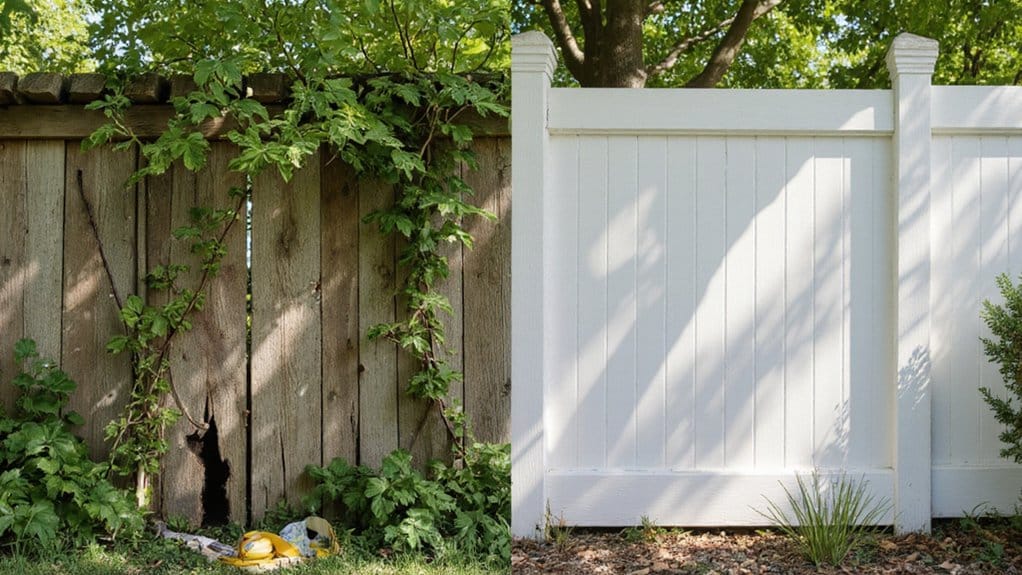
There comes a point when replacing the fence simply makes more sense than repairing it again.
If damage appears across several sections instead of one isolated area, replacement is often the more practical choice. Problems like widespread wood rot, severe rust, warped panels, or failing posts usually indicate the fence has reached the end of its useful life.
Installing a new fence also brings several long-term benefits. It improves your property’s appearance, increases curb appeal, and can add value to your home. A new fence also provides stronger security and better privacy.
Modern fencing materials are built to handle weather, moisture, insects, and everyday wear much better than older products. While replacement costs more upfront, it often reduces maintenance expenses over the years.
If you’re calling for repairs every season, replacing the fence may save both time and money over the long run.
Evaluating Repair vs. Replacement Costs
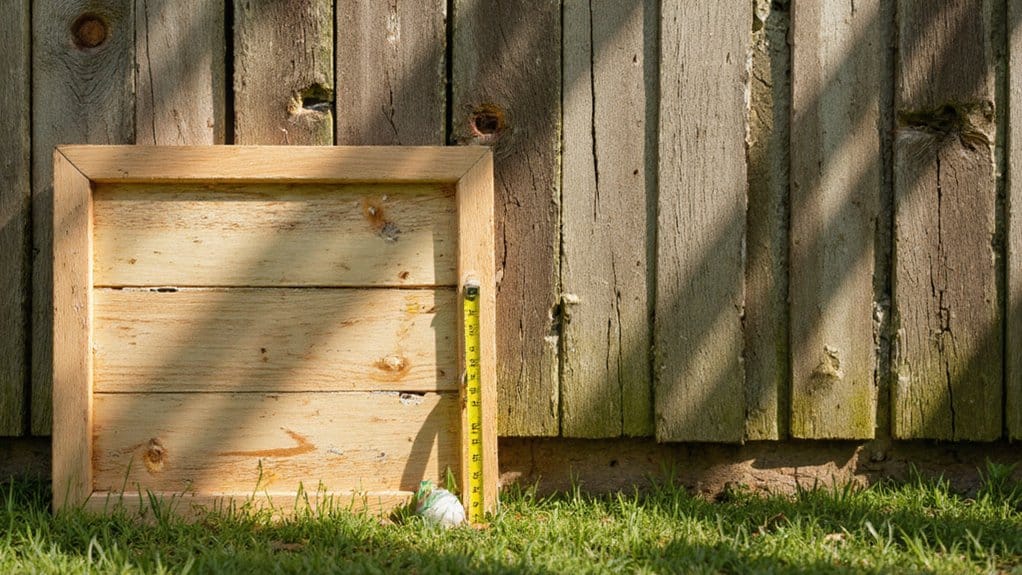
Cost is one of the biggest factors when deciding what to do with a damaged fence.
Start by looking at the repairs your fence actually needs. A few loose boards, damaged pickets, or a single leaning post usually cost much less than installing a brand-new fence.
Think beyond the immediate repair bill, though. If your fence has required several repairs during the past few years, those costs can quickly add up. Spending money repeatedly on an aging fence may not be the smartest long-term decision.
Replacement involves a larger initial investment, but it often comes with lower maintenance costs and a longer lifespan. A new fence may also improve the appearance of your property, which can be helpful if you’re planning to sell your home in the future.
Comparing both the short-term and long-term costs will help you choose the option that offers the better value.
Best Materials for Fence Repair and Replacement
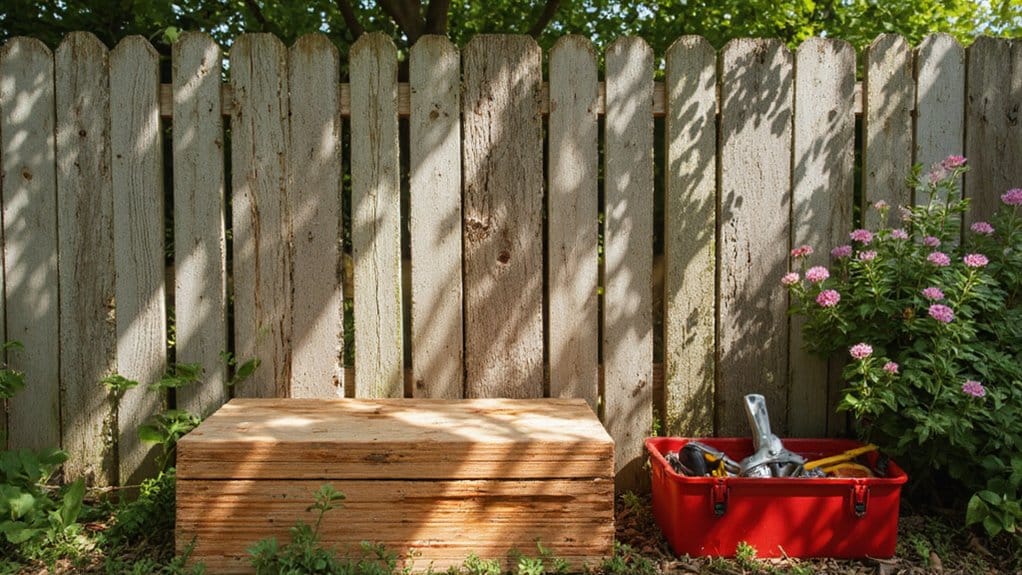
The materials you choose affect both the appearance of your fence and the amount of maintenance it will need.
Wood remains a popular option because it offers a natural look and can usually be repaired without replacing the entire fence. It does require regular staining, sealing, or painting to protect it from moisture and insects.
Vinyl has become a common choice for homeowners who want less maintenance. It resists rot, doesn’t require painting, and holds up well against many weather conditions.
Metal fencing, including aluminum and wrought iron, offers excellent durability and security. Although the initial cost is often higher, these materials can last for many years when properly maintained.
The best choice depends on your budget, the style of your property, and how much maintenance you’re willing to handle over time.
Assessing Weather’s Impact on Fence Longevity
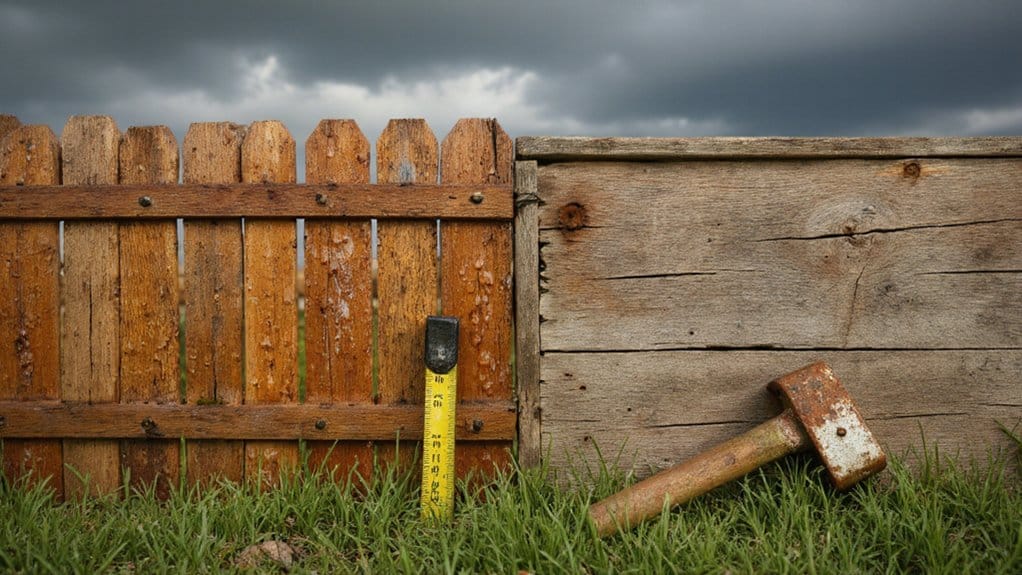
Your local climate has a direct effect on how long your fence will last.
Frequent rain can cause wooden fences to absorb moisture, leading to rot and mold if the wood isn’t protected. Strong sunlight may dry out wood and cause it to crack, while prolonged heat can sometimes warp vinyl fencing.
Winter weather creates its own challenges. Snow, ice, and repeated freezing and thawing can shift fence posts and weaken their support. Strong winds may loosen panels or damage older sections that have already started to weaken.
Checking your fence after major storms is a good habit. Look for loose boards, leaning posts, or any signs that the weather has affected its structure.
Regular maintenance helps reduce weather-related damage and keeps your fence in good condition throughout the year.
Understanding Local Regulations for Fence Installation
Before repairing or replacing a fence, take time to review your local regulations.
Many cities and neighborhoods have rules covering fence height, placement, and approved materials. Some locations also require permits before construction begins.
Ignoring these requirements can create unnecessary problems later. You could be asked to modify or even remove a fence that doesn’t meet local standards.
A quick call to your local building department or a visit to its website can help you understand the rules before work begins. Confirming these details early makes the project much smoother.
Finding the Right Pro for Your Fence Project
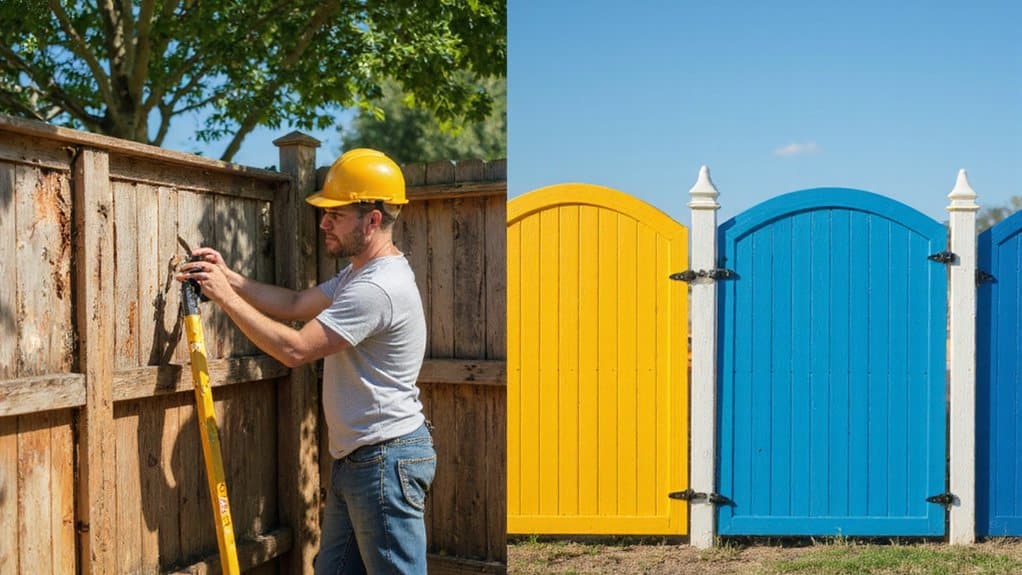
Choosing the right contractor is just as important as deciding whether to repair or replace your fence.
Start by asking friends, neighbors, or family members for recommendations. Online reviews can also provide helpful feedback from previous customers.
Once you’ve found a few contractors, compare their estimates carefully. Price matters, but so does experience, workmanship, and communication.
Always verify that the contractor is properly licensed and insured. Ask about similar projects they’ve completed and request references if needed.
Taking a little extra time during the selection process can help you avoid unexpected problems and give you confidence that the work will be completed properly.
Maintenance Tips to Extend Your Fence’s Life
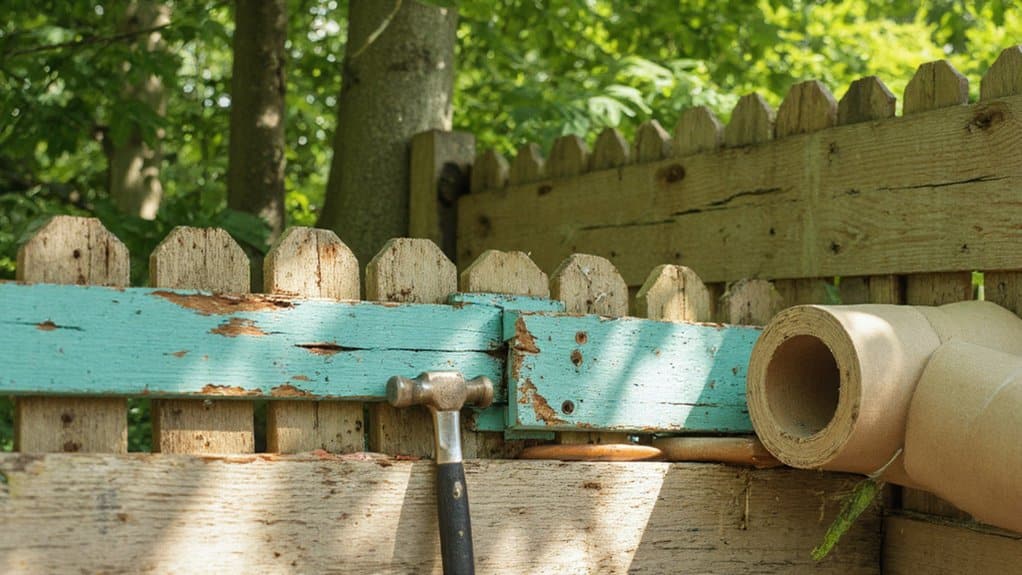
A well-maintained fence can last much longer than one that’s ignored. Simple maintenance performed throughout the year helps prevent many common problems.
Regular Cleaning Schedule
Cleaning your fence removes dirt, mold, mildew, and debris that can slowly damage the surface.
Wood fences can usually be cleaned with mild soap and water or a pressure washer used on an appropriate setting. Vinyl fencing also benefits from occasional washing to remove stains and buildup.
Cleaning your fence in the spring and again in the fall gives you a good opportunity to inspect it for early signs of damage before they become larger issues.
Prompt Damage Repairs
Small problems rarely stay small for long.
Inspect your fence regularly for cracked boards, loose fasteners, leaning posts, peeling paint, or damaged hardware. Addressing these issues as soon as they appear often prevents more expensive repairs later.
Minor repairs may involve replacing a single board, tightening screws, sealing cracks, or installing new gate hardware. Matching replacement materials with the existing fence helps maintain a consistent appearance.
Staying on top of routine maintenance keeps your fence stronger, safer, and more attractive throughout its lifespan.
Frequently Asked Questions
How Long Does a Typical Fence Repair Take?
Most fence repairs take between one and three days, depending on the amount of damage and the type of fence. Small repairs are usually completed much faster than large structural repairs.
Can I Repair My Fence Myself or Hire a Professional?
Simple repairs, such as replacing a board or tightening loose hardware, may be suitable for homeowners with basic tools. Larger repairs involving fence posts, extensive damage, or structural issues are often better handled by an experienced professional.
What Tools Are Needed for Fence Repair?
Common fence repair tools include a hammer, drill, saw, level, shovel, measuring tape, and replacement fasteners. The exact tools depend on the type of fence and the repair being completed.
How Do I Choose the Right Repair Materials?
Choose materials that match your existing fence whenever possible. Consider durability, appearance, maintenance requirements, and your budget before making a final decision.
What Are Common Signs of a Failing Fence?
Watch for leaning sections, loose posts, cracked or broken boards, wood rot, rust, peeling paint, insect damage, and panels that no longer provide proper support. These are common signs that your fence needs attention.
Conclusion
Deciding between fence repair and replacement comes down to the overall condition of your fence, its age, and the cost of fixing the damage. Small, isolated problems can often be repaired without replacing the entire structure. On the other hand, widespread damage or an aging fence may make replacement the better long-term investment.
Taking time to inspect your fence, comparing repair and replacement costs, and keeping up with regular maintenance will help you make the right decision. Whether you repair or replace, staying ahead of problems will keep your fence looking good and performing well for years to come.