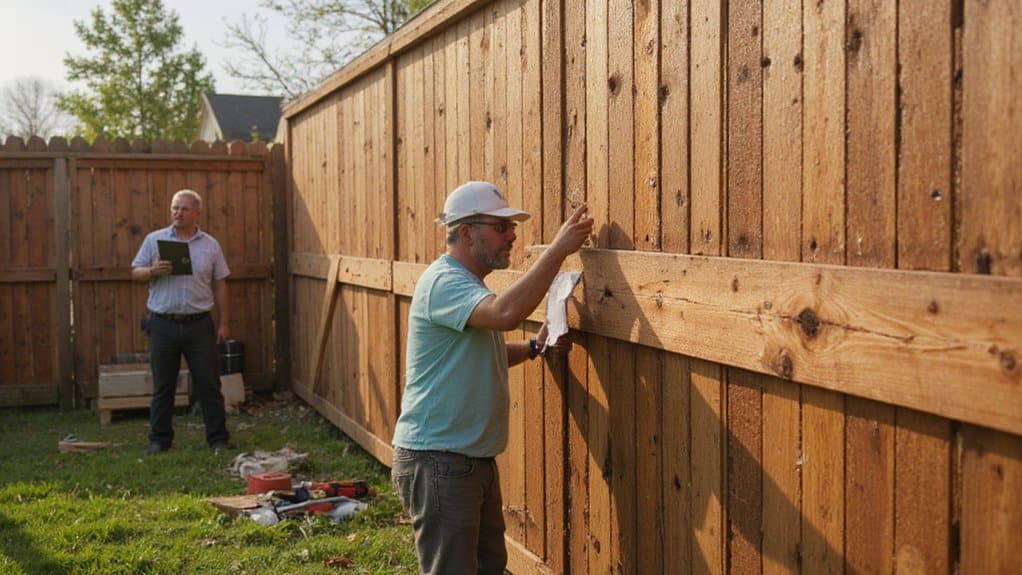
When you’re considering hiring a fence contractor, asking the right questions can save you stress, delays, and extra costs later. A fence may look simple from the outside, but the work behind it involves planning, materials, permits, timelines, and proper installation. The contractor you choose plays a huge part in how well the project turns out.
Before signing any agreement, take time to learn more about the contractor’s experience, communication style, pricing, and process. The answers you get will help you decide whether you’re working with someone trustworthy and capable.
Here are the most important questions to ask before moving forward with your fencing project.
Key Takeaways
- Ask about the contractor’s experience and past work to understand their background.
- Request client references to learn how they handle projects and communication.
- Discuss fencing materials, maintenance needs, and long-term durability.
- Make sure they understand local permits and regulations.
- Review warranties, payment terms, and how they manage unexpected issues.
What Experience Do You Have as a Fence Contractor?
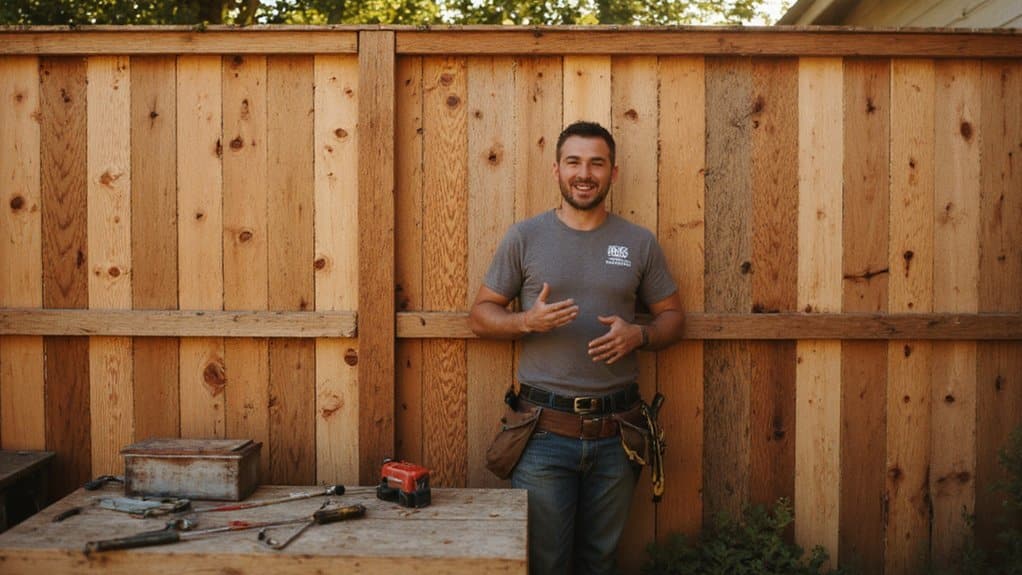
One of the first things you should ask is how long the contractor has been installing fences. Experience matters because fence installation involves more than placing posts in the ground. Soil conditions, property lines, drainage, and local rules can all affect the project.
An experienced contractor should be comfortable working with different fencing styles and materials. They should also explain their process clearly and answer your questions without hesitation.
Ask about the types of projects they handle most often. Some contractors focus on residential fencing, while others work mainly on commercial properties. You can also ask whether they’ve worked with fences similar to the one you want.
Past project examples can tell you a lot. A contractor who proudly shares previous work usually has confidence in the quality of their installation.
Pay attention to how they explain things. Clear communication early on often leads to a smoother project from start to finish.
Can You Share Some Client References?
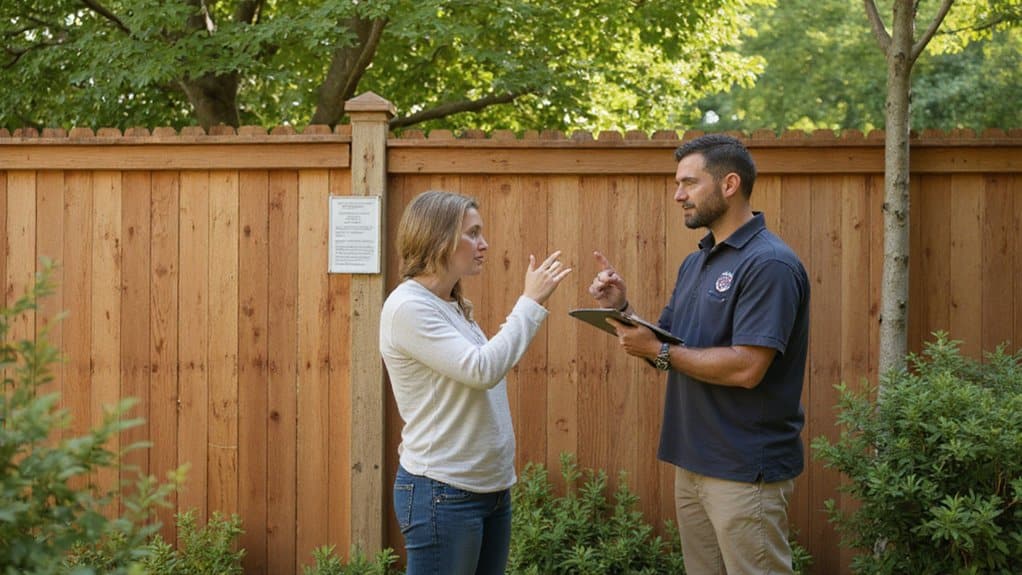
References give you a better idea of what it’s actually like to work with the contractor.
A company may look great online, but hearing directly from previous customers can reveal details you won’t find in marketing materials. Ask if they can provide contact information for recent clients or examples of completed projects.
When speaking with references, ask simple questions:
- Did the contractor finish on time?
- Were there unexpected costs?
- How well did they communicate?
- Would they hire the contractor again?
These conversations can help you spot patterns. If multiple clients mention delays, poor communication, or unfinished work, that’s worth paying attention to.
Good contractors usually have satisfied customers who are happy to speak about their experience.
What Types of Fencing Materials Do You Recommend?
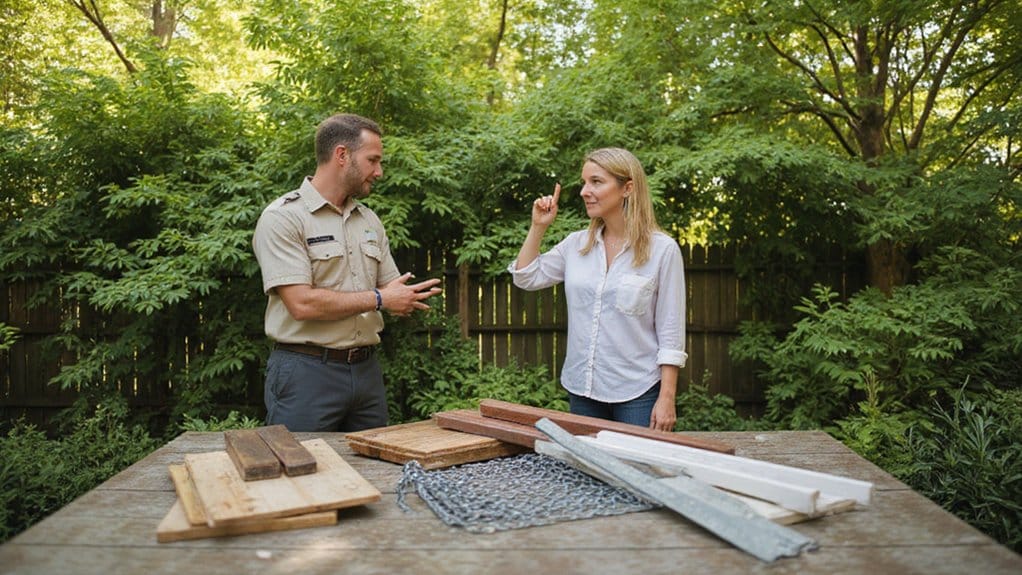
Fence materials affect appearance, durability, maintenance, and overall cost. A contractor should walk you through the pros and cons of each option instead of pushing one choice immediately.
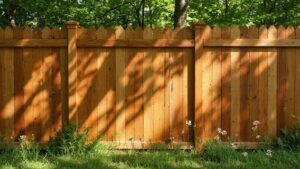
Wood fencing remains popular because of its traditional appearance and privacy. Still, it requires regular sealing or staining to protect it from moisture and weather damage.
Vinyl fencing needs less maintenance and holds up well over time. Many homeowners choose it for its clean appearance and long lifespan.
Chain-link fencing is affordable and practical, especially for large areas or security needs. Aluminum and steel fences offer strength and a more decorative look.
Composite fencing combines recycled wood fibers and plastic for a modern finish with less maintenance than wood.
Ask the contractor which material works best for your climate, property layout, and budget. Their recommendations should match your goals, not just what’s easiest to install.
Durability and Maintenance Considerations
Different materials require different levels of upkeep. Before making a choice, ask how much maintenance your fence will need over the years.
Wood fences may need cleaning, sealing, and repairs from time to time. Vinyl fencing usually needs only occasional washing. Metal fencing may require rust protection depending on the material and local weather conditions.
Knowing what to expect helps you avoid surprises later. A lower upfront cost may end up becoming more expensive if maintenance needs are high.
A good contractor should explain how to extend the life of your fence and what problems to watch for over time.
Cost Comparisons and Budget Planning
Fence prices vary based on materials, labor, design, and property conditions. Ask your contractor for a detailed estimate that explains where your money is going.
For example, decorative designs, gates, uneven terrain, or difficult access points may increase costs.
Comparing material options can also help you stay within budget. Chain-link fencing often costs less than wood or vinyl, while custom metal fencing usually sits at the higher end of the price range.
Discuss your budget openly. A reliable contractor should help you find practical solutions without pressuring you into upgrades you don’t need.
What Costs Should I Expect in Your Estimate?
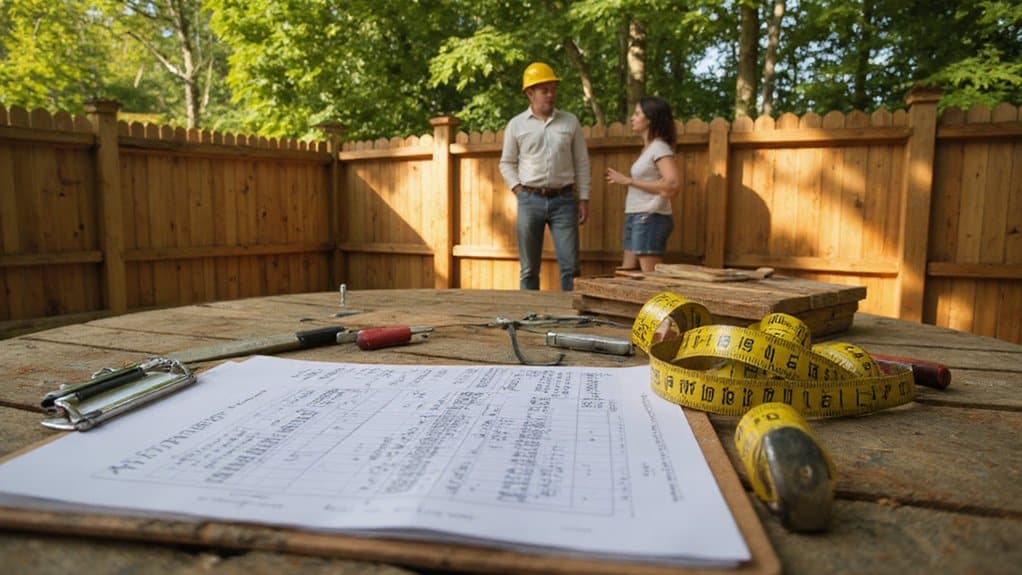
A detailed estimate protects both you and the contractor. It also reduces the chances of confusion later in the project.
Ask for a written estimate that includes:
- Material costs
- Labor charges
- Removal of old fencing
- Permit fees
- Cleanup costs
- Gate installation
- Additional hardware
The more detailed the estimate is, the easier it becomes to compare contractors fairly.
Labor and Installation Fees
Labor costs depend on the size of the project, fence type, terrain, and installation complexity.
For example, rocky ground or sloped yards may require more time and equipment. Custom fencing designs can also increase labor charges.
Ask how labor is calculated. Some contractors charge a flat project rate, while others break costs down by section or hour.
You should also ask how long the installation is expected to take. Clear timelines help you prepare for disruptions around your property.
Additional Expenses to Watch For
Unexpected costs can appear during almost any outdoor project. Hidden tree roots, underground utility lines, or drainage issues may require adjustments during installation.
Ask the contractor how they handle unexpected problems and whether these situations could affect pricing.
It’s also smart to ask whether cleanup and debris removal are included. Some estimates leave these items out, which can lead to surprise charges later.
Planning for possible extra costs helps you avoid frustration once work begins.
How Will You Handle Permits and Regulations?
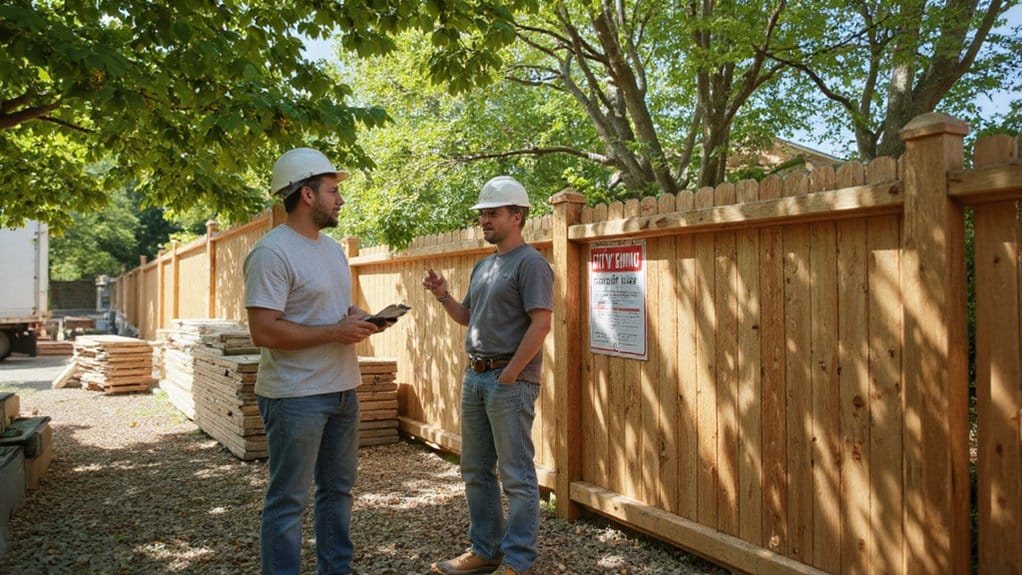
Fence installation often involves local building codes, zoning rules, and permit requirements.
An experienced contractor should already understand the regulations in your area. Ask whether they handle permits themselves or if you’ll need to apply separately.
They should also know about property setback requirements, fence height restrictions, and homeowner association rules if they apply to your neighborhood.
Handling permits correctly matters. Failing to follow local rules can lead to fines, delays, or forced fence removal later.
A contractor who takes care of permits for you can save time and reduce stress throughout the project.
What’s Your Timeline for Completion?
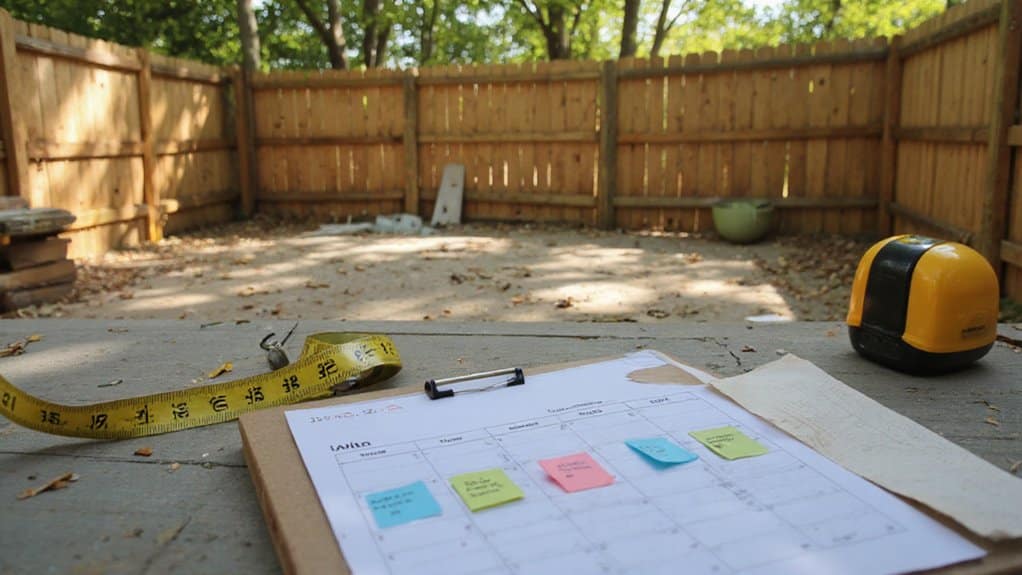
Every homeowner wants to know when the project will begin and when it will be finished.
Ask the contractor for an estimated schedule before work starts. This should include preparation, material delivery, installation, and cleanup.
Weather conditions, permit approvals, and material availability can affect timelines, so ask how they handle delays if they happen.
Reliable contractors usually provide updates throughout the project rather than leaving homeowners guessing.
Knowing the expected timeline also helps you plan around access to your yard, pets, landscaping, or other home projects happening at the same time.
Do You Offer a Warranty on Your Work?
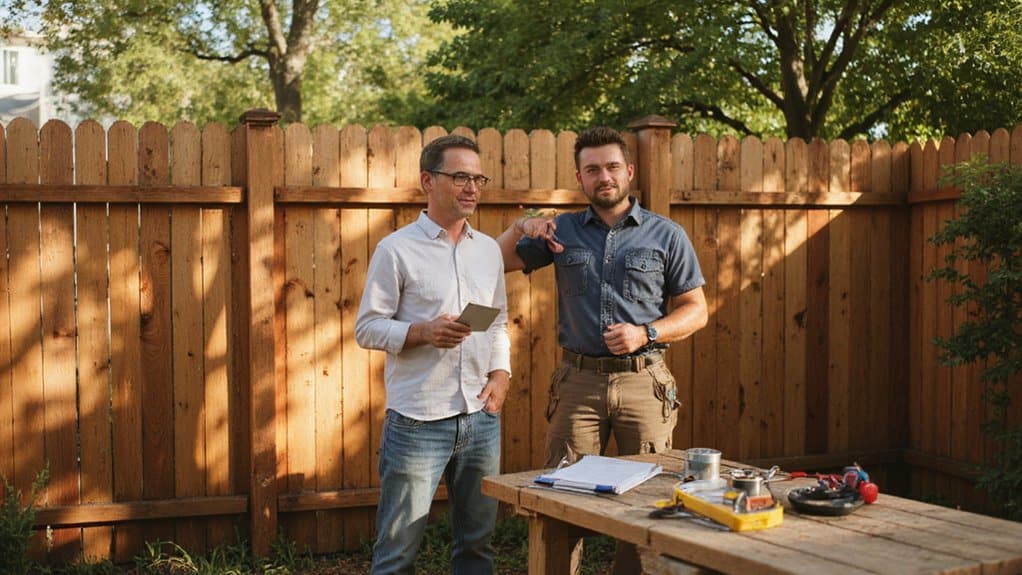
A warranty shows that the contractor stands behind their work.
Ask what the warranty covers and how long it lasts. Some warranties apply only to installation, while others also include materials.
You should also ask what situations are excluded from coverage. Damage caused by storms, accidents, or improper maintenance may not be included.
Understanding the warranty process matters too. Ask how claims are handled if problems appear after installation.
A contractor who clearly explains warranty coverage usually values customer satisfaction and long-term workmanship.
How Do You Handle Changes or Unforeseen Issues?
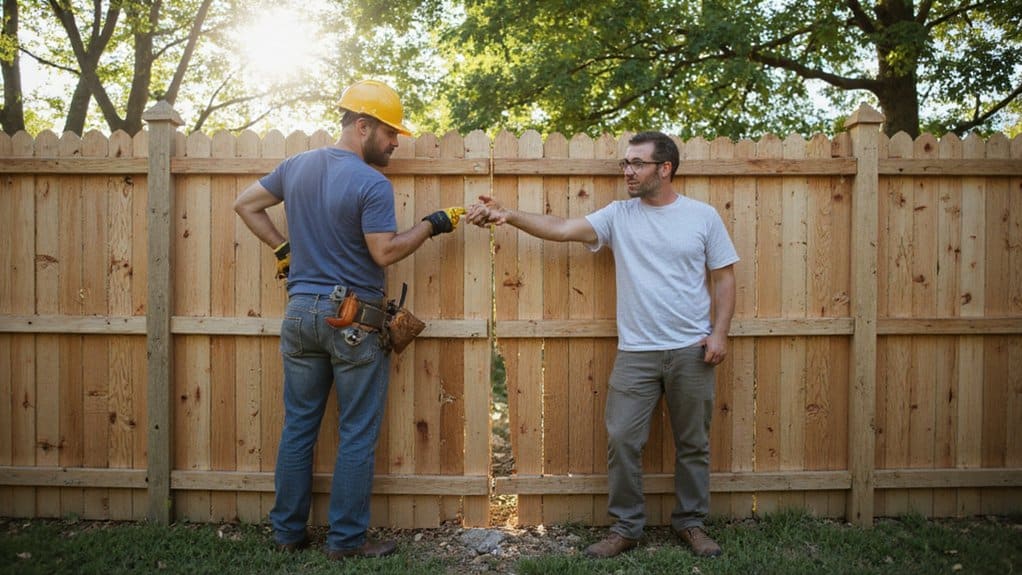
Outdoor projects don’t always go exactly as planned. Weather, hidden obstacles, or property issues can affect installation once work begins.
Ask the contractor how they handle changes during the project. Good communication becomes especially important when unexpected issues come up.
You’ll want to know:
- How quickly will they notify you?
- Will pricing changes be discussed before extra work begins?
- How do they keep projects moving during delays?
Contractors with solid problem-solving skills usually stay calm under pressure and explain solutions clearly.
Knowing how they respond to challenges can give you confidence before the project even starts.
What Is Your Payment Structure?
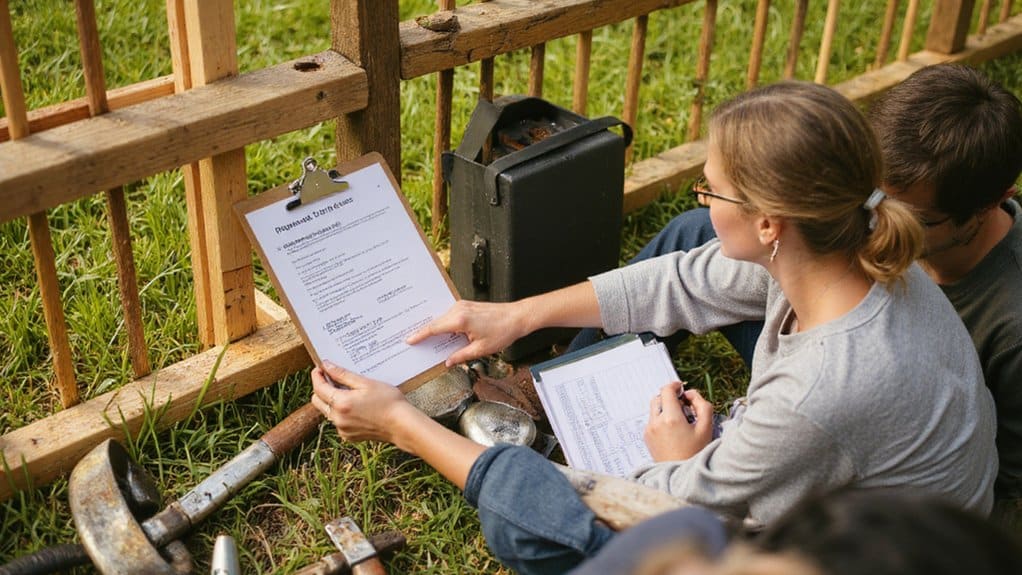
Before signing any agreement, ask how payments are handled.
Most contractors require a deposit upfront, especially when ordering materials. Still, the full payment should rarely be due before work begins.
Ask whether payments are divided into stages based on project progress. This setup often protects both parties and keeps expectations clear.
You should also ask about accepted payment methods and whether additional fees may apply.
Most importantly, get all payment terms in writing. A written agreement helps prevent confusion and gives you a clear record of the arrangement.
Frequently Asked Questions
What Safety Measures Do You Follow During Installation?
Fence contractors should use protective equipment, secure work areas, and follow local safety guidelines during installation. Safety practices help reduce accidents and property damage during the project.
Do You Offer Maintenance Services After Installation?
Some contractors provide ongoing maintenance or repair services after installation. Ask whether they handle inspections, repairs, staining, or cleaning for long-term fence care.
How Do You Check Material Quality?
Good contractors work with trusted suppliers and inspect materials before installation. This helps reduce defects and improves the lifespan of the fence.
What Happens if I Have a Complaint During the Project?
Ask how they handle customer concerns. Reliable contractors usually respond quickly, explain the situation clearly, and work toward a fair solution.
Are You Licensed, Insured, and Bonded?
Always confirm that the contractor carries proper insurance and licensing for fence installation work. This protects you if accidents or property damage occur during the project.
Conclusion
Hiring the right fence contractor starts with asking the right questions. Learning about their experience, pricing, materials, warranties, and communication style can help you avoid costly problems later.
A fence is a long-term addition to your property, so it’s worth taking time to choose someone who takes the work seriously. Clear answers, written estimates, and honest communication usually point to a contractor you can trust.
When you feel comfortable with the contractor and understand the full scope of the project, you’ll move forward with far more confidence.