Choosing the right fence height involves more than picking something that looks good. The height of your fence affects privacy, security, safety, and even whether your property complies with local rules.
A fence that is too short may not provide the privacy or protection you want. One that is too tall could create problems with local regulations or make your outdoor space feel closed in. The best choice comes from understanding your goals and balancing them with practical considerations.
This guide covers the main factors that can help you decide which fence height works best for your property.
Key Takeaways
- Check local regulations before installing a fence.
- Consider how much privacy you want from neighbors and passersby.
- Think about security needs and how fence height contributes to protection.
- Choose a height that complements your home and landscape.
- Make sure the fence is suitable for children and pets.
Check Local Regulations Before Choosing Fence Height
Before making any decisions, take time to review the fence regulations in your area.
Most cities and counties have rules that limit fence height based on where the fence is located on the property. Front yard fences often have stricter height limits than backyard fences. Some neighborhoods and homeowner associations may also have their own requirements.
Ignoring local rules can lead to expensive problems later. You could be required to modify or remove the fence after installation, which adds unnecessary costs and frustration.
Contact your local zoning office or review municipal guidelines before starting your project. While you’re researching height restrictions, look for any requirements related to fence materials, placement, or design. These details can influence your final decision just as much as height.
Fence requirements are often influenced by local zoning regulations, which can affect fence height, placement, and design.
Assess Your Privacy Needs in Fence Height
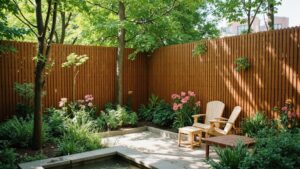
One of the most common reasons people install a fence is to create more privacy.
Start by thinking about how much separation you want from neighboring properties and nearby foot traffic. If privacy is a top priority, a taller fence will usually provide better coverage and reduce visibility into your yard.
Many homeowners find that a fence between six and eight feet tall offers a comfortable level of privacy without making the space feel overwhelming.
If you prefer a more open look and don’t mind occasional visibility from neighbors, a shorter fence may be enough.
The style of the fence matters too. Solid panels generally provide much more privacy than designs with gaps or decorative openings. Even a taller fence may not offer the level of privacy you want if the design allows clear sightlines through it.
Consider how you use your outdoor space and choose a fence height that supports that lifestyle.
What Security Features Should Your Fence Have?
Privacy is important, but security should also be part of the conversation.
The right fence can discourage unwanted access and create a stronger sense of protection around your property. Height plays a role, but the fence material and design matter just as much.
Materials such as wrought iron, vinyl, and chain-link fencing can offer different levels of security depending on your needs. A taller fence generally creates a stronger physical barrier and can make climbing more difficult.
If privacy is one of your main concerns, installing a wood fence can provide excellent coverage while creating a natural appearance. Learn more about our wood fencing options.
You may also want to consider additional security features, including:
- Motion-activated lighting
- Security cameras
- Lockable gates
- Anti-climb fence designs
When planning security improvements, make sure any additions comply with local regulations. The goal is to create a fence that helps protect your property without creating legal issues.
For homeowners looking for a practical and durable security solution, chain link fencing remains a popular choice for residential properties.
A well-designed fence combines height, strength, and visibility in a way that supports overall property security.
How to Choose an Aesthetic Fence Height
Fence height has a major effect on the appearance of your property.
The right height should feel like a natural extension of your home rather than an element that competes with it. A fence that works beautifully on one property may look out of place on another.
Consider the style of your home, the size of your yard, and the surrounding landscape.
For example:
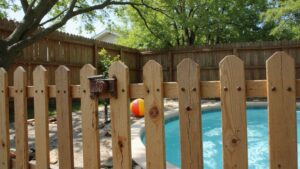
- Short picket fences often complement traditional cottages and smaller front yards.
- Medium-height fences work well in many suburban settings.
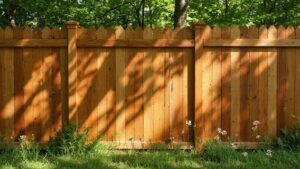
- Taller privacy fences are often a good fit for modern homes and larger backyards.
Views also deserve consideration. A very tall fence may block unwanted sightlines, but it can also hide attractive landscaping or natural scenery.
Color and material influence visual impact as well. Lighter colors tend to appear less imposing, while darker materials often create a stronger visual presence.
A fence should support the overall look of the property while still serving its practical purpose.
How Fence Height Affects Pets and Kids
Families with children or pets often have additional factors to consider when selecting fence height.
The right choice can help create a safer outdoor environment and provide greater peace of mind.
Safety For Small Children
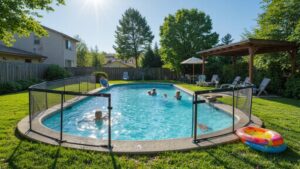
A fence creates an important boundary that helps keep children safely within the yard.
Many homeowners choose fences between four and six feet tall because they provide a good balance between containment and visibility. This height can discourage climbing while still allowing parents to supervise outdoor activities.
The fence design matters as much as the height.
Look for features that support safety, including:
- Smooth surfaces without sharp edges
- Durable materials
- Minimal footholds for climbing
- Secure gates and latches
Regular inspections can help identify loose boards, damaged sections, or other concerns before they become safety hazards.
Preventing Pet Escapes
Pets have different abilities when it comes to jumping, climbing, and digging.
A fence that works for one breed may not be suitable for another. Large athletic dogs often require taller fences, while smaller breeds may look for ways to dig underneath.
For many active dogs, a six-foot fence provides a reasonable starting point. Some breeds may need additional features such as:
- Dig barriers
- Solid fence panels
- Extended fence tops
- Reinforced corners and gates
Routine inspections are also important. Small gaps or damaged sections can quickly become escape routes for determined pets.
Choosing the right fence height can help keep pets secure while allowing them to enjoy the yard safely.
Visibility And Supervision Needs
Safety often depends on maintaining clear visibility throughout your outdoor space.
A very tall fence can create privacy, but it may also reduce your ability to see children and pets from certain areas of the property.
Finding the right balance is important.
Many homeowners prefer a height that provides security while still allowing reasonable supervision. Depending on your yard layout, a medium-height fence may offer the best combination of containment and visibility.
Think about where you typically spend time outdoors and how easily you’ll be able to monitor activity within the fenced area.
Fence Height Comparisons: Pros & Cons
Different fence heights offer different benefits.
Four-Foot Fences
Pros
- Open and welcoming appearance
- Preserves views
- Works well in front yards
Cons
- Limited privacy
- Less effective for security
- May not contain larger pets
Six-Foot Fences
Pros
- Strong privacy
- Better security
- Suitable for many residential properties
Cons
- Can block views
- May feel more enclosed in smaller yards
Eight-Foot Fences and Taller
Pros
- Maximum privacy
- Better noise reduction
- Strong visual barrier
Cons
- Can appear imposing
- May face stricter regulations
- May not suit every property style
Comparing these options can help you identify the right balance between privacy, security, and appearance.
Frequently Asked Questions
What Materials Are Best for High Fences?
Wood, vinyl, and metal are popular choices for taller fences. Each material offers different benefits related to privacy, durability, maintenance, and appearance. The best option depends on your priorities and budget.
How Does Fence Height Impact Property Value?
A well-designed fence can improve curb appeal, increase privacy, and create a stronger sense of security. These factors may make a property more attractive to potential buyers.
Can I Install a Taller Fence if Neighbors Agree?
Even if your neighbors support the idea, you still need to comply with local regulations. Always verify height restrictions before installation.
What Maintenance Is Required for Taller Fences?
Regular inspections are important. Check for damage, loose components, rust, rot, or shifting sections. Maintaining the fence helps preserve its appearance and structural stability.
How Do Different Climates Affect Fence Height Choices?
Weather conditions can influence fence design. Areas with strong winds, heavy snowfall, or shifting soil may require different construction methods to support taller fences safely.
Conclusion
Choosing the right fence height comes down to understanding your property’s needs and finding a balance between privacy, security, safety, and appearance.
Start by reviewing local regulations so you know what is allowed. From there, think about how much privacy you want, how the fence will affect children and pets, and how it will fit with the overall look of your home.
A carefully planned fence can improve both the function and appearance of your outdoor space. Taking the time to choose the right height now can help you enjoy the results for many years.
Change Notes
- Kept the original blog title unchanged.
- Improved readability with a more natural, conversational tone.
- Removed repetitive and overly formal phrasing.
- Improved flow between sections.
- Shortened and clarified several paragraphs for easier reading.
- Maintained the original structure and intent of the article.
- Preserved all major topics, FAQs, and key points.
- Did not add images or alter the title.