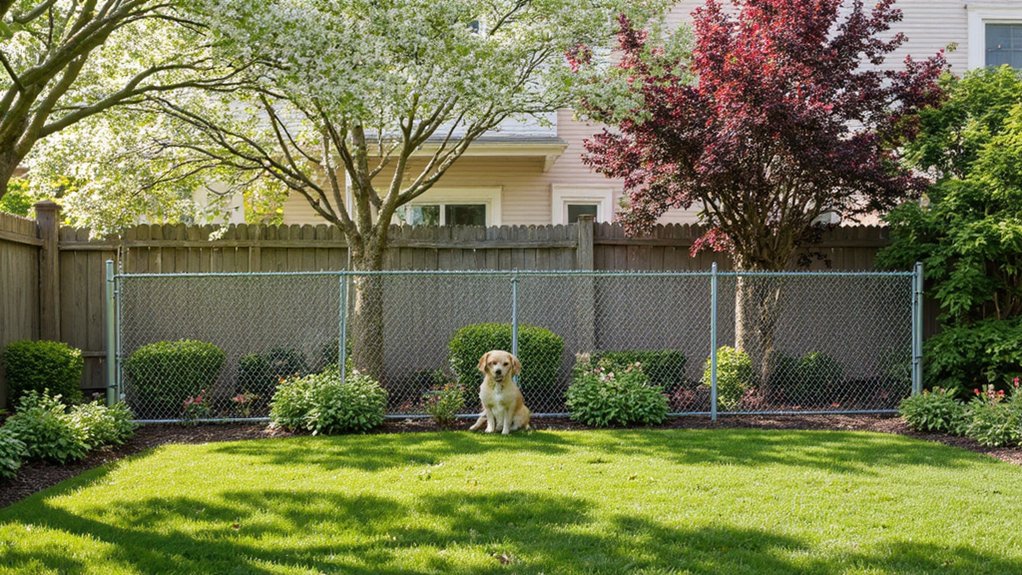
When you’re choosing a fence for your home, chain link fencing is worth considering for its durability, affordability, and simple design. It creates a clear boundary around your property while keeping the area visible from both sides.
That open design can be useful if you want to keep an eye on your yard, children, pets, or other areas around the home. At the same time, chain link fencing doesn’t offer the same level of privacy as wood or vinyl fencing.
Before choosing it for your property, it’s worth looking at the cost, maintenance, appearance, security, and privacy it provides.
Key Takeaways
- Chain link fencing creates a durable boundary around a residential property while keeping the yard visible.
- It is often less expensive to install than wood or vinyl fencing.
- Homeowners can choose different heights, gauges, coatings, and privacy options to suit their property.
- The open design allows sunlight and airflow into the yard, which can be useful for gardens and outdoor spaces.
- Chain link fencing requires relatively little upkeep when it is properly installed and maintained.
- Privacy can be a concern, but slats, screens, and other additions can make the fence less open.
Why Choose Chain Link Fencing for Your Home?
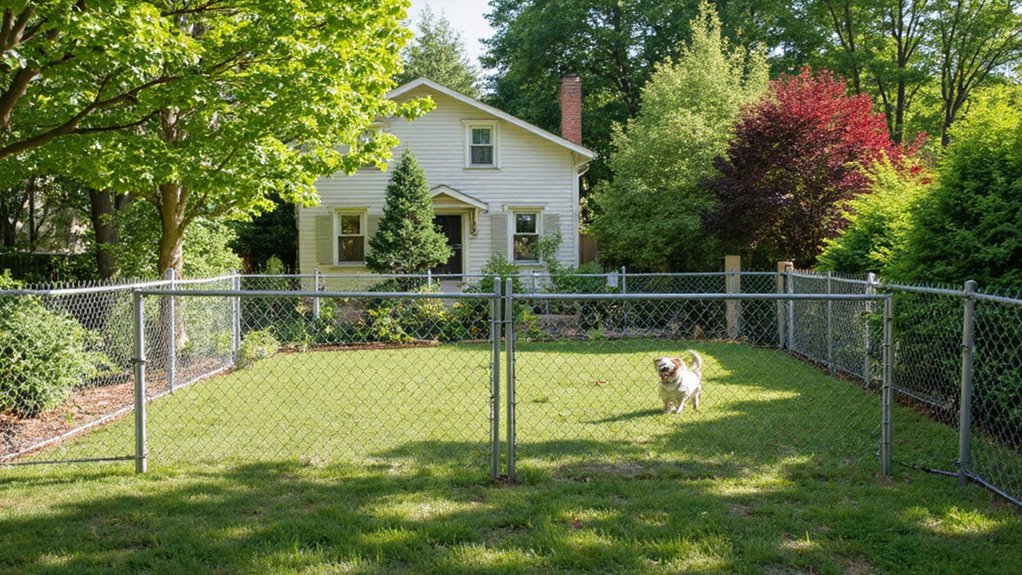
When you’re comparing fencing options for your home, chain link fencing offers a practical mix of strength, cost, and ease of maintenance.
One of its biggest advantages is that it creates a physical barrier without blocking your view. You can still see what’s happening around the property, which can be helpful when watching children or pets in the yard. The open design also makes it easier to see the area outside your fence.
Chain link fencing can be used for a range of residential applications. You might install it around the entire property, along a side yard, around a garden, or to create a separate area for pets.
The fence can also be adjusted to suit different property layouts. Heights can vary, and homeowners can choose different wire gauges depending on how much strength they need. Gates can be added wherever access is required.
Installation is another factor to consider. Compared with some heavier fencing materials, chain link can be relatively straightforward to install. A simpler installation can help keep labor costs down, especially when the property has an uncomplicated layout.
For homeowners who want a functional fence without a large amount of upkeep, chain link can make sense.
What Are Common Concerns About Chain Link Fencing?
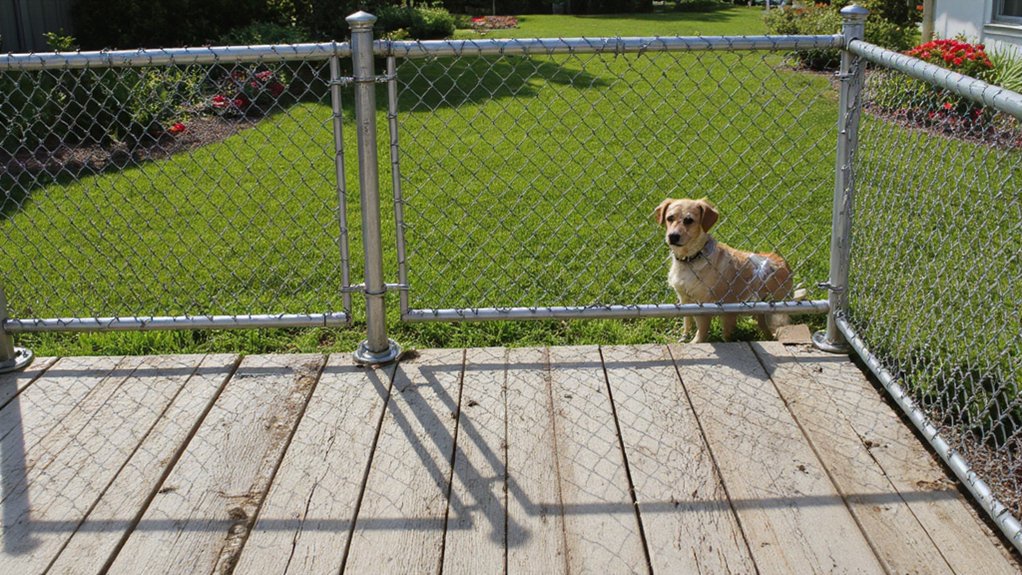
Chain link fencing has several practical benefits, but it isn’t the right fit for every home.
Privacy is one of the biggest concerns. Because the fence has an open mesh design, people outside the property can generally see through it. If you spend a lot of time in your backyard and want a more private outdoor space, a solid fence may be a better match.
The appearance can also be a concern. Some homeowners prefer the traditional look of wood or the cleaner appearance of vinyl. Standard galvanized chain link has a simple, utilitarian appearance that may not suit every home or landscape.
Security needs also deserve some thought. Chain link creates a physical boundary and can help keep pets and children within the yard, but it doesn’t provide the same visual barrier as a solid fence. It may also be easier to see items stored in the yard from outside the property.
These concerns don’t necessarily rule out chain link. Privacy slats, screens, landscaping, and climbing plants can help make the fence feel more enclosed. The right choice comes down to what you want the fence to do and how you want your yard to look.
How Much Does Chain Link Fencing Cost?
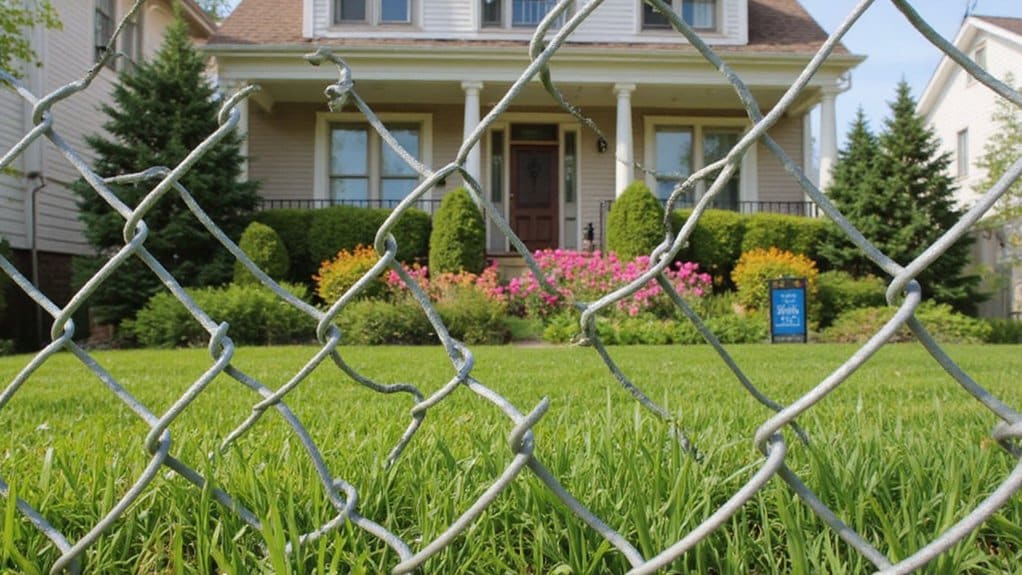
When you’re budgeting for a chain link fence, look beyond the price of the fencing material itself. The final cost can depend on the size of the area, fence height, wire gauge, coating, gates, labor, and any local permit requirements.
Initial Installation Expenses
Installing a chain link fence typically costs between $10 and $20 per linear foot, depending on materials and labor. Your actual price may vary based on the type of fence you choose and the conditions at your property.
The quality and type of material can affect the total cost. Galvanized steel, for example, is designed to resist corrosion and can provide years of service when properly maintained.
Labor is another part of the budget. A straightforward yard with clear access may be less complicated to work on than a property with slopes, trees, existing structures, or difficult ground conditions.
You should also include gates and other accessories when estimating the total price. Depending on local rules, permits may also add to the project cost.
Getting a few local estimates can give you a clearer idea of what the project will cost before you commit to a particular fence.
Ongoing Maintenance Costs
Chain link fencing generally requires less routine upkeep than many other residential fencing materials.
It’s still worth checking the fence from time to time for rust, bent sections, loose fittings, or damage caused by weather, animals, landscaping equipment, or other impacts. Small problems are usually easier to address before they spread.
Cleaning can also help keep the fence looking better. Dirt, leaves, and other debris can collect along the lower sections, especially near gardens and landscaped areas.
A vinyl-coated chain link fence is another option. The coating can add a different appearance while providing another layer of protection against outdoor conditions.
Keeping an eye on the fence and addressing minor problems as they appear can help prevent larger repair jobs later.
How Do You Maintain Chain Link Fencing?
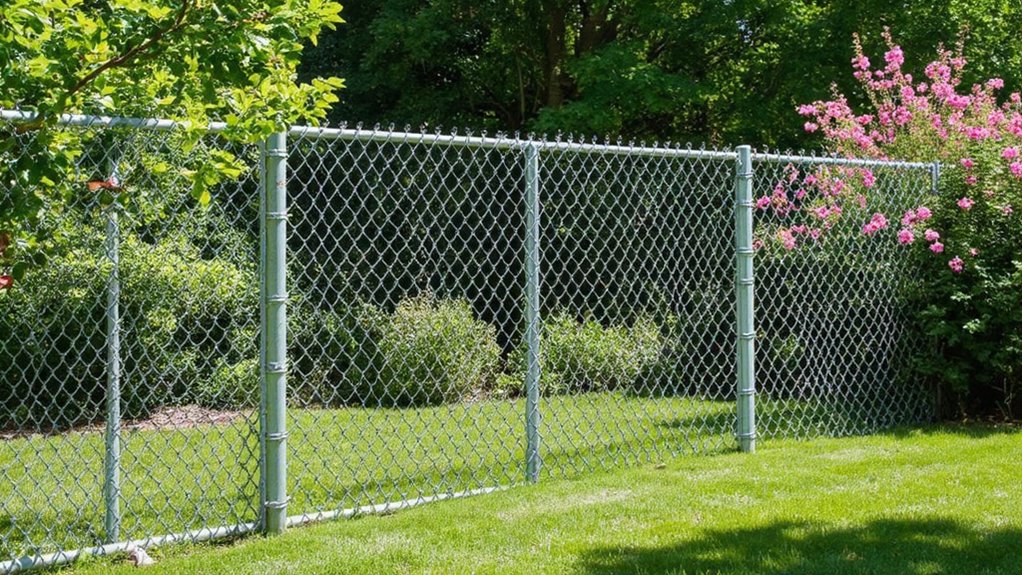
Chain link fencing doesn’t require a complicated maintenance routine, but regular checks can help keep it in good condition.
Start by looking along the fence for signs of rust, bent wire, damaged posts, or loose connections. Pay close attention to areas near gates, corners, and sections that receive frequent contact.
If you notice rust, deal with it early. A rust-inhibiting product can help protect the affected area. Follow the product directions and prepare the metal properly before applying any coating.
Painting can also change the appearance of an older chain link fence. If you decide to paint it, choose an exterior paint made for metal and prepare the surface before application.
Cleaning the fence periodically is another simple way to care for it. Soap and water can remove dirt and buildup from the mesh and posts. A soft brush can help with areas where debris has collected.
Check the hardware around gates and posts as well. Loose fittings can affect how the fence sits and how the gate operates. Tightening or replacing damaged hardware can help keep the fence stable.
How Does Chain Link Compare to Other Fencing Materials?
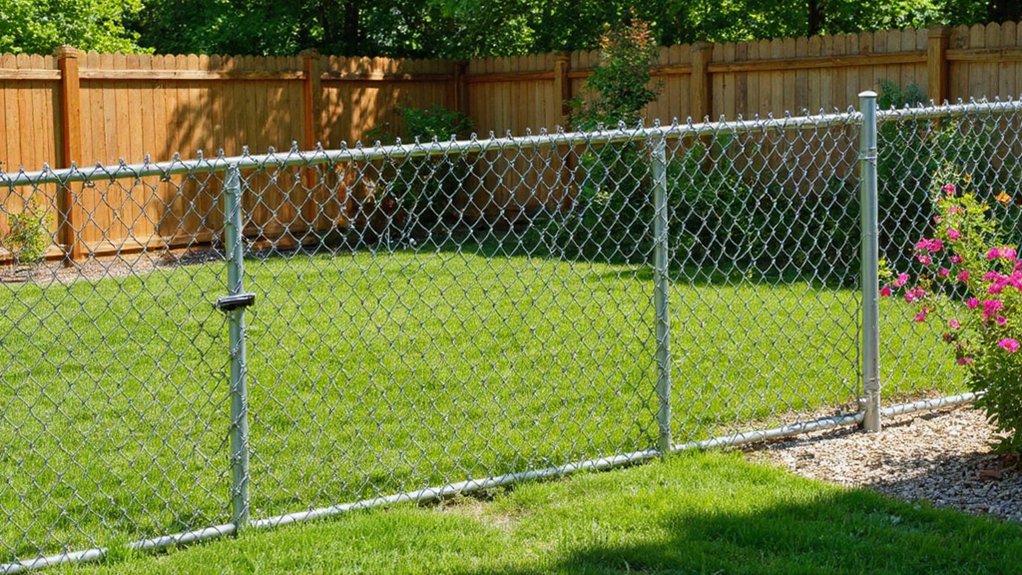
The right fencing material depends on what matters most to you. Chain link, wood, and vinyl each have different strengths, costs, and appearance.
Chain link is often chosen for its lower cost, durability, and relatively simple maintenance. Wood can provide more privacy and a traditional appearance, but it may need staining, sealing, or other care over time. Vinyl can offer a clean appearance and privacy, though its initial price can be higher in some cases.
Thinking about how you’ll use the yard can make the choice easier. A homeowner who wants to keep a dog contained may have different needs from someone who wants a private backyard for entertaining.
Cost-Effectiveness of Chain Link
Chain link fencing is often one of the more budget-friendly choices for residential properties. Material and installation costs can be lower than those of some wood or vinyl fencing options.
The design also keeps installation relatively straightforward on many properties. Fewer materials and less complicated construction can help reduce labor costs.
Long-term costs are another consideration. Chain link doesn’t need the same type of regular staining or sealing that some wood fences require. Routine cleaning and occasional repairs may be enough to keep a well-maintained fence in good condition.
The final price still depends on your property and the type of chain link fencing you choose. A taller fence, heavier gauge, upgraded coating, or additional gates can increase the total.
If keeping the project within a set budget is a major concern, chain link is worth including in your comparison.
Durability and Maintenance Needs
Chain link fencing is made to handle outdoor conditions and can last for many years when installed correctly.
Galvanized steel is commonly used because the zinc coating helps protect the metal from corrosion. Vinyl-coated options provide another finish and can give the fence a different appearance.
Unlike wood, chain link doesn’t rot or require regular staining. It also doesn’t have the same maintenance needs associated with some painted or sealed fencing materials.
A properly installed chain link fence can last 15 to 20 years or longer, depending on the materials, installation, climate, and level of maintenance.
That doesn’t mean it will never need repairs. Posts can shift, wire can bend, and gates can develop problems over time. Regular checks can help you catch these issues while they’re still manageable.
Aesthetic Appeal Comparison
Chain link fencing has a simple appearance, but that doesn’t mean you’re limited to one style.
Homeowners can choose different heights, wire gauges, coatings, and colors. Vinyl-coated chain link is available in several colors, which can make it easier to coordinate the fence with the home and surrounding landscape.
Privacy slats and screens can also change the look and function of the fence. Adding plants near the fence is another way to soften its appearance while keeping the open structure.
Wood and vinyl may offer a more finished or traditional appearance, especially when privacy is a priority. Chain link, on the other hand, keeps the yard open and allows sunlight and airflow to pass through.
For some properties, that open feeling is an advantage. For others, a solid fence may better match the home’s style and the homeowner’s privacy needs.
Is Chain Link Fencing the Right Choice for Your Property?
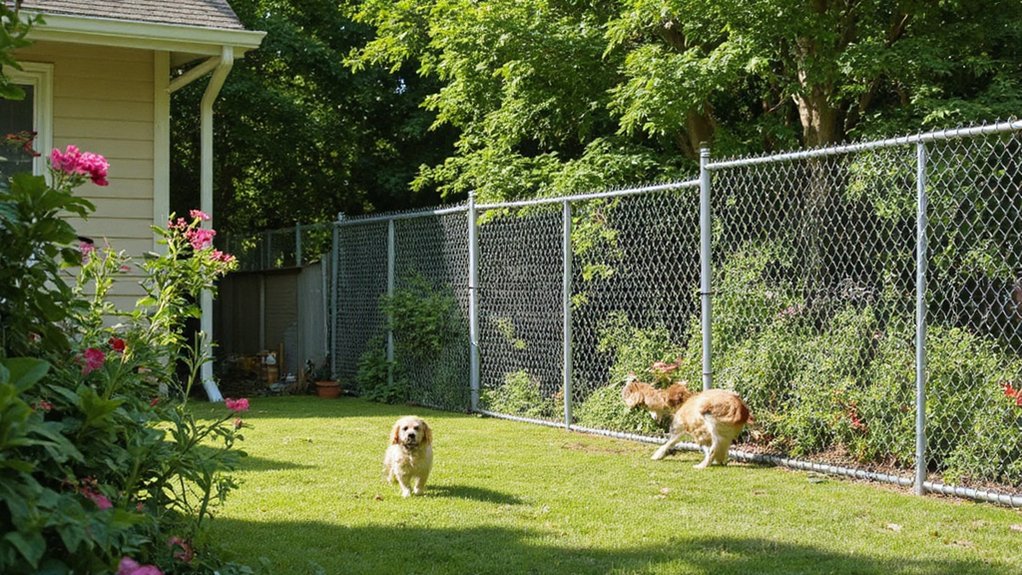
Whether chain link fencing is right for your home depends on what you expect from your fence.
If your main priorities are creating a clear property boundary, containing pets, securing a yard, and keeping costs manageable, chain link may be a good option. Its open design also lets you maintain visibility around the property.
Privacy is where you may need to make a compromise. Standard chain link doesn’t block views, so it won’t provide the same level of seclusion as a solid wood or vinyl fence.
You can add privacy slats, screens, or landscaping if you want more separation from nearby properties. These additions can change both the appearance and the amount of privacy the fence provides.
The fence height and wire gauge also matter. A heavier gauge can provide greater strength, while the right height depends on the purpose of the fence and any local requirements.
Proper installation is just as important as choosing the material, so a fence contractor can help ensure the posts, gates, and mesh are installed correctly. Posts need to be positioned and anchored correctly, and gates should be installed so they open, close, and latch properly.
Before starting the project, check local fencing rules to see whether permits, height limits, property setbacks, or other requirements apply.
For homeowners who want a durable, low-maintenance fence and don’t need complete privacy, chain link can be a practical choice.
Frequently Asked Questions
Can I Paint My Chain Link Fence?
Yes, you can paint a chain link fence. Before painting, clean the metal and remove loose rust or debris. Use a primer and exterior paint designed for metal when the product instructions call for them.
Check the fence periodically after painting. Touching up worn or damaged areas can help keep the finish looking consistent.
How Long Does Chain Link Fencing Last?
Chain link fencing typically lasts 15 to 20 years, although the lifespan can vary. Factors such as the quality of the material, installation, weather conditions, corrosion, and maintenance can all affect how long the fence remains in good condition.
Regular cleaning and inspections can help you spot rust, loose fittings, and damaged sections before they become larger problems.
Is Chain Link Fencing Eco-Friendly?
Chain link fencing is made from metal materials that can be recycled. Its long service life can also reduce the need for frequent replacement.
Recycling options can vary by location and manufacturer, so check with your local recycling facility or fencing supplier if you’re replacing an existing fence.
Does Chain Link Fencing Require a Permit?
Permit requirements vary by location. Some areas may have rules covering fence height, placement, property lines, or materials.
Before installing a fence, check with your local building or planning office to find out which rules apply to your property. Taking care of these requirements before construction can help prevent problems later.
Can Chain Link Fencing Be Installed DIY?
Yes, chain link fencing can be installed as a DIY project if you have the right tools, measurements, materials, and enough time for the work.
The project can involve setting posts, attaching the mesh, installing tension components, and fitting gates. Uneven ground, large properties, difficult soil, or complicated layouts can make the work more challenging.
Compare the cost of doing the work yourself with a professional installation before deciding which approach makes sense for your property.
Conclusion
Chain link fencing can be a practical choice for residential properties when durability, cost, visibility, and low maintenance matter more than complete privacy.
Its open design makes it useful for keeping pets and children within a yard while allowing homeowners to maintain a clear view of the surrounding area. It also allows sunlight and airflow to pass through, which can benefit gardens and outdoor spaces.
Privacy and appearance are the main areas where chain link may not suit every homeowner. Privacy slats, screens, landscaping, and different coatings can help address some of these concerns.
Before choosing a fence, consider your budget, property layout, privacy needs, desired appearance, and local fencing requirements. If those factors fit what you’re looking for, chain link fencing can be a sensible option for your home.