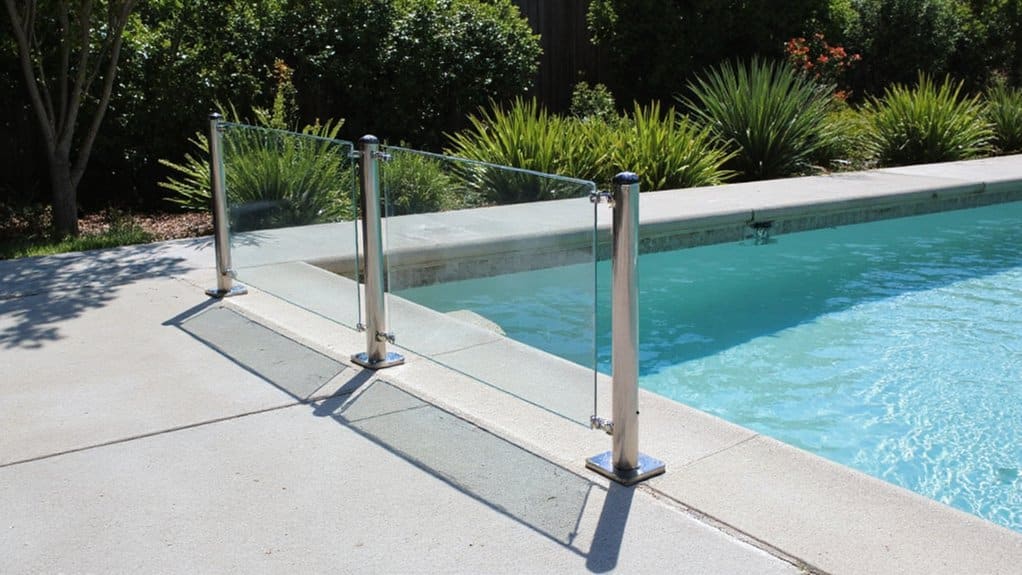
If you have a concrete deck around your pool, you may be wondering whether a pool fence can be installed without removing or rebuilding the surface. The good news is that concrete can provide a solid base for a pool fence when the right installation method is used.
The main things to consider are the condition of the concrete, the type of fence, the anchoring method, and the pool safety rules that apply in your area. A fence needs to stay firmly in place and provide a suitable barrier around the pool.
With proper planning, a pool fence can be installed on a concrete deck without compromising the appearance or function of the space.
Key Takeaways
- A pool fence can be installed on a concrete deck with suitable anchors, brackets, or other approved fixing methods.
- The concrete should be clean, sound, and free from major cracks or damage before installation.
- Fence height, spacing, gate design, and other safety requirements may be regulated by local authorities.
- Aluminum, glass, vinyl, and mesh are among the materials that may work well on concrete surfaces.
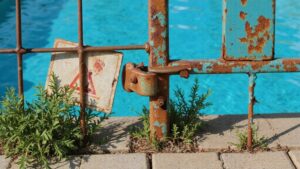
- Regular checks can help identify loose posts, damaged hardware, or other problems before they become more serious.
- Professional installation can be useful when the deck has unusual construction or when local requirements are difficult to interpret.
How to Install a Pool Fence on a Concrete Deck
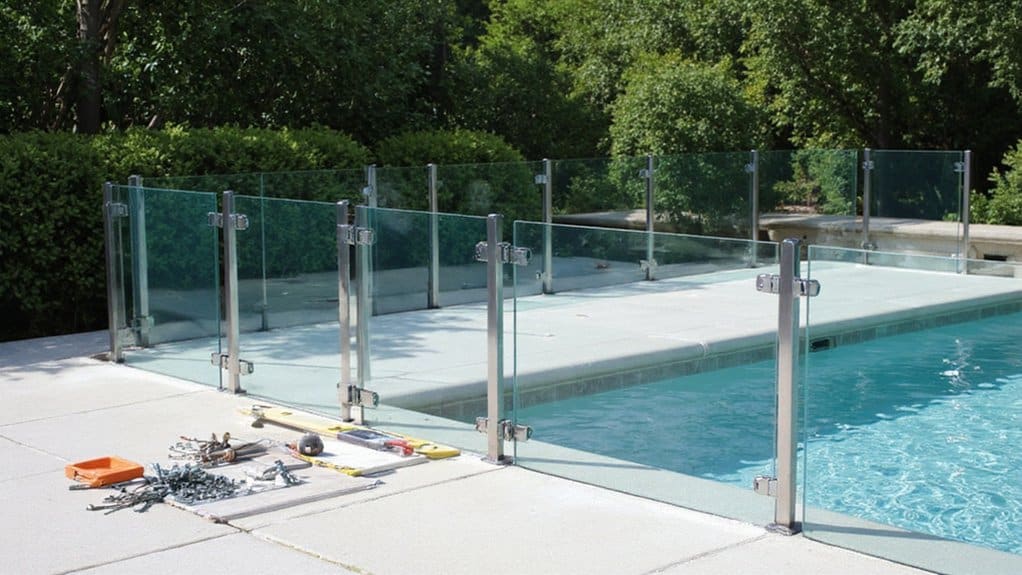
When installing a pool fence on concrete, the first step is to plan the layout carefully. Measure the area around the pool and mark where each post will be positioned. Accurate measurements help prevent uneven spacing and make the installation much easier.
The condition of the concrete also matters. Look for cracks, crumbling areas, loose sections, or other damage around the proposed mounting points. A fence should not be attached to a section of concrete that cannot provide a solid base.
Once the layout is established, select anchors and hardware that are designed for the fence system and the type of concrete being used. Some systems are secured by drilling into the deck, while others may use specialized brackets or approved adhesive systems.
When drilling is required, use the correct masonry bit and follow the fence manufacturer’s instructions for hole size and depth. Take care around existing plumbing, electrical lines, or other services that may be located beneath the deck.
After the posts are secured, check that they are straight and properly spaced. Attach the fence panels according to the manufacturer’s instructions, then inspect the completed barrier for movement, gaps, and alignment.
Best Types of Pool Fences for Concrete Surfaces
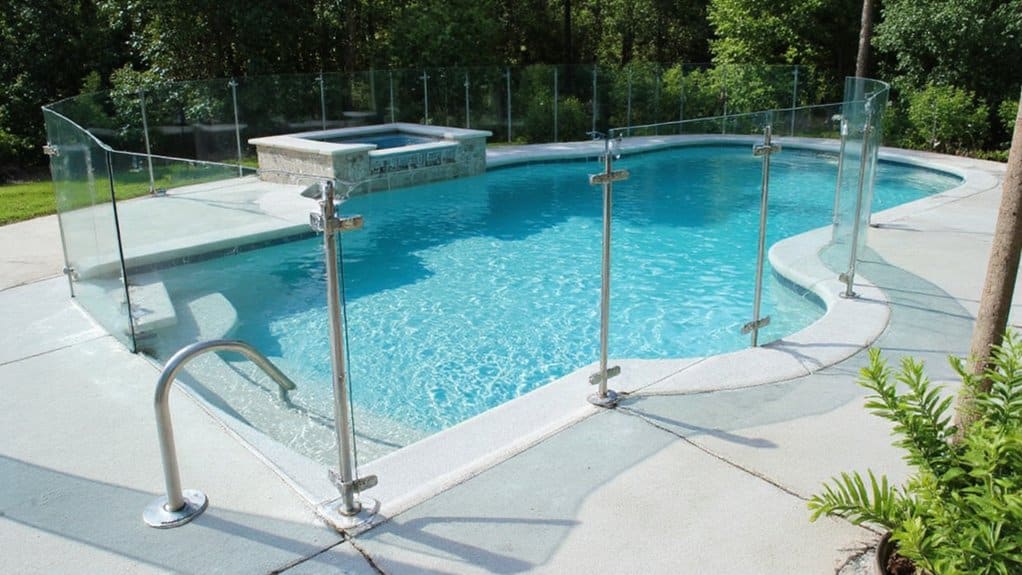
Several pool fence materials can work well on concrete surfaces. The right choice depends on the layout of the pool area, the look you want, maintenance needs, and local pool safety requirements.
Aluminum is a popular option because it is relatively lightweight and can provide a sturdy barrier. It also comes in a range of styles and finishes, which makes it easier to coordinate with an existing outdoor space.
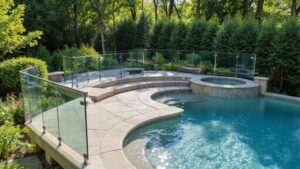
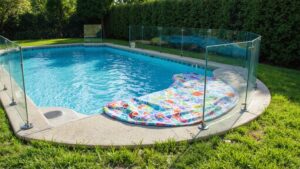
Glass fencing offers a different look. It provides a clear view across the pool area and can make the space feel open. Glass systems do require careful installation because the posts, panels, and mounting hardware need to be properly secured.
Vinyl can also be used in some pool fencing applications. It is available in different colors and styles and does not require the same type of upkeep as some other materials.
Mesh fencing is another option, especially when a less permanent barrier is preferred. Depending on the product, mesh systems may be designed for removable installation.
The material is only one part of the decision. Fence height, opening size, gate design, post spacing, and the way the fence attaches to the concrete all need to be considered before choosing a system.
Essential Regulations for Pool Fences on Concrete Decks
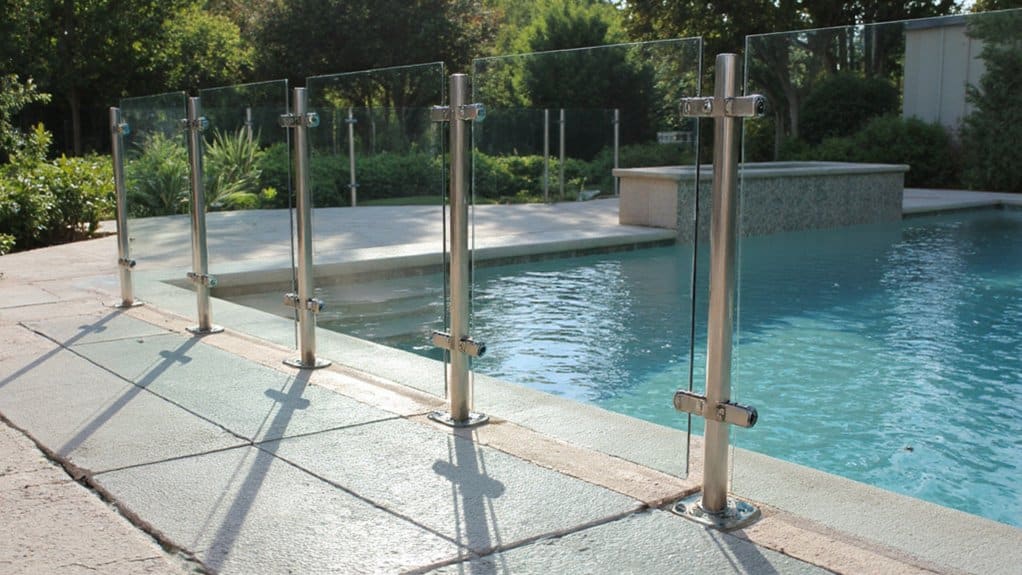
Pool fence requirements can vary from one location to another, so checking the rules that apply to your property should be part of the planning process.
Local authorities may have requirements covering fence height, spacing between vertical members, openings beneath the fence, gate operation, and the distance between the fence and the pool. Some areas may also have requirements for doors, windows, or other access points that lead toward the pool.
The fact that a fence can physically be attached to concrete does not automatically mean the finished installation meets local requirements. The complete barrier needs to meet the rules that apply to the pool and property.
Local Building Codes
Local building codes can determine how a pool fence needs to be designed and installed. Requirements can differ between cities, counties, states, and other jurisdictions.
Before drilling into the concrete, check with the appropriate local building department or authority. Ask about requirements for fence height, post spacing, gates, and any other features that may apply.
Some properties may also have homeowner association rules that affect fence style, placement, or materials. Checking these requirements before purchasing materials can help prevent unwanted changes later.
A fence that does not meet local rules may need to be modified or replaced. Taking time to confirm the requirements before installation can save considerable effort.
Safety Standards Compliance
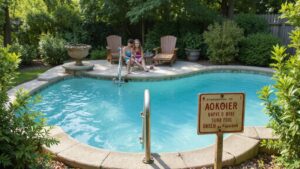
Pool fences are intended to restrict access to the pool, especially for young children. Features such as self-closing gates and suitable latching mechanisms may be required depending on local rules.
The fence should also be difficult for a child to climb. Spacing between fence components and the gap between the bottom of the fence and the deck can be subject to specific requirements.
The gate deserves special attention. It should operate correctly, close on its own when required, and have the appropriate latch location and design.
Once the fence is installed, inspect the entire barrier rather than looking only at the posts. Check the panels, connections, gate, latch, and spaces around the fence.
Installation Guidelines Overview
A pool fence installed on concrete needs to meet both the physical needs of the deck and the applicable pool safety requirements.
Start by confirming the required fence height in your area. The draft guidance for this project references heights of 48 to 60 inches, but the exact requirement can vary, so verify the measurement that applies locally.
Next, inspect the concrete and decide where the posts can be mounted safely. Avoid damaged sections whenever possible. If the deck has cracks or other structural concerns, those issues may need attention before the fence is installed.
Choose anchors and hardware that are compatible with the fence system. The manufacturer’s installation instructions should be followed closely, especially when drilling into concrete.
Also check for zoning restrictions or homeowner association requirements before finalizing the fence design. These rules can affect the placement, appearance, and materials you are allowed to use.
How to Install Your Pool Fence in Simple Steps
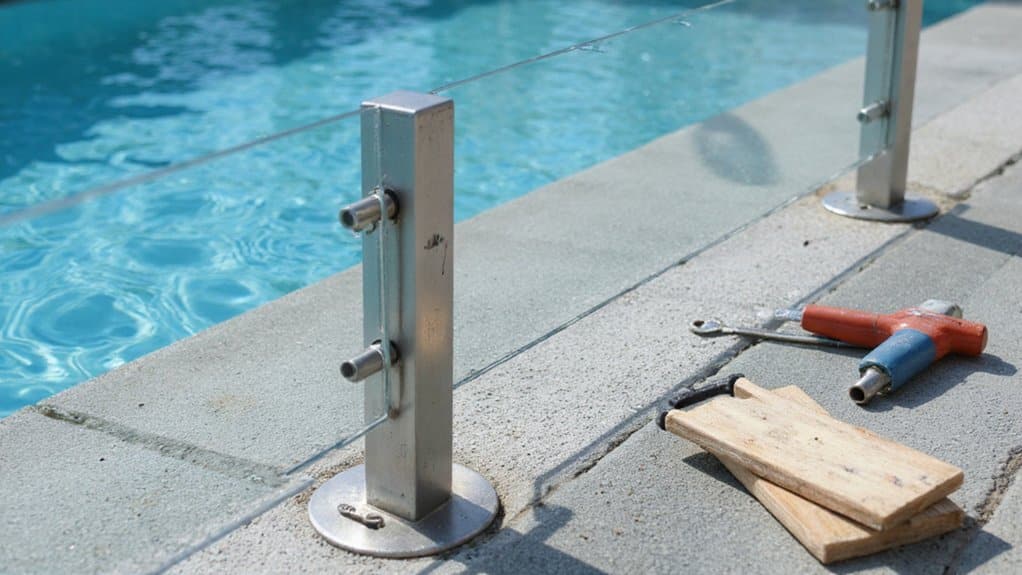
Installing a pool fence on a concrete deck becomes easier when the work is planned before drilling begins.
Start by measuring the perimeter where the fence will be installed. Mark each post location carefully and check the spacing against the manufacturer’s instructions.
Next, inspect the marked areas. Make sure the concrete is suitable for drilling and that there are no visible cracks or damaged sections that could affect the installation.
If the fence system requires drilled anchors, use a suitable hammer drill and masonry bit. Drill each hole to the required depth and diameter, then clean the holes before installing the anchors if the manufacturer’s instructions call for it.
Set the posts and check each one with a level. Small alignment errors can become much more noticeable once several fence panels are connected, so it helps to check each post as you work.
Attach the panels or rails according to the fence system’s instructions. Once the sections are connected, inspect the entire fence for movement or uneven sections.
Install the gate last or according to the manufacturer’s recommended sequence. Check that it opens, closes, and latches properly.
Finish by walking around the pool area and looking for gaps or areas where the fence could be climbed or bypassed. The completed barrier should meet the applicable local requirements.
Tools and Materials You’ll Need for Installation
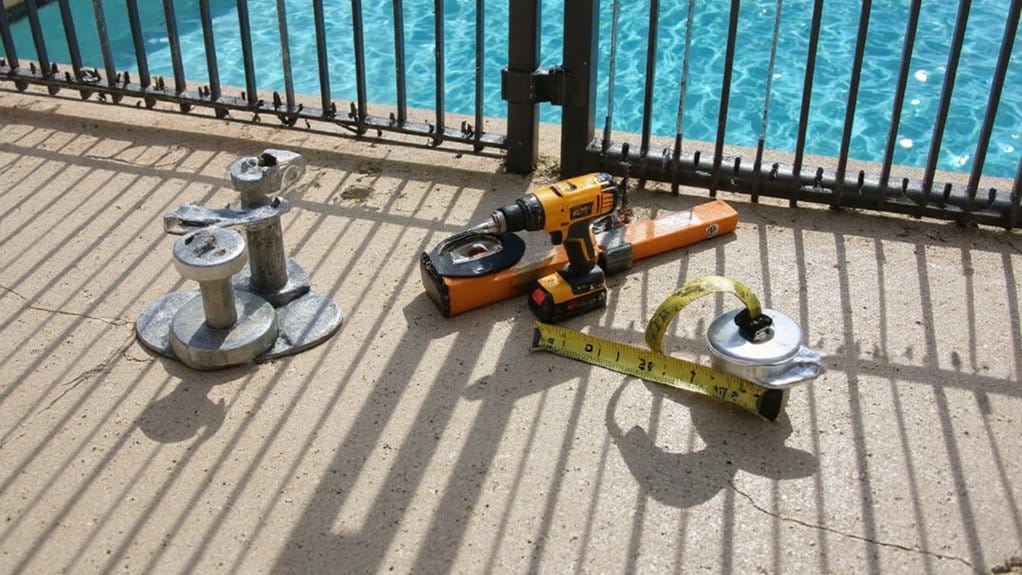
Having the right tools on hand can make a concrete fence installation much easier.
For many installations, you’ll need a drill or hammer drill, masonry bits, a tape measure, a level, and the anchors specified for the fence system. Depending on the product, you may also need a wrench, screwdriver, concrete cleaning tools, or other hardware.
Safety equipment matters too. Wear appropriate eye protection when drilling concrete and use gloves when handling fence panels, posts, or metal hardware.
Your materials will depend on the fence design. These may include posts, panels, gates, hinges, latches, anchors, brackets, and other connection hardware.
Before starting, check the manufacturer’s parts list. Missing a small piece of hardware can bring the installation to a stop, especially if the fence system uses components made specifically for that model.
Keep the fence manufacturer’s instructions available during installation. Different systems can use different post connections and anchoring methods, so one installation method should not be assumed to work for every fence.
Common Challenges When Installing Pool Fences on Concrete
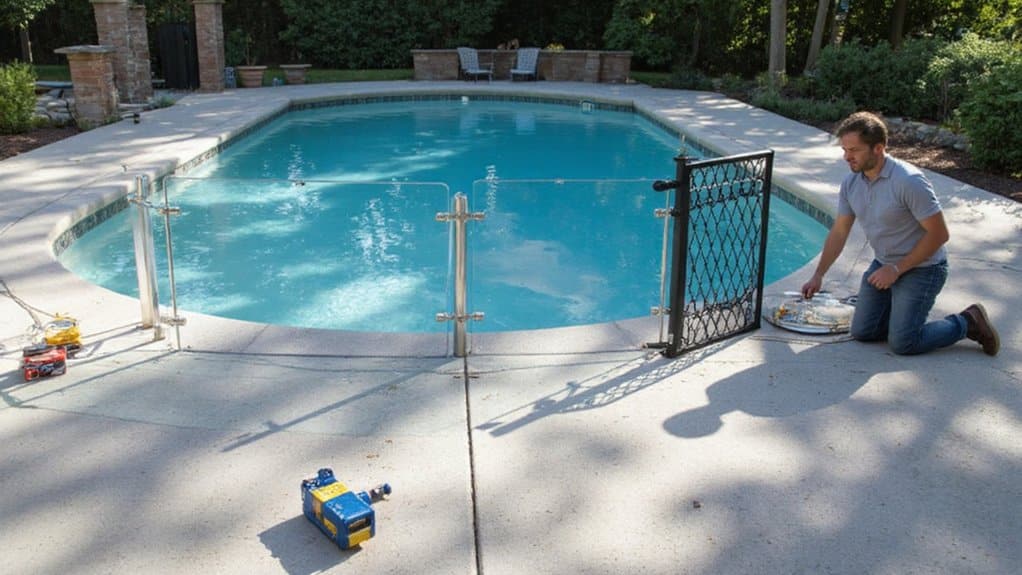
A concrete deck can provide a solid mounting surface, but it can also create a few challenges during pool fence installation.
The condition of the concrete is one of the first things to check. Cracks, damaged edges, uneven sections, or weak areas can make it harder to achieve a secure mounting point.
The location of the fence can create another issue. Posts need to be positioned correctly around the pool while leaving enough room for gates and access. A layout that looks simple on paper may need adjustments once the actual deck is measured.
The fence material can also affect the installation. Heavy panels may require different mounting hardware than lightweight sections. Glass systems, for example, may have more specific requirements for post placement and support.
Surface Preparation Requirements
Before attaching a fence to concrete, make sure the mounting area is clean and free from loose material, dirt, and debris.
Cracks or damaged areas should be examined before installation. Mounting a post directly over a weak section can create problems later.
The surface should also be reasonably level. Uneven concrete can make post alignment more difficult and may affect how the finished fence looks.
If an adhesive-based system is being considered, follow the product manufacturer’s surface preparation instructions closely. Adhesive systems can have specific requirements for concrete condition, cleanliness, moisture, temperature, and curing time.
Do not assume that every type of concrete surface can use the same adhesive or anchor. The mounting method needs to match both the fence system and the deck.
Anchoring Methods Considerations
Anchoring is one of the most important parts of installing a pool fence on concrete.
Many systems use mechanical anchors installed into drilled holes. The anchor type, hole size, depth, and installation method should match the fence manufacturer’s specifications.
Other systems may use brackets or approved adhesive products. The correct method depends on the fence design and the condition of the concrete.
Drilling requires care because concrete decks can contain reinforcement, plumbing, electrical lines, or other components beneath the surface. Before drilling, consider what may be located below the proposed mounting points.
Moisture and outdoor exposure can also affect hardware over time. Use the hardware specified for the fence and the environment where it will be installed.
If the concrete is badly damaged or the installation requires unusual mounting methods, getting help from a qualified installer may be the safer option.
Aesthetic Design Challenges
A pool fence needs to do its job, but that doesn’t mean it has to look out of place.
The fence should work with the existing deck, pool finish, landscaping, and other outdoor features. Aluminum, glass, vinyl, and mesh can each create a different appearance.
Color can make a noticeable difference. A dark fence may blend into landscaping, while a lighter finish can create more contrast against the deck.
The fence layout also affects how the space feels. A straight run may work well on a simple deck, while a pool with curved edges, steps, or unusual features may require more careful planning.
Think about the gate location as well. It should be convenient to use while still fitting the required safety layout.
The goal is to create a barrier that looks appropriate for the space while meeting the safety requirements that apply to the pool.
Frequently Asked Questions
Can I Install a Pool Fence Myself, or Hire a Professional?
You can install some pool fences yourself if you have the appropriate tools, skills, and a fence system designed for DIY installation. Concrete drilling and post alignment can take some care, though.
A professional installer may be a better choice for complex layouts, difficult concrete conditions, glass systems, or installations where local requirements are unclear.
Before deciding, review the manufacturer’s installation instructions and local pool fence requirements.
What Is the Average Cost of Installing a Pool Fence on Concrete?
The draft guidance for this project places the typical cost between $1,500 and $3,500. Actual costs can vary based on the fence material, total fence length, gate design, concrete condition, labor, and local requirements.
A simple installation with easy access may cost less than a larger project involving several gates, difficult mounting points, or more expensive fencing materials.
For an accurate estimate, measure the total fence length and identify the number of gates and posts needed before comparing installation quotes.
How Long Does It Take to Install a Pool Fence on a Concrete Deck?
A straightforward installation may take one to two days, although the actual time can vary.
The fence length, number of posts, type of material, condition of the concrete, and installation method all affect the schedule. Drilling and anchoring can take additional time when the deck is difficult to work with.
Allow extra time if damaged concrete needs attention before the fence can be installed.
Are There Any Aesthetic Options for Pool Fences on Concrete?
Yes. Pool fences are available in different materials, colors, heights, and designs.
Aluminum can provide a simple, open appearance. Glass can preserve views across the pool area, while vinyl offers different color and style choices. Mesh can be useful when a removable barrier is preferred.
The best choice depends on the existing outdoor space as well as the safety requirements that apply to your pool.
Will a Pool Fence Affect My Pool’s Warranty or Insurance?
A pool fence may have implications for your warranty or insurance, depending on the terms of your coverage.
Check your pool warranty documents before installation and contact your insurance provider if you’re unsure whether a fence or a particular installation method affects your policy.
Keep records of the fence materials, installation details, and any inspections or approvals related to the project.
Conclusion
A pool fence can be installed on a concrete deck when the deck is suitable for mounting and the correct installation method is used. The process involves more than simply drilling holes and attaching posts. The concrete condition, fence material, anchoring system, gate, layout, and local pool safety rules all need to be considered.
Take time to measure the area, inspect the concrete, choose compatible hardware, and check the requirements that apply to your property. Once the fence is installed, inspect the posts, panels, gate, and connections regularly.
With careful planning and proper installation, a concrete deck can provide a suitable base for a pool fence while keeping the pool area clearly separated from the surrounding space.