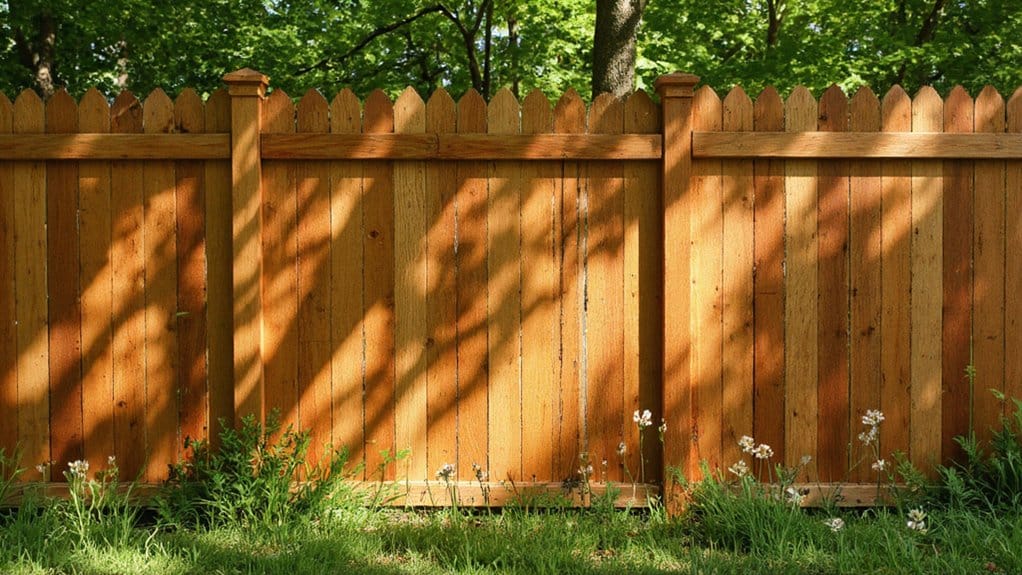
A high-quality wood fence comes down to more than just choosing attractive boards. The type of wood, the way the fence is built, how it is finished, and how well it is maintained all affect how it performs over time.
Cedar and redwood are popular choices because they naturally resist decay and insects. Pine can also work well when it is properly treated and maintained. Good construction matters just as much. Posts should be set securely, panels should be straight, and joints should fit properly.
The finish also deserves attention. Stains, sealants, and wood preservatives can help protect the fence from moisture, sunlight, insects, and everyday weather exposure. A thoughtful design can then bring together privacy, access, appearance, and practical use.
Key Takeaways
- High-quality wood fences use durable, decay-resistant species like cedar or redwood, sourced from reputable suppliers with sustainable practices.
- Good craftsmanship matters. Tight-fitting joints and a smooth finish help support the fence’s strength and appearance.
- Treatments, stains, and sealants can help protect wood from moisture, insects, decay, and UV exposure.
- Proper installation helps keep posts and panels straight, secure, and stable over time.
- Maintenance costs, repair needs, and warranty options are worth considering when planning the overall cost of a wood fence.
Choosing Quality Materials for Your Wood Fence
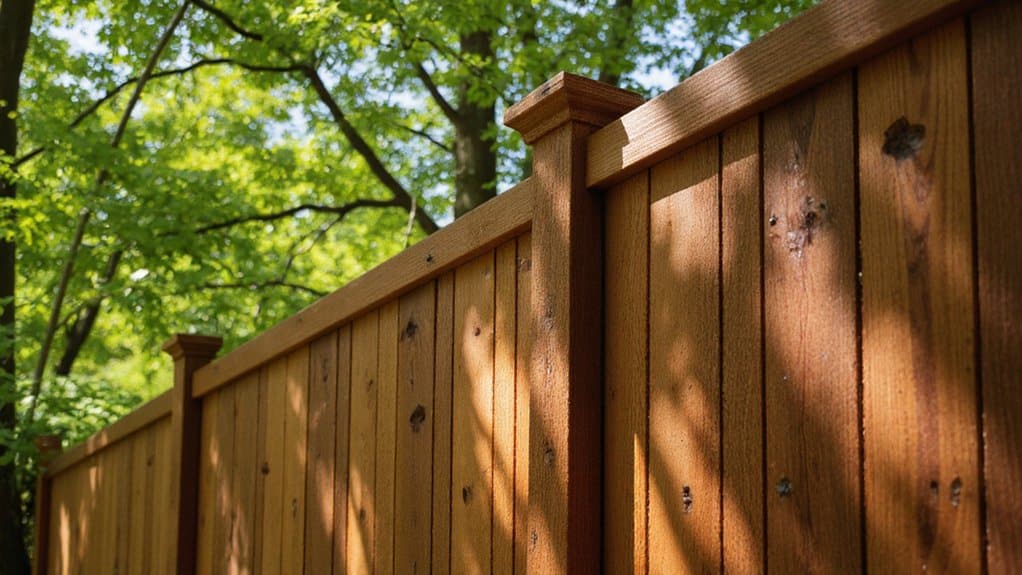
The materials you choose will have a direct effect on how your wood fence looks and performs. Start by looking for wood from a reputable supplier and pay attention to how the material has been sourced.
Cedar and redwood are often chosen for fencing because they have natural resistance to decay and insects. These qualities can make them a good fit for outdoor use, especially when the fence is exposed to regular moisture and changing weather.
Pine is another common option. It tends to cost less than some other wood species, but it usually needs proper treatment and regular maintenance to help protect it from rot, insects, and moisture.
Take a close look at the boards before buying them. Large knots, splits, cracks, or other visible defects can affect the strength and appearance of the finished fence. Straight, sound boards are a better starting point for a long-lasting installation.
Wood treatment also matters. Depending on the species and the application, pressure treatment or a suitable wood preservative can provide added protection.
Choosing the right material at the beginning can make maintenance easier later and help the fence hold up better in everyday conditions.
Different Types of Wood for Your Fence: Which Is Best?
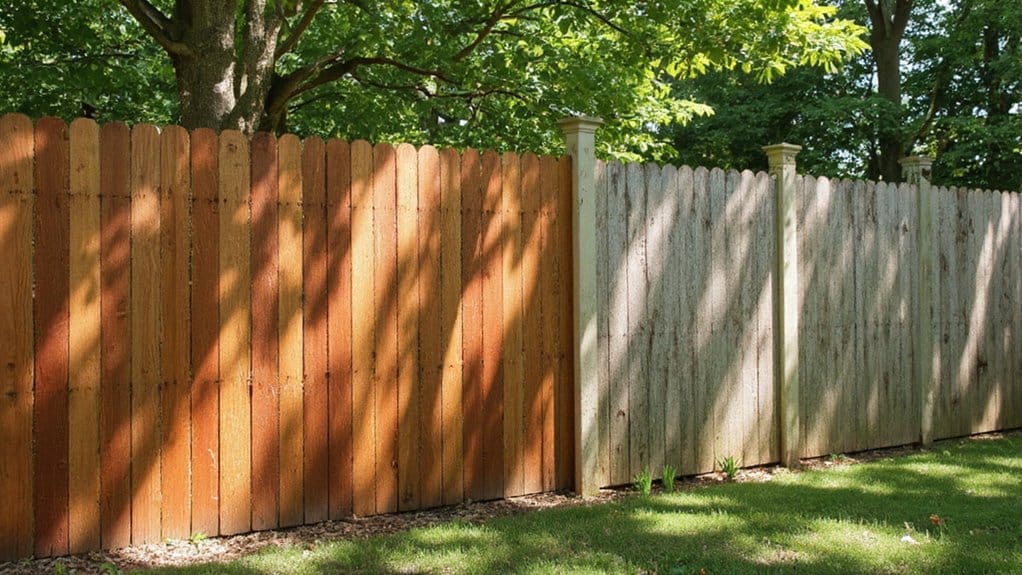
Different wood species have different strengths, so the right choice depends on what you want from your fence. Cedar is known for its natural resistance to decay and insects. Pine is often chosen when keeping the initial cost lower is a priority. Redwood is valued for its warm appearance and natural resistance to outdoor wear.
Cedar: Natural Resistance Benefits
Cedar is a popular fencing material because it naturally resists decay and insects. Its natural oils can help discourage pests, while the wood itself offers good durability for outdoor applications.
Another reason people choose cedar is its appearance. The wood has a fine grain and naturally warm color that can work well with different homes and landscaping styles.
Cedar can also be stained to change or deepen its color while still allowing the grain to show through. With suitable care and protection, a cedar fence can maintain its appearance for many years.
For homeowners looking for a combination of natural resistance and attractive wood grain, cedar is a practical option.
Pine: Cost-Effective Option
Pine is often considered when the initial fence budget is a concern. It provides a practical wood fencing option at a lower material cost than some naturally durable species.
Pine does need more protection from outdoor conditions. Proper treatment can help it resist moisture, insects, and decay. Regular sealing or staining can also help protect exposed surfaces.
The appearance of pine is another advantage. Its warm, natural look works well with traditional and rustic outdoor spaces. Stain or paint can be used to change the color and provide another layer of protection.
With the right care, pine can be a good choice for homeowners who want a wood fence without the higher material cost associated with some other species.
Redwood: Aesthetic Appeal Factors
Redwood is often selected for its rich color and natural grain. Those characteristics can give a fence a warm, finished appearance without relying heavily on paint.
The wood also has natural resistance to decay and pests, which can make it suitable for outdoor fencing. Its ability to handle changing weather conditions can help it maintain its shape when it is properly installed and cared for.
Redwood can also fit well with different landscaping styles. Its natural tones can complement gardens, patios, lawns, and other outdoor areas.
Where the wood comes from matters, too. Responsibly sourced redwood can be a consideration for homeowners who want to pay attention to forestry practices when choosing fencing materials.
Craftsmanship: How to Spot Quality Construction
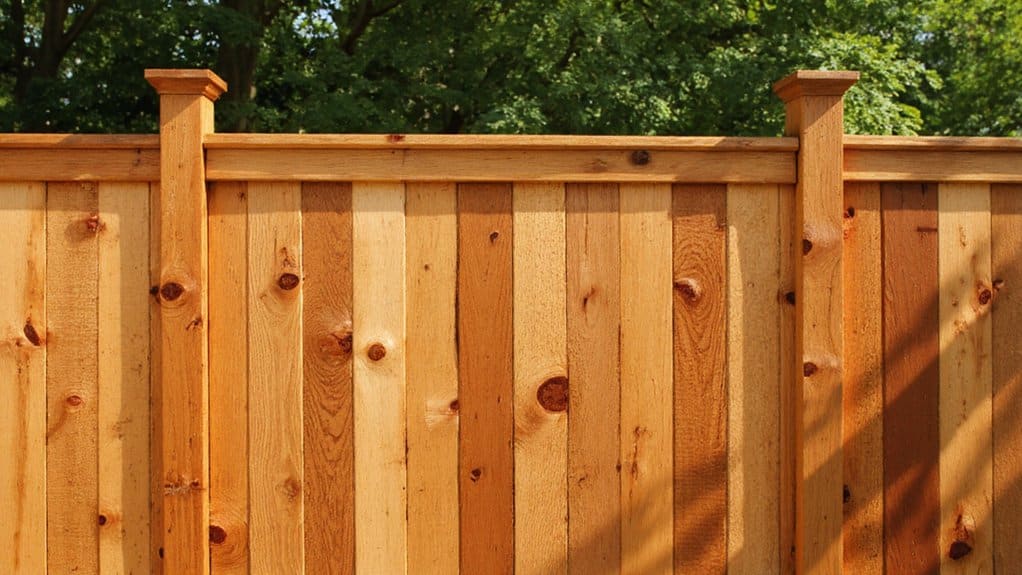
Good materials can only take a fence so far. The way those materials are cut, joined, aligned, and installed also affects the finished result.
Look closely at the joints and connections. Boards and components should fit together cleanly, without unnecessary gaps or loose connections. Poorly fitted joints can create weak points and may allow moisture to reach areas that are harder to protect.
The boards themselves should also be installed with care. Look for consistent spacing, straight lines, and panels that sit level. A fence that looks uneven during installation may develop more noticeable problems over time.
The finish can offer another clue. A smooth, even surface generally gives the fence a cleaner appearance and helps coatings cover the wood properly.
Pay attention to the posts, too. They should be straight and securely set, with the panels attached at consistent heights.
Quality construction is not about making every part look perfect. It is about making sure the fence is put together carefully enough to remain stable, functional, and attractive.
Design Elements That Enhance Functionality and Aesthetics
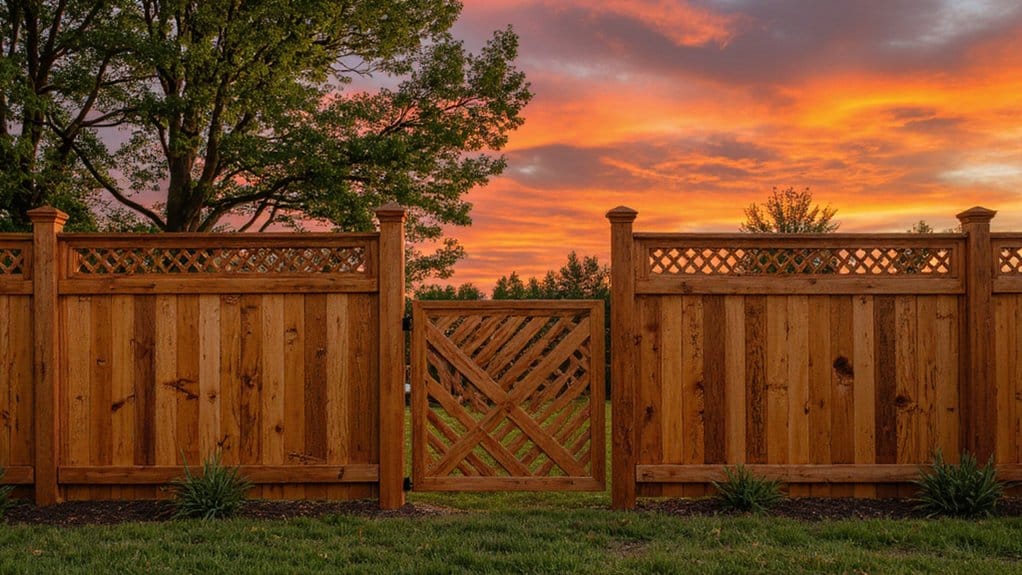
A wood fence has a practical job, but that doesn’t mean it needs to look plain. Good design can help the fence work well while fitting naturally into the property.
Start with the fence height. A taller fence may provide more privacy, while a shorter design can keep the yard feeling more open. Local rules may also place limits on fence height, so those requirements should be checked before construction.
The style of the fence should work with the home and surrounding landscape. Board spacing, color, post design, and the shape of the top edge can all change the overall appearance.
The style of the fence should work with the home and surrounding landscape. Board spacing, color, post design, and the shape of the top edge can all change the overall appearance. Homeowners may also consider ornamental fencing when they want a different look around gates, entrances, or specific areas of the property
Features such as lattice sections or decorative post caps can add visual interest. Lattice can also allow more light and air through the upper portion of the fence, which may be useful around gardens and outdoor living spaces.
Gates should be considered as part of the overall design. A gate that matches the fence can create a more consistent appearance while making access to the property easier.
A well-planned fence should serve its purpose without looking like an afterthought.
Treatment and Finishing: Key to Longevity
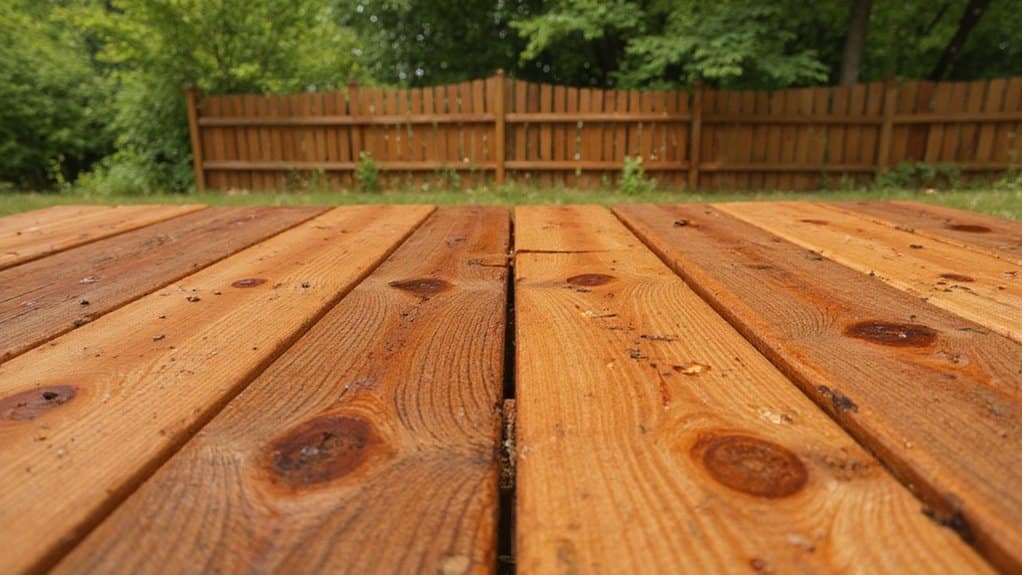
Wood is exposed to moisture, sunlight, temperature changes, insects, and other outdoor conditions. The right treatment and finish can help protect it from these sources of wear.
Pressure-treated wood is one option for certain fencing applications. Wood preservatives can also be used to provide added protection against moisture, insects, and decay. The appropriate treatment depends on the type of wood and how the fence will be used.
Staining is another common way to protect and finish a wood fence. A suitable stain can bring out the natural grain while helping reduce the effects of sunlight and weather exposure.
Sealants can help limit moisture absorption. This can be especially useful on exposed surfaces where repeated wetting and drying may contribute to cracking, warping, or other forms of wear.
No finish lasts forever. Coatings need to be inspected and renewed as needed. Keeping up with these treatments can help the fence retain its appearance and provide better protection over time.
Maintenance Tips for Keeping Your Wood Fence in Top Shape
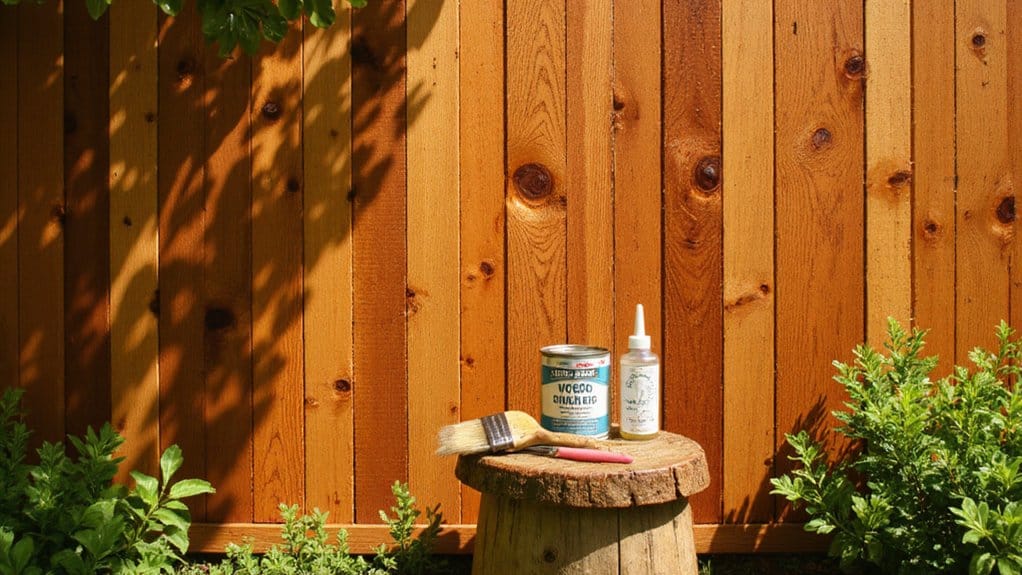
Even a well-built wood fence needs regular care. Small problems are easier to deal with when they are found early.
Inspect the fence at least periodically for cracked boards, loose fasteners, leaning posts, discoloration, rot, or signs of insects. Pay close attention to areas that stay damp or have limited airflow.
Cleaning can help remove dirt, mildew, and other buildup. A mild detergent and soft brush can usually handle routine cleaning without being overly harsh on the wood.
Protective treatments should also be renewed when needed. How often the fence needs staining or sealing depends on the wood, finish, climate, and amount of weather exposure.
Drainage around the posts deserves attention. Water that collects around fence posts can increase the chance of moisture-related damage. Keeping the surrounding area from holding excess water can help protect the posts.
Regular inspections and simple upkeep can prevent small issues from turning into larger repairs.
How Craftsmanship Influences Design Elements
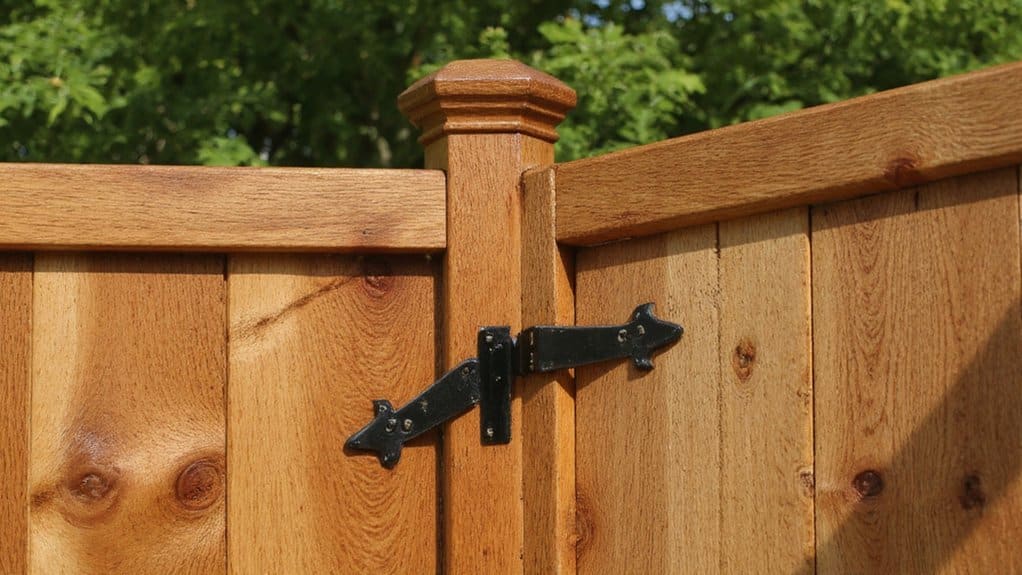
Craftsmanship affects more than the fence’s strength. It also shapes how the finished design looks.
Careful cuts, straight lines, consistent spacing, and properly positioned posts can make even a simple fence look well put together. Small details become easy to notice when a fence stretches across an entire property.
The way different wood pieces are combined can also change the appearance. Board patterns, post styles, gates, and finishes can be selected to suit the property and the homeowner’s preferences.
Good workmanship gives these design choices a cleaner result. When the construction is careless, even attractive materials can end up looking uneven or unfinished.
That connection between construction and appearance is one reason craftsmanship deserves attention when comparing wood fence options.
What Common Mistakes Should You Avoid When Installing a Wood Fence?
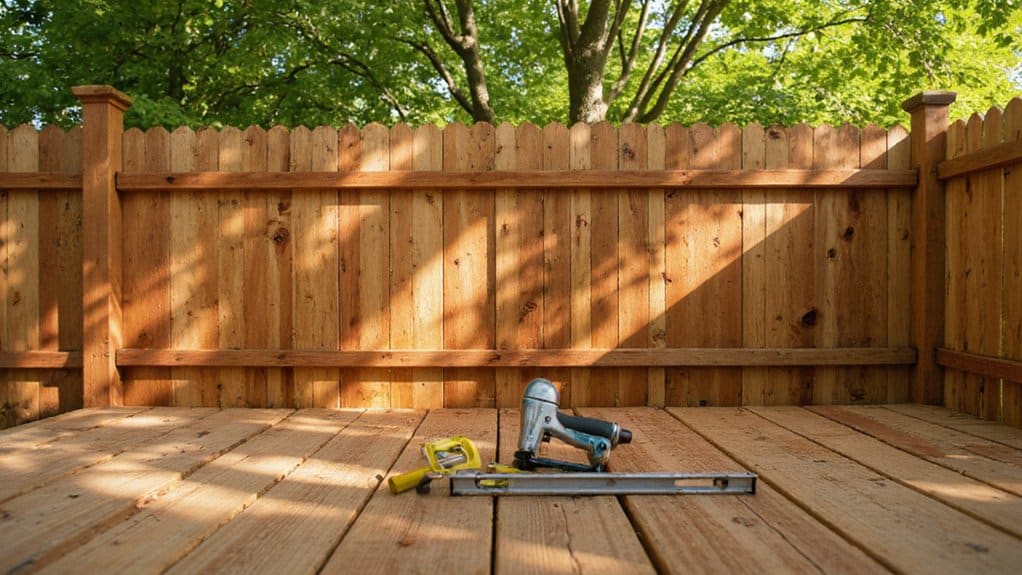
Installation mistakes can affect the fence long after the work is finished. One of the most common problems is setting posts incorrectly.
Posts need to be installed at an appropriate depth for the site and fence design. Local requirements may also specify how deep posts need to be set, so check the applicable rules before starting.
Alignment is another area where small mistakes can become obvious. Use a string line to help keep posts and panels in a consistent line. Check spacing as you work rather than waiting until the entire fence is installed.
Leveling matters as well. Posts that are not properly aligned can contribute to uneven panels or sagging.
Wood also responds to changes in temperature and moisture. Allowing for normal movement and choosing suitable installation conditions can help reduce problems later.
Taking accurate measurements and checking each section during installation can save time and prevent avoidable repairs.
Understanding Costs: What to Expect When Investing in a Wood Fence
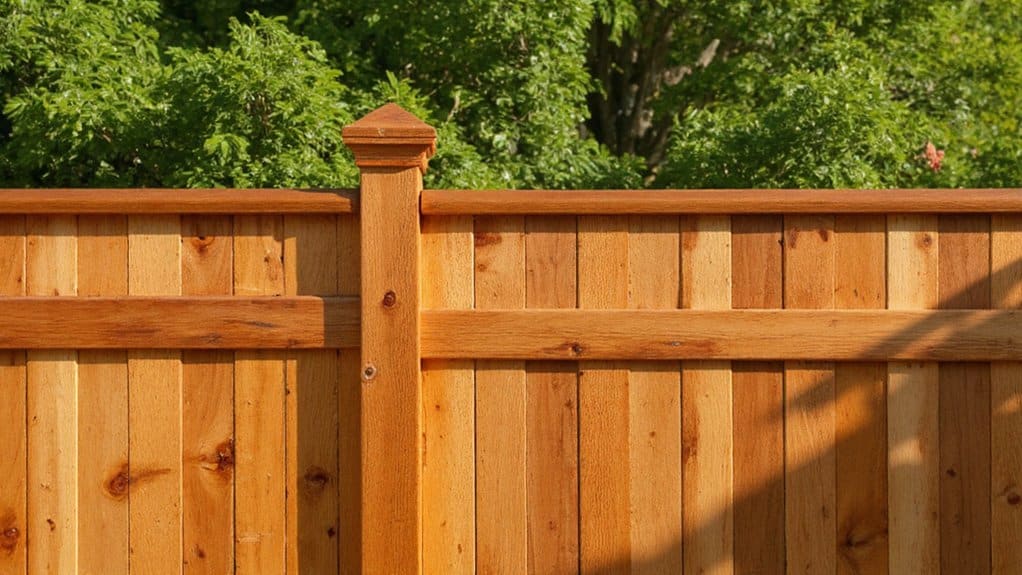
The cost of a wood fence is affected by more than the price of the boards. Material choice, fence size, design, site conditions, labor, permits, and future maintenance can all affect the total amount you spend.
Looking at the full cost can give you a clearer idea of what to expect before the project begins.
Material Quality Impact
The type and grade of wood have a direct effect on the initial cost. Cedar and redwood can cost more than pine, but their natural resistance to decay and insects can reduce some maintenance needs over time.
The condition of the wood matters, too. Boards with visible defects may cost less initially but can create problems if they are not suitable for the intended application.
Sourcing is another consideration. Some homeowners prefer wood from suppliers that follow responsible forestry practices.
The right material isn’t necessarily the most expensive option. It should match the fence’s location, expected exposure, appearance, and maintenance requirements.
Installation Costs Breakdown
Labor can make up a large part of a fencing budget. The total installation cost will depend on factors such as fence length, terrain, design, access to the site, and local labor rates.
Site preparation may add to the bill. Clearing vegetation, removing an existing fence, dealing with uneven ground, or preparing difficult areas can all require extra work.
Permits may also be required in some locations, especially when fence height or property boundaries are involved. Check local requirements before construction begins.
The time of year can affect contractor availability and pricing in some areas. It can be useful to ask for a clear breakdown of materials, labor, site preparation, and other charges.
Warranty terms are worth reviewing as well. Ask what is covered, how long coverage lasts, and whether materials and workmanship have separate warranty terms.
Maintenance Expenses Considerations
The initial installation is only part of the cost of owning a wood fence. Staining, sealing, cleaning, and occasional repairs can add to the long-term expense.
Create a simple maintenance schedule based on the type of wood and finish. Inspect the fence regularly so you can spot loose boards, damaged posts, rot, or other issues before they spread.
Weather can create unexpected repair needs. Strong winds, heavy rain, prolonged moisture, and pest activity may all contribute to damage.
Setting aside some money for routine maintenance and occasional repairs can make these costs easier to manage.
A wood fence can be a long-term investment, but its lifespan depends heavily on the material, installation, weather exposure, and level of care it receives.
Frequently Asked Questions
How Long Can I Expect My Wood Fence to Last?
A wood fence can last around 15 to 20 years with proper maintenance, although actual lifespan varies based on the wood species, installation, climate, exposure, and upkeep.
Choosing a suitable wood type and keeping up with protective treatments can help reduce damage from moisture, insects, and weather.
Can I Install a Wood Fence Myself?
Yes, a wood fence can be installed as a DIY project if you have the right tools, measurements, materials, and time.
Before starting, check local requirements and confirm property boundaries. Post placement, spacing, alignment, and leveling all need careful attention. Mistakes in these areas can affect the finished fence and may be difficult to correct later.
What Is the Best Time of Year to Install a Wood Fence?
Spring and early fall can be suitable times for wood fence installation because temperatures are often more moderate.
Ground conditions and local weather still matter. Avoiding unusually wet, frozen, or extreme conditions can make post installation and other construction work easier.
Are There Any Local Regulations for Wood Fences?
Local rules can cover fence height, placement, zoning requirements, materials, and property boundaries.
Before installing a fence, check with the relevant local authority and confirm where your property line sits. Following the applicable rules can help prevent disputes, delays, or the need to move the fence later.
How Do Weather Conditions Affect Wood Fence Longevity?
Moisture can contribute to rot and other forms of wood damage, while repeated temperature and moisture changes can contribute to cracking or warping.
Sun exposure can also affect the color and surface of the wood. Regular cleaning, inspections, staining, and sealing can help protect the fence from these conditions.
Conclusion
A high-quality wood fence starts with suitable materials and careful construction. Cedar, redwood, and properly treated pine can each work well when matched to the property’s needs and the level of maintenance you’re prepared to provide.
Good installation matters just as much. Straight posts, consistent spacing, secure connections, and proper drainage all contribute to a fence that performs well over time.
Treatment and regular maintenance then help protect the wood from moisture, sunlight, insects, and everyday weather. By considering material, construction, design, installation, and long-term care together, you can make a more informed choice and avoid many common fencing problems.