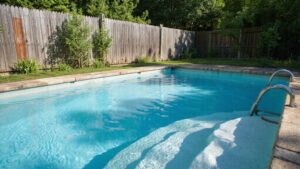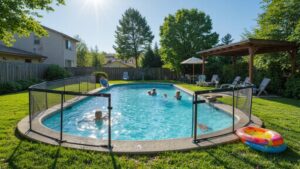
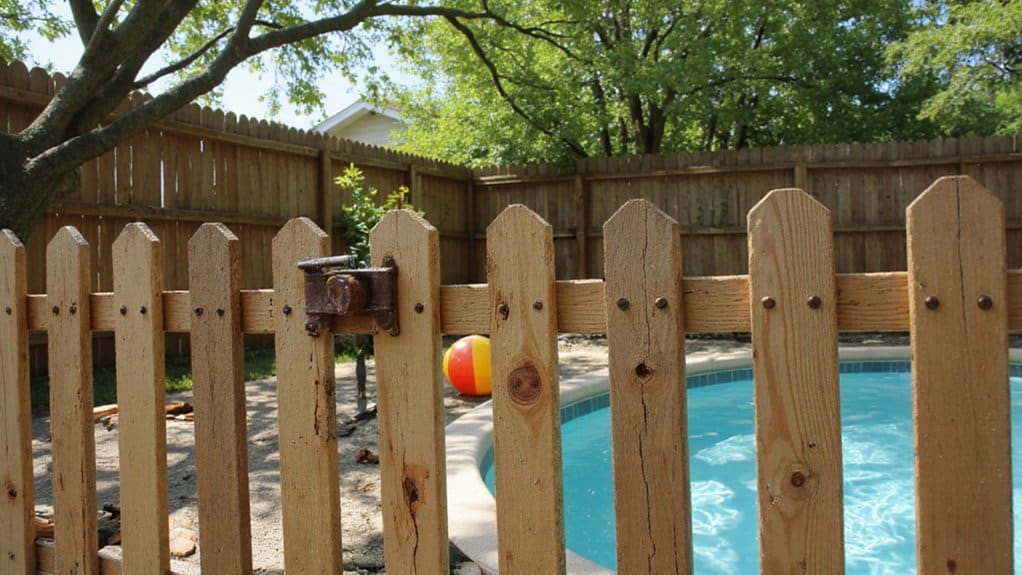
When it comes to pool safety, small fencing mistakes can create serious risks around a swimming pool. A fence may look secure at first glance, but issues such as the wrong height, easy-to-climb sections, or a gate that doesn’t close properly can make a pool area less safe.
Homeowners sometimes focus heavily on how fencing looks and overlook how it works in everyday use. A decorative design might look great around the pool, but if it creates footholds or blocks the view, it can cause problems.
Taking a closer look at these common issues can help you spot potential concerns before they become bigger safety problems.
Key Takeaways
- Fences shorter than four feet can be easier to climb, which can increase access to the pool area.
- Horizontal bars may give children footholds that make climbing easier.
- Gates that are poorly aligned or don’t close securely can allow unwanted access.
- Fencing that blocks the view can make it harder to notice potential dangers.
- Ornate fencing designs may create areas where children can hide from view.
- Regular checks can help identify gaps, loose gates, damaged locks, rust, and other problems.
Why Pool Fencing Height Matters for Safety
The height of a pool fence plays a major role in keeping the pool area protected. A fence that is too short may be easier for a child to climb, which can increase the chance of unsupervised access.
A minimum height of four feet is often recommended, but the exact requirement can depend on local rules. Pool fencing regulations aren’t the same everywhere, so it’s worth checking the requirements that apply to your property.
Height isn’t the only thing to look at. Gaps in the fence, nearby objects, and features that can be used as footholds may also make climbing easier.
Take a close look at the entire fence rather than checking its height alone. Regular inspections can help you catch changes caused by wear, movement, or damage.
Choosing Safe Materials for Pool Fencing
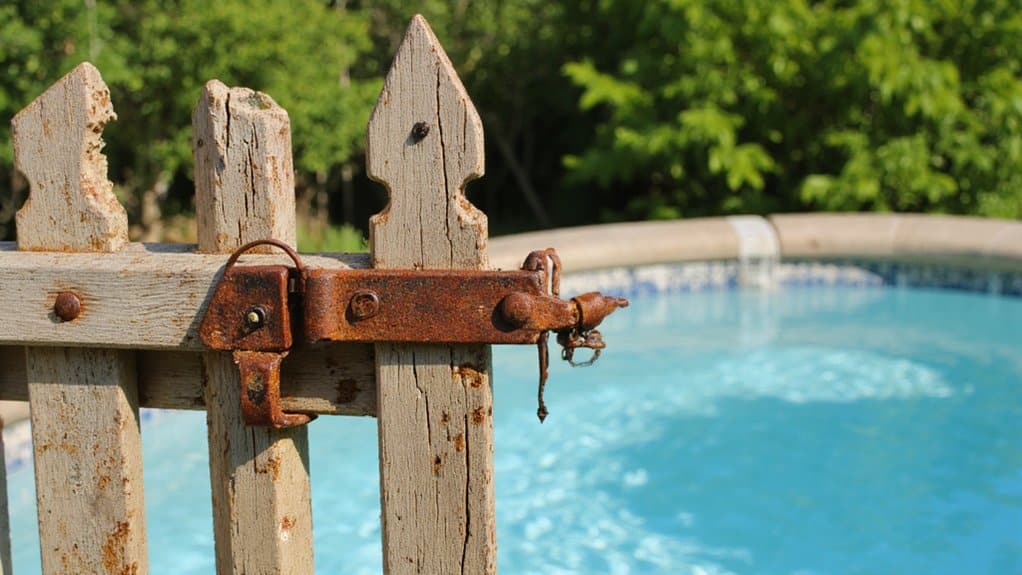
The material you choose for pool fencing affects how the fence performs over time. Aluminum, glass, and vinyl are common options, while steel can also be used in some pool areas.
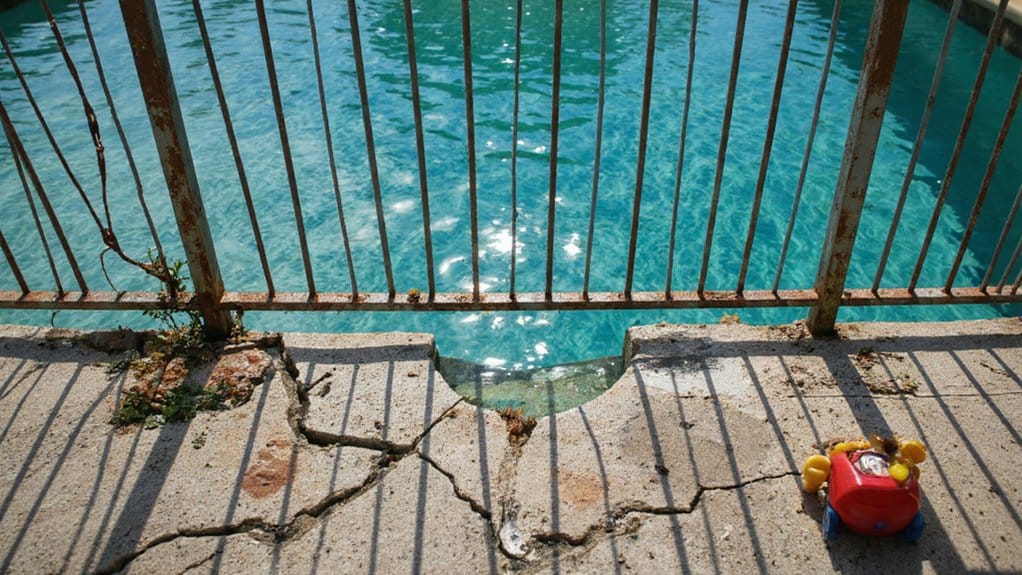
Each material has different care requirements. Some may need more attention to prevent rust or other forms of deterioration, especially when they’re exposed to outdoor conditions for long periods.
Appearance also matters to many homeowners. Pool fencing is part of the outdoor space, so it’s natural to want a design that works with the house and landscaping.
Still, appearance shouldn’t come at the expense of safety. Before choosing a material or design, check that it meets the pool fencing requirements in your area.
A fence can look attractive and still have design features that create climbing opportunities or make supervision harder. The material and the overall design both deserve attention.
How to Properly Install Your Pool Gate
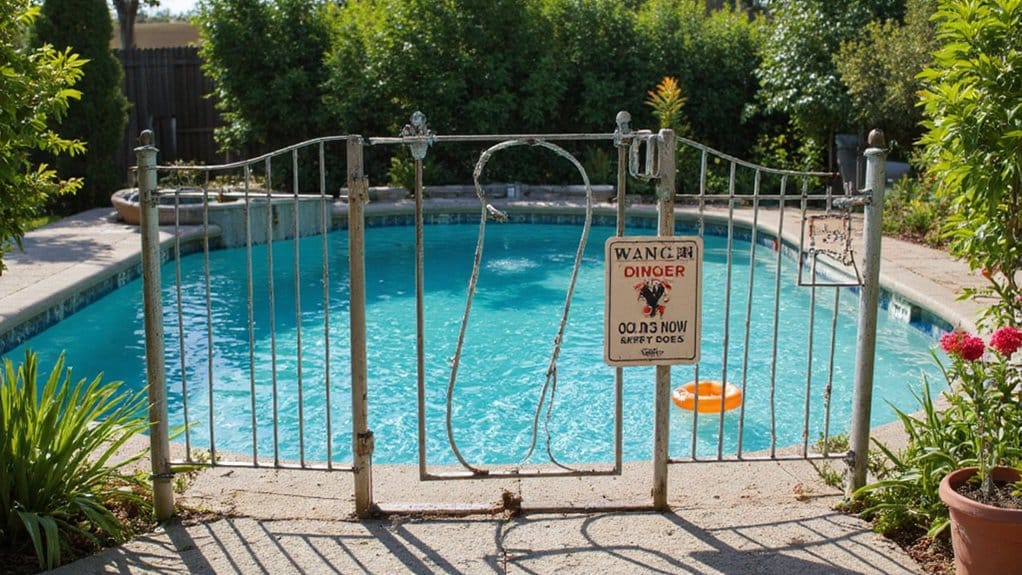
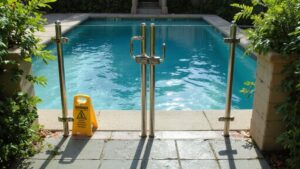
A pool gate needs to work properly every time it’s used. Even a well-built fence can become a safety concern if the gate doesn’t close or latch correctly.
Start with the gate alignment. It should swing freely without hitting the fence, ground, nearby objects, or other parts of the gate. A level can help you check whether the gate is hanging correctly.
The latch deserves just as much attention. It should engage properly and be positioned according to the applicable pool safety requirements. Check it for signs of rust, damage, or wear.
Once the gate has been installed, test it several times. Open it and allow it to close on its own. Then check that the latch catches securely.
It’s also worth testing the gate periodically after installation. Gates can shift over time, and hinges or latches can wear with regular use.
Common Design Mistakes to Avoid in Pool Fencing
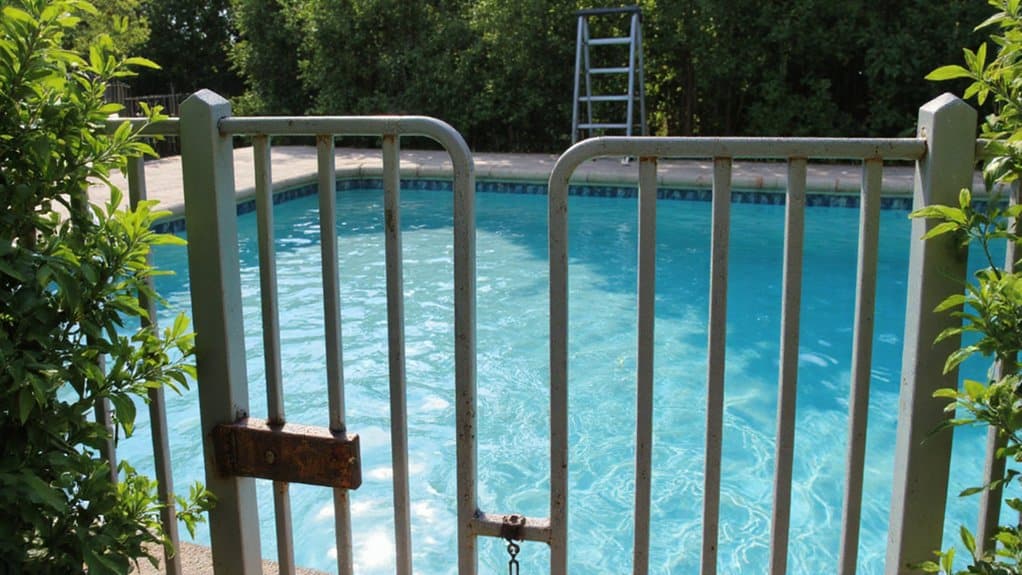
A secure gate is only one part of pool fencing. The fence design itself can also create safety concerns if certain details are overlooked.
Visibility is one area to watch. If fencing, landscaping, or decorative features make it difficult to see the pool clearly, it can be harder to notice what’s happening in the area.
Horizontal bars can also be a concern because they may provide footholds for children. A design with vertical elements can reduce opportunities for climbing, depending on the specific fence and local requirements.
Ornamental fencing designs deserve a close look, too. Decorative sections can sometimes create small spaces where children may be hidden from view.
There’s no need to choose between appearance and safety. The better approach is to look at how the complete fence works, including its height, openings, layout, visibility, and gate.
Regular Maintenance for Pool Safety
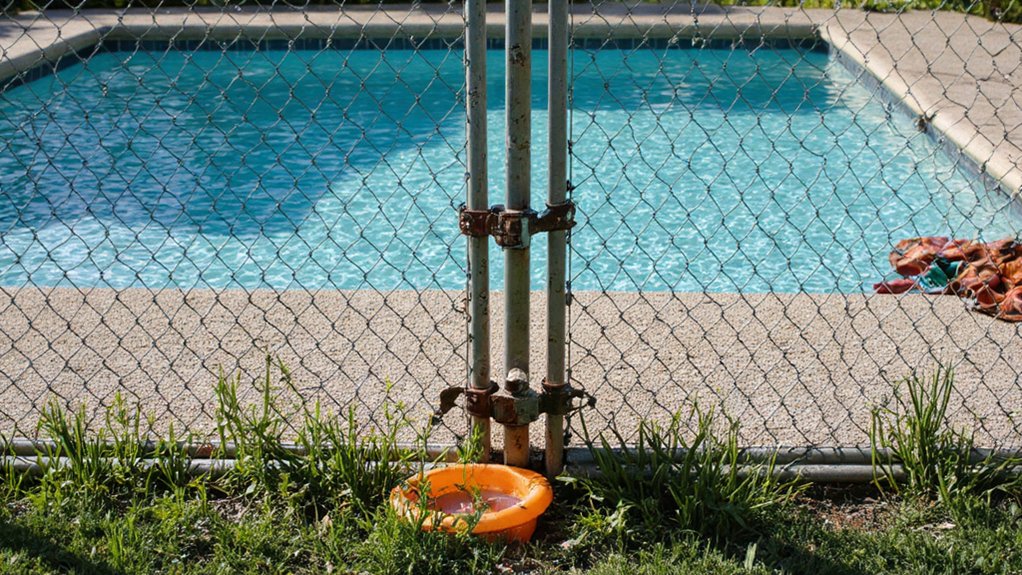
Pool fencing needs regular attention after installation. Outdoor fences are exposed to weather, moisture, dirt, and everyday wear, all of which can affect how they function.
Walk around the fence and look for gaps, loose sections, damaged panels, rust, or other signs of deterioration. Pay close attention to the gate, since hinges and latches can become loose or damaged with repeated use.
The area around the fence should also stay clear. Items such as chairs, tables, toys, ladders, or other objects can potentially give children something to climb on.
Pool cleaning is another part of keeping the area safe. Debris around the pool can affect visibility and make the surrounding area harder to monitor.
A regular inspection doesn’t have to take long. A quick check of the fence, gate, latch, and surrounding area can help you spot problems before they become harder to address.
Understanding Local Pool Fencing Regulations?
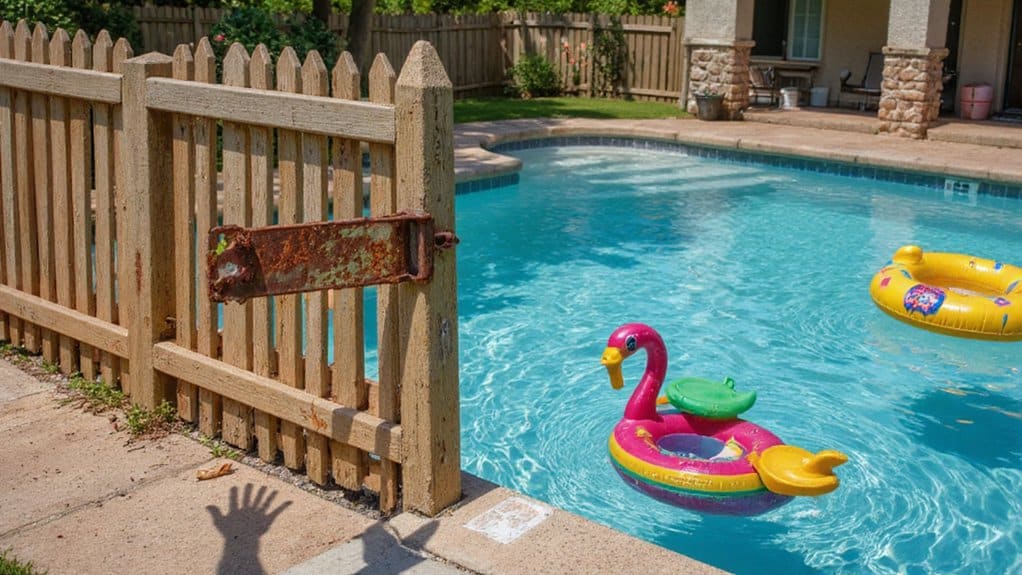
Pool fencing requirements can vary depending on where you live. Local rules may cover fence height, gate operation, openings, materials, and other details.
Checking the rules that apply to your property is an important part of planning or reviewing a pool fence. A fence that meets the requirements in one area may not meet those in another.
It’s also worth checking the fence after installation. Look for gaps, make sure the gate closes securely, and check that the fence and its fittings remain in good condition.
A professional inspection may help identify problems that aren’t obvious during a quick visual check. This can be especially useful if the fence is older, has been altered, or has recently been repaired.
Keeping track of local requirements and checking the fence from time to time can help you identify potential safety issues early.
Frequently Asked Questions
What Are the Benefits of Using Self-Closing Gates?
Self-closing gates help reduce the chance of the gate being accidentally left open. When the gate closes on its own, there’s less reliance on someone remembering to close it after entering or leaving the pool area.
The mechanism still needs regular checks. A gate that is supposed to close automatically may stop working properly if the hinges, latch, or closing mechanism become worn or damaged.
How Can I Make My Pool Area More Visible?
Clear sightlines can make it easier to see what’s happening around the pool. Start by looking at the fence design, nearby landscaping, furniture, and other objects that may block the view.
Pool lighting can also help improve visibility after dark. Make sure lights are positioned so they illuminate the pool and surrounding areas without creating unnecessary glare.
Are There Specific Colors That Improve Safety?
Bright colors such as yellow or orange can stand out and attract attention. This may make certain areas or objects easier to notice.
Color alone isn’t a substitute for proper fencing, supervision, or other pool safety measures. The fence still needs to meet the requirements that apply in your area.
Can Landscaping Affect Pool Fencing Effectiveness?
Yes. Landscaping can change how easy it is to see the pool and the area around the fence.
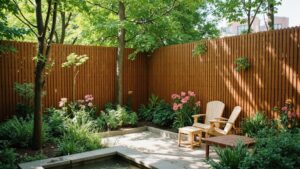
Dense plants can block sightlines, while trees, shrubs, furniture, or other features may create areas that are difficult to monitor. Keep the space around the fence arranged so the barrier remains visible and climbing opportunities are limited.
What Are the Costs Associated With Pool Fencing Installation?
Pool fencing costs can vary based on the material, fence design, property layout, labor, and any permits or other requirements.
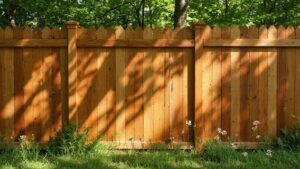
Materials such as aluminum, glass, steel, wood fencing, and vinyl can have different price points and maintenance needs. Getting costs based on your specific property can give you a clearer idea of what the installation may involve.
Conclusion
Pool fencing is more than a boundary around the swimming area. Its height, design, materials, gate, visibility, and condition all affect how well it serves its purpose.
A fence that’s too short, easy to climb, difficult to see through, or paired with a faulty gate can create avoidable safety concerns. Regular checks can also help catch problems such as loose fittings, damaged locks, rust, gaps, or worn gate mechanisms.
Local pool fencing rules should always be checked before installing or changing a fence. Requirements can vary by location, so the right approach for one property may not apply to another.
Keeping safety at the center of your fencing choices can help create a pool area that’s easier to monitor and less likely to present avoidable hazards.