
Keeping deer away from your garden, lawn, or landscaped property can be challenging. These animals are natural jumpers and can easily cross many fences that might seem tall enough to stop other wildlife. If deer regularly visit your property, choosing the right fence height is one of the most practical ways to reduce unwanted visits and protect your plants.
A fence that is too short may do little to discourage deer from entering. In most situations, an 8-foot fence is recommended because deer can jump over lower barriers with little difficulty. The right setup also depends on your property layout, the surrounding landscape, the materials you choose, and how frequently deer visit the area.
Before installing a fence, it helps to understand how deer move, what attracts them to your property, and which fencing options are suitable for your needs. A well-planned fence, combined with a few additional deterrents, can help protect your outdoor space for years.
Key Takeaways
- An 8-foot fence is generally recommended to discourage deer from jumping into gardens and other protected areas.
- Taller fencing can make it harder for deer to enter your property.
- Fence visibility, materials, and design all affect how well the barrier works.
- Property layout and local deer activity should guide your fencing decisions.
- Additional deterrents, including scent-based repellents and motion-activated sprinklers, can provide extra protection.
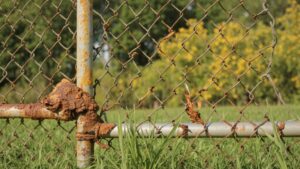
- Regular inspections help identify loose wires, rust, damaged posts, and gaps before they become larger problems.
Understanding Deer Behavior Around Your Property
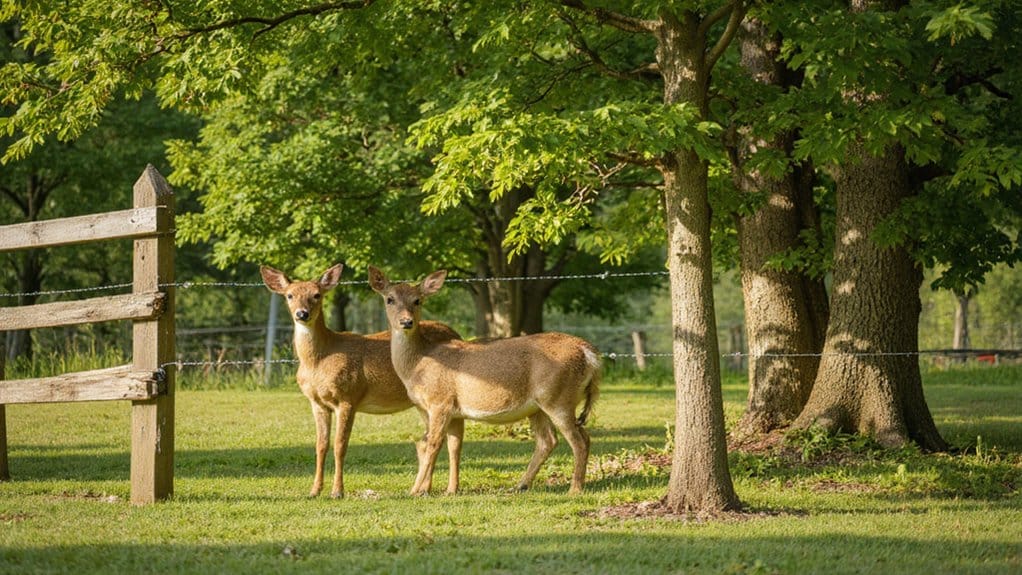
Understanding how deer behave can help you decide where to install fencing and which areas need the most protection. Deer are natural browsers, meaning they spend much of their time feeding on leaves, shoots, fruits, vegetables, and other vegetation.
A garden filled with tender plants can quickly attract them. Even properties with plenty of open space may experience deer visits when food is available nearby.
Deer also have social habits that influence how they move around an area. They may travel in groups, especially during certain seasons. When several deer visit the same property, the amount of damage to plants and landscaping can increase.
Pay attention to where you notice footprints, damaged plants, droppings, and other signs of deer activity. These clues can help you identify common entry points and areas where deer spend more time feeding.
Feeding patterns are worth watching, too. Deer may visit the same locations repeatedly when they find a consistent food source. Observing their movement can help you decide where a fence should run and which sections need extra attention.
Rather than installing fencing without a clear plan, take some time to understand how deer use your property. This makes it easier to choose a suitable fence height and design.
Choosing the Right Height for a Deer Fence
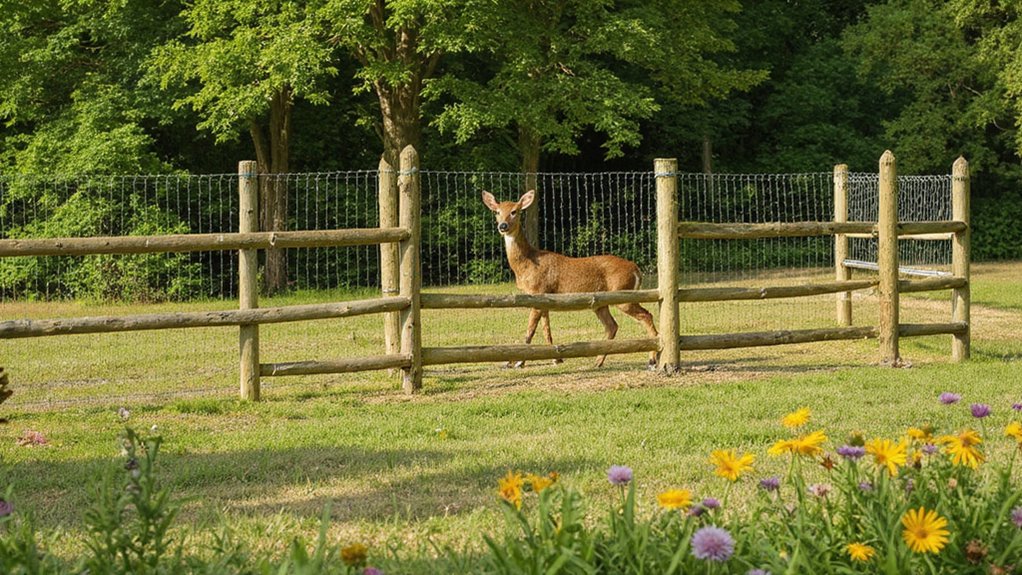
Fence height plays a major role in keeping deer away from gardens and landscaped areas. Deer are capable jumpers, and a low fence may not discourage them from entering your property.
An 8-foot fence is commonly recommended for deer control. Lower barriers may be easier for deer to cross, especially when they are attracted to plants or other food sources on the other side.
When planning your fence, consider the size and shape of the area you want to protect. A small garden may need a different layout from a large property with several open entry points. Sloped ground, uneven surfaces, and nearby structures can also affect the final fence height.
Visibility is another factor worth considering. Deer may hesitate when they can clearly see a barrier in front of them. A fence that is difficult to judge visually may not discourage every animal from attempting to cross.
A taller fence can change the appearance of your property, especially around smaller gardens. You can soften its appearance by using suitable landscaping, climbing plants, or natural-looking materials.
The goal is to create a barrier that discourages deer without making your outdoor space feel closed off. Consider the surrounding landscape, the location of your garden, and the areas where deer are most active before settling on a design.
Selecting Materials That Can Withstand Outdoor Conditions
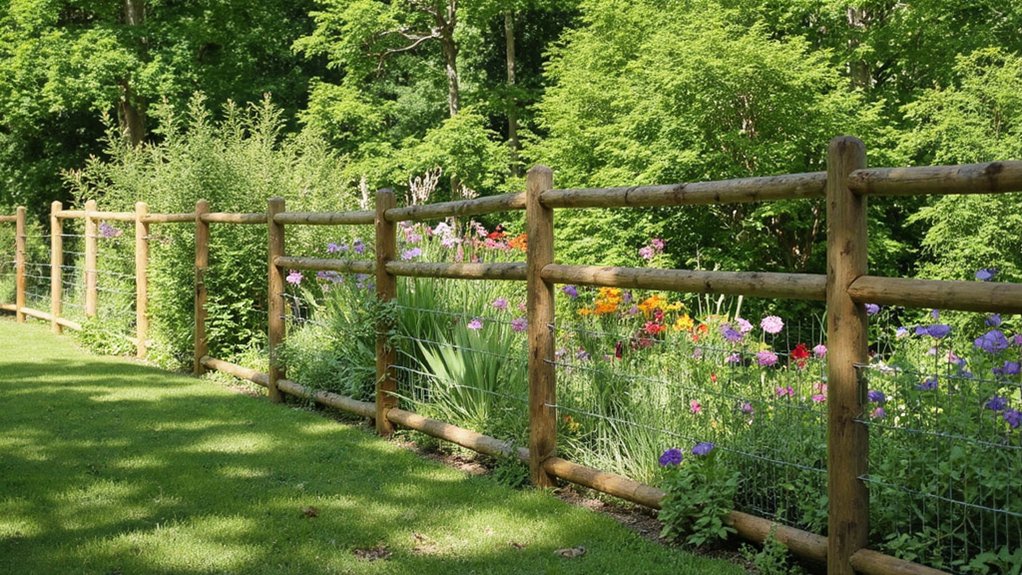
The material you choose affects how your deer fence looks, how much maintenance it needs, and how long it remains in good condition.
Some property owners prefer the natural appearance of wooden fencing, while others choose metal or wire because of its practical design. Your decision should account for weather conditions, installation requirements, appearance, and the amount you plan to spend.
Material Strength and Long-Term Use
A deer fence needs to remain in good condition through changing weather and regular outdoor exposure. Weak materials may bend, break, or become damaged over time, leaving openings that deer can use to enter your property.
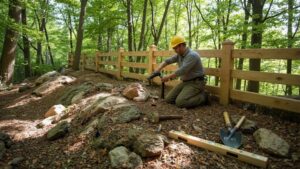
High-tensile wire is one option to consider. It offers strength for fencing applications and can be used with suitable posts and supporting structures. Sturdy wooden posts are another choice, especially when you want a fence with a more natural appearance.
Weather resistance also matters. Outdoor fencing is exposed to sunlight, rain, moisture, and seasonal temperature changes. Materials that cannot withstand these conditions may need frequent repairs or replacement.
Vinyl-coated wire offers a protective outer coating that can help reduce rust and wear. It is worth considering when you want a wire fence that maintains its appearance during outdoor use.
Think about the condition of the ground and the surrounding environment before selecting materials. A fence installed in an area with regular moisture exposure may need different materials from one placed on dry, level ground.
Spending time on material selection can help reduce future repair work. The fence should remain secure enough to discourage deer while withstanding normal outdoor conditions.
Fence Appearance and Garden Design
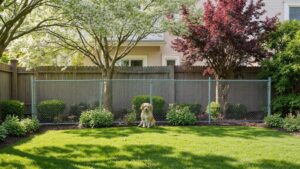
A deer fence does not have to look out of place in your garden. The right material, color, and design can help it fit naturally into the surrounding landscape.
Wooden fencing often suits properties with a traditional or rustic appearance. Metal fencing can work well in gardens with a simpler, more modern design. Wire fencing may also be suitable when you prefer a less decorative barrier.
Color choices can change how noticeable the fence looks. Brown, green, and other natural shades may blend with trees, shrubs, and garden beds. The surrounding plants and existing outdoor features should guide your choice.
Fence height and structure also affect its appearance. An 8-foot fence may look more imposing than a shorter garden barrier, so consider how it will appear from different parts of your property.
Climbing plants and suitable landscaping can soften the visual effect of the fence. Just make sure that vegetation does not damage the structure or prevent you from inspecting it.
A good design should protect your plants while allowing the rest of your outdoor space to remain attractive and comfortable.
Comparing Fencing Costs
The initial cost of deer fencing is only one part of the overall expense. You should also think about maintenance, repairs, material life, and possible replacement costs.
Wooden fencing may have a lower starting price in some situations, but it can require regular treatment and repairs. Exposure to moisture may also cause wooden posts or sections to deteriorate over time.
Galvanized steel and woven wire may cost more at the beginning. These materials can offer a longer service life when properly installed and maintained.
Compare the materials available in your area and consider the conditions your fence will face. A lower-priced option may not be the most practical choice if it needs frequent repairs.
Your property size will also affect the total cost. Larger areas require more fencing materials, posts, and installation work. Sloped ground or difficult access may add to the work involved.
Choose a material that suits your budget and the level of protection you need. Paying attention to long-term upkeep can help you avoid repeated spending on damaged fencing.
Property owners looking for wood fencing in Sooke should also consider local weather conditions, material costs, and the maintenance required to keep their fence in good condition.
Additional Ways to Keep Deer Away From Your Property
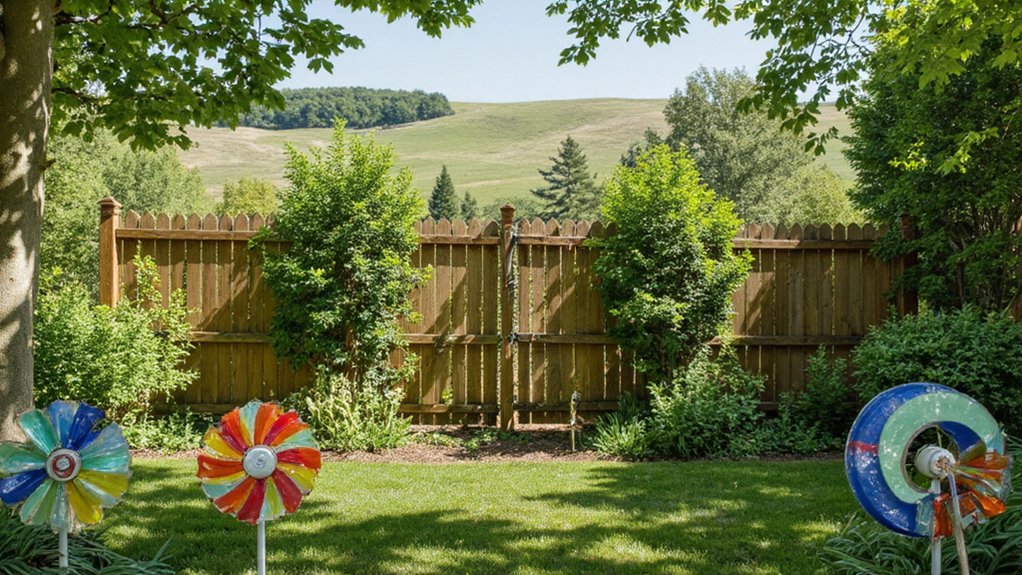
A deer fence can form the main barrier around your garden, but you can combine it with other methods to discourage deer from visiting.
Scent-based repellents, physical barriers around individual plants, and motion-activated devices are some options to consider. These methods can provide extra protection, especially in areas where deer activity is frequent.
Scent-Based Deer Repellents
Deer rely heavily on their sense of smell when searching for food and moving through their surroundings. Scent-based repellents use this behavior to make certain areas less attractive.
Common options include products containing predator urine, garlic, or pepper. These products are available in different forms, including liquid sprays and granules.
Liquid repellents can be applied directly to suitable plants, following the product instructions. Granular products may be placed around garden beds or other areas where deer regularly feed.
The scent needs to remain present for the repellent to work. Rain, strong winds, and regular outdoor exposure can reduce its effect, so check the product instructions for reapplication.
Changing between different scent types may also help prevent deer from becoming accustomed to one particular smell.
Keep in mind that repellents do not create a physical barrier. They are better suited as an additional measure alongside fencing, especially when valuable plants need extra protection.
Physical Barriers Around Gardens and Plants
Physical barriers provide another way to protect areas that deer may reach through gaps or openings.
An 8-foot fence is generally recommended for protecting larger areas. Materials such as welded wire and stock fencing can be used when installed with suitable support.
Pay close attention to the bottom of the fence. If there are gaps between the ground and the fencing, deer may find a way through them. Uneven ground can make this problem more common.
Some property owners choose to bury the lower edge of the fence or angle it outward to discourage animals from passing underneath. The right approach depends on the ground conditions and the fencing material.
Double fencing is another option to consider where space allows. An additional barrier can make the protected area harder for deer to enter.
Small barriers around individual plants may also help protect young trees, shrubs, and garden beds. These can be useful when you do not need to enclose the entire property.
Check all barriers regularly for loose sections, damaged wire, and openings. Even a well-built fence may stop working as intended when small gaps are left unattended.
Motion-Activated Deer Deterrents
Motion-activated devices can help discourage deer from entering certain parts of your property. These products use sensors to detect movement and trigger a response when an animal approaches.
Motion-activated sprinklers are one option. When the sensor detects movement, the sprinkler releases a burst of water. The sudden spray may startle deer and encourage them to move away.
Ultrasonic deterrents are another available option. These devices produce high-frequency sounds intended to discourage animals from approaching. Their results may vary depending on the device, placement, and surrounding conditions.
Position motion-activated equipment near common deer pathways or close to plants that regularly suffer damage. Make sure the sensor covers the area where deer are most likely to approach.
These devices can be used alongside fencing and repellents. They should not be treated as a replacement for a properly installed physical barrier, especially when deer activity is frequent.
Helping Your Deer Fence Fit Into the Garden
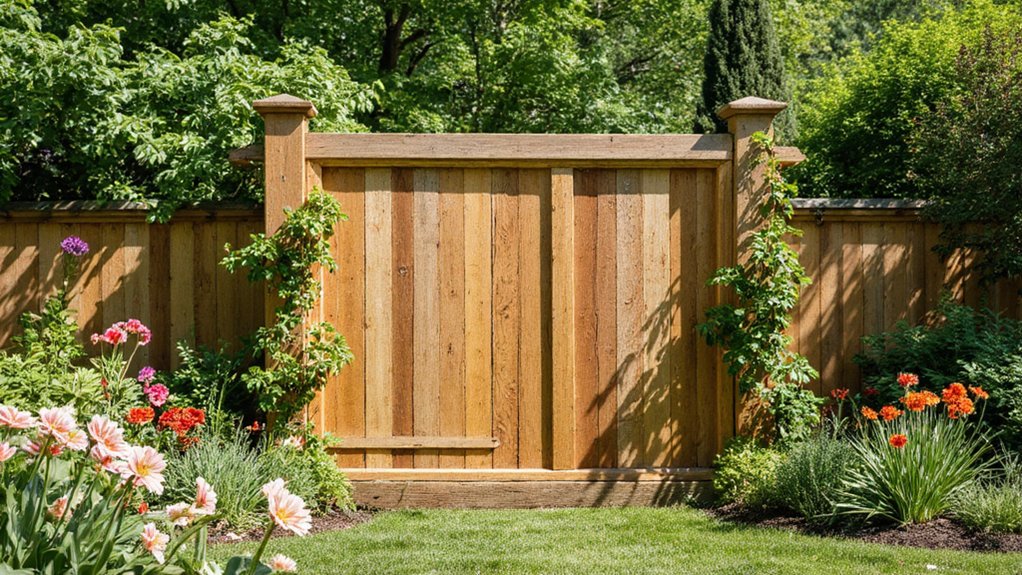
A tall fence can change the appearance of your garden, but careful planning can help it blend with the rest of your outdoor space.
Natural-looking materials, such as wood and woven wire, may suit gardens with plenty of trees, shrubs, and planted areas. Choose a finish that works with the colors already present in your landscape.
Earth tones are often a practical choice because they can blend with soil, tree trunks, and other natural features. The right color will depend on the surrounding plants and the style of your property.
Climbing plants and vines can also soften the appearance of a fence. They can help the structure become part of the garden rather than a separate feature.
Be careful when planting directly beside the fence. Vegetation should not make inspections difficult or place unnecessary pressure on the wire and posts.
Decorative additions, such as lattice sections, can provide visual interest. Just make sure they do not create weak points or openings that reduce the fence’s ability to keep deer out.
Think about how the fence will look from inside the garden and from the outside of your property. A little planning can help you maintain a pleasant outdoor setting while protecting your plants.
Keeping Your Deer Fence in Good Condition
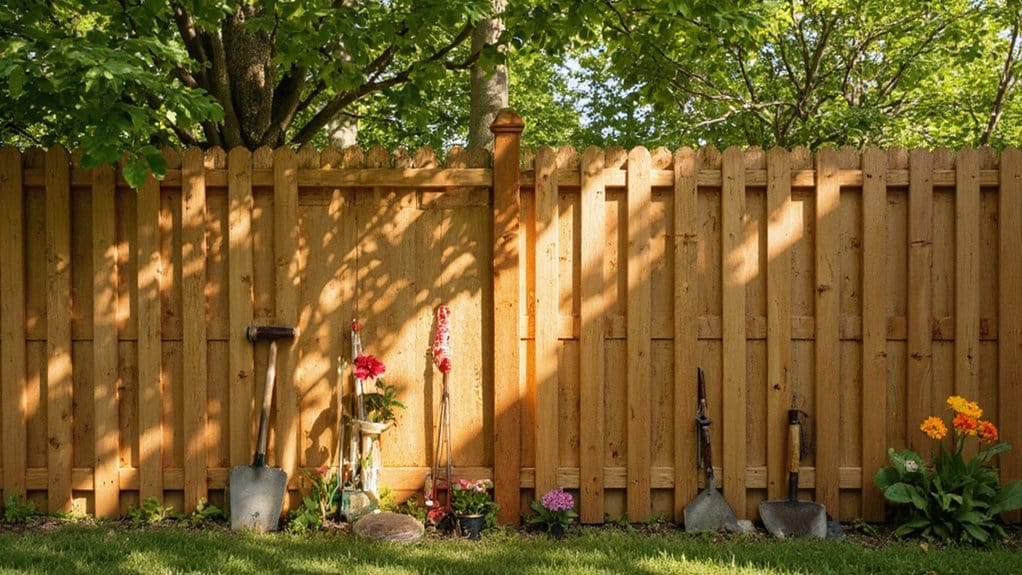
Even a well-installed deer fence needs regular attention. Weather, falling branches, growing vegetation, and general outdoor wear can affect its condition.
Set aside time for seasonal inspections. Walk along the entire fence line and check for signs of damage, including rust, loose wires, leaning posts, and broken sections.
Pay close attention to corners, gates, and areas where the ground is uneven. These locations may develop gaps or weak points that allow deer to enter.
If you notice loose wire, secure it before the opening becomes larger. Replace damaged sections when repairs are no longer enough to keep the fence in good condition.
Wooden posts also need inspection. Look for signs of rot, splitting, or movement in the ground. Treat or replace affected posts when needed to maintain the structure.
Clear away branches, fallen leaves, and other debris that collect around the fence. Remove vegetation that places pressure on the wire or makes it difficult to see damaged sections.
Check the fence after severe weather, too. Heavy rain and strong winds can affect posts and supporting structures, especially in areas with loose or uneven soil.
Regular care helps extend the life of your fencing and reduces the chances of deer finding an easy way into your garden.
Frequently Asked Questions About Deer Fence Height
How High Can Deer Jump When Startled?
Deer are capable jumpers and can jump up to eight feet when startled. Their jumping ability is one reason lower garden fences may not provide enough protection.
An 8-foot fence is commonly recommended when you want to discourage deer from entering your property. The surrounding layout and the design of the fence also matter.
Do Deer Prefer Certain Types of Plants?
Yes. Deer commonly feed on tender leaves, vegetables, fruits, and other vegetation. Young plants and flowering garden beds can be especially attractive when food is available.
Understanding which plants deer visit can help you decide where to place fencing and which areas need additional protection.
Will Deer Dig Under a Fence?
Deer may try to pass underneath a fence when there is an opening near the ground. A poorly fitted lower edge can leave enough space for animals to enter.
Check the bottom of your fence along its entire length. Burying the lower edge or using an outward-facing section may help discourage animals from passing underneath.
How Far Should the Fence Be From My Garden?
Leaving around 3 to 5 feet between the fence and your garden can provide room for access and maintenance. This spacing can also make it harder for deer to reach plants through the barrier.
The exact distance depends on your garden layout, available space, and the design of the fence.
Can Deer Learn to Get Around Fences Over Time?
Yes. Deer may become familiar with the layout of a property and look for openings or weaker sections in a fence.
Regularly check the entire barrier for gaps, loose wire, and damaged posts. A fence that remains in good condition is less likely to offer an easy entry point.
Choosing a Deer Fence That Protects Your Property
Choosing the right deer fence height can make a real difference when protecting your garden and outdoor space. An 8-foot fence is a common recommendation because deer can jump over many shorter barriers.
Material choice, ground conditions, fence placement, and the amount of deer activity around your property should all guide your decision.
You can also combine fencing with scent-based repellents, physical barriers around individual plants, and motion-activated devices. These extra measures may help discourage deer from approaching areas where you grow vegetables, flowers, and other plants.
Once your fence is installed, make time for regular inspections. Repair loose wires, replace damaged posts, and clear away vegetation that interferes with the structure.
With suitable planning and ongoing care, your deer fence can help protect your garden while fitting naturally into your property.