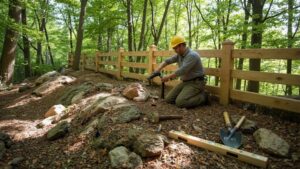

Installing ornamental fencing on sloped driveways and landscaped yards takes careful planning. Uneven ground, changing elevations, drainage patterns, and existing plants can all affect the finished fence. A design that works well on flat ground may need adjustments when installed along a slope.
The goal is to create a fence that follows the shape of the property while maintaining a consistent appearance. The posts, panels, and ground clearance must all work together. Material selection also matters, especially in areas where rainwater runoff or shifting soil can affect the fence over time.
With proper measurements and a suitable installation method, ornamental fencing can fit naturally into both sloped driveways and landscaped outdoor spaces. Understanding the terrain before construction begins can help prevent alignment problems, unnecessary adjustments, and future repairs.
Key Takeaways
- Assess the property’s elevation, slope, soil condition, and drainage before planning the fence layout.
- Consider racked or stepped fence panels to accommodate changes in ground level.
- Choose materials such as wrought iron or aluminum for their strength and resistance to outdoor conditions.
- Match the fence design, color, and finish with the home’s exterior and surrounding landscaping.
- Pay attention to post depth, panel alignment, and ground clearance during installation.
- Inspect the fence regularly for loose fittings, surface damage, drainage problems, and signs of soil erosion.
Assess Your Site’s Elevation and Terrain
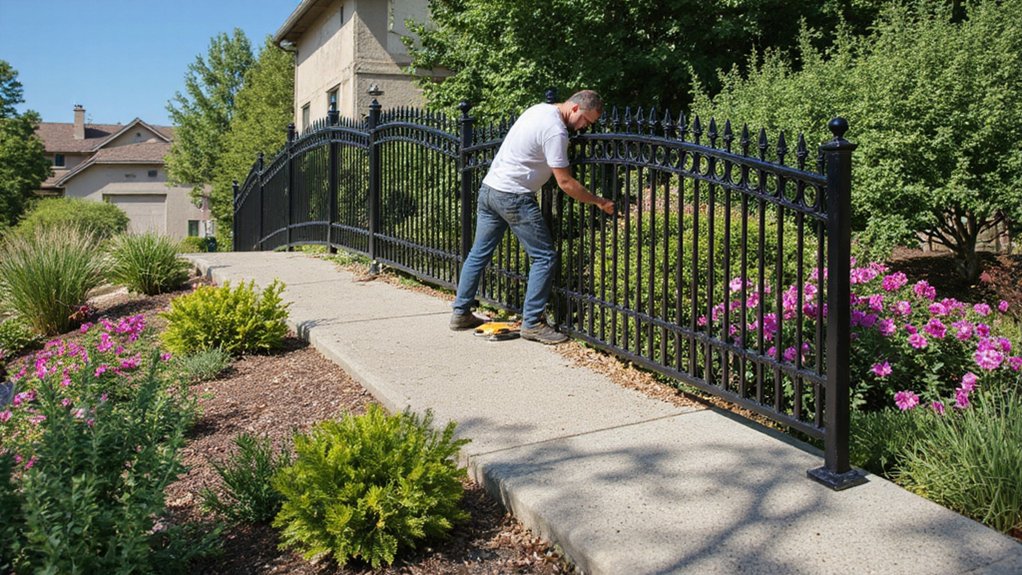
Before starting an ornamental fence installation, take time to understand the shape of the property. Sloped driveways and landscaped yards rarely have completely even ground. Some areas may have a gradual incline, while others may include sharp changes in elevation.
Begin by measuring the height differences along the planned fence line. Walk the entire installation area and identify high points, low spots, dips, and sections where the ground changes direction. These measurements will help determine the panel arrangement and the amount of adjustment needed at each post.
Pay close attention to the driveway entrance. The slope near the road may differ from the incline closer to the garage. A fence installed without accounting for these changes can leave uneven gaps beneath the panels or create alignment problems between sections.
Soil condition deserves attention as well. Loose soil, recently filled ground, and areas affected by erosion may require additional preparation before posts are installed. The stability of the soil affects how well the fence remains upright over time.
Drainage is another part of the site assessment. Observe where rainwater flows and whether water collects near the planned post locations. Poor drainage can weaken the soil around fence posts and contribute to movement or corrosion.
Existing landscape features should also be included in the planning process. Trees, shrubs, garden borders, retaining walls, irrigation lines, and paved surfaces may affect where the fence can be placed.
A careful site inspection gives you a clearer picture of the work involved. It also helps prevent problems that might otherwise appear after the fence has been installed.
Selecting the Best Ornamental Fence Styles for Sloped Terrain
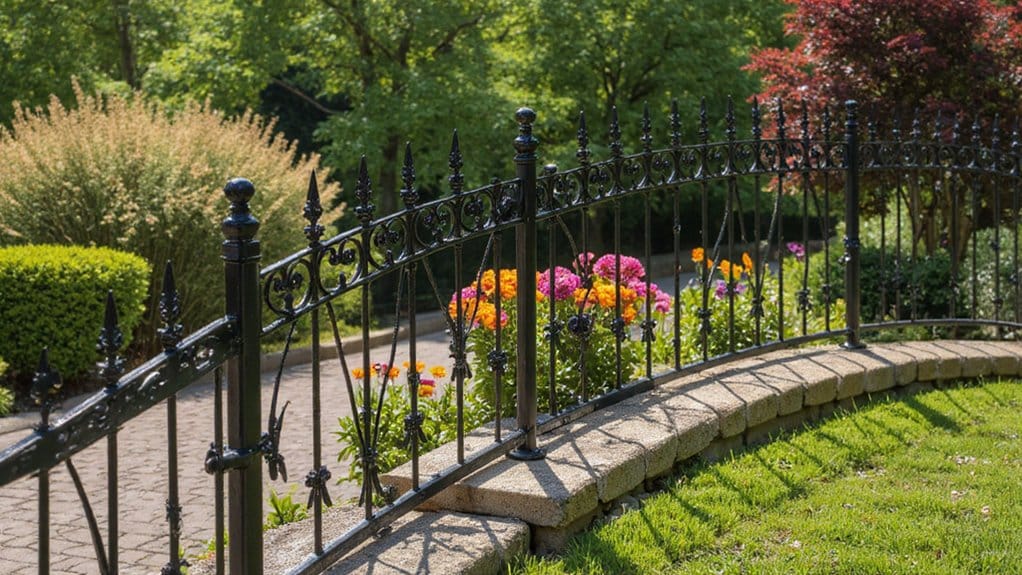
Choosing an ornamental fence for uneven ground involves more than selecting an attractive design. The panels must also accommodate the property’s elevation changes without looking out of place.
Two common installation styles are racked fencing and stepped fencing. Each works differently, so the right choice depends on the slope and the appearance you want to achieve.
Racked ornamental fencing follows the angle of the ground. The horizontal rails adjust to the incline, allowing the panels to follow the natural contour of the property. This approach can create a continuous appearance along gradual slopes.
Racked panels are often useful for driveways and landscaped yards where the ground changes height gradually. Since the panels follow the terrain, the distance between the bottom rail and the ground can remain relatively consistent.
Stepped ornamental fencing uses panels installed at different heights. Each section remains level, while the next section begins at a slightly higher or lower position. The finished fence has a stepped appearance that follows the slope in sections.
This method can work well on properties with sharper elevation changes. It may also suit landscapes where the owner prefers clearly defined fence sections.
Material selection is another consideration. Wrought iron offers a traditional appearance with decorative details such as pointed pickets, curved elements, and ornamental finials. Aluminum provides a lighter alternative and is commonly available in several colors and panel designs.
The fence height should also suit the surrounding property. A taller fence may provide more separation from the street, while a shorter design can preserve views of gardens and outdoor features.
Before making a final decision, compare the fence style with the home’s exterior, driveway layout, and existing landscape features. The right design should look natural across both level and sloped sections of the property.
How to Install Fences on Sloped Driveways
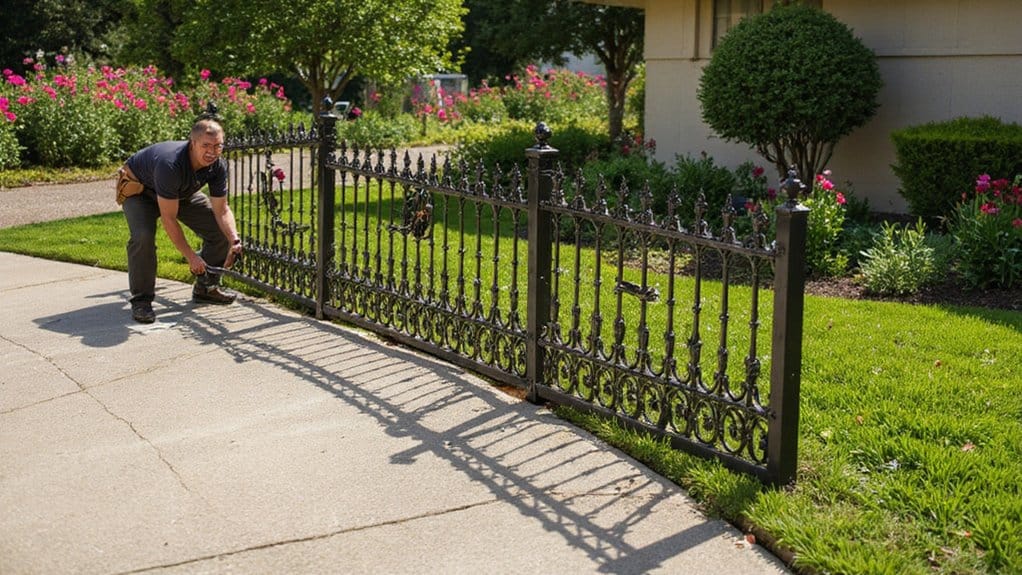
Installing ornamental fencing along a sloped driveway requires careful attention to measurements and post placement. Driveways often have changing gradients, which means the fence cannot always follow a simple straight line at a uniform height.
The installation method should account for the driveway’s incline, the condition of the surrounding soil, and the space available between the fence and the paved surface.
Assessing Slope Gradients
Start by measuring the slope along the full length of the proposed fence line. A standard level, measuring tape, or digital inclinometer can help determine how much the ground rises or falls between sections.
Take measurements at several points rather than relying on one reading. A driveway may have a gentle incline near the entrance and become much steeper closer to the house.
These changes affect the spacing and height of the fence panels. If the slope is gradual, racked panels may follow the ground without creating large gaps. Stepped panels may be more suitable where the elevation changes sharply.
Check both sides of the driveway if fencing will be installed along each edge. The ground levels may differ, even when the paved surface appears symmetrical.
It is also worth checking how vehicles enter and leave the driveway. The fence should not obstruct turning space, reduce visibility, or interfere with gates and vehicle access.
Accurate measurements make it easier to plan the panel layout before any posts are set in place.
Choosing Appropriate Materials
The material you select should suit the outdoor conditions and the amount of maintenance you are prepared to handle.
Aluminum is a common choice for ornamental driveway fencing. It is lightweight, does not rust like untreated iron, and is available in finishes that can suit different architectural styles. Its lighter weight can also make handling and installation easier.
Wrought iron offers a heavier appearance and works well with traditional or decorative property designs. It can provide a sturdy fence structure, although the surface needs suitable protection against moisture and corrosion.
Vinyl may also be considered where the design and slope allow its use. It does not require painting, although the panel construction and support system should be checked carefully before installation on uneven ground.
Wood is another option, especially for properties with a natural or rustic landscape. It can complement garden settings, but it generally needs regular staining, sealing, or painting to protect it from weather exposure.
Pay attention to how the panels connect to the posts. Adjustable brackets can help accommodate changes in panel angle, depending on the fence system being used.
The finish should also suit the property. Black and bronze are common ornamental fence colors, while other finishes may work better with the home’s exterior and surrounding plants.
Installation Techniques Explained
Once the layout and materials have been selected, the installation can begin. Mark the planned fence line and identify the location of each post. Use the measurements from the site assessment to determine where panel adjustments will be needed.
Post spacing should follow the manufacturer’s panel specifications. Uneven spacing can create alignment problems and may place unnecessary pressure on the connections.
The installation method will depend on the slope. With a racked layout, the panels are adjusted to follow the ground. With a stepped layout, each panel remains level, and the posts are positioned at different heights to create the stepped pattern.
Dig post holes to the depth and width required for the fence system and local ground conditions. Steeper slopes or loose soil may require deeper footings or additional support. Concrete footings are commonly used to hold posts in position, although the correct approach depends on the site and fence design.
Check each post for vertical alignment before the concrete sets. Even a small error can become more noticeable as additional panels are attached.
When fitting the panels, confirm that the brackets are secure and that the rails follow the planned layout. Avoid forcing panels into position, as this can place stress on the rails, pickets, and connection points.
Ground clearance also needs attention. Leave enough space beneath the fence to accommodate the slope and allow water to move through the area. The required clearance will depend on the panel design, ground conditions, and intended use of the fence.
Before completing the installation, inspect the full fence line. Check the post alignment, panel connections, gate movement, and spacing between sections.
Careful work at each stage helps create an ornamental fence that fits the driveway without unnecessary gaps or awkward changes in height.
Integrating Ornamental Fencing With Your Landscape Design
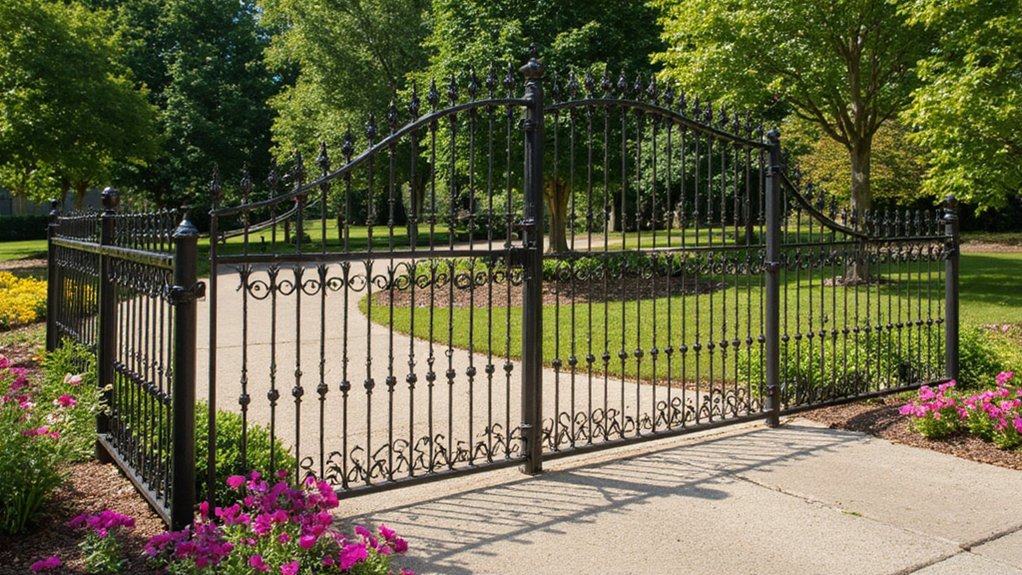
An ornamental fence should look like part of the property rather than an addition that has been placed without considering the surrounding landscape.
Start by looking at the home’s architectural style and the existing outdoor features. A decorative wrought iron fence may suit a traditional home with stone pathways, mature trees, or formal garden beds. A simple aluminum design may work better with a modern property that has clean lines and minimal landscaping.
Color also affects the finished appearance. Dark finishes can create a clear boundary while allowing flowers and greenery to stand out. Bronze and other earth-toned finishes may blend more naturally with stonework, brick, and wooden features.
Think about where the fence will be positioned in relation to gardens, patios, walkways, and retaining walls. A fence can frame a garden without blocking the view of its plants. Around a patio, it can define the outdoor seating area while keeping the space visually connected to the rest of the yard.
Plant placement deserves some planning too. Shrubs and flowering plants can soften the appearance of metal fencing. Low-growing plants may work well along the fence line, while taller shrubs can provide additional screening in selected areas.
Leave enough room between plants and the fence for trimming, cleaning, and inspection. Dense growth against metal panels can trap moisture and make it harder to spot surface damage.
If the property includes retaining walls or raised garden beds, check how the fence will meet these features. Sudden changes in height or poorly planned connections can interrupt the overall appearance.
A well-positioned ornamental fence can define different outdoor areas while allowing the landscaping to remain the main visual feature.
Overcoming Common Challenges in Sloped Fence Installation
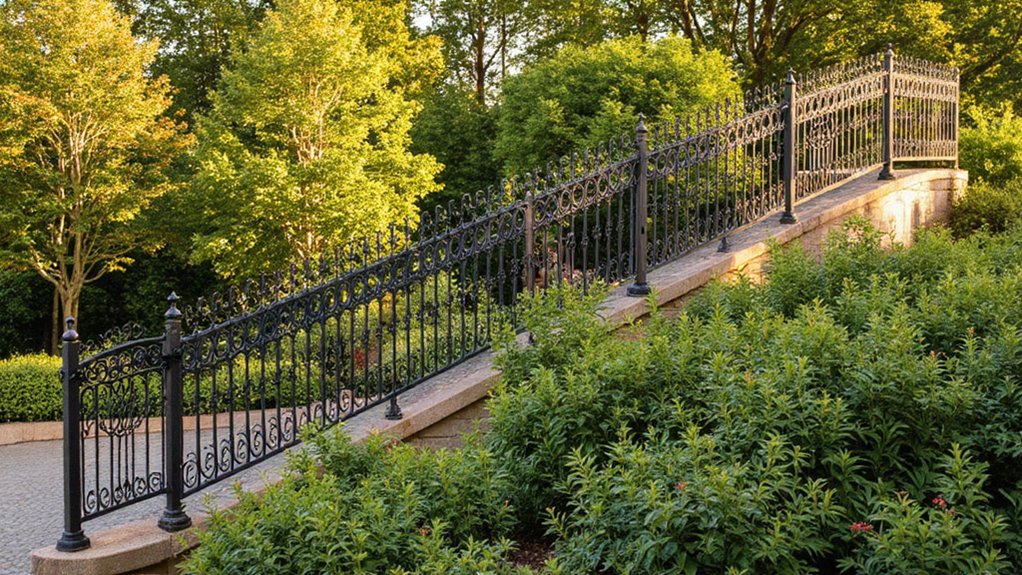
Sloped properties can present several installation challenges. Changes in elevation, soil movement, water runoff, and limited working space may all affect the finished fence.
One common problem is maintaining a consistent appearance across uneven ground. A panel layout that looks level from one position may appear uneven when viewed from the driveway or street.
Planning the fence line before installation helps avoid this problem. Compare the proposed layout from different viewing angles and decide whether racked or stepped panels will suit the property.
Post stability is another concern. Fence posts installed in loose or eroding soil may begin to lean over time. The footing depth, post spacing, and soil condition should all be considered before setting the posts.
Water runoff can create further problems. When rainwater flows down a slope, it may wash away soil around the post footings. Directing water away from these areas and maintaining suitable drainage can help protect the fence structure.
Gaps beneath the panels also need attention. On a stepped fence, the distance between the ground and the bottom rail may change from one section to another. Large openings can affect the appearance of the fence and may allow pets to pass through.
Where necessary, consider suitable landscaping or ground preparation to reduce these gaps. Avoid placing panels too close to the soil, since direct contact with wet ground can contribute to material deterioration.
Property boundaries and underground services should be checked before digging. This is especially important where driveways, irrigation systems, utility lines, or retaining walls are close to the planned fence location.
Local fencing rules may also set limits on fence height, placement, and visibility near roads or driveways. Check the applicable requirements before construction begins.
Addressing these concerns during the planning stage can reduce installation difficulties and help the fence remain in good condition.
Maintenance Tips for Ornamental Fences on Slopes
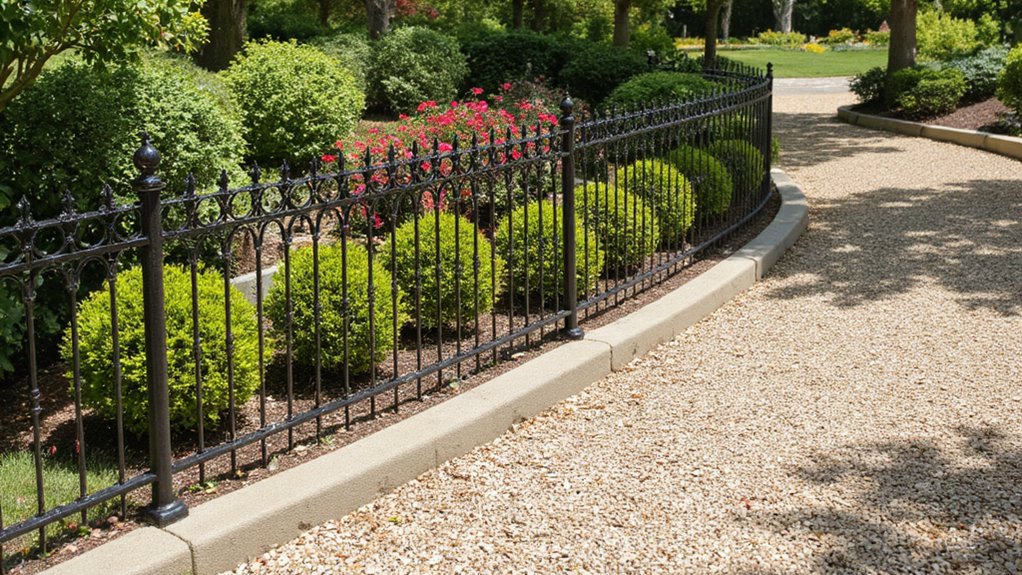
An ornamental fence installed on a slope needs regular attention, especially in areas exposed to rainwater runoff and changing soil conditions.
Begin with routine visual inspections. Walk along the fence line and look for leaning posts, loose brackets, damaged panels, peeling paint, or signs of corrosion. Pay extra attention to the lower sections, where dirt and moisture may collect.
Drainage should remain clear around the post footings. Remove accumulated leaves, soil, and other debris that could block the natural flow of water. If runoff repeatedly collects in one area, consider whether the surrounding ground needs adjustment or an additional drainage solution.
Cleaning the fence also helps protect its finish. Use mild soap and water to remove dust, mud, and other buildup. A soft brush or cloth can help clean decorative details without scratching the surface.
The care required will depend on the material. Aluminum fencing generally needs less surface maintenance than wrought iron. Iron fencing may need occasional paint repairs or a protective coating to help prevent rust.
Check all brackets, screws, and other connections during inspections. Tighten loose fittings where appropriate and replace damaged hardware with parts suited to the fence system.
Vegetation should also be kept under control. Trim branches that rub against the panels and remove plants that grow too close to the posts. Roots and soil movement near the fence may affect the surrounding ground, so keep an eye on areas where erosion begins to appear.
After heavy rain, inspect the lower sections of the fence for washed-out soil or standing water. Early attention to these problems can help prevent larger repairs later.
A regular maintenance routine helps preserve the fence’s appearance and gives you an opportunity to address small problems before they affect larger sections.
Frequently Asked Questions
What Materials Are Best for Fences on Steep Slopes?
Aluminum and wrought iron are common choices for ornamental fences on steep slopes. Aluminum is lightweight and resists rust, while wrought iron offers a heavier appearance and a traditional decorative style.
Vinyl may also be suitable for certain installations, depending on the panel design and slope. The material should be selected based on soil conditions, weather exposure, maintenance needs, and the type of fence support required.
How Do I Calculate Fence Height for Uneven Ground?
Measure the ground elevation at several points along the planned fence line. Record the highest and lowest points, along with the changes in height between individual post locations.
These measurements will help determine whether the fence should follow the ground with racked panels or use level sections in a stepped arrangement.
Also consider the intended fence height and any local restrictions. The finished layout should maintain a consistent appearance without creating unnecessary gaps beneath the panels.
Can I Install a Fence Myself on a Slope?
Yes, a homeowner with suitable tools and construction experience may be able to install an ornamental fence on a slope.
The work involves accurate measurements, correct post placement, suitable footings, and careful panel adjustments. Steeper slopes can make the process more difficult, especially where the soil is loose or the driveway has several changes in elevation.
For complicated layouts, professional installation may help prevent problems with alignment, post stability, and drainage.
What Permits Are Required for Fencing on Sloped Properties?
Permit requirements depend on local rules, fence height, property location, and the proposed installation area.
Some locations have restrictions on fence height near roads, sidewalks, and driveway entrances. Rules may also apply to fences placed near retaining walls or property boundaries.
Check with your local building department or relevant authority before starting work. Confirming property lines is also important, since an incorrectly placed fence can create boundary disputes.
How Can I Prevent Soil Erosion Near the Fence?
Planting vegetation with deep roots can help hold soil in place around the fence. Ground cover, suitable shrubs, and other plants can reduce the amount of exposed soil.
Drainage improvements may also help control runoff. Swales, properly directed downspouts, and other suitable drainage features can move water away from vulnerable areas.
Inspect the ground after heavy rain to identify early signs of erosion. If soil continues to wash away near the post footings, the area may need additional ground support or professional drainage work.
Conclusion
Ornamental fencing can work well on sloped driveways and landscaped yards when the installation is planned around the property’s natural shape. Measuring elevation changes, selecting suitable panel styles, and preparing stable post footings all contribute to a better finished result.
Racked and stepped fencing offer different ways to manage uneven ground. The right option depends on the slope, the fence material, and the appearance you want to achieve.
The surrounding landscape also deserves attention. A fence that complements the home’s exterior, garden beds, and outdoor features can define the property without making the space feel enclosed.
Regular inspections, clear drainage paths, and timely repairs will help protect the fence over the years. With careful planning and proper installation, an ornamental fence can provide a neat boundary while fitting naturally into the property’s existing landscape.
Homeowners looking for professional fencing services in Sooke and across Vancouver Island can contact an experienced fence contractor for help with their fencing projects