A backyard pool can be a great place for children to cool off, play, and spend time with family. It also needs careful attention, especially when young children are nearby.
Good pool safety starts with simple habits. Keep children within sight, set clear rules, use proper safety equipment, and make sure everyone knows what to do if something goes wrong. Even confident swimmers need supervision because situations around water can change very quickly.
A few sensible steps can make pool time safer without taking away from the fun.
Key Takeaways
- Always supervise children closely while they are in or near the pool. Avoid distractions and stay within reach of younger children.
- Set clear pool rules, such as no running, no rough play, and swimming only when an adult is present.
- Keep useful safety equipment nearby, including rescue equipment and a first aid kit.
- Teach children basic water skills, including floating, treading water, and getting out of the pool safely.
- Make sure adults in the household know how to respond during a pool emergency, including when and how to perform CPR.
- Use fences, self-closing gates, alarms, and other barriers to help prevent children from reaching the pool without an adult.
- Check the pool area regularly for hazards, damaged equipment, and access points that may need attention.
Understanding the Dangers of Backyard Pools
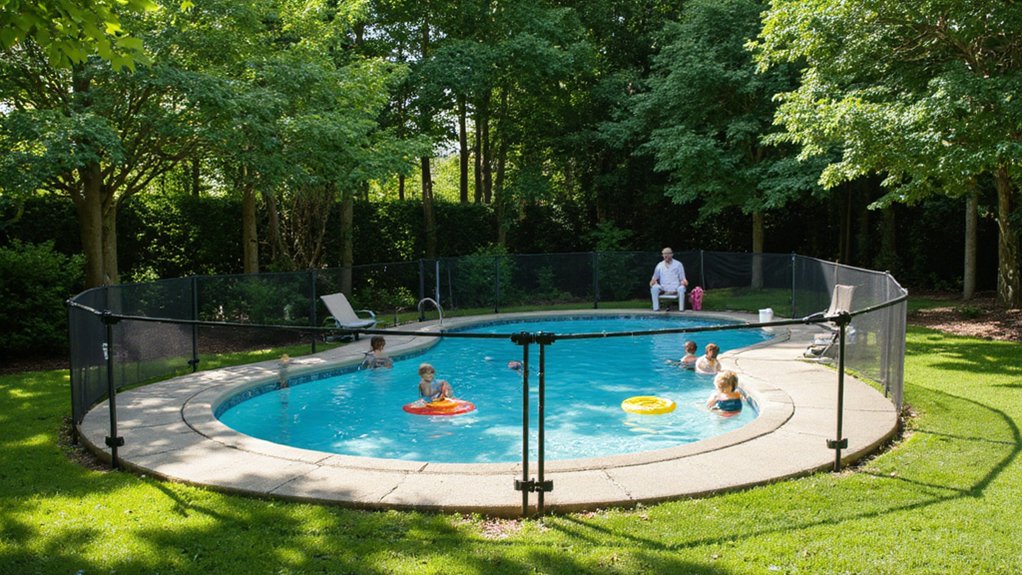
Backyard pools can become dangerous very quickly when children are nearby. Slippery surfaces, unexpected falls, deep water, drains, and unsupervised access can all create risks.
Drowning is one of the biggest concerns. Young children may not be able to call for help or make enough noise to attract attention. A child can also get into trouble in a short amount of time, even in relatively shallow water.
That’s why supervision matters so much. An adult should stay close and keep their attention on the children rather than relying on another person, a pool float, or a swimming ability to keep them safe.
Pool barriers can provide another layer of protection. A properly installed fence with a self-closing, self-latching gate can help prevent a child from entering the pool area when no adult is present.
It also helps to look at the pool area from a child’s point of view. Check whether chairs, tables, toys, or other objects could make it easier for a child to climb over a barrier or reach an access point.
Establish Pool Rules for Children
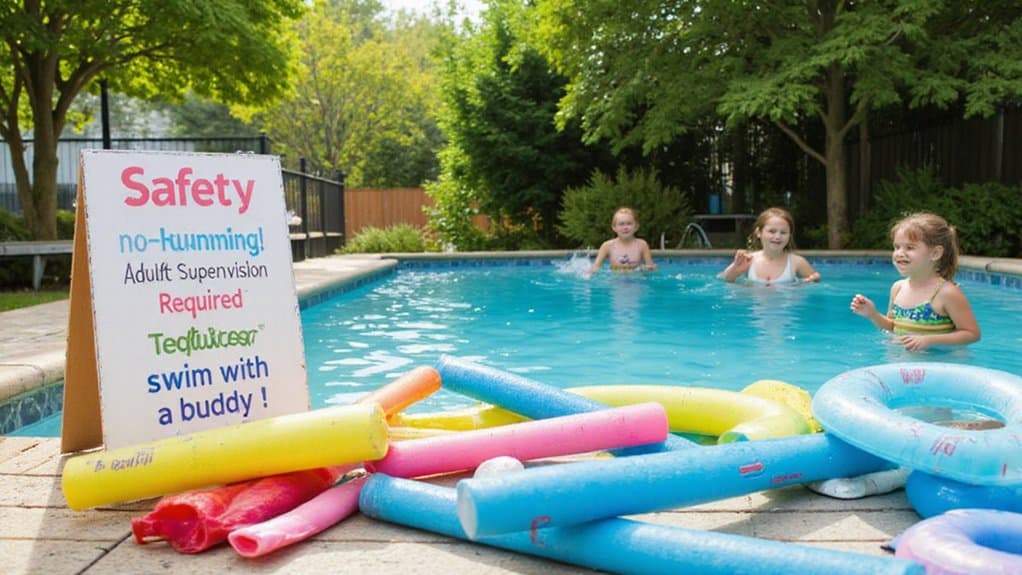
Children need simple rules they can understand and remember. Pool rules should be explained before swimming begins, not after a child has already broken one.
Keep the rules short and easy to follow. Explain why they exist, too. When children understand the reason behind a rule, they’re more likely to remember it.
Set Clear Guidelines
Start with a few basic rules that apply every time children use the pool.
Running around the pool should be off-limits because wet surfaces can be slippery. Rough play can also lead to falls, collisions, or accidental submersion. Children should never push, shove, or hold another child underwater.
Set boundaries for where children can swim and play. If some areas of the pool are deeper than others, make sure children know which areas are appropriate for their swimming ability.
Swimming with a buddy can also be encouraged for older children, but it should never replace adult supervision for younger swimmers.
Adults should follow the same rules. Children tend to copy what they see, so calm and careful behavior around the pool can reinforce the habits you’re teaching them.
Review the rules before pool parties or family gatherings. Guests may not know your usual expectations, so a quick reminder can prevent confusion.
Enforce Consequences Consistently
Rules only work when children know they will be taken seriously. If a child repeatedly breaks a pool rule, respond calmly and consistently.
For example, a child who keeps running near the pool may need to take a break from swimming. The consequence should be reasonable, easy to understand, and connected to the behavior.
Explain what happened and remind the child of the rule. Avoid turning the situation into a long argument. The goal is to teach safer behavior, not simply to punish the child.
Make the expectations clear before swimming begins. When children already know the rules and what happens if they ignore them, there is less confusion later.
Why Supervision Is Key When Your Kids Are Swimming?
Close supervision is one of the simplest ways to reduce the risk of a pool accident. An adult should actively watch children whenever they are in or near the water.
Being nearby is not the same as supervising. Reading, using a phone, preparing food, or having a long conversation can take your attention away from the pool.
Young children need especially close attention. Stay close enough to reach them quickly, particularly if they are still learning to swim.
Older children and confident swimmers also need supervision. Swimming ability can change the level of risk, but it does not remove it. Fatigue, cramps, rough play, or an unexpected fall can happen to any swimmer.
For gatherings, consider assigning one adult to watch the pool at a time. Taking turns can help make sure someone remains focused on the children instead of assuming another adult is watching.
Essential Pool Safety Equipment Every Family Needs
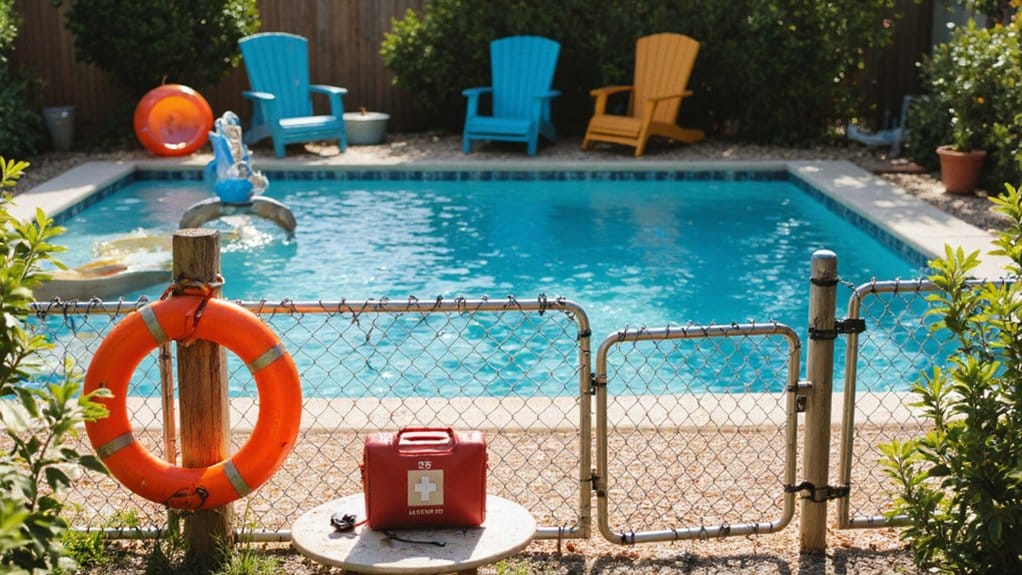
Having the right equipment nearby can help you respond more quickly if an accident occurs. Safety equipment should be easy for adults to reach and kept in good condition.
A properly fitted life jacket can be useful for children who need extra support in the water, particularly during boating or other activities where flotation equipment is appropriate. Remember that flotation devices are not a substitute for supervision.
Keep rescue equipment close to the pool. A reaching pole and a life ring can give an adult a way to assist someone from outside the water.
A first aid kit should also be easy to access. Check it from time to time and replace anything that has been used or has expired.
A phone should be available near the pool area so an emergency call can be made without leaving children unattended. It’s also helpful for adults to know the exact address of the property in case emergency services need to be contacted.
Learning child CPR can give parents and caregivers useful skills for dealing with a serious emergency while professional help is on the way.
Teach Kids Pool Safety Skills
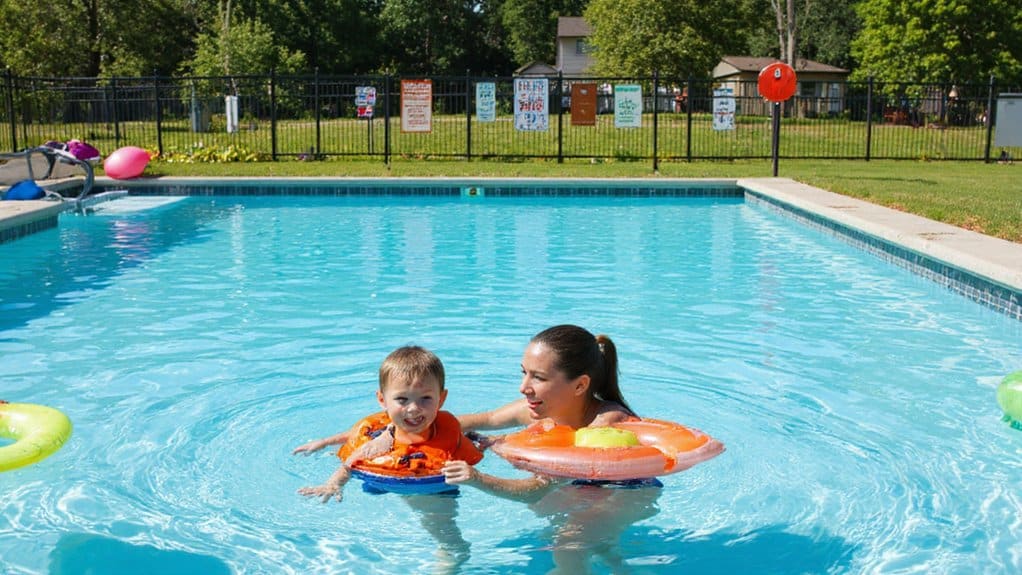
Swimming lessons can help children become more comfortable and capable in the water, but swimming ability should never be treated as a guarantee of safety.
Children can also benefit from learning what to do if they unexpectedly fall into water, become tired, or find themselves in a deeper area.
Basic Swimming Techniques
Children can start by learning how to float and control their breathing. These skills can help them stay calmer if they unexpectedly enter the water.
Treading water is another useful skill, particularly for older children who are ready to swim in deeper areas. Children should also learn how to turn around, find the pool edge, and get out of the water safely.
Swimming lessons can introduce different strokes and help children build their abilities at a pace that suits their age and development.
Water awareness is just as important. Children should learn to notice slippery surfaces, deep areas, pool drains, and other possible hazards.
Keep practicing these skills over time. A child who learned to swim several months ago may still need regular practice to maintain their confidence and ability.
Emergency Response Training
Children should know what to do if they see someone in trouble in the water. One of the most useful lessons is simple: get an adult immediately.
Teach children not to jump into the pool to rescue another person unless they have been specifically trained to do so. A child attempting a rescue can quickly become a second person in danger.
Older children can learn how to call emergency services and clearly provide the information an operator needs. They should know their home address and understand how to find a nearby phone.
Emergency drills can help children become familiar with these steps. Keep the practice calm and age-appropriate rather than frightening them.
Adults should receive more detailed training, including CPR and first aid, so they are prepared to take action while waiting for emergency responders.
Importance of Supervision
Even children who have swimming lessons and know basic water safety still need adult supervision.
Stay close enough to respond quickly. Watch the children rather than simply listening for signs of trouble. Quietness does not always mean everything is fine.
If several adults are present, decide who is watching the pool. This avoids the common assumption that someone else is paying attention.
Take breaks when needed, but make sure another responsible adult takes over supervision before you step away.
Install Pool Barriers and Alarms
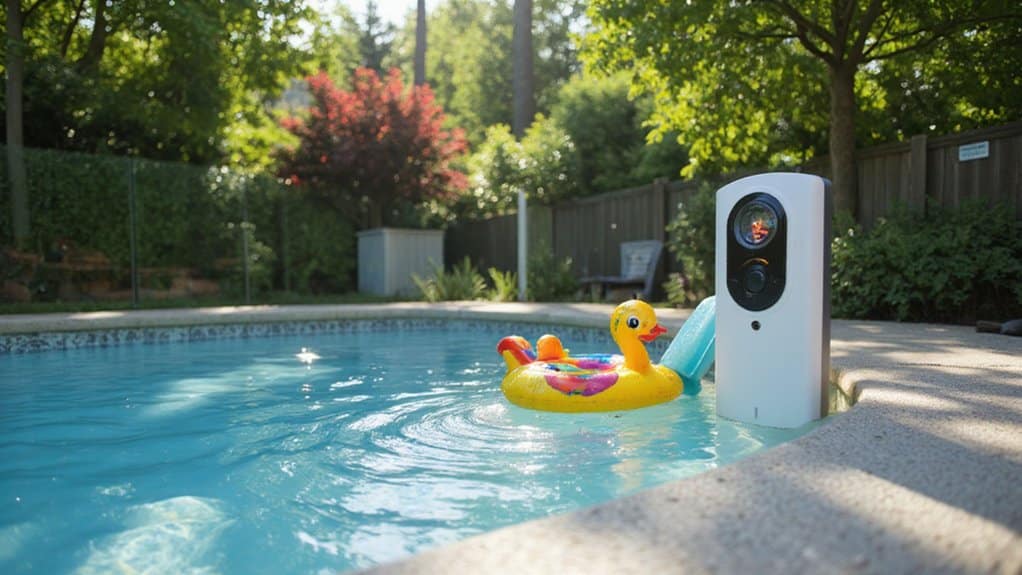
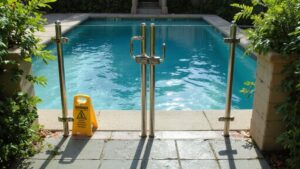
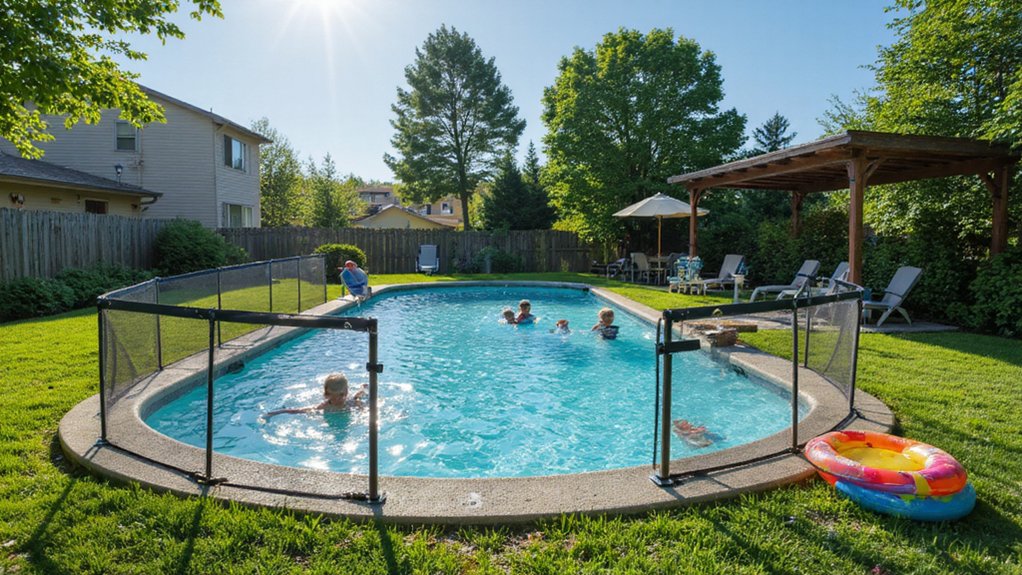
A physical barrier can help stop children from reaching the pool when an adult is not present. A fence around the pool area should be difficult for a child to climb and should have a self-closing, self-latching gate.
The original guidance recommends barriers that are at least four feet high. Local rules may set different requirements, so check the regulations that apply where you live before installing or changing a pool fence.
Pool and door alarms can also alert adults when someone enters the water or opens an access point. These devices can be useful as an extra layer of protection.
They should not be treated as a replacement for a fence or supervision. Check alarms regularly to make sure they are working as expected.
Look over the fence, gate, locks, and surrounding area from time to time. A loose latch, damaged section, or object placed next to the fence can create an access problem.
What to Do in Case of an Emergency?
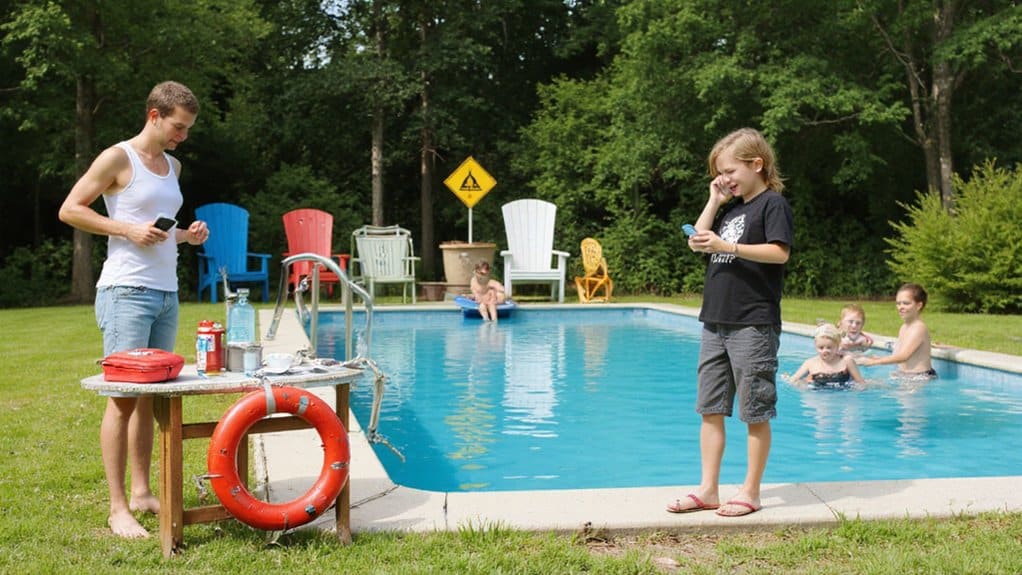
Even with careful planning, emergencies can happen. Knowing what to do ahead of time can make it easier to respond without losing precious time.
If someone is in distress, call emergency services immediately. In the United States, dial 911. If another adult is nearby, ask them to make the call while you assist the child.
Avoid putting yourself in danger during a rescue. If a person is within reach, use a reaching pole or other rescue equipment when possible. Throwing a flotation device may also help. Entering the water can put an untrained rescuer at risk.
If the child is not breathing normally, CPR may be needed. Adults who care for children around pools should consider taking a recognized CPR and first aid course so they know what to do during a serious emergency.
Keep a phone close to the pool and make sure the pool area is easy for emergency responders to access. Know your address and make sure other caregivers know it too.
Organize Pool Safety Training for Kids
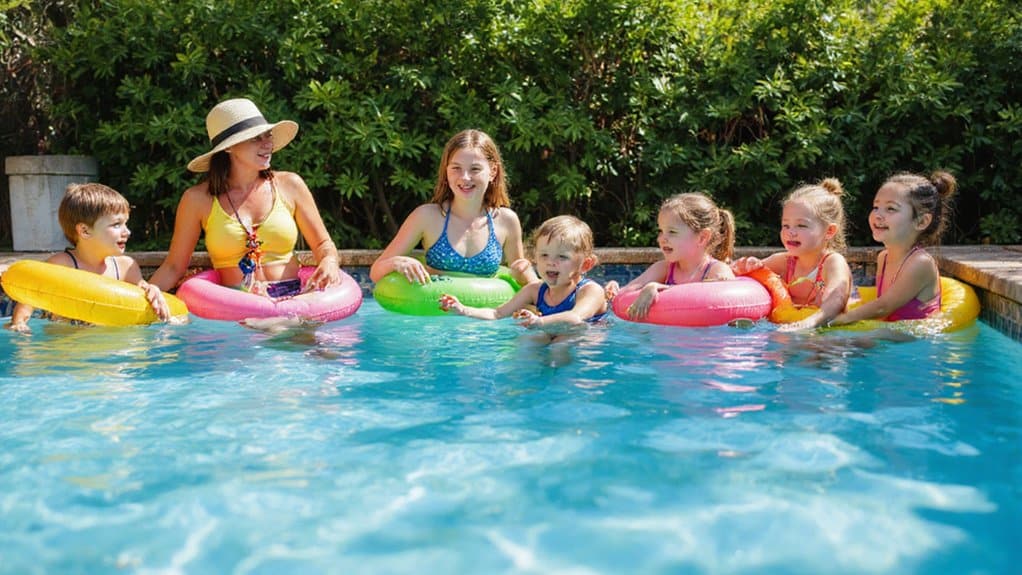
Pool safety lessons don’t have to feel like a formal class. Children can learn through swimming lessons, supervised practice, games, and simple conversations about what to do around water.
Swimming instruction can help children learn skills such as floating, treading water, swimming to the pool edge, and getting out safely.
Look for instructors who have experience working with children and who teach skills appropriate for the child’s age and swimming ability.
You can also practice simple safety situations at home. Ask your child what they would do if they accidentally fell into the pool, saw a friend in trouble, or couldn’t find an adult nearby.
Keep the conversation calm and practical. The goal is to help children understand what safe behavior looks like and when they need to ask an adult for help.
As children grow, review the rules and skills with them. Their swimming ability, confidence, and understanding of risk will change over time.
Creating a Safe and Fun Pool Environment
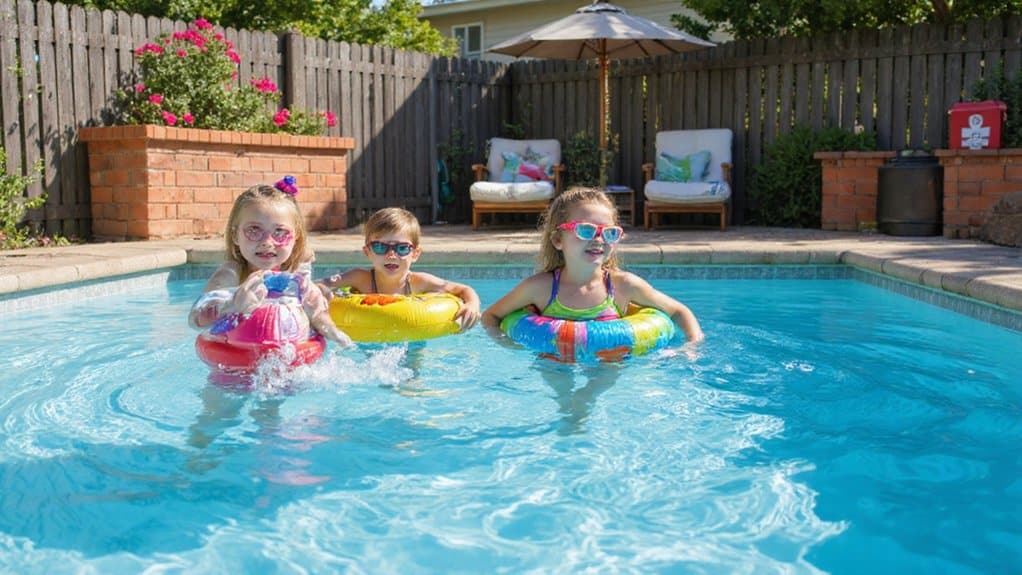
A safer pool area starts with good boundaries and regular attention to the space around the water.
A fence can help keep young children away from the pool when no adult is present. Make sure the gate closes and latches properly every time.
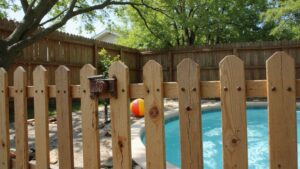
Depending on your property and local requirements, a wood fence or chain-link fencing can be considered as part of the pool barrier.
Keep the area around the pool clear of clutter. Toys, furniture, cleaning supplies, electrical items, and other objects should be stored where children cannot misuse them.
Pool toys can make swimming more enjoyable, but they should not be treated as safety equipment. A float or inflatable toy can move, tip over, or lose air.
Choose games that suit the children’s swimming abilities and keep the play under adult supervision. Avoid activities that involve pushing, holding someone underwater, or diving in areas that are too shallow.
Take a quick look around the pool before children start swimming. Check the deck, gates, equipment, and water for anything that could create a problem.
Frequently Asked Questions
What Age Should Children Be Before Swimming Unsupervised?
There isn’t one age at which every child becomes ready to swim without supervision. A child’s swimming ability, maturity, water skills, and the pool environment all matter.
The safest approach is to continue adult supervision rather than relying on age alone. Children who are strong swimmers can still become tired or get into trouble unexpectedly.
Swimming lessons can help children build skills, but they don’t remove the need for supervision around a backyard pool.
How Often Should Pool Safety Equipment Be Checked?
Pool safety equipment should be checked regularly to make sure it is ready when needed. The original draft recommends checking equipment at least once a month.
Look at rescue equipment, life jackets, alarms, gates, and other safety items for signs of damage or wear. Replace anything that no longer works properly.
It can also help to check equipment before the start of each swimming season and after periods when the pool has not been used.
Can Inflatable Pools Be as Dangerous as Permanent Ones?
Yes. Inflatable pools can still create drowning risks, especially for young children.
The amount of water may be smaller, but a child can still fall in or become unable to get out. Never assume that a shallow inflatable pool is automatically safe.
Keep young children supervised, remove access when the pool is not being used, and follow appropriate safety measures for the type and size of pool you have.
What Should I Do if My Child Is Afraid of Water?
If your child is afraid of water, don’t force them to jump in or continue when they’re uncomfortable.
Start with small steps. Let them play near the water, sit at the edge with you, or practice getting their face wet when they’re ready. Praise their progress without putting pressure on them.
Swimming lessons with an instructor who works well with children can also help. The goal is to build comfort slowly while keeping the experience positive.
Are There Any Specific Laws About Pool Safety in My Area?
Pool safety rules can vary depending on where you live. Local requirements may cover fencing, gates, alarms, pool construction, inspections, and other safety measures.
Before installing a new barrier or making changes to your pool area, check with your local authority for the rules that apply to your property.
Following local requirements can help you understand what safety features are expected in your area.
Conclusion
Keeping children safe around a backyard pool comes down to habits that are easy to put into practice. Stay close while children are swimming, set rules they can understand, and make sure adults know who is responsible for supervision.
A fence, self-closing gate, alarm, rescue equipment, and first aid supplies can provide added protection. Swimming lessons and water safety training can also help children develop useful skills.
Take a few minutes to check the pool area regularly and review the rules with your family. With steady supervision and sensible preparation, you can make pool time safer while still giving children plenty of room to enjoy themselves.