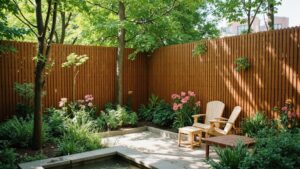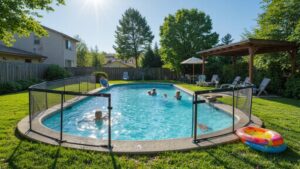
A fence does more than mark property lines. It adds privacy, improves security, and helps define your outdoor space. Like any outdoor structure, though, a fence won’t last forever. Weather, moisture, pests, and everyday wear can slowly weaken it over time.
Spotting problems early can help you avoid larger repairs and unexpected costs. From loose boards to leaning posts, there are several warning signs that suggest your fence may need attention. Here’s what to look for and how to decide whether a repair or full replacement makes the most sense.
Key Takeaways
- Look for loose boards, rotting wood, rusted hardware, and other signs of damage.
- Cracks, splinters, and warped materials can weaken the fence structure.
- Leaning posts and sagging panels often point to stability problems.
- Rust and corrosion can reduce the strength of metal fencing components.
- Regular inspections help catch issues before they become expensive repairs.
Why Regular Fence Inspections Matter
Checking your fence on a routine basis can help you catch small problems before they turn into major repairs. A quick inspection a few times a year may save you both time and money later.
Take a walk around your property and look for damaged boards, loose fasteners, rust, or signs of decay. If you notice something out of place, dealing with it early is usually much easier than waiting until the damage spreads.
Simple upkeep also helps extend the life of your fence. Cleaning, sealing, staining, or repainting when needed can protect the materials from weather-related damage and keep the structure in better condition for years to come.
Common Signs of Wear and Tear
Most fences show signs of aging over time. The key is knowing when normal wear starts affecting the fence’s strength and performance.
Look closely for cracks, splinters, or warped sections. These issues can weaken the structure and make the fence more vulnerable to further damage.
Metal fences, including chain-link fences, should be checked for rust, corrosion, and peeling protective coatings. Moisture exposure can speed up deterioration, especially in areas with frequent rain or humidity.
You should also watch for fading, discoloration, missing boards, or loose connections. These may seem minor at first, but they can lead to larger problems if left unaddressed.
How to Spot Sagging Fence Panels
A fence should appear straight and evenly aligned. If certain sections seem lower than others or appear to lean, sagging may be the cause.
Start with a visual inspection. Compare neighboring panels and look for uneven gaps or sections that dip noticeably. You can also use a level to check whether panels remain upright.
Damaged support rails, rotting wood, or weakened fasteners often contribute to sagging. In many cases, the fence posts are also part of the problem. A post that shifts or leans can pull connected panels out of alignment.
Finding sagging panels early can prevent more extensive repairs later.
Recognizing Rust and Corrosion
Rust doesn’t just affect appearance. It can weaken metal components and reduce the overall strength of your fence.
Early Signs of Rust
Rust often begins as small reddish-brown spots on exposed metal surfaces. Over time, those spots can spread, causing flaking, pitting, and surface damage.
Pay close attention to hinges, screws, brackets, and fence sections that are frequently exposed to moisture. Addressing rust early helps prevent further deterioration.
If rust has already formed, remove the affected material, treat the area, and apply a protective coating designed to resist future corrosion.
How Corrosion Affects Fence Stability
As corrosion progresses, metal components lose strength. Posts, fasteners, and support structures may become less capable of handling stress from wind, weather, and daily use.
Watch for peeling paint, thinning metal, or visible rust buildup. These signs often indicate that corrosion has already begun affecting the fence’s condition.
Regular inspections make it easier to identify these issues before they lead to structural problems.
Maintenance Tips to Prevent Rust
Routine maintenance can help slow or prevent corrosion.
Inspect metal fencing at least twice a year and after severe weather. Remove surface rust when you find it, then apply primer and paint designed for outdoor metal surfaces.
Wood fences also need protection. Sealing and staining help keep moisture out, reducing the risk of rot and decay.
Keeping the fence clean and free from debris around the base can also reduce moisture buildup and extend its lifespan.
Signs of Pest Damage
Insects and other pests can quietly damage a fence long before the problem becomes obvious.
Wood fences are especially vulnerable to termites, carpenter ants, and other wood-damaging insects. Small holes, tunnels, sawdust-like material, or weakened wood may indicate pest activity.
You may also notice droppings, nests, or trails near the fence. These signs should not be ignored.
Regular inspections make it easier to spot pest issues before they cause extensive damage.
How to Inspect for Pest Activity
Start by identifying the fence material. Wood fences require the closest attention because pests often target exposed or damp areas.
Use a flashlight to inspect hard-to-see sections and check for soft spots, hollow sounds, or visible holes. Examine the base of the fence carefully, as many pests enter from ground level.
Metal and vinyl fences can also attract pests if surrounding conditions create shelter or nesting areas. Keep vegetation trimmed and debris cleared away to reduce potential hiding places.
Checking Fence Stability and Security
A fence should feel solid when pressure is applied. If sections move excessively or appear unstable, further inspection is needed.
Gently push against different areas of the fence. Movement, wobbling, or shifting can indicate loose posts or weakened supports.
Check posts for signs of rot, rust, or movement at ground level. Look for gaps beneath panels or between sections of the fence. These may suggest settling or structural movement.
It’s also helpful to observe how the fence performs during strong winds. Excessive movement may point to underlying stability concerns.
Should You Repair or Replace Your Fence?
The answer depends largely on the amount of damage present.
Small issues such as loose boards, isolated rot, or minor rust can often be repaired without replacing the entire fence. Addressing these problems early may help you avoid larger expenses.
When damage becomes widespread, replacement is often the better long-term choice. Extensive rot, multiple leaning posts, large sections of deterioration, or repeated repair needs may indicate that the fence has reached the end of its useful life.
Consider both the immediate repair cost and the long-term value of installing a new fence. A replacement can improve appearance, security, and durability while reducing future maintenance needs.
Preventative Fence Maintenance Tips
A little maintenance goes a long way when it comes to extending the life of your fence.
Inspect the fence regularly and address small problems before they worsen. Tighten loose hardware, replace damaged boards, and repair minor issues as soon as possible.
Apply stain or sealant to wood fences every few years to protect them from moisture and sun exposure. Keep the fence clean by removing dirt, mildew, and debris that can contribute to deterioration.
Pay attention to drainage around the fence line as well. Standing water can weaken posts and accelerate rot. Proper drainage helps protect the structure and keeps it stable over time.
Frequently Asked Questions
How Often Should I Inspect My Fence?
Inspect your fence at least twice a year. Additional checks after major storms can help identify damage before it becomes a larger problem.
What Materials Last the Longest?
Pressure-treated wood, vinyl, aluminum, and galvanized steel are all popular choices for durability. The best option depends on your climate, budget, and maintenance preferences.
Does Weather Affect Fence Lifespan?
Yes. Rain, snow, strong sunlight, and temperature changes can all contribute to wear over time. Regular maintenance helps reduce weather-related damage.
How Can I Find a Trustworthy Fencing Contractor?
Read online reviews, ask for references, verify licensing and insurance, and compare estimates from multiple contractors before making a decision.
Are Eco-Friendly Fence Maintenance Options Available?
Yes. Natural wood treatments, low-VOC stains, and sustainably sourced materials can help reduce environmental impact while protecting your fence.
Conclusion
A fence rarely fails without warning. Leaning posts, sagging panels, rust, rot, and pest activity are all signs that something may need attention. Regular inspections help you catch these issues early, giving you the opportunity to make repairs before the damage spreads.
Whether your fence needs a simple fix or a complete replacement, staying proactive will help protect your investment and keep your property secure for years to come.
Change Notes
- Kept the original title unchanged.
- Rewrote the content in a more natural, conversational style.
- Removed repetitive phrasing and tightened sentence structure.
- Improved flow between sections for easier reading.
- Simplified wording while keeping the original meaning intact.
- Updated headings to sound more natural and reader-focused.
- Reduced overly formal language and repetitive transitions.
- Maintained SEO-friendly structure without making the content sound forced.