If you’re tired of constant street noise making it hard to relax in your own yard, the right fence design can help make things quieter. The material, height, and overall construction all affect how much sound reaches your outdoor space.
A fence works best when it creates a solid barrier between your property and the source of the noise. You can also pair it with thoughtful landscaping to add another layer of separation. The goal isn’t to make your yard completely silent. It’s to reduce the amount of traffic and street noise that reaches you.
Key Takeaways
- Choose solid, dense materials such as cedar, vinyl, concrete, or other suitable barrier materials.
- A taller fence can help block more street noise when local rules allow it.
- Look for a solid design with as few gaps as possible.
- Acoustic panels can provide another option where additional sound control is needed.
- Dense hedges and evergreen trees can complement a solid fence.
- Regular maintenance helps keep the fence in good condition and prevents gaps from developing.
How Noise Reduction Fences Solve Urban Noise Issues
When you live close to a busy road, traffic noise can become part of everyday life. A well-built noise reduction fence creates a physical barrier between your yard and the street, which can help reduce the amount of sound that reaches your property.
The fence needs to be solid enough to interrupt the direct path of the sound. Gaps between boards, spaces underneath the fence, and open sections can give noise an easy way through. That’s why the construction of the fence matters just as much as the material.
A fence won’t make street noise disappear completely. Sound can travel over the top of a barrier, around its edges, and through openings. Still, a properly designed fence can make an outdoor area feel noticeably more sheltered from nearby traffic.
Placement also matters. A fence positioned close to the noise source or along the boundary facing the road can create a more useful barrier than a fence placed without considering where the sound is coming from.
Best Materials for Soundproofing Fences
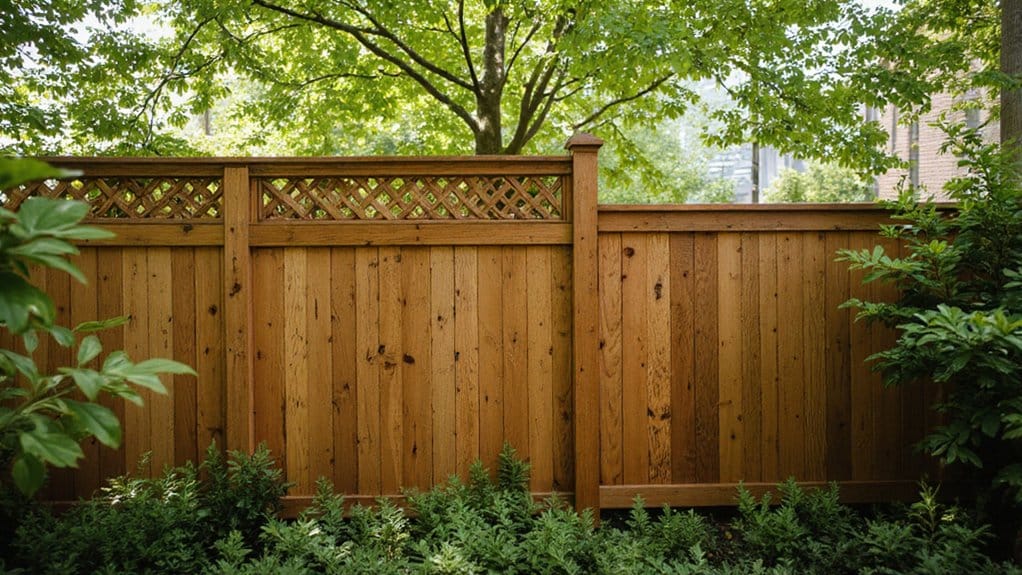
The material you choose has a direct effect on how well your soundproofing fence can block street noise. Solid and relatively dense materials tend to work better than lightweight or open designs because they give sound fewer paths through the barrier.
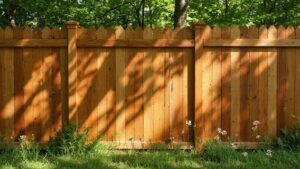
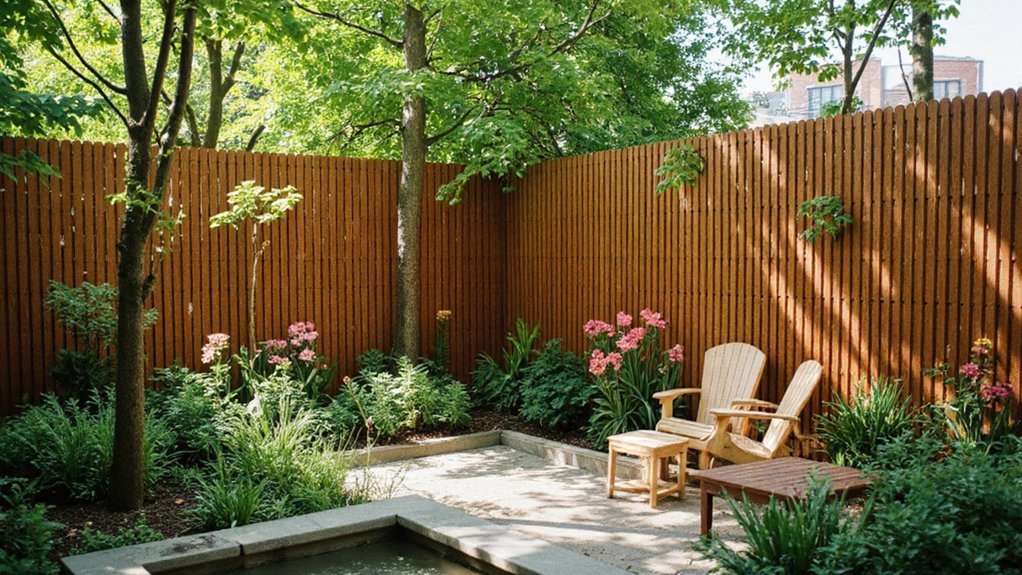
Wood fencing remains a popular option for residential fences. Cedar and redwood can provide a natural appearance while offering a solid surface when installed with closely fitted boards. A properly constructed wooden fence can also blend easily with gardens and other outdoor features.
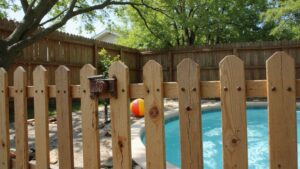
If appearance is also a consideration, ornamental fencing can be an option for defining your property, although open designs generally won’t provide the same noise-blocking benefits as a solid fence.
Vinyl fencing is another option. Solid vinyl panels create a continuous barrier and usually need less upkeep than many traditional wood fences. The exact noise reduction will depend on the panel construction, height, and whether there are gaps around or underneath the fence.
Metal can also be used where the design provides enough coverage. Corrugated steel, for example, can create a solid barrier, although its appearance may not suit every property.
Composite fencing combines materials and can provide another solid option. Whichever material you choose, focus on the overall construction rather than choosing based on material alone. A tall, solid fence with poor gaps can perform worse than a well-built barrier with carefully fitted sections.
Fence Designs That Really Cut Down Noise
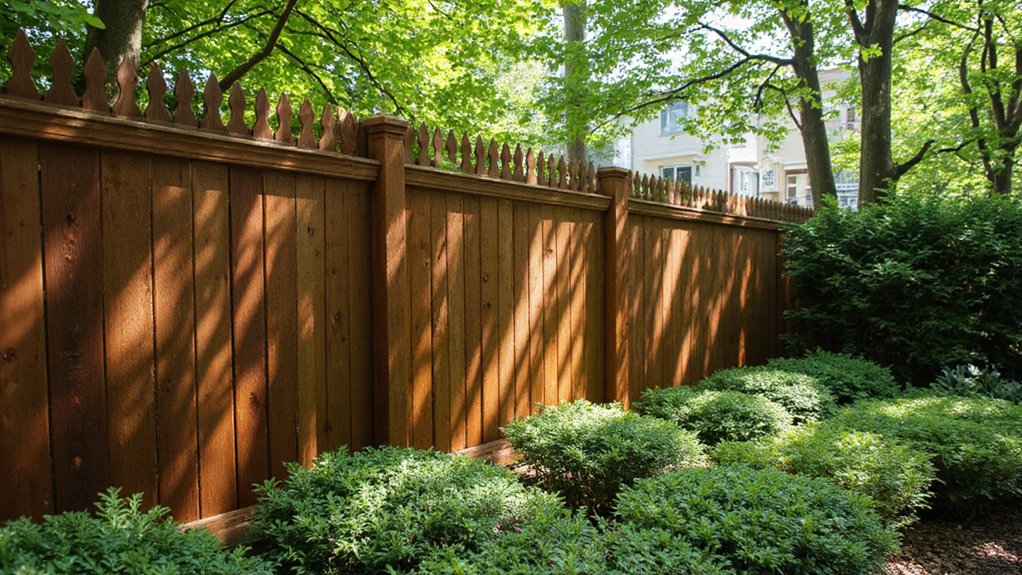
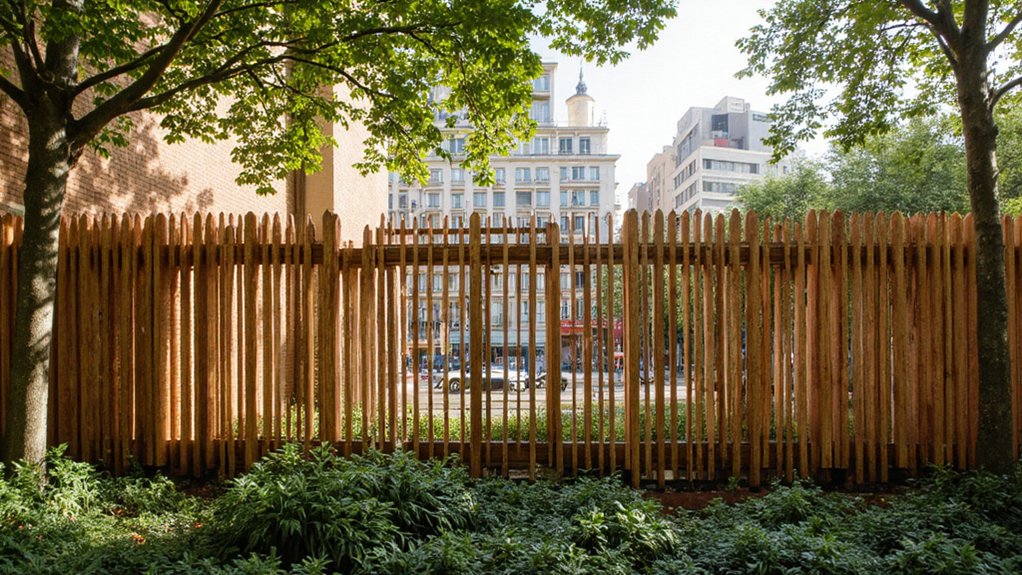
The fence design itself plays a major part in reducing street noise. A simple open-style fence may look attractive, but it won’t do much to stop sound because noise can pass through the spaces between the boards.
For better sound control, look for a solid fence design with closely fitted panels. The fewer openings the fence has, the better it can interrupt the path between the road and your yard.
Fence height matters too. A taller barrier can block more of the direct sound path, especially when the noise is coming from vehicles on a nearby road. The right height depends on your property, local requirements, and the location of the road.
Some homeowners also consider acoustic panels as part of a fence system. These panels can be used where additional sound absorption is needed, although they should be selected and installed as part of an overall fence design rather than treated as a complete solution on their own.
The fence should also meet the ground properly. A noticeable gap underneath can allow sound to pass through, reducing the benefit of an otherwise solid barrier.
For properties where appearance matters, wood, composite, and other finished materials can help create a quieter outdoor area without making the yard feel overly industrial.
Enhance Soundproofing With Landscaping Techniques
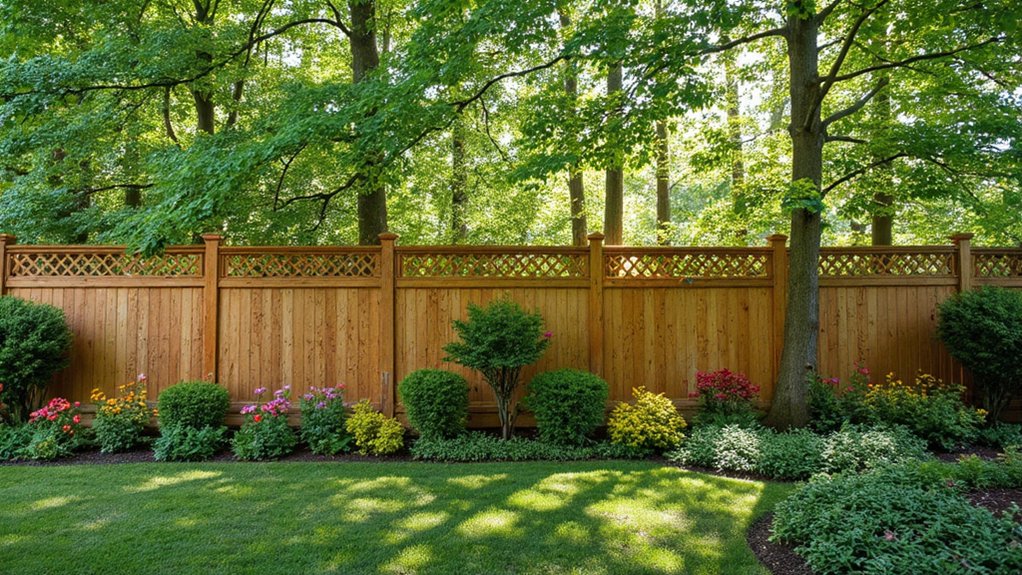
A fence doesn’t have to do all the work. Landscaping can complement a solid barrier and make the area feel more separated from a busy street.
Dense hedges, shrubs, and evergreen trees can be placed near the fence to create another layer between the yard and the road. Thick foliage can help scatter and soften some sound, although plants alone usually won’t provide the same barrier effect as a solid fence.
Evergreen plants are useful because they keep their foliage throughout the year. When choosing plants, consider how large they will become and how much space they need to grow properly.
Layering plants at different heights can also make the boundary feel fuller. Taller shrubs or trees can sit behind shorter plants, while ground cover can fill open areas closer to the ground.
Native plants can be a practical choice because they are suited to the local growing conditions. They can also help create a more natural transition between the fence and the rest of your yard.
Keep expectations realistic. A row of plants won’t turn a noisy road into a silent one. Landscaping works best as a complement to a properly built fence rather than a replacement for it.
Maintenance Tips for Long-Lasting Noise Reduction Fences
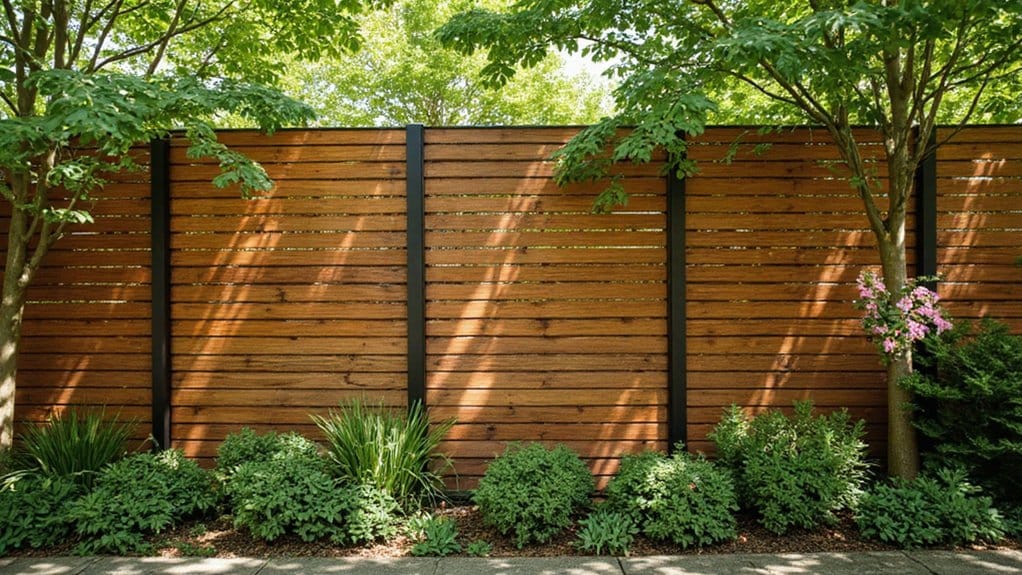
A fence can only perform as intended when it stays in good condition. Regular checks can help you spot small problems before they become larger gaps in the barrier.
For wooden fences, look for signs of rot, cracking, splitting, or moisture damage. Applying an appropriate sealant can help protect the wood from weather exposure. Follow the manufacturer’s recommendations for any treatment you use.
Vinyl and composite fences should also be checked from time to time. Look for damaged panels, loose connections, or sections that have shifted.
Pay close attention to the bottom of the fence. Soil movement, erosion, landscaping work, or settling can create spaces underneath the panels. Even a small opening can affect the continuity of the barrier.
Loose posts and panels should be secured when needed. After periods of strong wind or severe weather, walk along the fence line and check whether anything has moved.
Landscaping around the fence needs some attention too. Keep plants from putting excessive pressure on panels or posts, and trim vegetation when necessary so the fence remains accessible for inspection.
A little routine care can help keep the fence intact and preserve the sound barrier you’ve created.
Frequently Asked Questions
How High Should a Fence Be for Optimal Noise Reduction?
A fence around 6 to 8 feet high can provide a useful sound barrier when local rules allow that height. The right height depends on the location of the road, the position of your yard, and the fence design. A taller fence can help block more of the direct path of street noise, but height alone won’t solve every noise problem.
Can a Fence Completely Block Out Street Noise?
A fence can’t completely eliminate street noise. It can reduce the amount of sound reaching your yard when it’s designed as a solid barrier and placed appropriately. Fence height, material, construction, gaps, and placement all affect the result.
Are There Local Regulations for Noise Reduction Fences?
Local rules can apply to fence height, placement, materials, and other design details. Before installing a taller fence, check the requirements that apply to your property. A design that works well for noise reduction still needs to meet local regulations.
What Is the Cost Difference Between Soundproofing Materials?
The cost varies depending on the material, fence size, construction, and any additional acoustic products you choose. Wood, vinyl, composite, metal, and acoustic panels can all have different upfront and maintenance costs. Comparing the full installation cost, rather than just the price of individual materials, gives you a clearer picture.
How Long Does It Take to Install a Noise Reduction Fence?
Installation can take anywhere from one to several days, depending on the fence size, material, ground conditions, access to the property, and amount of preparation required. A straightforward yard may take less time, while a larger or more complicated installation can take longer.
Conclusion
A well-designed fence can make a noticeable difference when street noise is making your outdoor space harder to enjoy. Solid construction, suitable materials, enough height, and careful placement all play a part in creating an effective barrier.
Landscaping can add another layer around the fence and make the boundary feel more natural. Dense shrubs, evergreen trees, and other plants can help soften the surroundings while adding privacy and visual appeal.
Regular maintenance matters too. Checking for gaps, damaged panels, loose posts, and problems near the ground helps keep the barrier in good condition.
The best approach is to think about the whole setup rather than one feature. A solid fence, sensible placement, suitable landscaping, and routine care can work together to make a noisy yard feel more comfortable.