When it comes to child-proofing your backyard, choosing the right fence is one of the most effective ways to create a safer outdoor space. A good fence helps keep children within a secure area while giving parents greater peace of mind. It can also add privacy, improve the look of your yard, and increase your home’s value.
The right choice goes beyond appearance. You’ll want a fence that’s built to last, the right height for your property, and designed with safety in mind. Taking the time to choose carefully can help create a backyard where your children can play with confidence and where you can relax knowing you’ve reduced many common risks.
Key Takeaways
- Assess potential hazards in your backyard, including sharp tools, poisonous plants, and unstable surfaces, to ensure a safe play area for children.
- Choose durable fencing materials like vinyl or metal that require low maintenance while providing security and safety for your children.
- Install a fence height of four to six feet with child-resistant locks to prevent unauthorized access and deter adventurous children from climbing.
- Regularly maintain your fence by checking for damage, applying weather-resistant treatments, and addressing repairs promptly to ensure ongoing safety.
- Incorporate aesthetic designs that blend with landscaping while using sound-absorbing materials to create a peaceful play environment for kids.
Creating a Safer Backyard for Children
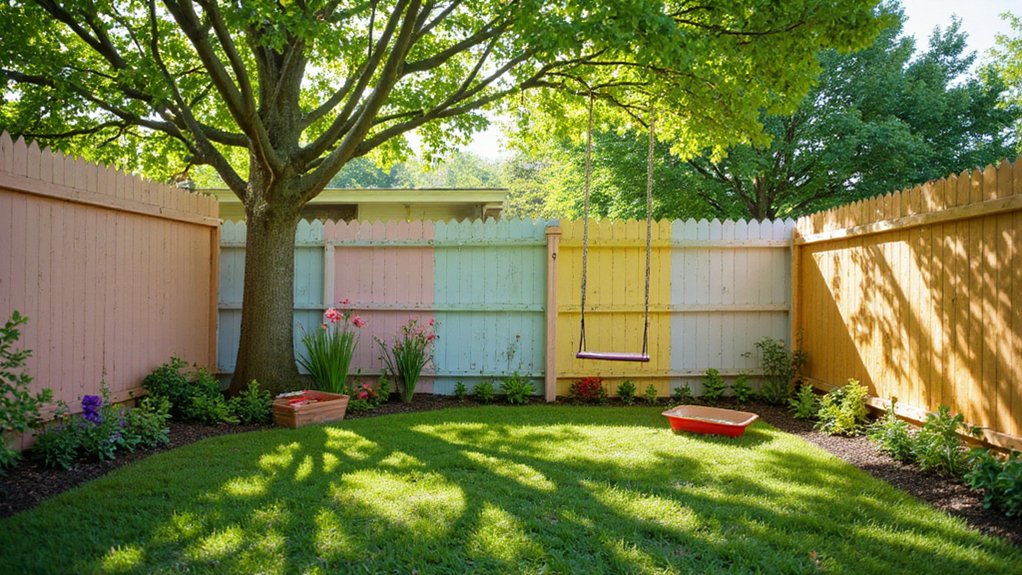
Creating a safe backyard starts with looking at your outdoor space through a child’s eyes. Walk around your yard and identify anything that could become a hazard. Sharp garden tools, poisonous plants, uneven ground, and slippery surfaces should all be addressed before children spend time outside.
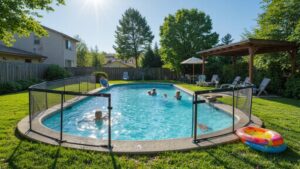
It’s also worth thinking about how your children use the space. Setting up a dedicated play area keeps toys and activities away from pools, driveways, garden sheds, or other places that may present risks.
Supervision still plays a big part in outdoor safety. Even with a secure fence, keeping an eye on young children gives you the chance to respond quickly if something unexpected happens.
Taking these simple steps creates an outdoor area where children have room to play, learn, and enjoy being outside without unnecessary dangers.
Choosing the Right Fence Material for Child-Proofing
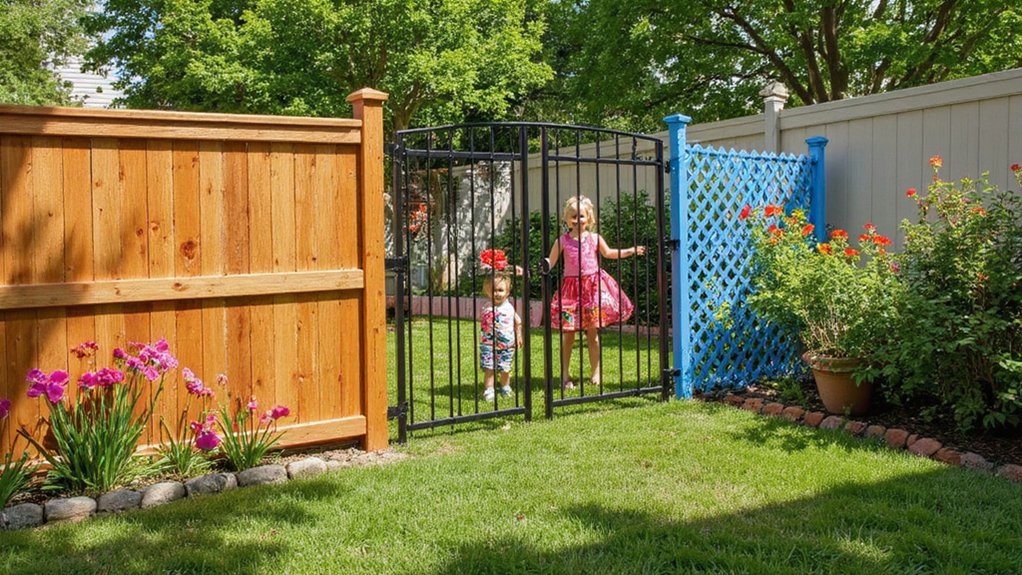
The material you choose plays a big part in how safe, durable, and easy to maintain your fence will be.
Wood remains a popular option because of its natural appearance and privacy. It blends well with many homes, though it does need regular staining or painting to stay in good condition.
Vinyl fencing is another popular choice. It requires very little maintenance, won’t splinter, and stands up well to changing weather conditions. It’s available in different styles and colours, making it easy to match your home’s exterior.
Metal fencing offers excellent strength and durability. Aluminum and steel fences are resistant to weather damage and can provide years of dependable service with minimal upkeep.
Composite fencing combines recycled wood fibres and plastic to create a durable product that looks similar to timber while requiring far less maintenance.
Whichever material you choose, look for smooth finishes, rounded edges, and protective coatings that reduce the risk of splinters, rust, or other hazards. It’s also worth considering environmentally friendly materials if sustainability is important to your household.
What Height Should Your Fence Be for Maximum Security?
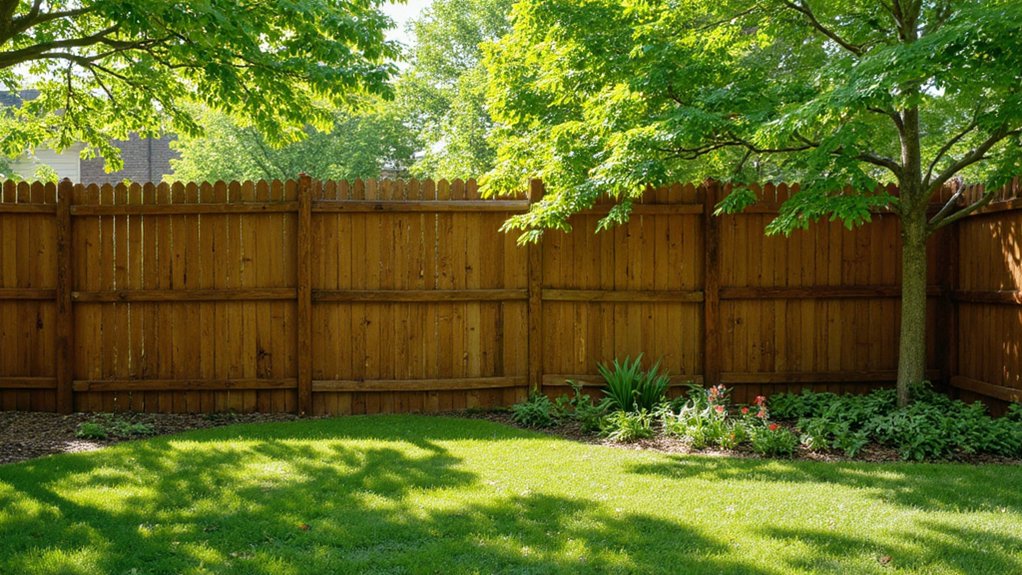
Fence height is one of the most important parts of creating a secure backyard.
For most homes, a fence between four and six feet tall offers a good balance between safety, privacy, and appearance. A fence within this range makes it much harder for young children to climb over while also discouraging unwanted visitors.
The fence design matters just as much as the height. Smooth surfaces with few horizontal rails make climbing more difficult. Solid panels also provide greater privacy and reduce distractions outside the yard.
Before installing a new fence, check your local building regulations. Many areas have rules covering maximum fence heights, placement, and boundary requirements. Following these guidelines helps you avoid problems later while making sure your fence meets local standards.
Best Fence Styles for Child Safety
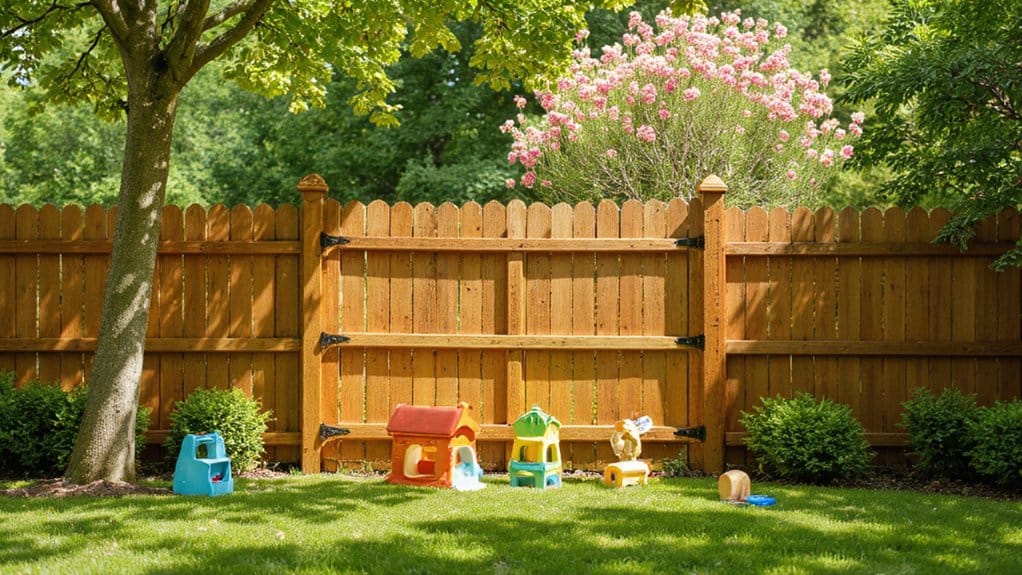
The style of fence you choose can make a real difference when it comes to keeping children safe. While appearance is important, safety should always come first.
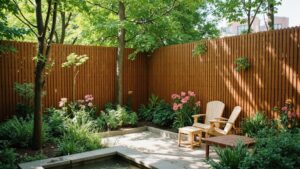
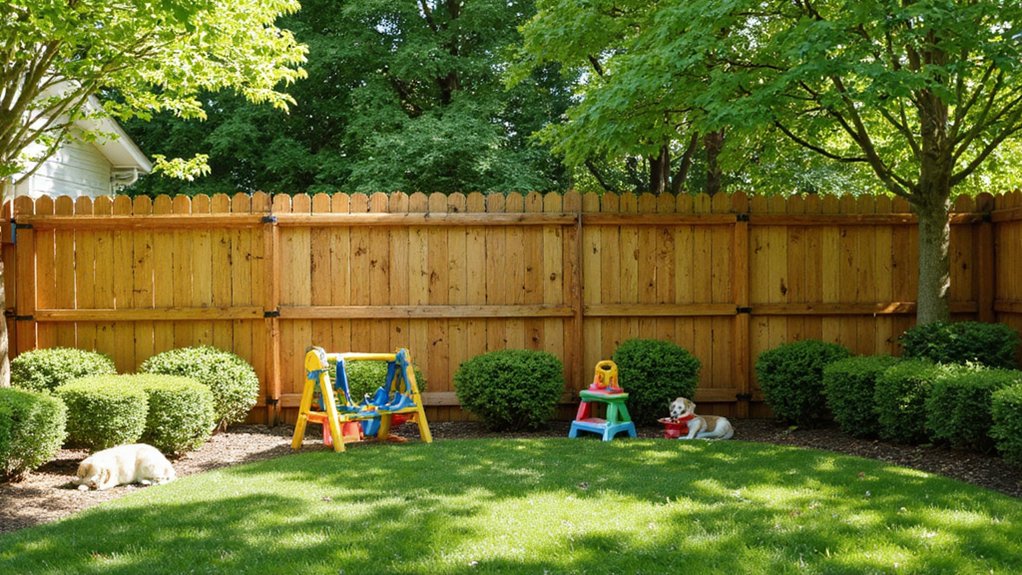
Wood fences are a popular choice because they create a solid barrier and offer excellent privacy. They also give your backyard a warm, natural look that suits many homes.
Vinyl fences are another practical option. They don’t splinter, require very little maintenance, and are available in styles that resemble traditional timber.
If you’d rather keep your yard feeling open, chain link fencing provides clear visibility while creating a secure boundary. It’s often a practical option for families who want to watch children from different areas of the property.
Aluminum and wrought iron fences offer strength and durability. Choosing vertical pickets with minimal horizontal rails can make climbing much more difficult for curious children.
Privacy fences help reduce outside distractions and create a more enclosed play area, while decorative designs can add character without compromising safety.
Modular fencing is also worth considering if you want a layout that can be adapted to suit your backyard while still providing a secure space for children.
Why Visibility Matters in Your Fence
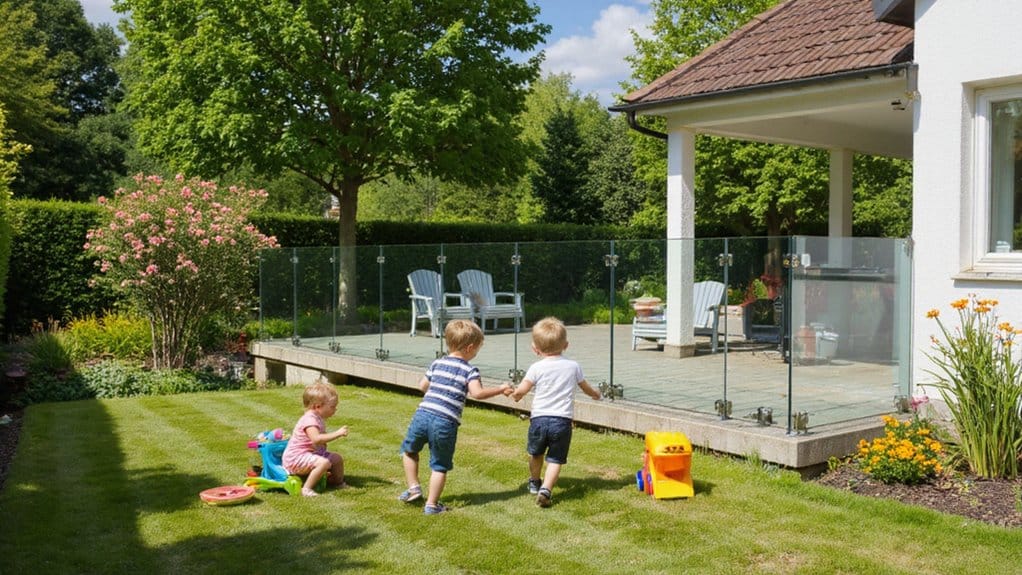
A safe backyard isn’t only about keeping children inside. It’s also about being able to see them while they play.
Fences that offer some visibility allow parents to quickly check on children without constantly walking around the yard. Whether you’re gardening, relaxing on the patio, or watching from inside the house, being able to keep an eye on your children adds another layer of safety.
There’s also a balance to consider. A completely open fence may reduce privacy, while a fully solid fence can block your view of parts of the yard.
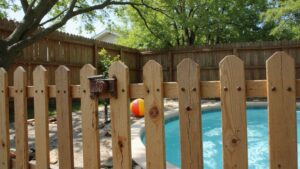
Styles such as picket fencing, aluminum fencing, or designs with carefully spaced panels provide a good compromise. They let you monitor outdoor activities while still creating a defined boundary around your property.
Choosing the right design helps create a backyard that’s both secure and comfortable for the whole family.
Installing Your Fence Safely
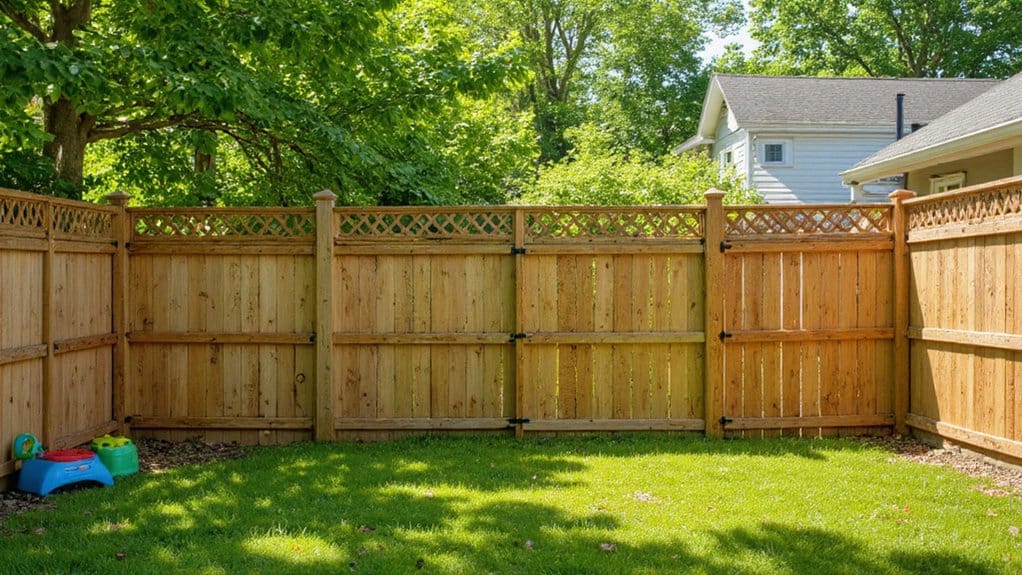
Proper installation is just as important as choosing the right fence.
Start by selecting materials that are strong enough to handle everyday use and changing weather conditions. A fence that’s installed correctly will remain stable for many years and continue providing the protection your family needs.
Fence posts should be set securely into concrete to prevent movement over time. Accurate measurements also matter because even small gaps can become safety concerns for young children or pets.
During installation, wear appropriate safety equipment and follow local building requirements for fence height and placement. These rules help make sure your fence is both safe and compliant.
After installation, inspect the fence regularly. Tighten loose hardware, replace damaged boards, and repair any problems before they become larger safety issues.
A well-built fence gives your children a secure place to enjoy the outdoors while giving you confidence that the boundary will continue doing its job.
Gates and Locks for Secure Entrances
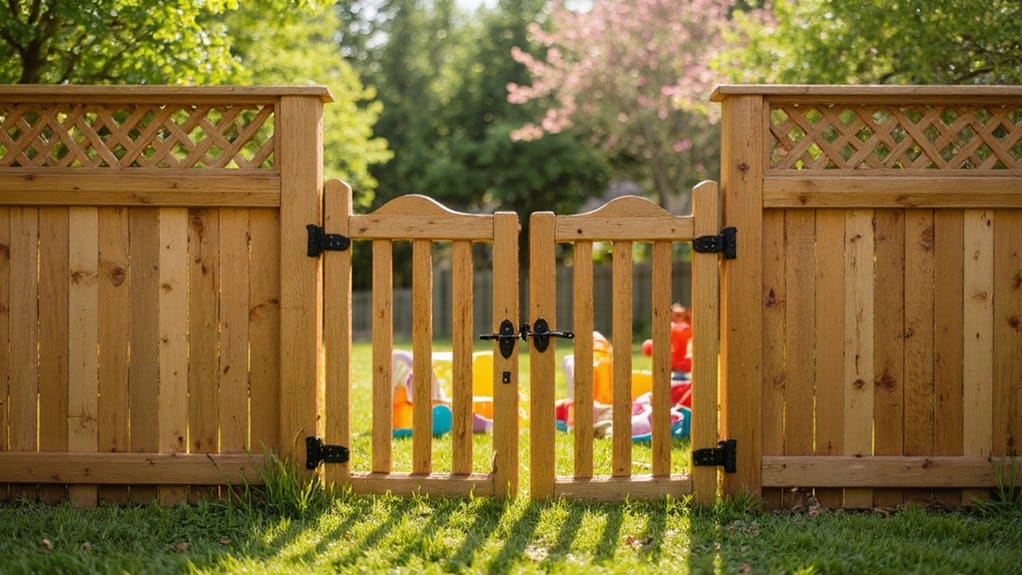
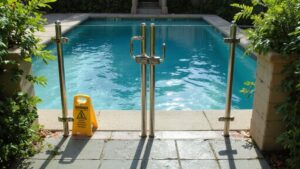
A fence is only as secure as the gate that comes with it. Choosing the right gate and locking system helps prevent children from leaving the yard without supervision while keeping unwanted visitors out.
A secure gate should be easy for adults to use but difficult for young children to open. Paying attention to the gate’s design, locking system, and overall construction helps create a safer outdoor space.
Choosing the Right Locks
The lock you install plays a big role in backyard safety.
Options such as keyed locks, padlocks, slide bolts, and magnetic latches all provide different levels of security. Whichever style you choose, look for one that’s designed to resist tampering by young children.
Lock placement is equally important. Position the lock high enough that children cannot easily reach it, generally around 54 inches from the ground or higher.
It’s also worth choosing weather-resistant hardware that won’t rust or become difficult to operate after years of outdoor use.
Types of Gates Available
Gates come in many different materials and styles, allowing you to match your fence while keeping your backyard secure.
Wood gates provide a classic appearance, while vinyl gates require less maintenance and resist moisture. Aluminum and wrought iron gates offer excellent durability and suit both traditional and modern homes.
Automatic gates can add another level of convenience by allowing controlled access without manually opening the gate each time.
Whatever style you select, make sure the gate closes properly every time and fits tightly within the fence to avoid creating gaps that children could slip through.
Continue for the final part, which includes Safety Features to Consider, Maintenance Tips, Extra Child-Proofing Features, FAQs, Conclusion, and Change Notes.
Safety Features to Consider
When choosing a gate, pay close attention to the safety features that help protect young children every day.
Look for gates with smooth edges to reduce the chance of bumps or scrapes during play. Self-closing hinges are another useful feature because they automatically shut the gate after someone walks through, lowering the risk of it being left open.
Magnetic latches are a popular option because they close securely while remaining simple for adults to use. Pair them with a child-resistant locking system that requires more strength or coordination than a young child can manage.
Choose sturdy materials that hold up well over time and resist damage from weather. A gate that remains in good working condition year after year provides more consistent protection than one that requires constant repairs.
A decorative gate can also add style to your backyard while still serving as a strong, secure entrance.
Maintenance Tips for Safe Fencing
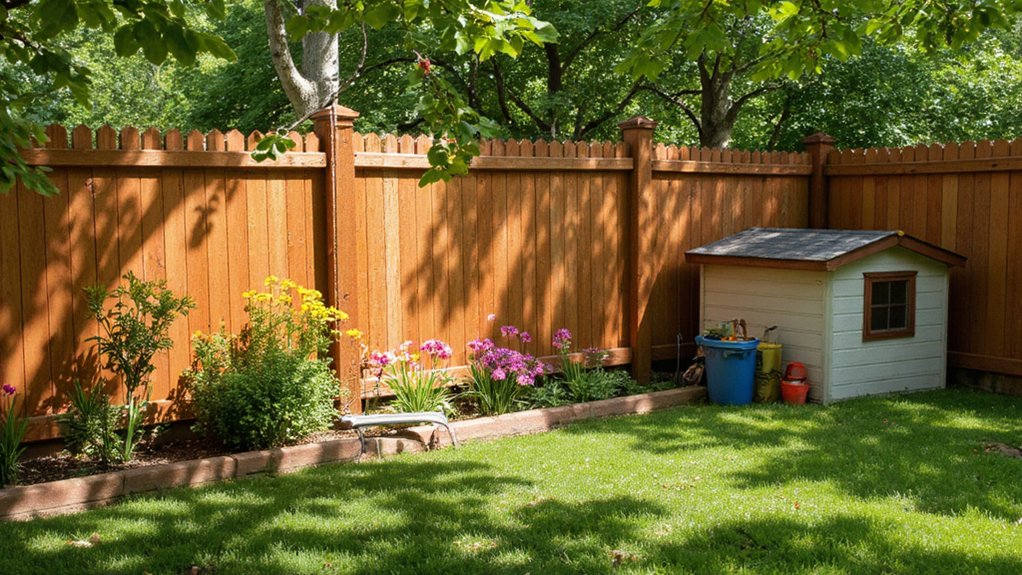
Even the best fence needs regular care to keep it safe.
Walk around your fence every few months and check for signs of damage. Loose boards, cracked panels, rust, leaning posts, or worn hardware should be repaired as soon as possible before they become larger problems.
Wood fences benefit from staining or sealing to protect against moisture and sun damage. Metal fences should be inspected for rust, while vinyl fences can usually be cleaned with mild soap and water to keep them looking their best.
Don’t forget to inspect gates and locks. Make sure hinges move smoothly, latches close properly, and locks continue working as intended.
Keeping up with routine maintenance helps extend the life of your fence while making sure it continues providing a safe boundary for your children.
Extra Child-Proofing Features for Your Fence
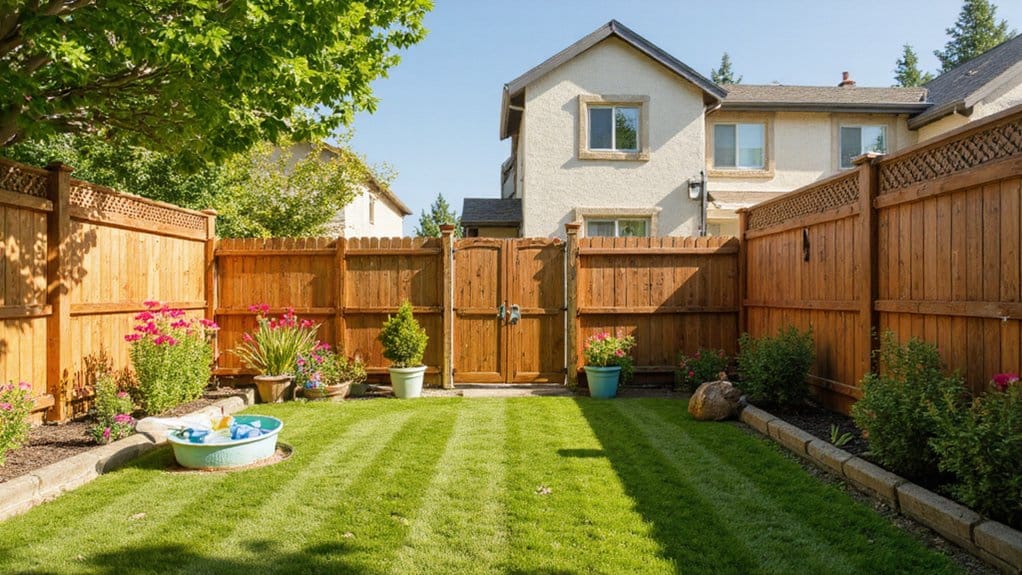
If you want even more peace of mind, there are several features that can make your fence safer for children.
Reinforced corners strengthen the overall structure and help prevent weak points from developing over time.
Removable panels can make maintenance easier while remaining secure enough that children can’t remove them on their own.
Choosing rounded edges and smooth finishes reduces the chance of cuts or scrapes during active play.
Anti-climb designs are another smart addition. Vertical boards, minimal horizontal rails, or specially designed fence tops make climbing much more difficult for adventurous children.
Landscaping can also improve safety. Hedges, flower beds, or decorative barriers placed inside the fence create another gentle boundary while making your backyard more attractive.
If your yard is close to a busy road, fences built with sound-reducing materials may help create a quieter, more relaxing place for children to play.
Frequently Asked Questions
What Local Regulations Should I Consider When Installing a Fence?
Before installing a fence, check your local council or building authority for rules covering fence height, boundary placement, permits, and approved materials. Following local requirements helps avoid disputes and ensures your fence meets current standards.
How Can Landscaping Affect My Fence’s Child Safety?
Thoughtful landscaping can improve safety by creating natural barriers around fences and discouraging children from climbing. Keeping shrubs trimmed also improves visibility, making it easier to supervise children while they play.
Are There Specific Fence Designs That Deter Climbing?
Yes. Fences with smooth surfaces, vertical pickets, and limited horizontal rails are generally harder to climb. Taller fences and anti-climb features can also discourage children from attempting to scale the fence.
What Are the Costs Associated With Child-Proof Fencing Options?
The total cost depends on the fencing material, the size of your yard, labour charges, and any added safety features. Wood, vinyl, aluminum, composite, and steel all vary in price, so it’s worth comparing both installation and long-term maintenance costs before making a decision.
How Can I Involve My Children in Backyard Safety Discussions?
Talk with your children about backyard safety in ways they can understand. Turn safety lessons into games, point out potential hazards together, and explain why certain rules exist. When children understand the reasons behind the rules, they’re more likely to follow them.
Conclusion
Creating a child-friendly backyard starts with choosing a fence that offers both safety and lasting durability. The right fence helps establish clear boundaries, gives children a secure place to play, and allows parents to relax with greater confidence.
By selecting suitable materials, installing secure gates and child-resistant locks, carrying out regular maintenance, and adding thoughtful safety features where needed, you can create an outdoor space that’s both practical and welcoming.
With careful planning and ongoing care, your backyard can become a place where children enjoy the freedom to play while safety remains a top priority.