When you want more privacy in your backyard, it’s easy to assume that a tall, solid fence is the only answer. But a full-height barrier can make an outdoor space feel darker and more enclosed.
A better approach is to combine plants, screens, and open structures that limit unwanted views while still letting daylight through. The right mix can make your backyard feel more comfortable without turning it into a closed-off space.
Key Takeaways
- Use shrubs such as arborvitae or boxwood to create a green privacy screen while keeping the space open.
- Mix evergreen and deciduous plants to provide coverage across different seasons.
- Layer plants by height, using taller grasses and trees behind shorter shrubs and flowers.
- Consider transparent screens or slatted fencing when you need privacy without cutting off daylight.
- Add trellises and climbing plants to create vertical coverage without using a solid wall.
Addressing Common Backyard Privacy Concerns
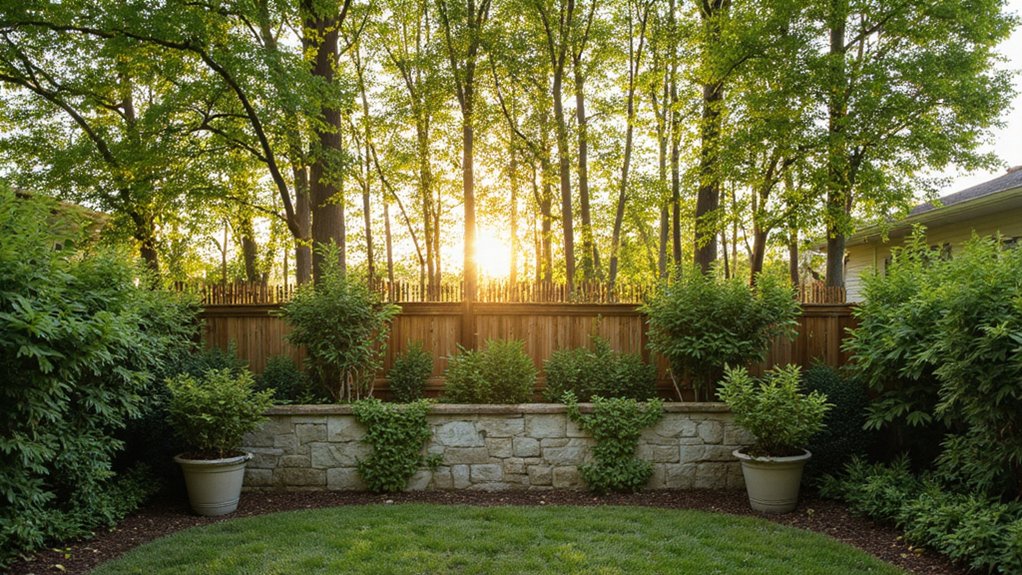
Backyard privacy concerns usually come from a few familiar sources. Neighbors may have a direct view into the yard, nearby roads can make the space feel exposed, and outdoor noise can make it harder to relax.
A solid fence can solve some of these issues, but it isn’t always the right fit. Softer options, such as trellises, shrubs, and layered planting, can create a visual boundary without making the yard feel boxed in.
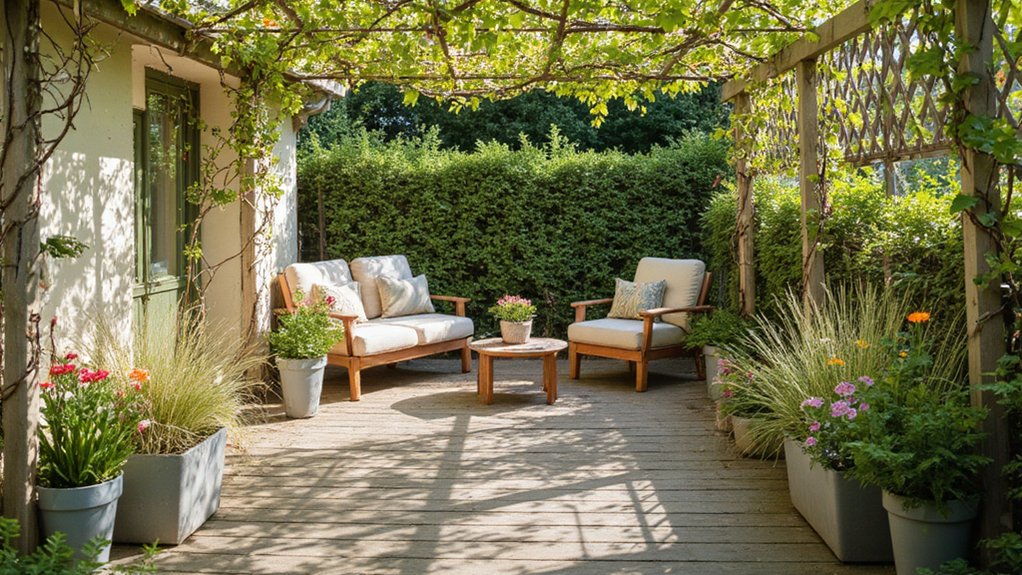
Where you place your outdoor furniture can help, too. A chair or seating area positioned behind a group of plants can create a more secluded corner without requiring a large structure.
Think about how the yard looks throughout the year as well. A plant that provides good coverage in summer may lose its leaves in winter. Mixing evergreen plants with seasonal varieties can help keep some privacy throughout the year while still allowing daylight into the space.
Understanding the Importance of Backyard Privacy
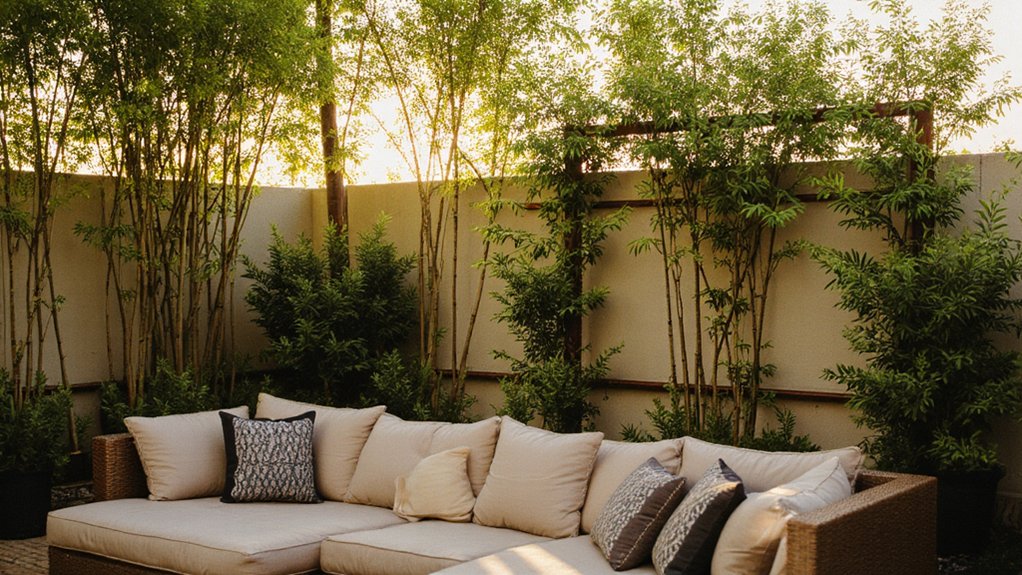
A backyard can feel very different when you don’t have to worry about being seen by neighbors or people passing nearby. Even a small amount of added privacy can make it easier to sit outside, read, eat, or spend time with family.
Privacy can also make outdoor entertaining more comfortable. You may feel more at ease when guests have a defined space to gather without a direct view from surrounding homes.
The goal isn’t always complete seclusion. In many yards, partial screening is enough. A combination of plants, screens, and carefully positioned furniture can block the views that bother you while leaving the rest of the yard open.
Natural light plays a part in that balance. Keeping some areas open allows sunlight to reach patios, lawns, gardens, and seating areas. Instead of building one large barrier, focus on screening the specific views that create the most concern.
Choosing Natural Elements for Privacy Enhancement
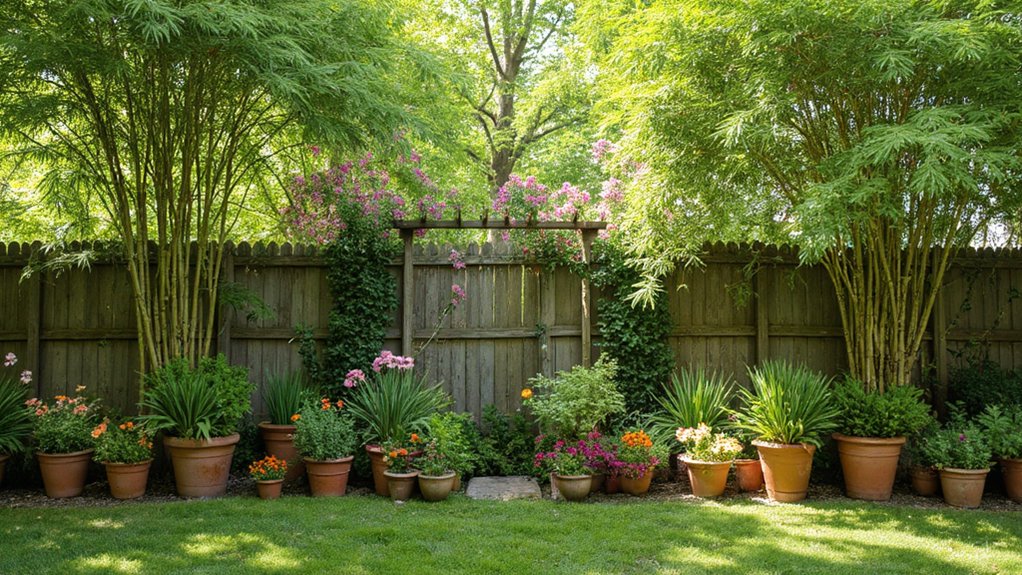
Plants can provide privacy without the hard, enclosed appearance of a solid wall. They also give you plenty of flexibility when planning the layout of your backyard.
Hedges, bamboo screens, and vertical gardens are a few options to consider. Each can provide some separation while keeping the space connected to the surrounding garden.
Ornamental fencing can also work well when you want a defined boundary without making the backyard feel completely enclosed.
Lush Green Hedges
Hedges can create a natural boundary around a backyard while adding greenery and texture. They work especially well when you want a privacy screen that feels like part of the landscape rather than a separate structure.
Arborvitae and boxwood are two commonly considered choices for this type of planting. Before choosing a variety, look at its mature size, growth rate, sunlight needs, and maintenance requirements.
Regular trimming can help keep a hedge at a manageable height and prevent it from becoming too dense. If your main goal is privacy without losing too much daylight, consider the position and density of the hedge rather than simply planting the tallest option available.
Spacing matters as well. Plants placed too close together can form a heavy wall of foliage. Giving them enough room to grow can create a softer screen that still allows some light through.
Decorative Bamboo Screens
Decorative bamboo screens can add privacy without the visual weight of a conventional fence. Their natural appearance works well with gardens, patios, and other outdoor areas.
When choosing a bamboo screen, pay attention to its height, construction, and placement. A screen positioned directly beside a seating area may need less height than one placed along the edge of the property.
Bamboo can also be paired with plants for a more natural appearance. Instead of covering the entire boundary, use screening only where you need it most. This leaves other parts of the yard open to sunlight.
Before installing a bamboo screen, check how it will handle local weather conditions. Wind, moisture, and exposure to sunlight can all affect how long an outdoor screen lasts.
Vertical Garden Walls
Vertical garden walls make use of upward space instead of spreading across the yard. That can be useful when you have a smaller backyard or want to avoid filling the ground with large shrubs.
Climbing plants can grow across trellises and other vertical supports, gradually creating a green screen. Depending on the plant, you may get flowers, foliage, fragrance, or a combination of these features.
Maintenance depends on the plants you choose. Some require regular pruning and watering, while others need much less attention. Select plants that suit the amount of sunlight available and the time you’re willing to spend caring for them.
A vertical garden can also act as a focal point. Rather than treating privacy as something that needs to be hidden, you can make the screening element part of the overall garden design.
Landscaping Techniques for Privacy and Light
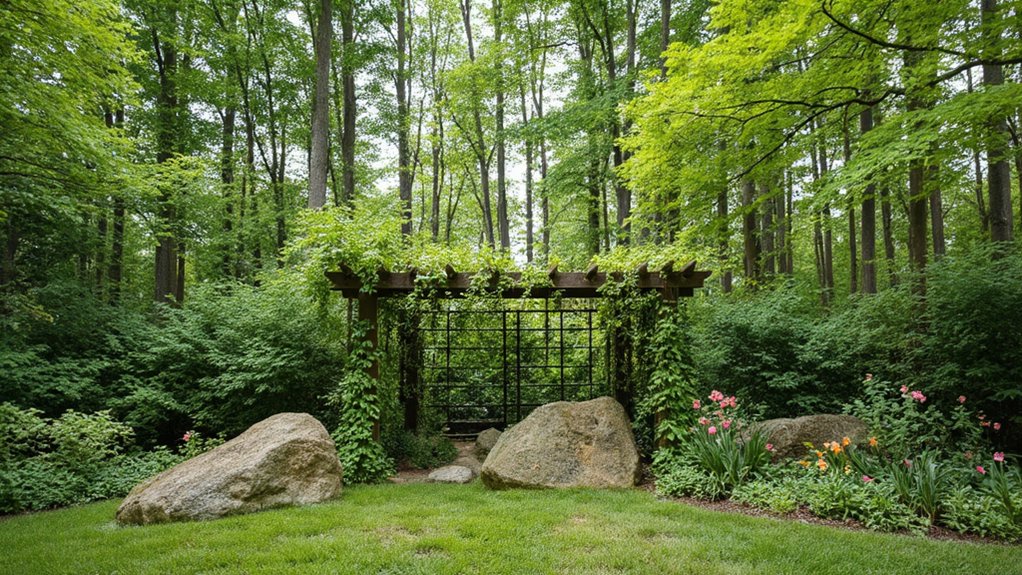
Good planting design can help you control views without blocking large amounts of sunlight. Start by looking at where unwanted views come from and where the sun reaches your backyard throughout the day.
Evergreen trees and shrubs can provide coverage throughout the year. Deciduous plants can offer thicker summer screening while allowing more light through after their leaves fall.
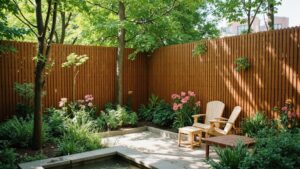
Layering is another useful approach. Place taller plants toward the back, medium-height shrubs in the middle, and shorter flowers or groundcovers toward the front. This creates visual depth instead of one solid mass.
Ornamental grasses can work well in areas where you want movement and some screening. Flowering shrubs can add color while filling gaps between taller plants.
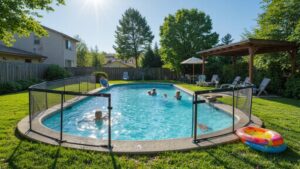
You don’t need to screen every part of the yard. Focus on the areas where privacy matters most, such as a patio, dining area, pool, or seating space. Keeping the rest of the yard more open can help preserve natural light.
Using Transparent Screens for Enhanced Privacy
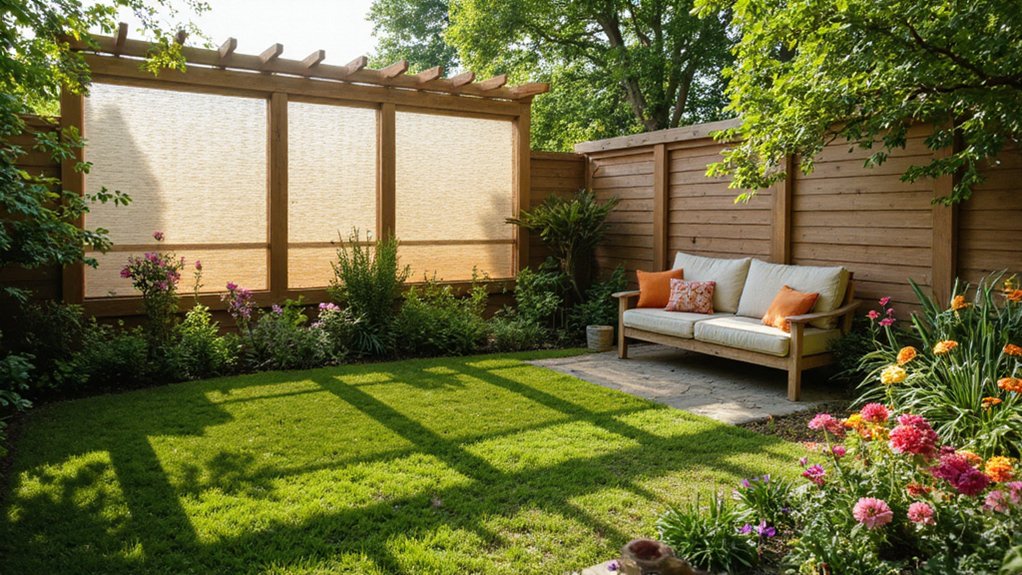
Transparent screens can be useful when you want to block direct views without creating a completely solid barrier. Depending on the material and design, they can allow daylight into the yard while making it harder for people outside to see in.
They can also work well in areas where a traditional fence would feel too heavy. The right screen can provide separation around a patio, balcony-style deck, or outdoor dining area without changing the character of the entire yard.
Benefits of Transparent Screens
Transparent screens can help maintain an open feeling while providing a degree of visual privacy. This can be useful when you want to continue enjoying the view beyond the screened area.
They can also allow natural light to reach the space behind them. That makes them worth considering for patios and seating areas where a solid wall could create unwanted shade.
The appearance of the screen matters, too. Clear, frosted, textured, or patterned materials can produce different levels of privacy and light transmission. Think about what you want people outside the screen to see before choosing a material.
Types of Transparent Materials
Privacy glass panels are one option for a clean, modern appearance. Frosted or textured glass can obscure direct views while still allowing daylight through.
Acrylic and polycarbonate panels are other possibilities. They can be lighter than glass and are available in different finishes and styles.
Clear vinyl and other transparent fencing materials can also be used in certain outdoor settings. The right choice depends on the amount of privacy you need, the appearance you want, and the conditions where the screen will be installed.
Before choosing a material, consider cleaning, weather exposure, mounting requirements, and how the screen will look from both sides.
Installation Tips and Tricks
Accurate measurements should come before installation. Measure the area carefully and think about the height and angle needed to block the specific view you’re trying to screen.
The mounting system should suit both the screen material and the outdoor conditions. A screen that catches wind can put considerable pressure on its supports, so the posts, brackets, and fixings need to be appropriate for the installation.
If the screen will be close to a property boundary, check local rules before starting. Fence and screening restrictions can vary by location, and some projects may require approval.
Placement can make a bigger difference than height alone. A screen positioned between a seating area and a neighboring window may provide the privacy you need without covering a much larger section of the yard.
Vertical Gardens for Backyard Privacy
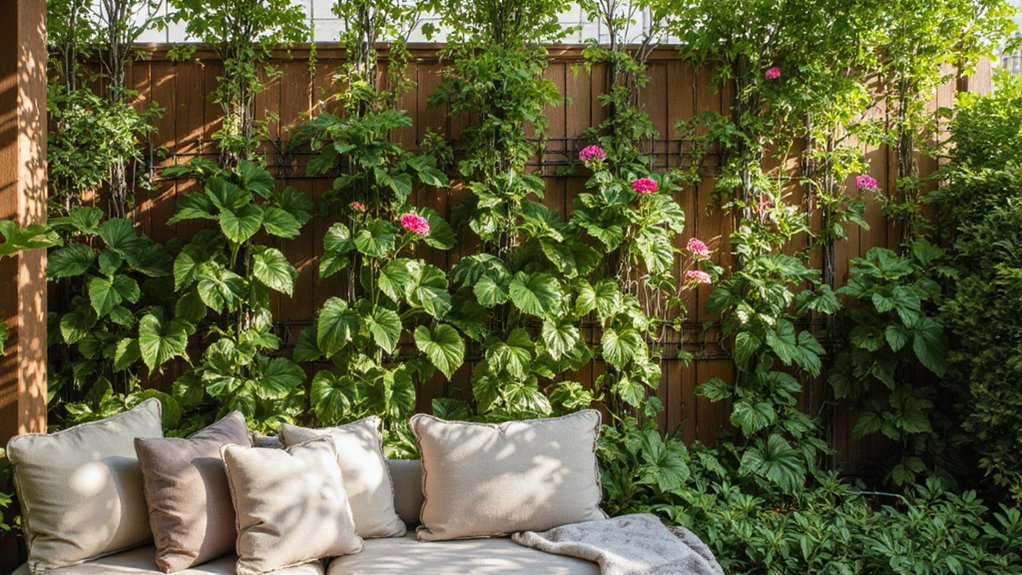
Vertical gardens offer another way to create privacy without taking up much ground space. They can be built around trellises, frames, wall-mounted planters, or other supports.
Climbing plants such as jasmine or clematis can add foliage and flowers as they grow. Choose varieties based on your climate, available sunlight, and how much maintenance you want to handle.
The support structure is just as important as the plant. Make sure it can carry the mature weight of the vegetation and withstand outdoor conditions.
For better light levels, avoid covering every part of the structure with dense foliage. Leaving small openings can provide privacy while allowing sunlight to pass through.
A vertical garden can also soften a fence or wall that already exists. Instead of replacing the structure, add planting to make the boundary feel more connected to the rest of the garden.
Use Trees and Shrubs for Enhanced Privacy
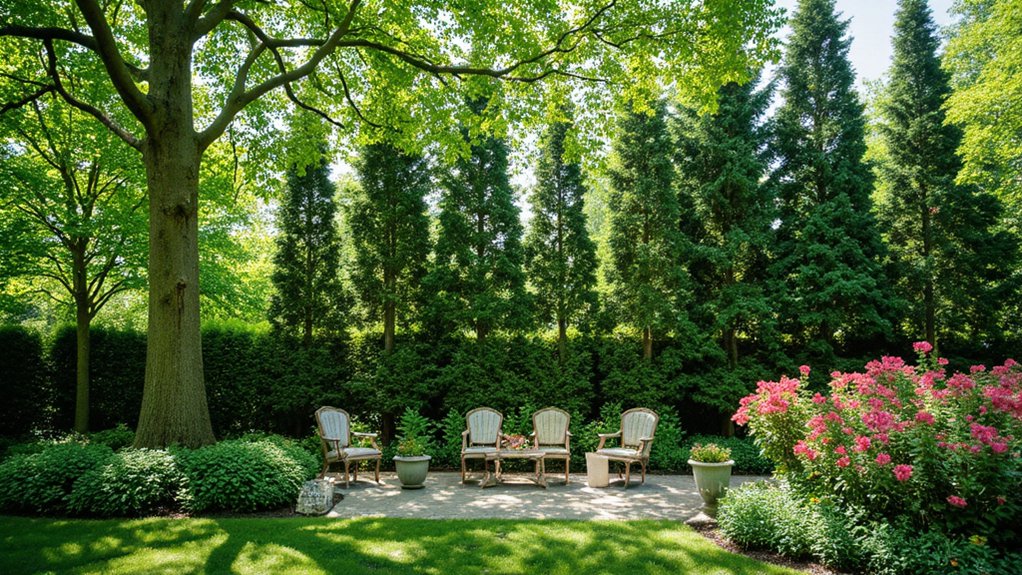
Trees and shrubs can provide privacy while becoming part of the long-term landscape. The challenge is choosing plants that provide enough screening without eventually overwhelming the yard.
Ornamental trees can add height, flowers, and seasonal interest. Cherry and magnolia varieties, for example, can bring structure and color to a garden while helping screen certain views.
Shrubs such as boxwood or holly can provide denser coverage closer to ground level. Combining shrubs with taller plants creates a layered screen rather than a single wall.
Pay attention to mature plant size when planning the spacing. A small tree or shrub can look harmless when newly planted, but its needs can change considerably as it grows.
Leave enough room for sunlight and airflow between plants. This can also make pruning and other garden maintenance easier.
Designing Light-Friendly Privacy Structures
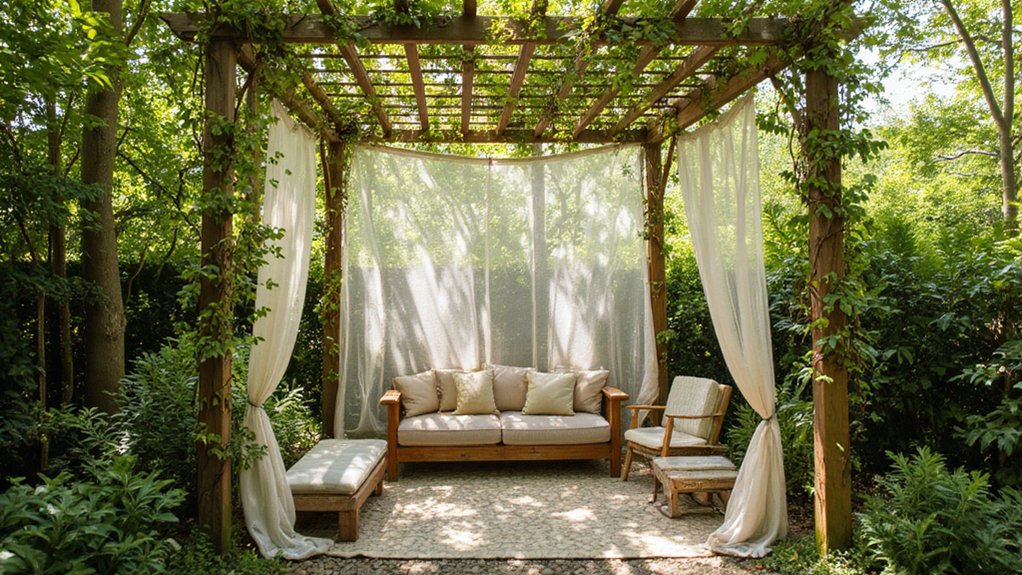
Privacy structures don’t have to be solid from top to bottom. Open designs can interrupt sightlines while still allowing sunlight to pass through.
Trellises are one simple option. Add climbing plants for more coverage, or leave the structure partly open if you only need to reduce direct views.
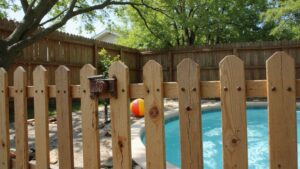
Wood fencing with spaced slats can provide a similar effect. The spacing between the slats can be adjusted to control how much light and visibility pass through. Wood and metal are both possibilities, depending on the style and conditions of the yard.
Fabric panels can also work around pergolas and covered seating areas. They can be drawn when you want more privacy and left open when you want more sunlight.
Think about the direction of the sun when placing any structure. A screen that blocks a neighbor’s view might also cast unwanted shade if it is positioned without considering the sun’s path.
Water Features for Backyard Privacy
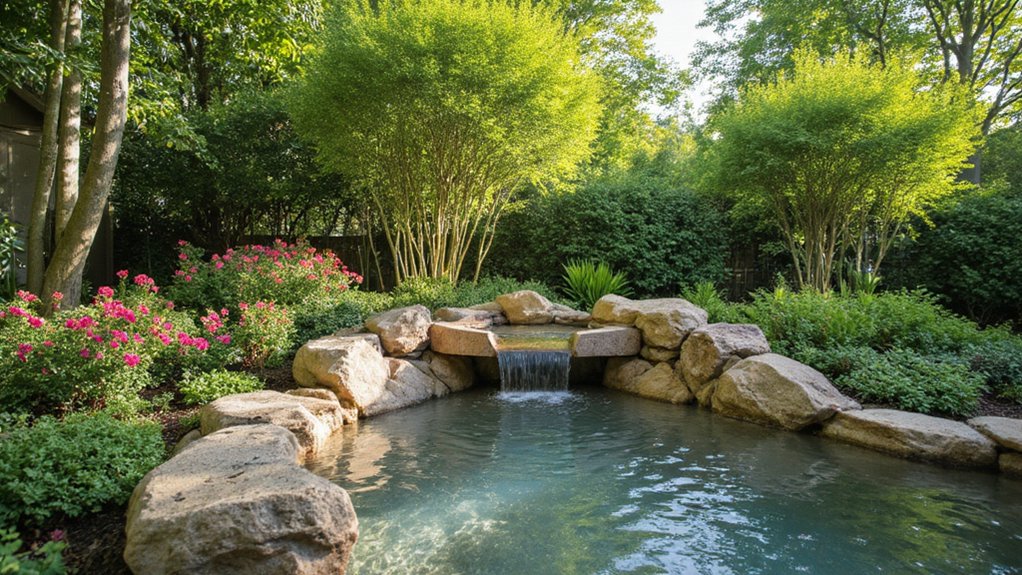
Water features won’t physically block a view, but they can change how private a backyard feels. Moving water can help mask sounds from nearby roads, neighbors, or other outdoor activity.
A small pond can also become part of a larger privacy design. Surrounding it with plants, rocks, and grasses can create a natural focal point while adding more visual separation around the area.
Fountains and waterfalls can provide a steady background sound. The effect depends on the size and placement of the feature, so consider where you spend the most time outside.
Water features also need regular care. Think about cleaning, water levels, drainage, and access before choosing where to install one.
When combined with plants or screens, a water feature can help create a quieter, more secluded atmosphere without blocking natural light.
Frequently Asked Questions
What Are the Best Plants for Year-Round Privacy?
Evergreen plants are useful when you want privacy across all seasons. Arborvitae can provide tall screening, while shrubs such as boxwood can offer lower coverage.
Privet and photinia are other options to consider, depending on your climate and growing conditions. Check the mature size of any plant before placing it close to a property boundary or building.
How Can I Maintain Privacy During Winter Months?
Evergreen trees and shrubs are one of the simplest ways to maintain screening during winter. Their foliage remains in place after deciduous plants lose their leaves.
You can also use trellises, slatted screens, or other seasonal barriers. These structures can provide coverage without requiring a dense wall of plants.
A mix of evergreen and deciduous planting gives you more control over how the backyard looks throughout the year.
Are There Any Local Regulations for Backyard Privacy Structures?
Local rules can affect the height, placement, and type of privacy structures you can install. Fencing and screening requirements vary by location.
Before building a fence, screen, or other permanent structure, check with your local planning or zoning authority. If you live in a community with specific property rules, review those requirements as well.
How Do I Choose the Right Height for Privacy Plants?
Start by identifying the view you want to block. A plant doesn’t necessarily need to be extremely tall if the unwanted view comes from a low window or nearby seating area.
Plants around 6 to 8 feet tall may work for some settings, but the right height depends on your yard, neighboring properties, and the location of the plants.
Also consider mature height rather than the plant’s size when you buy it.
Can Artwork Contribute to Backyard Privacy Effectively?
Artwork can contribute to the feeling of separation, although it usually won’t provide the same visual screening as a fence, plant, or dedicated screen.
Outdoor murals, panels, and other installations can draw attention toward a particular part of the yard. When combined with planting or a trellis, artwork can become part of a privacy-focused garden design.
Conclusion
Creating backyard privacy doesn’t mean giving up natural light. Plants, open screens, trellises, layered landscaping, and carefully positioned structures can help block unwanted views while keeping the yard bright.
Start with the areas where privacy matters most. A seating area may need more screening than an open lawn, for example. From there, choose plants and structures that fit the amount of sunlight available.
With a thoughtful layout, your backyard can feel more private without becoming dark or enclosed. The goal is a space where you can relax, spend time outdoors, and still enjoy the natural light that makes the yard inviting.