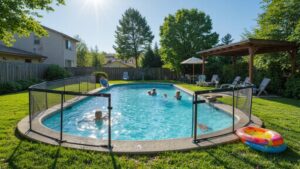
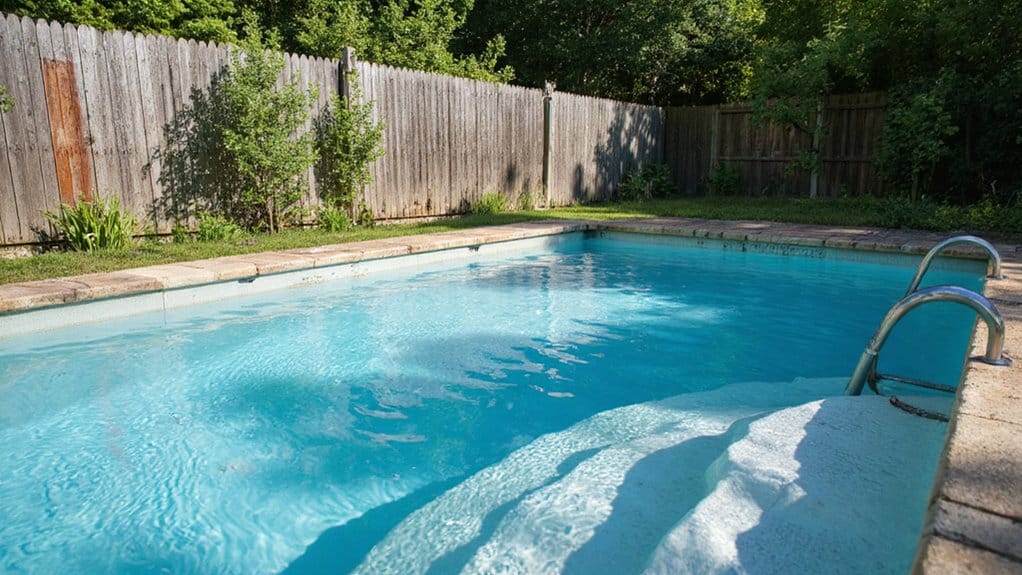
If your pool fence is starting to show signs of wear, such as rust, cracks, fading, or loose sections, it may be time to take a closer look. An older fence may also fall short of current pool safety requirements, especially if the gate no longer closes or latches properly.
Replacing an aging fence can improve the safety of the pool area while giving your backyard a cleaner, more updated look. Materials such as aluminum and tempered glass offer different benefits, so the right choice will depend on your space, maintenance needs, and local requirements.
Before replacing anything, inspect the fence carefully and check the rules that apply where you live.
Key Takeaways
- Look for rust, cracks, fading, loose sections, and other visible damage that could affect the fence.
- Check whether the fence still meets current safety requirements, including height and gate requirements.
- Test the gate and latch to make sure they close and secure properly every time.
- Compare materials such as aluminum, tempered glass, wood, vinyl, and mesh based on appearance, upkeep, and durability.
- Check local pool fencing rules before making changes, since requirements can vary by location.
Signs Your Pool Fence Needs an Upgrade
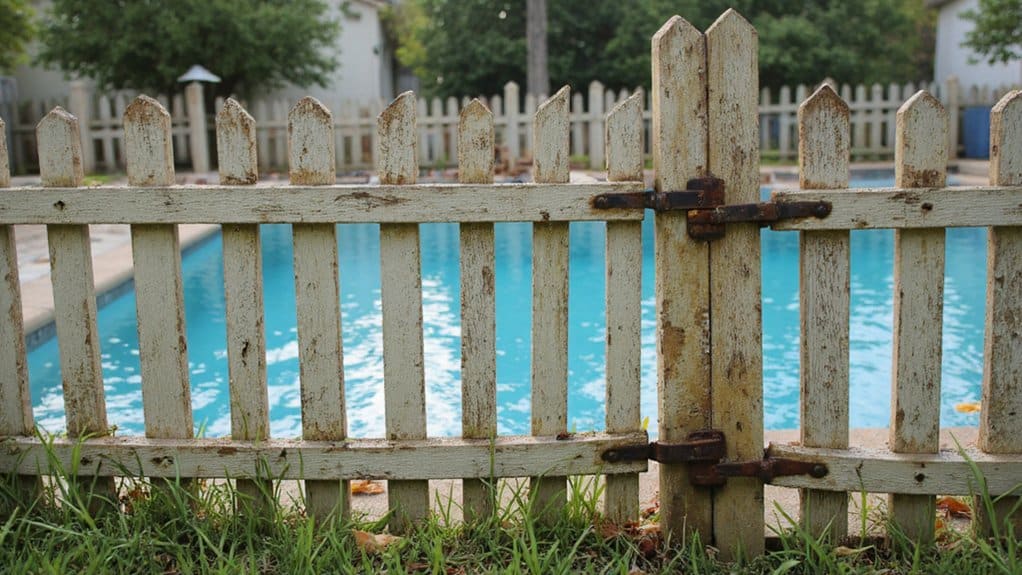
Take a close look at your pool fence from time to time. Rust, cracks, fading, bent sections, and loose connections can all be signs that the fence is getting past its useful life.
The condition of the gate deserves extra attention. A gate that doesn’t close fully, latch correctly, or stay secured can create a serious safety concern. Try opening and closing it several times to see whether it works consistently.
It’s also worth checking whether the fence still meets the safety requirements that apply to your property. Rules can change over time, so a fence that was acceptable when it was installed may not meet today’s requirements.
The material itself can be another reason to consider an upgrade. Older fencing may require more maintenance or may no longer suit the way you use your backyard. Aluminum and tempered glass are two options that can provide a more modern appearance while meeting different design and maintenance needs.
If you spot a problem with the fence or gate, don’t put off having it checked. Small issues can become harder to deal with when they’re left unattended.
Essential Safety Features for Modern Pool Fences
A pool fence needs to do more than mark the edge of the pool area. Its design and condition should help limit unsupervised access and make it harder for children or pets to enter the pool area without an adult noticing.
Start with the basic requirements for your location. These may include a minimum fence height, a self-closing gate, and a latch that keeps the gate securely closed.
The gate should also be easy for adults to operate while remaining difficult for young children to open. Test the closing and latching mechanism regularly, especially after repairs or changes to the surrounding area.
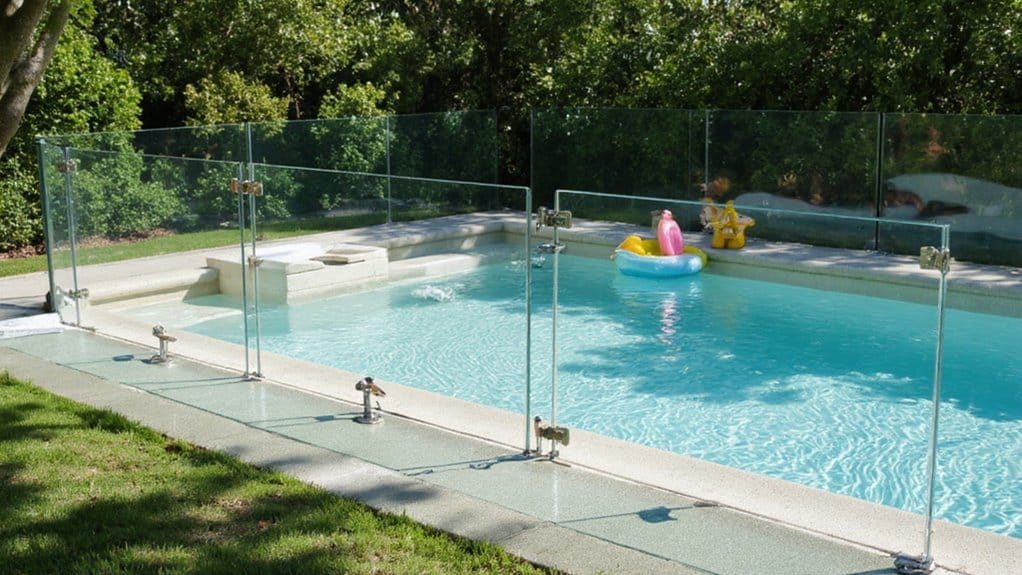
The design of the fence matters, too. Non-climbable sections can make it harder for children to climb over the barrier. Clear fencing, such as tempered glass, can also make it easier to see the pool from nearby areas of the yard.
Some homeowners also choose to add a pool or gate alarm. An alarm can provide another warning if the gate is opened or someone enters the pool area unexpectedly. It should be viewed as an added safeguard, not a replacement for a properly designed and maintained barrier.
Understanding Local Pool Safety Laws
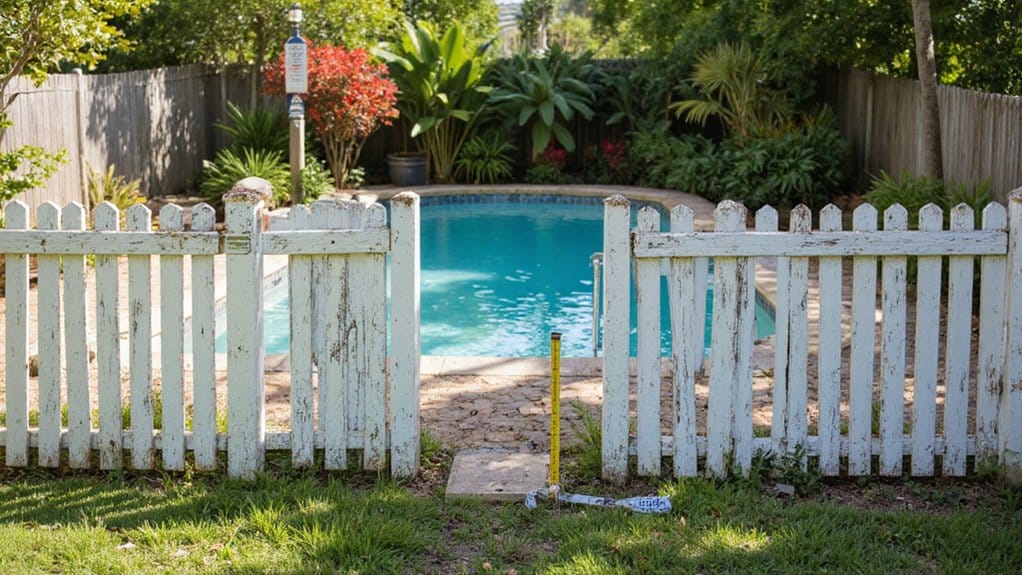
Pool fencing rules aren’t the same everywhere. Requirements can vary by state, city, county, or other local authority, so it’s worth checking the rules that apply to your property before replacing or modifying a fence.
Height is one area that may be covered by local requirements. Gate design, self-closing mechanisms, latch placement, fence openings, and climbable features may also be addressed.
Don’t rely only on the rules that were in place when your pool fence was installed. If you’re planning an upgrade, check the current requirements with your local building department or other relevant authority.
Local rules may also affect which fencing materials and layouts can be used. A design that works for one property may not meet the requirements somewhere else.
Checking these details before installation can help prevent problems later. It can also give you a clearer idea of what needs to change and what can stay as it is.
Why Upgrade Your Pool Fence?
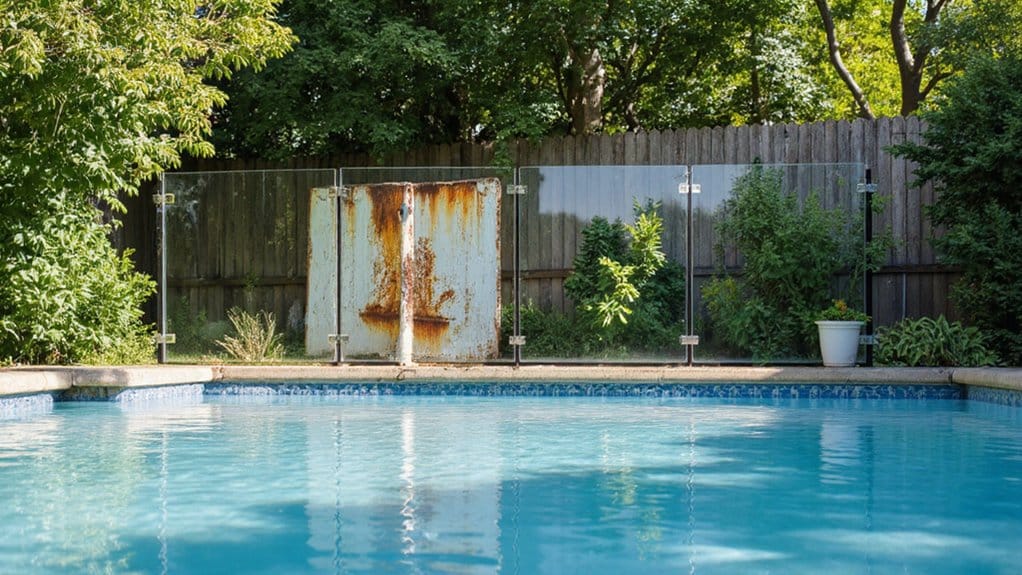
A pool fence upgrade can address more than visible damage. It can give you a chance to review the way the pool area is enclosed, replace worn hardware, and choose a design that fits the rest of your backyard.
If your current fence is difficult to maintain, looks dated, or has a gate that needs frequent repairs, replacing it may make day-to-day upkeep easier.
The appearance of the fence can matter, too. A pool barrier takes up a noticeable amount of space in a backyard, so choosing a material and design that work with your home can make the entire area feel more put together.
Enhanced Safety Features
A properly working gate is one of the areas worth checking when you review an older pool fence. Self-closing and self-latching gates can help prevent the gate from being left open by accident.
If your existing gate doesn’t close completely or the latch needs to be adjusted regularly, inspect the hardware and the surrounding fence. Depending on the condition of the setup, a repair may be enough. If the fence itself is worn or no longer meets local requirements, replacement may make more sense.
Pool alarms can also be used as an extra warning system. Depending on the type, they may alert you when someone enters the pool or when a gate is opened.
These features work alongside supervision and a properly installed barrier. They aren’t substitutes for either one.
Improved Aesthetic Appeal
Pool fencing doesn’t have to look out of place in your backyard. Today’s options include clear glass, aluminum, wood, vinyl, and other designs that can work with different home styles.
Glass fencing can keep the pool area visually open, while metal fencing can create a simple look with clean lines. Wood can bring more warmth to a landscaped backyard, although it generally needs more upkeep.
Color is another consideration. A fence can blend with your home’s exterior, coordinate with other outdoor features, or provide a simple contrast.
Think about the view from inside the house as well as the view from the pool area. Since you’ll see the fence regularly, its appearance can be just as relevant as the material’s maintenance needs.
Aesthetic Options for Modern Pool Fencing
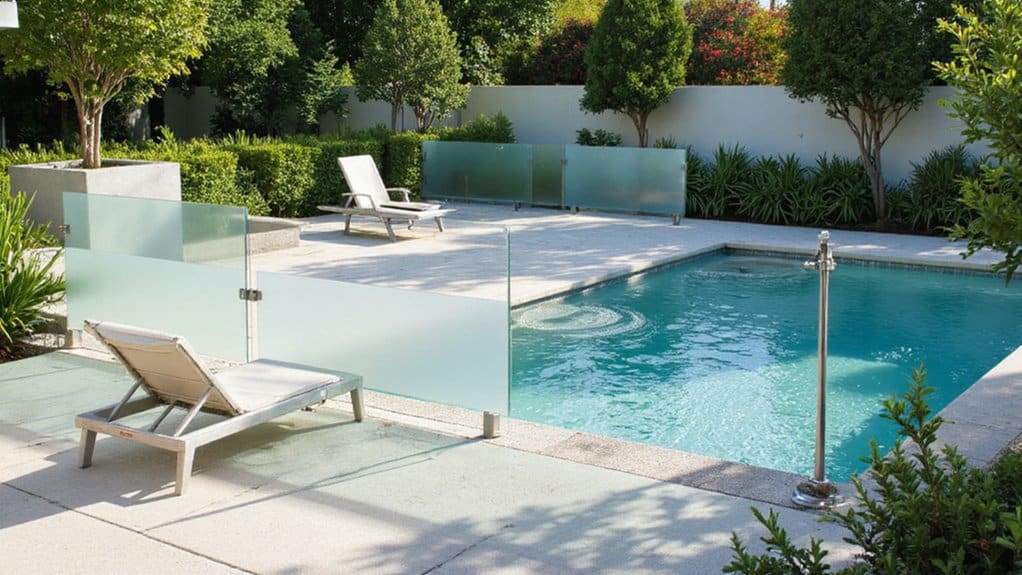
There are several ways to approach the look of a new pool fence. The right choice often comes down to how much visibility you want, how much maintenance you’re comfortable with, and how the fence fits into the rest of your yard.
Glass can keep views open around the pool. Wood can create a warmer, more natural feel. Metal fencing can provide a simpler appearance with plenty of design choices.
Stylish Glass Fencing Designs
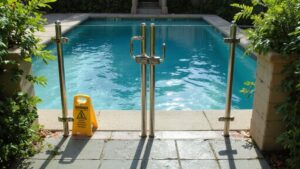
Glass fencing is a popular option for homeowners who want to keep clear views around the pool. Tempered glass panels can create an open appearance without the visual interruption of traditional solid fencing.
The panels can work with framed or frameless designs, depending on the look you’re after and the requirements for your property. Clear glass also makes it easier to see the pool from different parts of the yard.
Cleaning is something to keep in mind. Water spots, dirt, and other marks can be visible on glass, particularly around a pool. Regular cleaning helps keep the panels looking clear.
Glass also needs to be installed correctly and in line with local pool fencing requirements. The design, hardware, and layout all matter when the fence is being used as a safety barrier.
Natural Wood Options
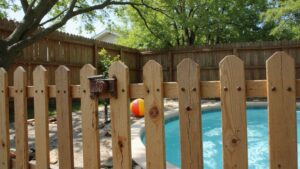
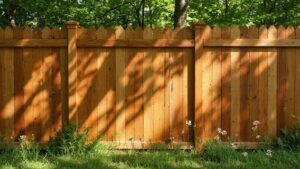
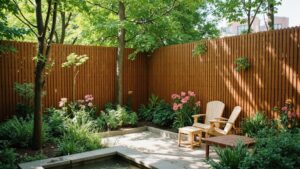
Wood fencing can suit homeowners who prefer a warmer, more natural look. It can blend well with gardens, decks, landscaping, and other outdoor features.
The type of wood makes a difference. Treated or naturally rot-resistant options can be better suited to outdoor use, but all wood fencing needs some level of care over time.
Moisture, sunlight, insects, and weather can affect the material. Sealing or staining may be needed to protect the surface and maintain its appearance.
Before choosing wood, check that the proposed design meets the pool fencing rules in your area. Openings, height, and other design details can affect whether a particular style is suitable.
Sleek Metal Styles
Metal fencing can provide a clean, straightforward look around a pool. Aluminum is often chosen for its resistance to corrosion and relatively low upkeep, while other metals can offer different finishes and appearances.
Simple designs with vertical sections and open spaces can keep the backyard feeling less enclosed. You can also find different heights, colors, and configurations to suit the layout of the pool area.
When comparing metal fencing, look at the finish as well as the material. Poolside conditions can expose fencing to moisture and chemicals, so the finish and construction should be suited to outdoor use.
The layout matters just as much as the appearance. Make sure the finished fence provides the required barrier and doesn’t introduce features that could make it easier to climb.
Choosing the Right Pool Fence for Your Backyard
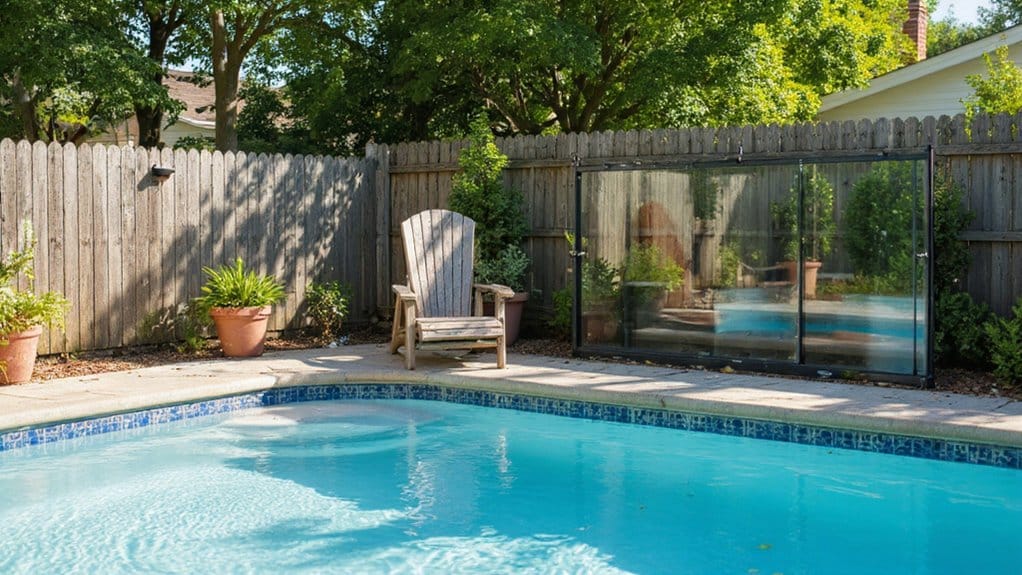
Choosing a pool fence involves more than picking a material you like. Start by looking at the condition of your current fence, the layout of your pool area, and the requirements that apply to your property.
Aluminum, vinyl, wood, glass, mesh, and wrought iron all have different characteristics. Aluminum can be a practical choice when you want low upkeep. Wood offers a traditional appearance but needs more regular care. Glass keeps the view open, while mesh can provide a flexible option in some settings.
Fence height also needs to meet local requirements. A four-foot fence is commonly mentioned as a general reference, but you should check the rules for your specific location rather than relying on a standard height.
Pay attention to the space around the fence, too. Furniture, planters, toys, trees, and other objects shouldn’t create an easy way for a child to climb over the barrier.
The best choice for your backyard will depend on the fence requirements, pool layout, material, maintenance needs, and the look you want to achieve. Take time to compare these factors before making a final decision.
Frequently Asked Questions
How Often Should I Inspect My Pool Fence?
Check your pool fence at least twice a year, and take a quick look at the gate and latch more often. Look for rust, cracks, loose sections, damaged hardware, and other changes that could affect how the fence works.
Can I Install a Pool Fence Myself?
DIY installation may be possible, depending on the type of fence and the requirements in your area. Before starting, check the local rules and make sure you understand the required height, gate setup, spacing, and other safety details.
If you’re unsure about any part of the installation, getting help from a qualified installer can reduce the risk of missing a required detail.
What Materials Are Best for Pool Fencing?
Common pool fencing materials include aluminum, glass, wood, vinyl, mesh, and wrought iron. Each option has different maintenance, appearance, durability, and cost considerations.
Aluminum and glass can suit modern yards, while wood may work well with more natural landscaping. Vinyl and mesh can offer other options depending on the layout and local requirements.
How Much Does a Pool Fence Upgrade Cost?
A pool fence upgrade can cost around $1,500 to $3,500, depending on the type of fence, materials, size of the area, and installation work involved.
Actual costs can vary from one project to another. Get quotes based on your pool’s measurements and the fence style you plan to use rather than relying only on a general price range.
Do Pool Fences Require Regular Maintenance?
Yes. Regular maintenance helps you catch problems before they become bigger concerns. Check for rust, loose panels, damaged sections, worn hardware, and gates that don’t close or latch properly.
The maintenance required will also depend on the material. Wood may need sealing or staining, while glass may need more frequent cleaning to keep the panels clear.
Conclusion
If your pool fence has visible damage, a faulty gate, or a design that no longer meets the requirements for your area, it may be time to consider an upgrade.
Start by inspecting the fence and gate. Then check the current local rules before choosing a replacement material or design. Aluminum, glass, wood, vinyl, and mesh each offer different combinations of appearance and upkeep.
A well-maintained pool barrier is one part of keeping the pool area safer. Taking care of damaged sections, checking the gate regularly, and making sure the setup meets local requirements can help you maintain a secure pool area for your household and guests.