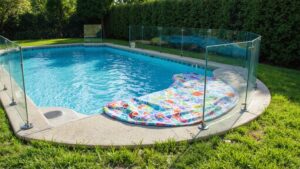
If you own an irregularly shaped swimming pool, you might wonder whether standard pool fencing can work around its unusual layout. In most cases, custom pool fencing can be designed to follow curves, angles, and other features around the pool area. A properly planned fence can help avoid unwanted gaps while fitting naturally into the surrounding outdoor space.
The shape of the pool is only one part of the planning process. The fence material, gate placement, measurements, installation method, and local pool safety rules also need to be considered. Getting these details right can help create a barrier that suits the pool without making the area feel closed in.
Key Takeaways
- Custom pool fencing can be made to follow the contours of irregularly shaped pools.
- A custom layout can help avoid gaps that may occur with standard fencing.
- Aluminum, glass, vinyl, wood, composite, wrought iron, chain link, and mesh are among the available material choices.
- Curved sections, angled runs, gates, and other features can be included in the fence layout.
- Careful measurements and regular inspections help keep the fence in good condition.
- Local pool fencing rules should be checked before choosing a design or starting installation.
Why Custom Pool Fencing Works for Unusual Pool Shapes
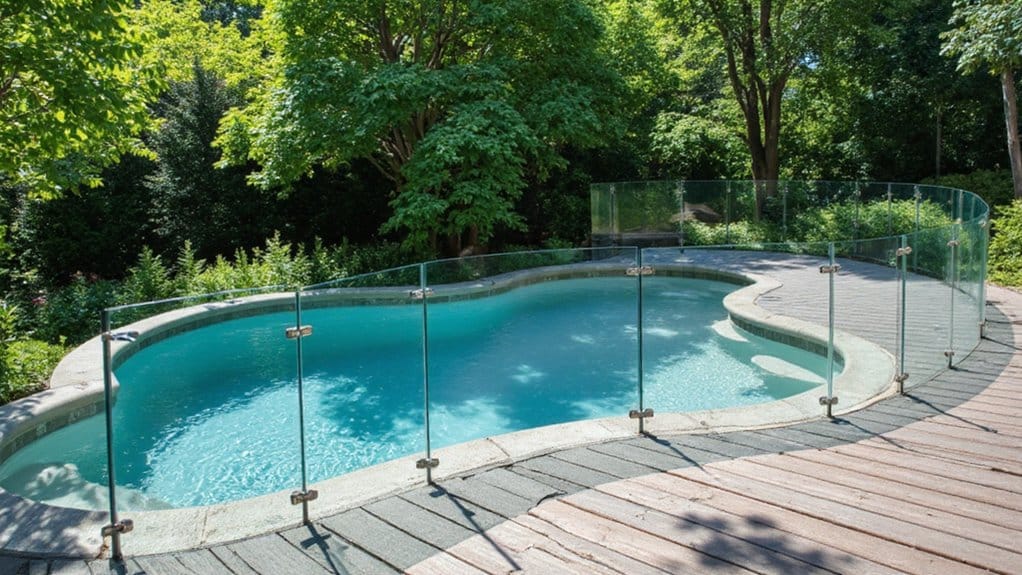
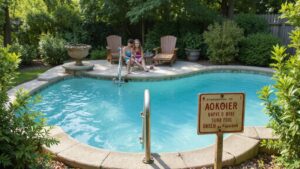
An irregularly shaped pool can make standard fencing difficult to position. Straight fence panels may not follow curved edges or changes in direction, which can leave awkward spaces around the pool.
Custom pool fencing gives you more freedom to work around those features. The fence can be planned around the actual layout of the pool area rather than forcing the space to fit a standard panel design.
This can be useful for pools with curves, angled sections, narrow areas, raised features, or landscaping close to the water. The fence layout can also be planned to keep gates in practical locations.
A well-planned design should provide a clear barrier while still fitting naturally into the outdoor area. The goal isn’t simply to surround the pool. The fence should work with the shape of the space.
Choosing a Material for a Custom Fence
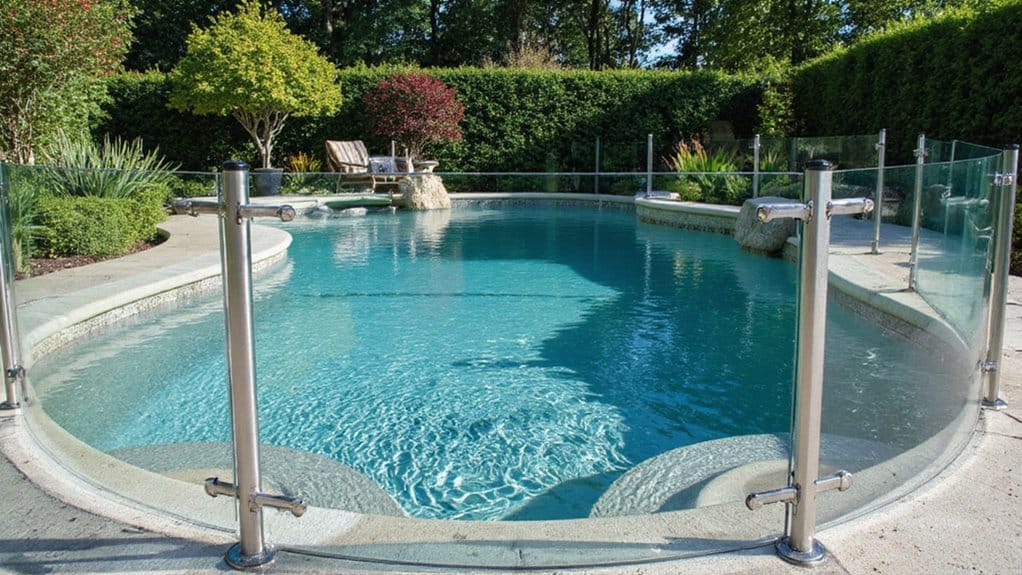
The material you choose can affect the appearance, maintenance needs, and way the fence is installed. Some materials are easier to adapt to curves or unusual layouts than others.
Think about the shape of the pool, the surrounding landscape, your preferred appearance, and the amount of maintenance you’re comfortable with before making a choice.
Common Pool Fencing Materials
Several materials can be used for custom pool fencing.
Vinyl is available in different colors and styles. It can work well when you want a fence that has a more solid appearance.
Aluminum offers a clean look and is commonly used around pools. It can also work with different layouts and is suited to outdoor conditions.
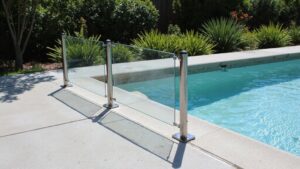
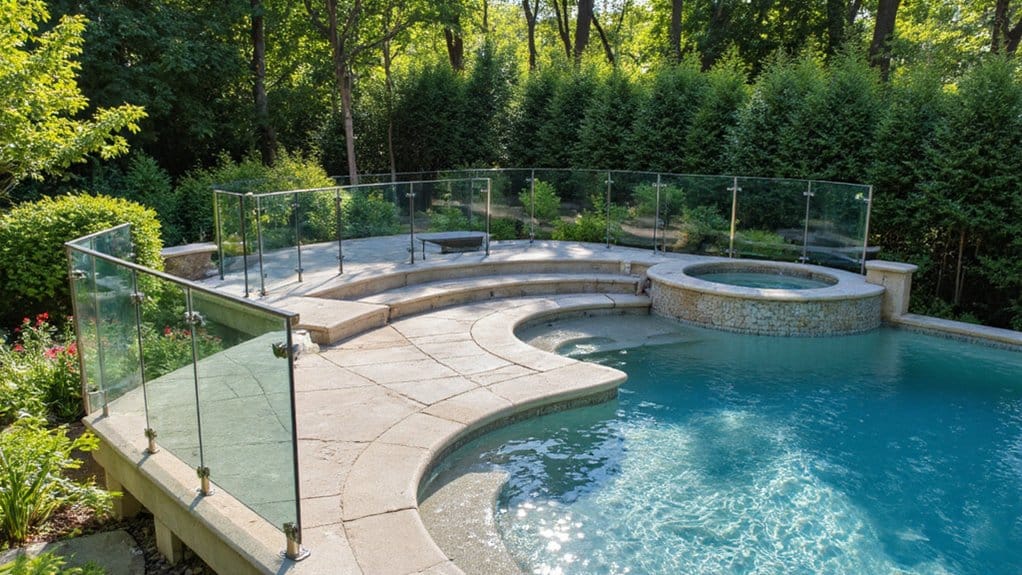
Glass is a popular option when you want to keep the pool area visually open. It provides a clear view of the pool and surrounding space.
Wood can give the area a more natural appearance. It may need more regular care than some other materials, particularly when exposed to moisture and changing weather.
Composite fencing combines wood and plastic materials and can offer another option when appearance and durability are both concerns.
Wrought iron provides a traditional appearance and can be used for custom layouts, though the cost may be higher.
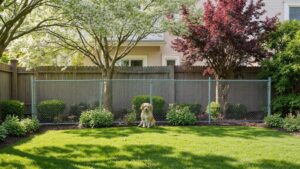
Chain link is a practical option where appearance is less of a concern, while mesh fencing can provide visibility and a barrier around the pool.
The right material depends on the layout, surroundings, maintenance requirements, and local safety rules.
What Customization Adds
Custom fencing allows the fence line to be planned around the actual shape of your pool area.
For example, the fence can follow a curved section instead of using several straight panels that leave awkward spaces. Angled sections can also be measured and positioned to suit the pool’s layout.
You can also plan the location of gates, posts, and other fence components around existing features. Glass may suit an open view, while aluminum or another material may be preferred when you want a different visual style.
The design should always balance appearance with the safety requirements that apply to pool fencing in your area.
Fence Design Ideas for Irregular Pool Shapes
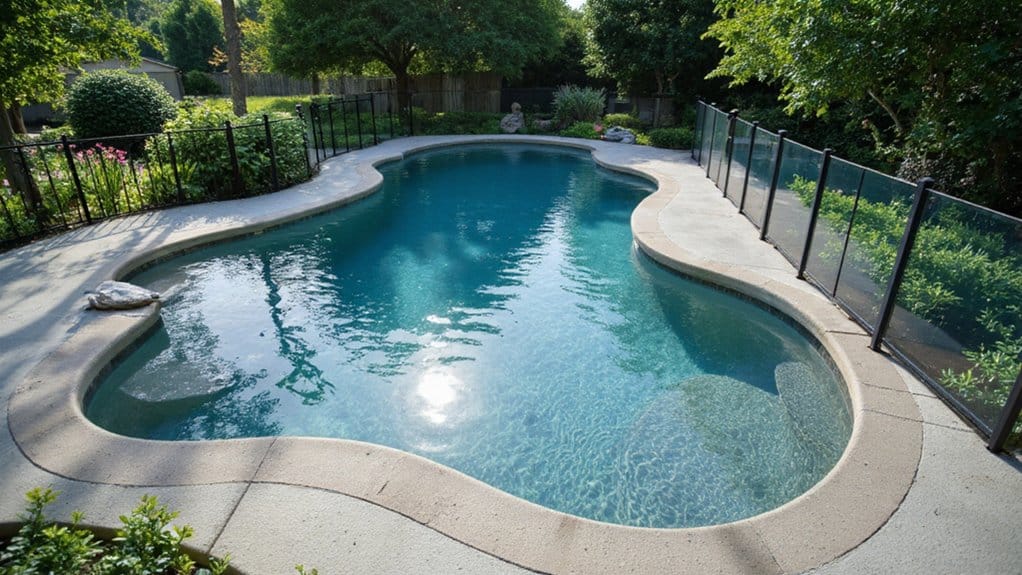
An irregular pool shape doesn’t mean the fence has to look awkward. The fence line can be planned to work with the curves and angles already present in the space.
A curved fence can follow the outline of a rounded pool section. This can create a more natural transition between the pool, deck, garden, and other parts of the yard.
For pools with several different sections, the fence can change direction at measured points. Landscaping can also influence where the fence is positioned, provided the finished layout still meets applicable safety requirements.
Glass can help maintain an open view around the pool. Aluminum and other materials can give the area a more defined boundary. The best layout depends on the pool’s shape and the features around it.
How to Measure an Irregular Pool Area
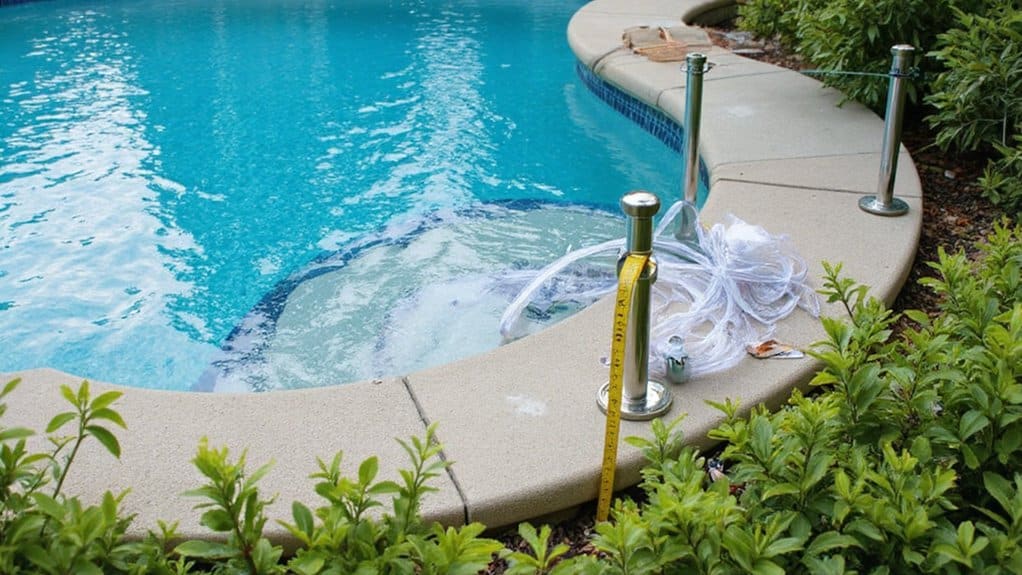
Accurate measurements are especially important when a fence needs to follow an unusual pool shape.
Start by mapping the perimeter where the fence will be installed. A flexible measuring tape can help when working around curves. Record the length of each section, along with changes in direction and the location of any corners.
Curved areas may require more detailed measurements than straight sections. Don’t treat a curved edge as one simple straight line if the fence needs to follow its shape closely.
Also check the area around the pool for landscaping, equipment, retaining walls, steps, decks, or other features that could affect the fence line.
Before ordering materials or beginning installation, review the measurements carefully. For a complex pool layout, having the area measured by an experienced installer can help reduce mistakes.
Understanding Pool Fencing Regulations
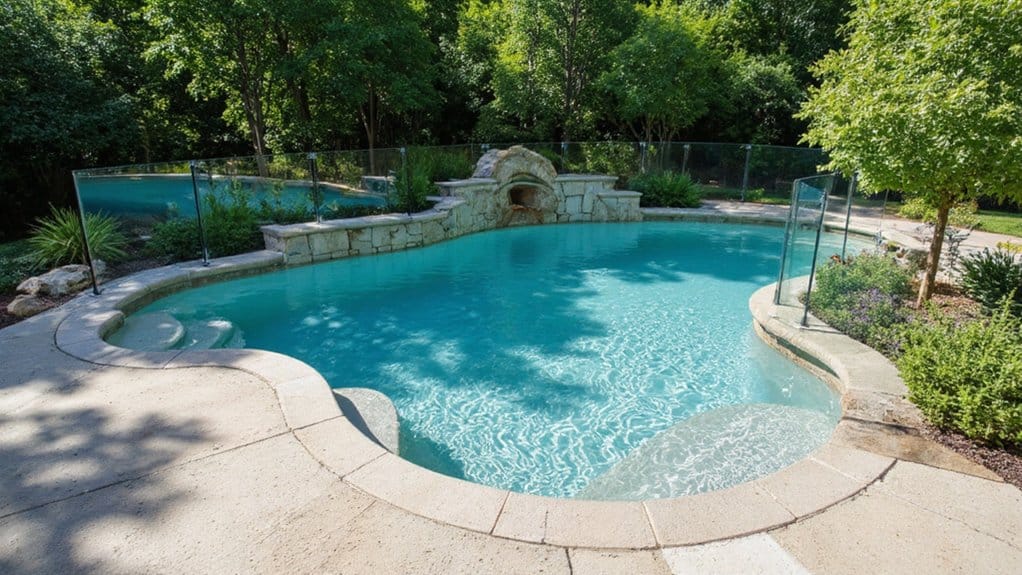
A custom design still needs to meet the pool fencing rules that apply in your location. Requirements can cover fence height, spacing, gate construction, access points, and other details.
Some locations require pool gates to be self-closing and self-latching. There may also be rules about how far a fence must be from the pool and whether certain objects can be placed close enough to the fence to create an access point.
Requirements vary by location, so don’t rely on a general measurement or design found online. Check with the relevant local authority before choosing your final design.
The material and installation method may also need to meet applicable safety standards. A fence that looks suitable may still need changes if it doesn’t meet local requirements.
Picking a Fence Style That Fits the Space
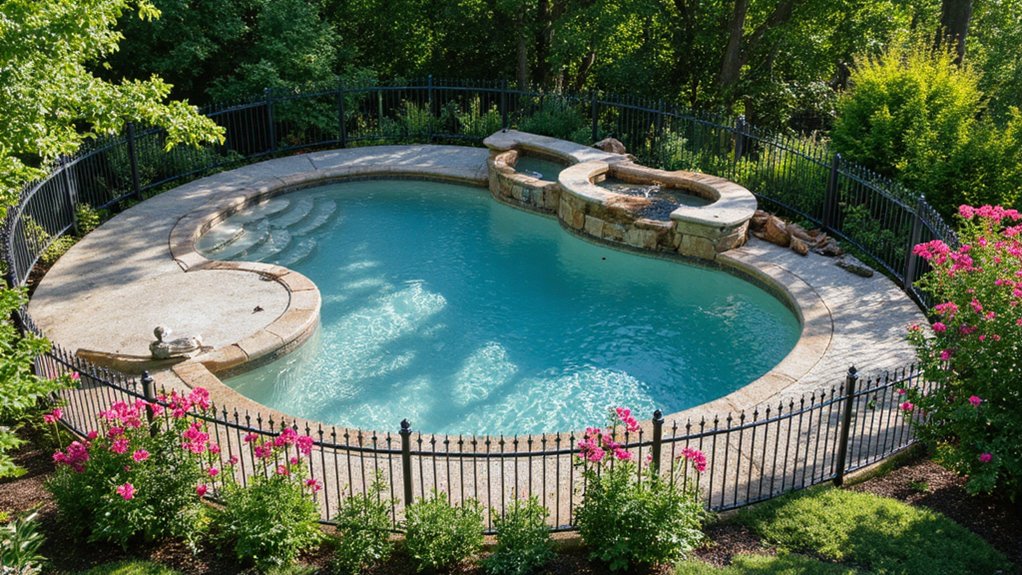
The fence style can change the way the entire pool area looks. With an irregular pool, it’s worth considering how the fence will interact with the existing shape instead of choosing a style based only on appearance.
Popular Fence Styles
Glass fencing works well when you want a clear view across the pool area. Its simple appearance can suit modern outdoor spaces.
Wrought iron fencing can give the pool area a more traditional appearance and can be adapted to different layouts.
Wooden fencing can blend with gardens and other natural features. It can also be built around unusual shapes, although maintenance needs should be considered.
Aluminum fencing offers another option for homeowners who want a lighter-looking fence with a clean appearance.
The fence style should also leave enough room for practical access and allow the required gates and openings to be installed correctly.
Material Choices
Material selection should be based on more than appearance. Think about weather exposure, cleaning, maintenance, privacy, visibility, and the shape of the fence line.
Aluminum can suit many outdoor pool areas and generally needs little upkeep. Vinyl provides another low-maintenance option with different style choices.
Glass can keep the area visually open, which may be useful when you want to see the pool from other parts of the yard.
Every material has different installation requirements and limitations. A professional can help determine which option is suitable for the particular shape and layout of your pool area.
Installation Tips for an Irregular Pool Fence
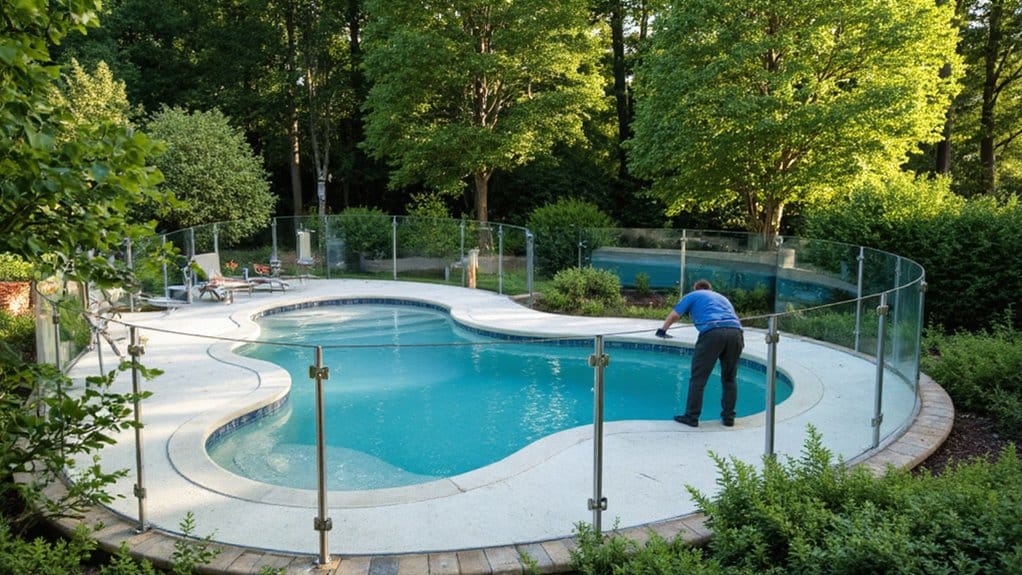
Installation becomes more involved when the fence needs to follow curves, angles, or several changes in direction.
Begin with the measurements and fence layout rather than placing posts based on the pool’s edge alone. The fence needs to follow the planned boundary while leaving enough room for gates and access.
Custom fittings, adjustable brackets, and carefully positioned posts may be needed depending on the material. Each post should be firmly installed so the fence remains stable.
Pay close attention to the gate. It should be positioned where people can use it safely, while still meeting the requirements that apply in your area.
Before completing the installation, check the fence height, spacing, gate operation, and post stability against local pool fencing requirements.
For a more complex layout, fence installation in Sooke can be handled by an experienced fencing contractor who can assess the site, measurements, posts, gates, and finished fence line.
Keeping a Custom Pool Fence in Good Condition
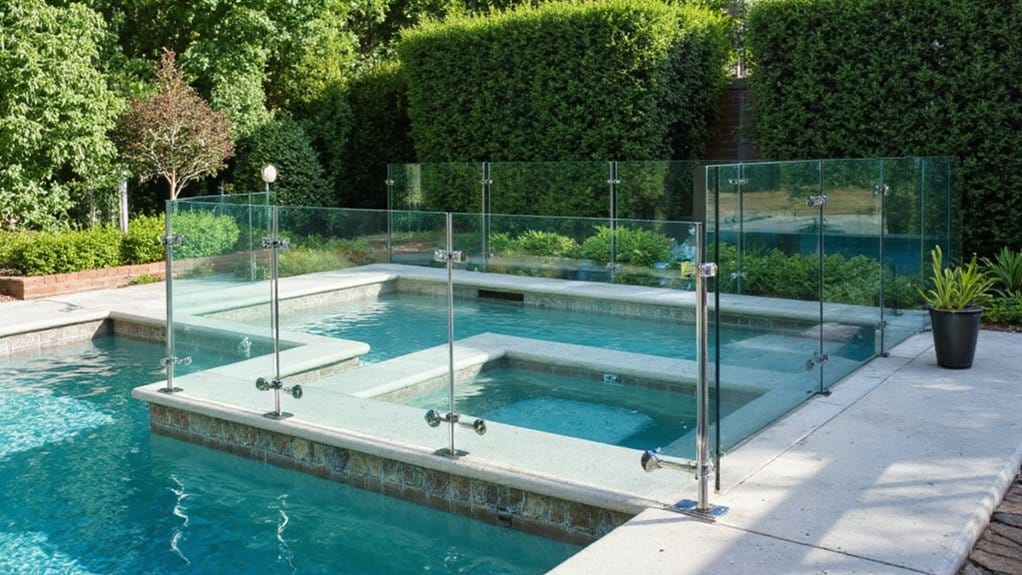
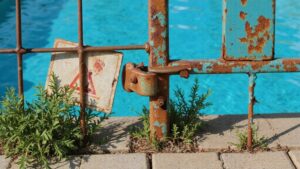
A custom fence needs regular checks just like any other pool barrier. Walk around the fence periodically and look for loose posts, damaged sections, cracks, corrosion, or worn fittings.
Pay close attention to gates. Make sure they close and latch properly and that hinges and other moving parts remain in good condition.
Dirt, leaves, and other debris can build up around the fence and gate. Cleaning the fence based on its material can help keep it looking good and make damage easier to spot.
If you find a damaged section or loose fitting, deal with it promptly. Small issues can become more difficult to manage if they’re left unattended.
Other Ways to Improve Pool Area Safety
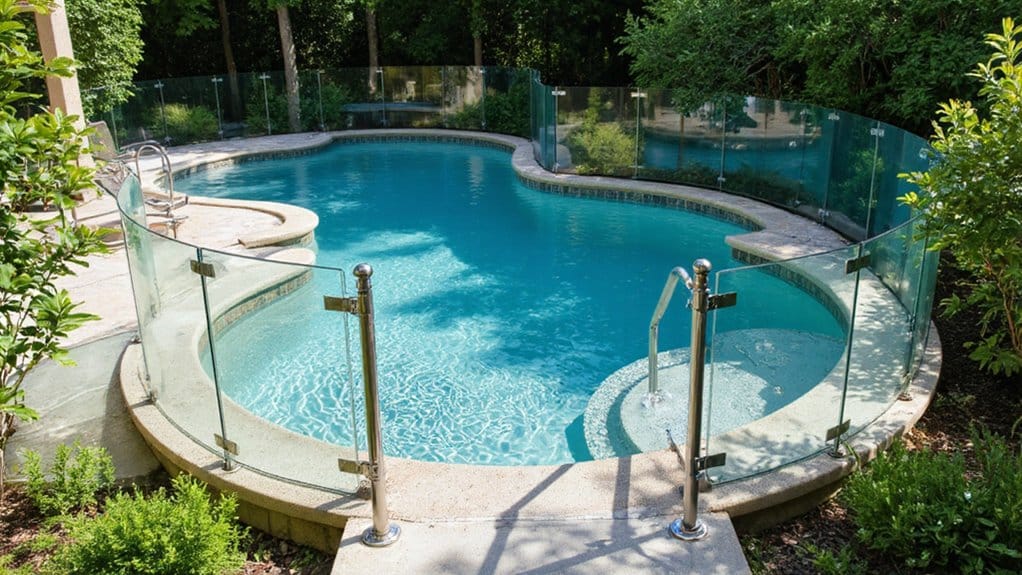
A pool fence is one part of a safer pool area. With an irregularly shaped pool, clear sightlines can also be useful when deciding where to position the fence.
A fence that follows the pool’s contours can help create a defined barrier without unnecessarily blocking the surrounding space. Transparent materials can preserve visibility, while a well-positioned gate can make access easier to control.
Keep objects that could provide access to the pool away from the fence where required by local rules. Pool equipment, furniture, garden features, and other items may need to be considered when planning the fence layout.
Regularly check the entire pool area, not just the fence itself. Changes to landscaping, equipment, or the fence can affect how the space functions.
Frequently Asked Questions
How Much Does Custom Fencing Typically Cost for Irregular Pools?
Custom fencing for an irregular pool can cost around $1,500 to $5,000 based on the material, size, layout, and design. Curves, difficult access, gates, and other custom features can affect the final price.
It’s best to get a quote based on the actual pool area rather than relying on a general price range.
Can I DIY a Custom Pool Fence for an Irregular Shape?
A DIY fence may be possible, but pool fencing has safety requirements that need to be followed. An irregular shape can also make measuring and installation more difficult.
Before taking on the project yourself, check your local pool fencing rules and make sure you understand the requirements for fence height, spacing, gates, and installation.
What Styles Are Most Popular for Irregularly Shaped Pool Fences?
Glass, aluminum, wrought iron, wood, vinyl, and mesh are among the options used for pool fencing. Glass can preserve visibility, while aluminum and wrought iron can provide a more defined fence line.
The most suitable style depends on the pool’s shape, the surrounding area, maintenance needs, and local safety requirements.
How Long Does It Take to Install Custom Pool Fencing?
A custom pool fence may take one to three days to install, although the timeline can vary. The shape of the pool, ground conditions, access to the site, material, and amount of custom work can all affect the installation time.
A more complicated fence layout may take longer than a simple straight run.
Are Warranties Available for Custom Pool Fencing Installations?
Some custom pool fencing companies offer warranties on materials and installation. The terms vary between providers and materials.
Before agreeing to the work, ask what the warranty covers, how long it lasts, and whether installation issues are included.
A Custom Fence Can Work Around an Irregular Pool
An irregularly shaped pool doesn’t prevent you from having a properly planned fence. Custom fencing can follow curves, angles, and other features that make standard panels difficult to use.
The process starts with accurate measurements and a clear fence layout. From there, you can choose a material and style that suit the pool area while considering maintenance and appearance.
Local fencing rules should be checked before installation, especially for requirements involving height, spacing, gates, and access. Once installed, regular inspections can help keep the fence in good condition.
With the right planning, a custom pool fence can fit the shape of the space without looking out of place.